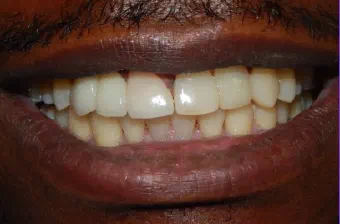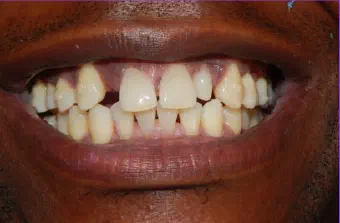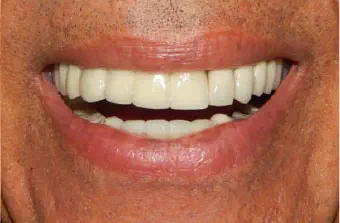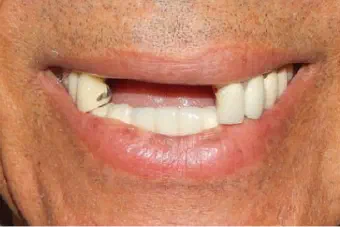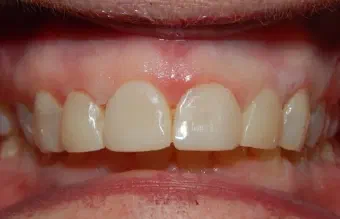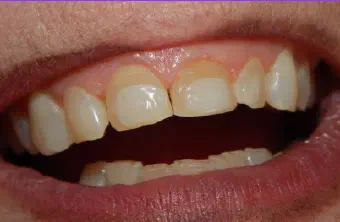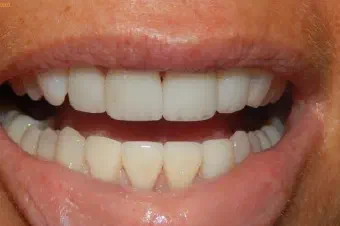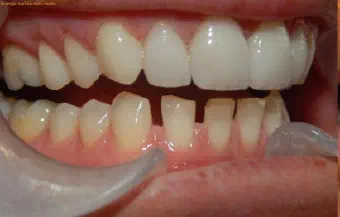

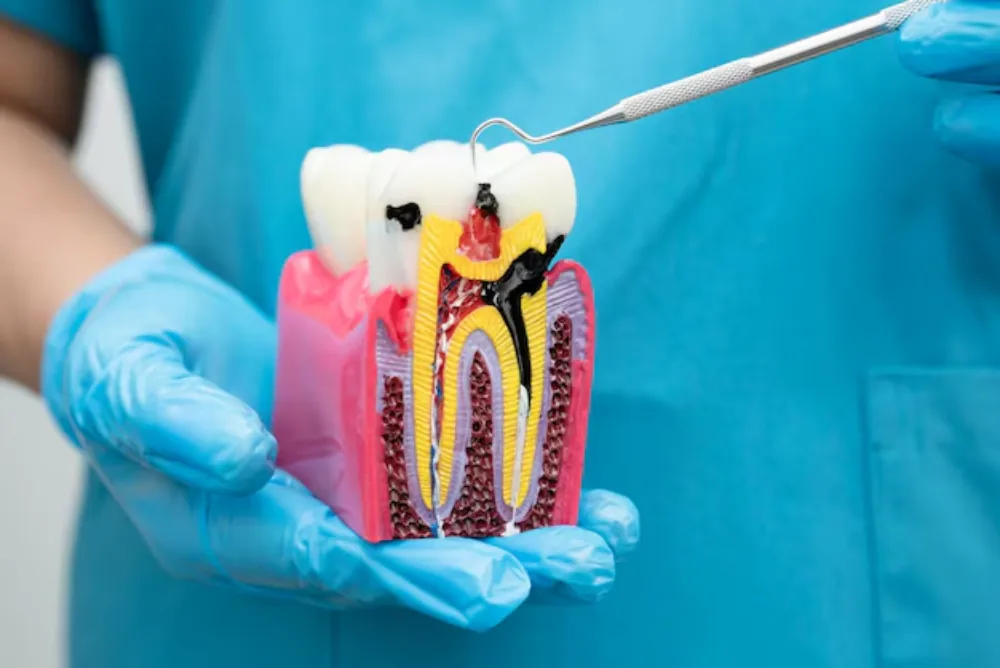
When a tooth gets infected, it’s important to treat it quickly to stop pain, swelling, and loss of the tooth. A root canal treatment in Cookstown, Innisfil can save a tooth that might otherwise need to be removed. The dentist cleans out the infected pulp inside the tooth, removes bacteria, and strengthens the tooth, so it works properly and is pain-free.
Many people wonder how a root canal works and why it’s needed. Seeing a dentist in Cookstown, Innisfil early can prevent the infection from spreading to other teeth and gums. Today’s dental tools make root canals faster, more precise, and almost painless, so patients stay comfortable during treatment.
What Happens During a Root Canal Procedure?
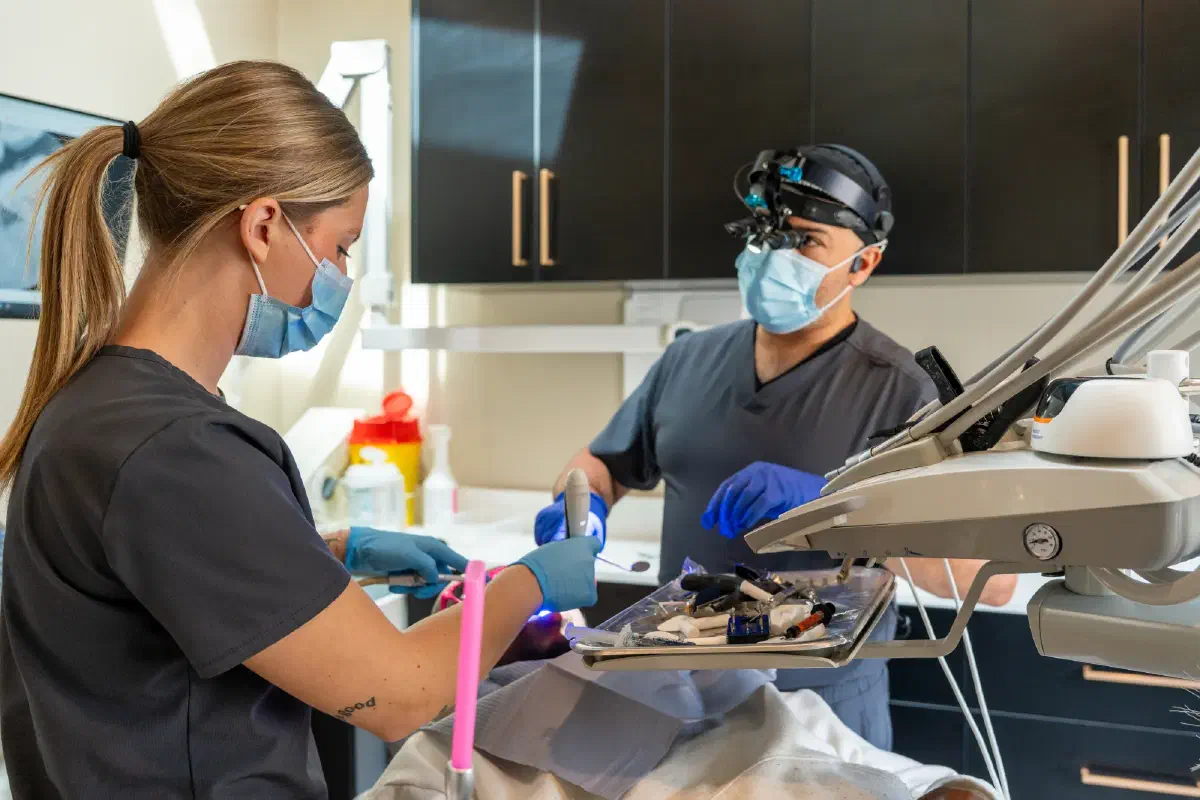
A dental clinic in Cookstown, Innisfil uses modern tools to treat infected teeth safely. Here’s what usually happens:
- Check and X-rays: The dentist looks at the tooth and takes X-rays to see how bad the infection is.
- Numbing: The dentist numbs the area so you don’t feel pain.
- Remove infection: The dentist takes out the infected tissue from inside the tooth.
- Shape and fill: The empty canals are shaped and filled with safe material to prevent further infection.
- Restore the tooth: A crown or filling is put on to make the tooth strong and look normal.
These steps save the tooth while getting rid of pain and infection.
Signs You Might Need a Root Canal
Recognizing early symptoms can save your tooth. Some common signs include:
- Severe toothache that doesn’t go away
- Sensitivity to hot or cold foods and drinks
- Swollen or tender gums near the affected tooth
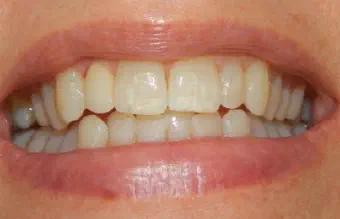
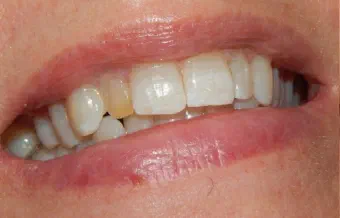
- Darkening of the tooth
- Persistent bad taste or bad breath
If you notice any of these symptoms, contact a root canal treatment near youto prevent further damage and protect your oral health.
Advantages of Modern Root Canal Treatments
Modern root canal (endodontic) methods have many advantages over older ways:
- Treatments are faster and more comfortable.
- There’s a lower risk of problems.
- The natural tooth can be saved.
- Recovery is quicker with little downtime.
- With proper care, results last a long time.
Using advanced tools, dentists can reach even tricky areas to clean and treat the tooth thoroughly.
How to Care for Your Tooth After Treatment
Recovery is important for a successful root canal. After the treatment, a dentist near you may suggest:
- Avoid hard or sticky foods for a few days.
- Brush and floss gently to keep your mouth clean.
- Use a soft-bristle toothbrush to protect the treated tooth.
- Go to follow-up visits so the dentist can check how your tooth is healing.
- Take any medicine the dentist gives you for pain or infection.
Following these steps helps keep your tooth healthy and strong for a long time.
Preventing Future Infections
Taking care of your teeth before problems start is very important. Regular dental visits and good home care can lower the risk of infection. Here are some easy tips:
- Brush your teeth twice a day with fluoride toothpaste.
- Floss every day to clean between your teeth.
- Wear a mouthguard if you grind your teeth.
- Go to your dental clinic near you for regular checkups.
- Avoid sugary foods that can cause bacteria to grow.
Restore Your Tooth and Confidence Now!
Don’t let an infected tooth disrupt your smile or comfort. Book an appointment today at Cookstown Dental Centre for expert care, gentle treatment, and a personalized plan to save your teeth and maintain your oral health for the long term.
FAQs
How long does a root canal treatment take?
Most root canal treatments are completed in one to two visits, depending on the tooth’s complexity and infection severity.
Is a root canal treatment painful?
Modern techniques and local anesthesia make the procedure virtually painless. Most patients experience only mild discomfort afterward.
How can I tell if I need a root canal?
Severe toothache, sensitivity to hot or cold, swollen gums, or a darkening tooth may indicate infection and the need for treatment.
Can an infected tooth heal without a root canal?
Without treatment, the infection can worsen, potentially leading to tooth loss or spreading to other areas. A root canal is the most effective way to save the tooth.