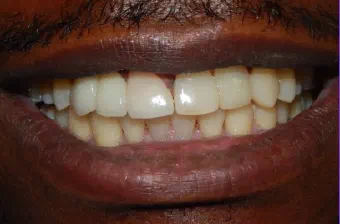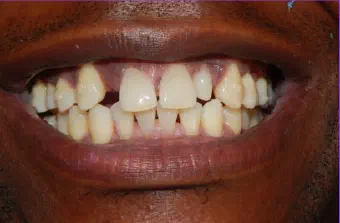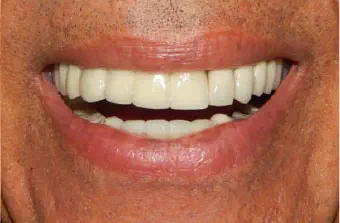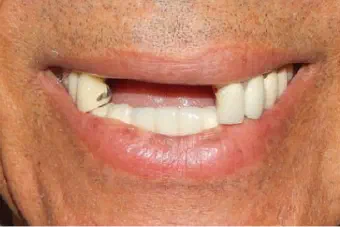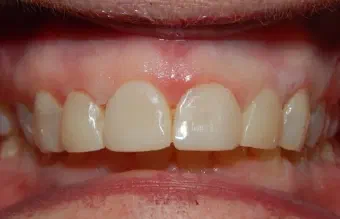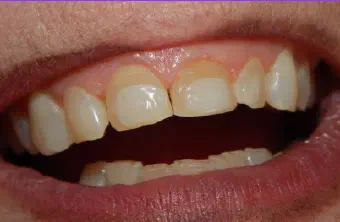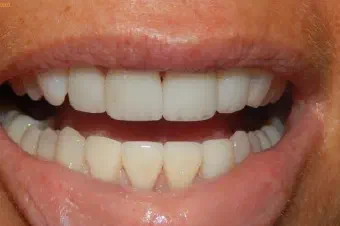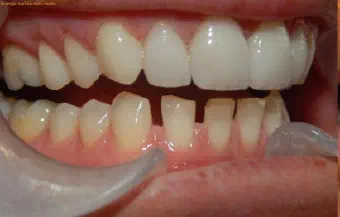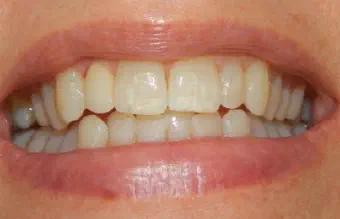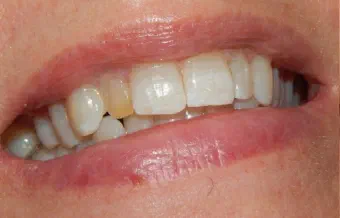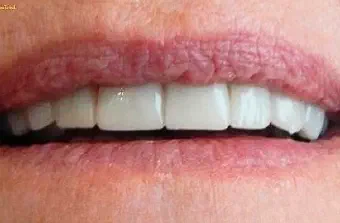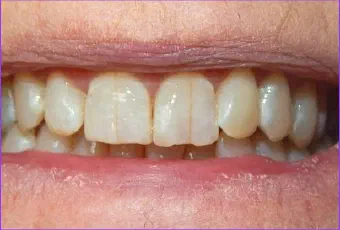

When Should You Get a Dental Crown Instead of a Filling? Over time, teeth may weaken or become damaged due to decay, cracks, or daily wear. In such situations, a filling might not adequately safeguard. This is when dental crowns in Cookstown, Innisfil are often recommended. A crown is a customised mould that fits over your tooth to enhance its shape and function so that it can work normally. It can also enhance your teeth’s appearance.
Understanding what dental crowns are and when they are needed can help patients feel more confident about their treatment choices and oral health.
What Exactly is a Dental Crown?
A dental crown refers to a cover that is placed on a damaged or weakened tooth. It completely encircles the part of the tooth above the gum line that people can see. Crowns are made to look and feel natural so that you are comfortable chewing and speaking.
Crowns are generally made of
- Porcelain or ceramic creates a realistic effect.
- Alloys in metal for strength.
- A combination of porcelain with metal for both strength and appearance.
The kind utilised is determined by the position of the tooth and the patient’s requirements.
Why Are Dental Crowns Used?
Dental crowns are used to protect and strengthen teeth that cannot support themselves anymore. They help prevent further damage and restore daily function.
A dentist in Cookstown, Innisfil may suggest a crown if a tooth:
- Has a large cavity
- Is cracked or broken
- Has been treated with a root canal
- Is worn down from grinding
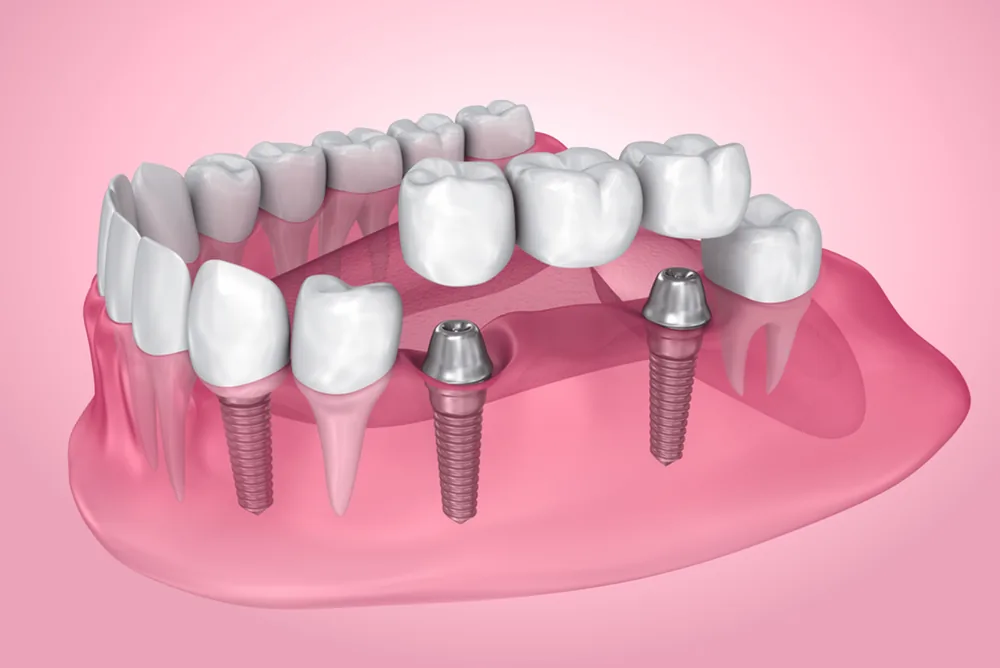
- Needs support for a dental bridge
At a dental clinic in Cookstown, Innisfil, crowns are often part of a long-term plan to protect natural teeth whenever possible.
When Do You Actually Need a Dental Crown?
Not every damaged tooth needs a crown, but some situations make it the best option. Dentists usually recommend crowns when a tooth is too weak for a simple filling.
You may need a crown if you notice:
- Pain when chewing
- Sensitivity to hot or cold
- Visible cracks or chips
- A tooth that feels weak or unstable
Crowns help stop these problems from getting worse while restoring comfort.
How Are Dental Crowns Placed?
Getting a dental crown near you usually takes two visits. The process is planned carefully to ensure a proper fit and natural look.
The general steps include:
- Exam and tooth preparation
- Shaping the tooth to fit the crown
- Taking impressions for accuracy
- Placing a temporary crown
- Attaching the final crown once ready
The final crown is secured so it blends with nearby teeth and supports your bite.
What Are the Benefits of Dental Crowns?
Dental crowns offer both functional and visual benefits. They are designed to last for many years with proper care.
Key benefits include:
- Restoring chewing strength
- Protecting weak teeth
- Improving tooth shape and colour
- Supporting dental bridges
- Helping maintain bite alignment
Because crowns cover the full tooth, they provide stability that other treatments may not.
How Long Do Dental Crowns Last?
The lifespan of a crown depends on the material used and how well it is cared for. Many crowns last 10–15 years or longer.
To help crowns last:
- Brush and floss daily
- Avoid chewing ice or hard objects.
- Address teeth grinding if present.
- Attend regular dental checkups.
Good oral care plays a big role in keeping crowns in good condition.
Are Dental Crowns Natural-Looking?
Modern crowns from a dentist are made to match the colour and shape of your natural teeth closely. When placed properly, they blend in well and are hard to notice.
Dentists choose materials carefully so that crowns:
- Match the surrounding teeth.
- Feel smooth and comfortable.
- Support normal speaking and eating.
This makes crowns a popular option for both back and front teeth.
What to Expect During Recovery
Sensitivity after crown placement is normal and will likely fade after a few days. Most people resume normal eating fairly rapidly.
Tips after treatment are helpful.
- Stay away from sticky foods for a while.
- Careful chewing until it feels normal
- Contact a dentist if the pain doesn’t stop.
Crowns feel natural once you become accustomed to them.
Ready to Protect Your Smile?
Dental crowns play an important role in restoring and protecting damaged teeth. At Cookstown Dental Centre, patients receive clear guidance and personalised care to help them understand their options. If you are experiencing tooth damage or discomfort, scheduling a visit and speaking with the dental team can help you decide the next step and book an appointment with confidence.
FAQs
Will you feel pain when getting crowns?
The procedure numbs the tooth, making it comfortable for the majority of people. It is common to experience some mild soreness after the treatment. And usually, it should go away quickly.
Is a cracked tooth repairable with a crown?
Yes. A crown encases a cracked tooth to protect it from further injury and restore the normal function of the tooth.
Do crowns require special care?
Crowns do not need special tools, but brushing twice a day, flossing daily, and regular dental visits help keep them in good shape.
Can a crown fall off?
It is uncommon, but a crown can come loose if the cement weakens. If this happens, a dentist can often reattach it safely.