
The words “root canal” might sound scary, but this treatment is actually a hero in the dental world. Its main job is to save a tooth with a severe infection or serious damage, so you don’t have to have it pulled out.
Most people realise they have a problem when they notice signs they need a root canal, like a sharp, thumping pain when they chew or a tooth that is super sensitive to ice-cold drinks.
If you have a toothache that won’t go away, getting a root canal treatment in Cookstown, Innisfil, is the fastest way to feel better. Modern tools make the process very simple; it feels like getting a regular filling.
By removing germs from inside your tooth, the dentist relieves the pain and saves your smile. Getting help early is the best way to ensure the treatment works and keep your mouth healthy.
The Anatomy and Necessity of Internal Therapy
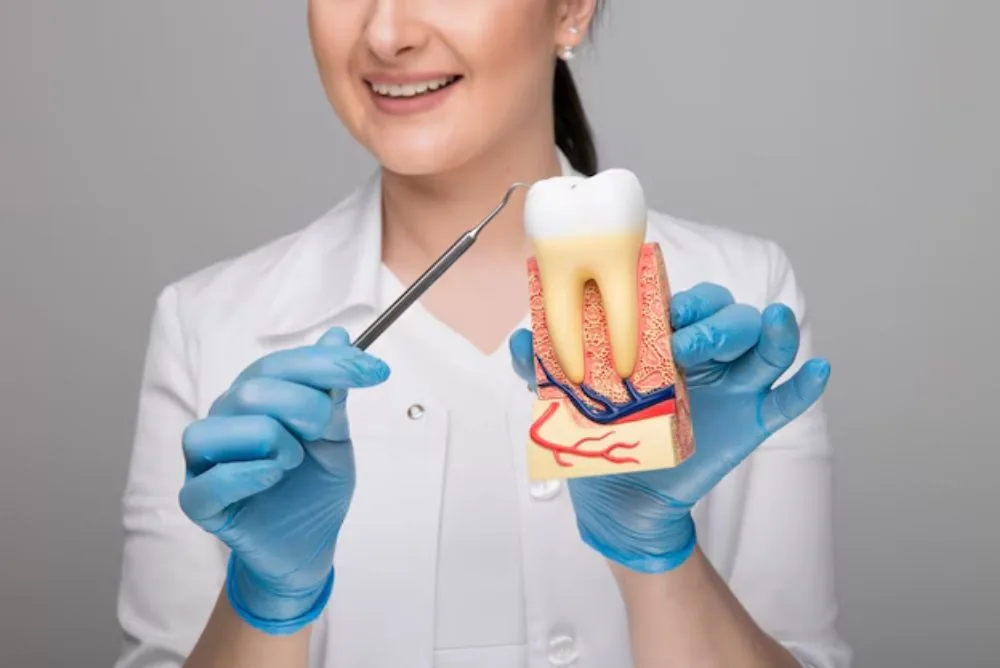
To understand why you might need this, it helps to know what a tooth looks like on the inside. Under the hard white enamel you see, there is a soft center called the “pulp.” This area is full of nerves and blood vessels.
- The Biological Transition: When you are young, the pulp is vital for the growth of the tooth. However, once a tooth is fully grown, it can actually survive without the pulp. It stays healthy by getting nourishment from the surrounding gums and bone.
- Structural Preservation: Keeping your natural tooth is always better than getting a fake one. It keeps your bite strong and prevents your other teeth from shifting out of place.
- Bone Health: Your natural tooth roots help keep your jawbone strong. If a tooth is pulled and not replaced, the bone in that area can start to shrink over time.
How to Know if Something is Wrong
How can you tell if a small cavity has turned into a bigger problem? Not every ache means you need a root canal, but there are certain “red flags” to watch for.
When you visit a dentist near you, they will look for these specific clues:
- Pain That Won’t Stop: An ache that keeps you awake at night or starts for no reason is a major sign that the nerve is in trouble.
- Long-Lasting Sensitivity: If your tooth hurts for a long time after drinking hot coffee or cold water, the nerve inside may be dying.
- Swollen Gums: If you see a small bump on your gums that looks like a pimple, it is usually a sign of an infection at the tip of the root.
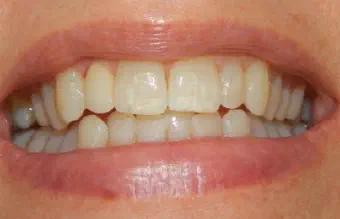
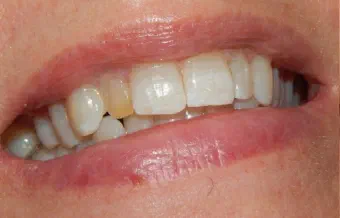
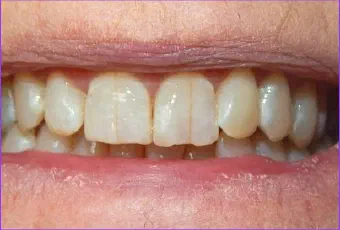
- Darkened Tooth: If one tooth starts to look grey or darker than the others, it often means the internal tissue is damaged.
What Happens During the Treatment?
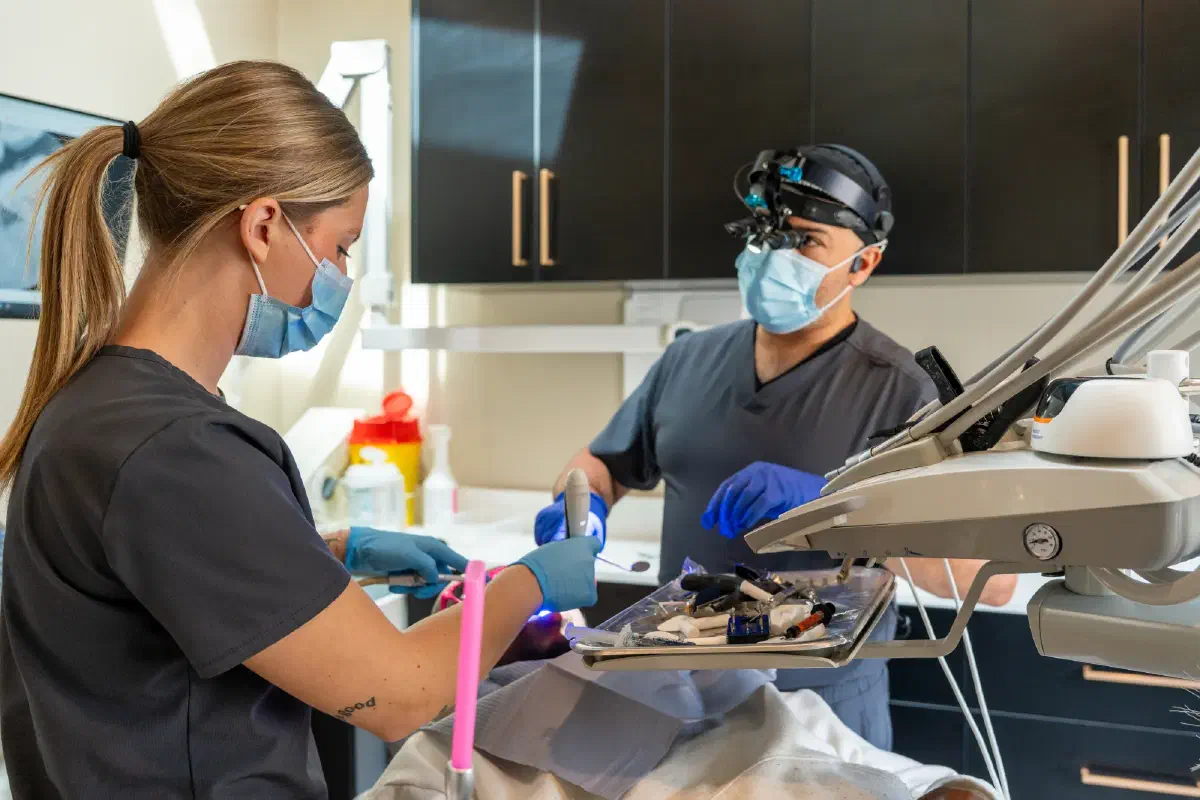
Understanding the steps can help you feel more relaxed about your visit. Many patients ask, what is a root canal treatment? It is a procedure in which a dentist removes the damaged or infected pulp from the centre of the tooth.
After the area is cleaned and disinfected, it is sealed with a special material to prevent the spread of germs.
Cavity vs. Nerve Infection
SymptomRegular CavityRoot Canal Needed
Pain LevelMild; usually only when eatingSharp, thumping, or constant
SensitivityLasts a few secondsLasts for minutes
Inside the ToothJust surface damageThe nerve is infected
The FixA simple fillingRoot canal and a crown
Why You Shouldn’t Wait for Help
It is tempting to hope the pain goes away, but tooth infections don’t heal on their own. If you wait too long to visit a dental clinic in Cookstown, Innisfil, the germs can spread.
- Abscesses: The infection can form a painful pocket of pus that can cause swelling in your face or neck.
- Bone Loss: The infection can eat away at the bone supporting your tooth, increasing the likelihood of tooth loosening.
- Losing the Tooth: If the damage is severe enough, the dentist might not be able to save the tooth, leaving you with a gap in your smile.
Protecting Your Tooth for the Future
Once the infection is gone, the tooth needs to be restored. Because the tooth is “hollowed out” during the treatment, it can become brittle. Most dentists will put a crown (a protective cap) over the tooth to keep it from breaking.
- The Final Crown: A crown acts like a helmet, letting you chew and bite normally without worrying about the tooth snapping.
- Good Hygiene: You still need to brush and floss around the tooth to keep the gums healthy. Even though the tooth can’t feel pain anymore, it can still get gum disease.
Getting Your Healthy Smile Back
Dealing with tooth pain is exhausting, but you don’t have to go through it alone. Catching a problem early makes the fix much easier and saves your tooth.
By talking to a professional, you can stop the infection and get back to eating and smiling without any pain. Our team is here to give you gentle care in a comfortable office.
At Cookstown Dental Centre, we love helping our neighbours stay healthy and happy.
Find our dental clinic quickly on Google Maps and get directions in just one click. 📍
Frequently Asked Questions
1. Does a root canal hurt?
Actually, the procedure is done to stop the pain. With modern numbing medicine, it feels just like getting a regular filling.
2. How many visits will it take?
Most treatments are completed in one or two visits, depending on the severity of the infection.
3. Can I get the tooth pulled?
You can, but it is always better to save your real tooth. Replacing a tooth with an implant or bridge is usually much more expensive.
4. Is it safe?
Yes, root canals have a very high success rate (over 95%) and are a standard way to save teeth.