
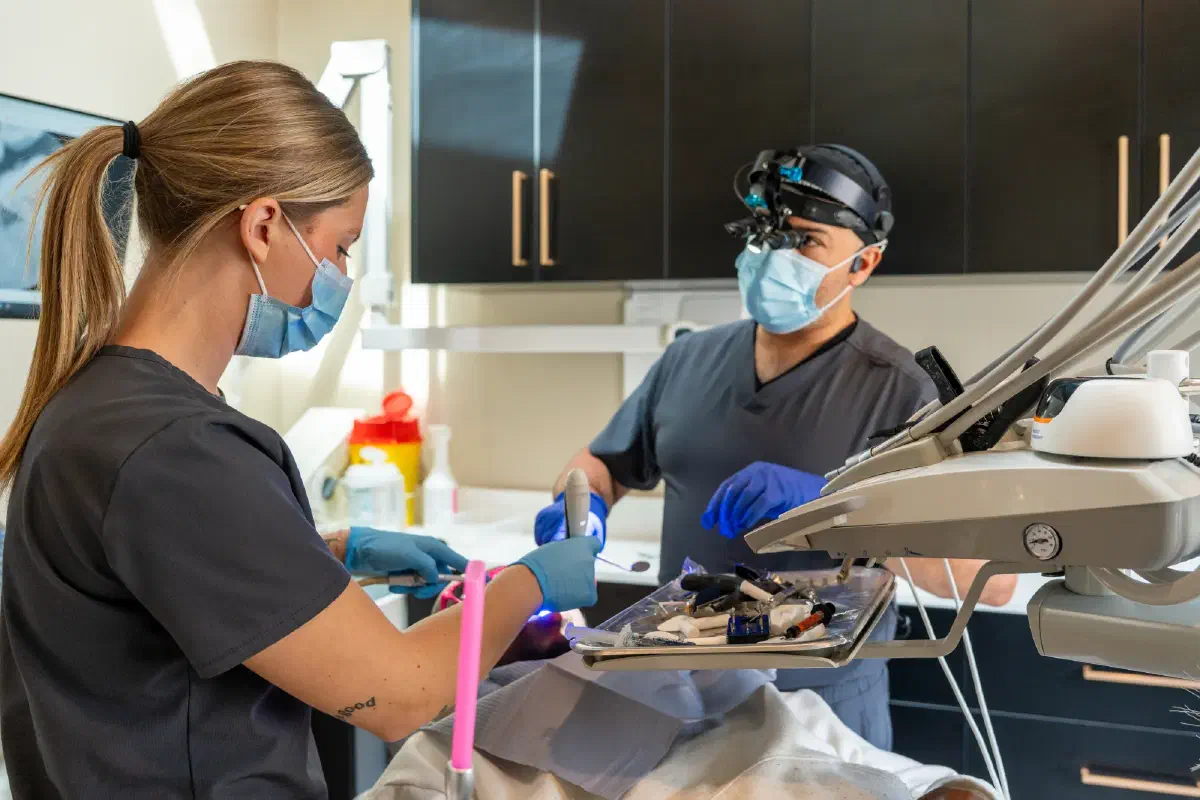

Wisdom teeth, the third set of molars, are often removed because they frequently cause problems such as overcrowding, pain, and risk of infection. These teeth can become impacted, leading to swelling, decay, and damage to nearby teeth.Removal is commonly recommended to prevent these complications and maintain optimal oral health. Discover how this straightforward procedure and modern techniques make the process smooth and comforting.
Understanding Wisdom Teeth
What Are Wisdom Teeth?
Wisdom teeth are the third and final set of molars located at the back of your mouth. They usually appear between the ages of 17 and 25, often referred to as the “Age of Wisdom.” These teeth were essential for early humans whose diet consisted of raw meat and tough plant material. Over time, evolution and changes in dietary habits have reduced our need for these extra molars. In modern humans, wisdom teeth can pose more problems than benefits.
Why Do Wisdom Teeth Become Problematic?
While wisdom teeth can sometimes emerge without causing issues, they often lead to dental complications. Here’s why:
- Overcrowding: Our jaws have become smaller over generations, leaving insufficient space for the wisdom teeth to emerge properly.
- Impaction: When there’s not enough room, wisdom teeth may become trapped under the gum line or press against adjacent teeth. This can cause significant pain and inflammation.
- Difficult to Clean: Their position at the back of the mouth makes wisdom teeth hard to brush and floss properly, increasing cavities and gum disease risks.
Signs You May Need Wisdom Teeth Removal
Not all wisdom teeth need removal, but monitoring them is crucial. Here are some symptoms indicating possible extraction:
- Persistent pain or discomfort at the back of the mouth.
- Swelling or redness in the gums around the tooth.
- Frequent toothaches or discomfort in the jaw.
- Bad breath or an unpleasant taste caused by trapped food particles.
Your dentist can evaluate your wisdom teeth using X-rays to determine the best course of action.
Why You Might Need Wisdom Teeth Removal
Talking About Impaction and Other Issues
Wisdom teeth removal often becomes necessary due to impaction or potential damage they cause. Here’s why removing them is frequently recommended:
- Impaction: An impacted wisdom tooth lacks adequate space to emerge naturally. This leads to pain, infection, and possible cyst formation.
- Potential Damage: Impacted or emerging wisdom teeth can put pressure on adjoining teeth, leading to alignment issues or decay.
- Risk of Oral Diseases: Neglected wisdom teeth can be a breeding ground for bacteria, increasing the risk of gum disease and cavities.
Monitoring these teeth through regular dental check-ups can help you make informed decisions on removal, averting serious oral health issues.
Deciding on Removal: Key Considerations
Dentists recommend extraction when:
- The teeth are severely impacted.
- Pain and discomfort persist despite treatment.
- There’s evidence of gum disease or cavities attributable to these misaligned molars.
These conditions, if left unaddressed, can lead to more significant, painful, and complex dental issues later.
The Process of Wisdom Teeth Removal
What to Expect on Surgery Day
Undergoing wisdom teeth removal might sound daunting, but knowing what to expect can ease your concerns. Here’s a breakdown of the typical procedure:
- Consultation: Well before surgery, your dentist or oral surgeon will assess your situation, possibly using X-rays, and discuss sedation options.
- Anesthesia: To ensure comfort, you’ll receive local anesthesia, sedation, or general anesthesia, depending on the complexity and your anxiety levels.
- Extraction: The dentist will make an incision in the gum tissue to access the tooth, remove any bone blocking access, and then extract the tooth. In some cases, the tooth may be divided into smaller pieces for simpler removal.
- Stitching: After extraction, the site may be stitched to promote healing.
Modern Technologies Ensure Comfort and Safety
Dentists now use advanced technology, making wisdom teeth removal quicker, safer, and less painful:
- Sedation Options: Nitrous oxide (laughing gas) or IV sedation ensures you remain calm and comfortable.
- Precision Tools: Enhanced tools and imaging technologies make the extraction precise, reducing recovery time and pain.
With contemporary techniques, wisdom teeth removal is a predictable, streamlined procedure offering immediate and long-term dental health benefits.
The Benefits of Painless Dentistry
Prioritizing Comfort and Care
When it comes to wisdom teeth removal, the concept of painless dentistry has revolutionized the patient experience. At Cookstown Dental, the focus is on ensuring maximum comfort throughout the procedure. Here’s why pain-free dentistry is a game-changer:
- Enhanced Patient Comfort: By using innovative techniques and sedation options, procedures become significantly less intimidating.
- Reduced Anxiety: Patients who fear dental procedures can undergo treatment without stress, thanks to sedative measures.
- Faster Recovery Times: Minimizing pain during surgery often translates to quicker recovery, allowing you to return to normal activities with less downtime.
Technologies Leading the Way
Modern dental practices employ advanced tools and methodologies designed to minimize discomfort. Techniques include:
- Digital Imaging: Allows dentists to plan precise extractions by thoroughly examining the teeth and surrounding structures.
- Specialized Equipment: Tools designed specifically for efficient and less invasive extractions result in less post-operative pain and swelling.
These advancements ensure a level of care that reassures patients both physically and mentally during wisdom teeth removal.
Sedation Options for Anxiety-Free Experience
Tailored Sedation Techniques
For many, visiting the dentist can be a daunting task. Understanding this, Cookstown Dental provides a range of sedation options to cater to individual needs:
- Nitrous Oxide (“Laughing Gas”): Perfect for mild anxiety, it helps you relax while remaining fully conscious.
- Oral Sedation: Taken orally, this method allows you to stay awake but considerably relaxed, reducing the perception of pain.
- IV Sedation: Administered intravenously, it offers a deeper level of sedation, letting you remain oblivious to the procedure without being completely unconscious.
Each option ensures that removing wisdom teeth is as stress-free as possible, allowing you to choose according to your comfort and anxiety level.
Benefits of Sedation in Oral Surgery
Choosing sedation during wisdom teeth extraction provides numerous benefits:
- Comfort and Relaxation: Patients often report feeling more relaxed, making them more cooperative and easing the dentist’s task.
- Quicker Procedures: When patients are calm, the procedure is typically shorter, reducing the time spent in the dental chair.
- Improved Experience: Overall, sedation creates a positive dental experience, encouraging regular dental visits beyond extractions.
Sedation opens the door to anxiety-free dentistry, transforming how individuals approach their oral health care.
Care and Recovery Post-Removal
Ensuring a Smooth and Fast Recovery
After having your wisdom teeth removed, proper aftercare is crucial for a quick recovery. Here’s what you need to know:
- Manage Swelling and Pain: Use prescribed pain relievers and apply ice packs to the area to reduce swelling.
- Follow Dietary Guidelines: Stick to a diet of soft foods such as yogurt, soup, and mashed potatoes to avoid irritating the surgical sites.
- Maintain Hygiene: Keep your mouth clean with gentle rinsing, and avoid brushing directly over the surgery areas to prevent infection.
By following these guidelines, you can expect a fast and smooth healing journey.
Activities to Avoid
Proper care also involves being mindful of activities that could hinder healing:
- Avoid Strenuous Activities: Take it easy for a few days to avoid complicating the healing process.
- Stay Clear of Smoking and Alcohol: These can interfere with healing and increase bleeding and discomfort.
- Do Not Use Straws: Suction can dislodge blood clots, leading to a painful condition called dry socket.
Your commitment to following aftercare instructions is critical for recovery.
FAQs About Wisdom Teeth Removal
Common Concerns Demystified
When contemplating wisdom teeth removal, you likely have several questions. Here we address some of the most frequent inquiries to give you peace of mind:
- When is the ideal age for removal? Ideally, wisdom teeth are removed between the ages of 17 and 25 when roots aren’t fully set, mitigating complications.
- What are the risks involved? While generally low, potential complications include bleeding, infection, and dry socket; however, proper care and experienced practitioners reduce these risks significantly.
- Am I a candidate for sedation? Most candidates are eligible for some form of sedation, making the procedure more comfortable. Your dentist will discuss the best option tailored for you.
Aftercare and Healing Naturally
The healing process is straightforward if you adhere to aftercare practices. Healing times vary, but most patients resume normal activities within a week or two. Any questions or unusual symptoms should be discussed with your dental professional to ensure a healthy recovery. Pain management and adherence to guidelines are key components of successful wisdom teeth extraction and recovery.
These answers aim to prepare you for a smooth journey as you navigate through wisdom teeth extraction and recovery, empowering you with the knowledge needed for comforting and informed decision-making.