Cookstown Dental Centre
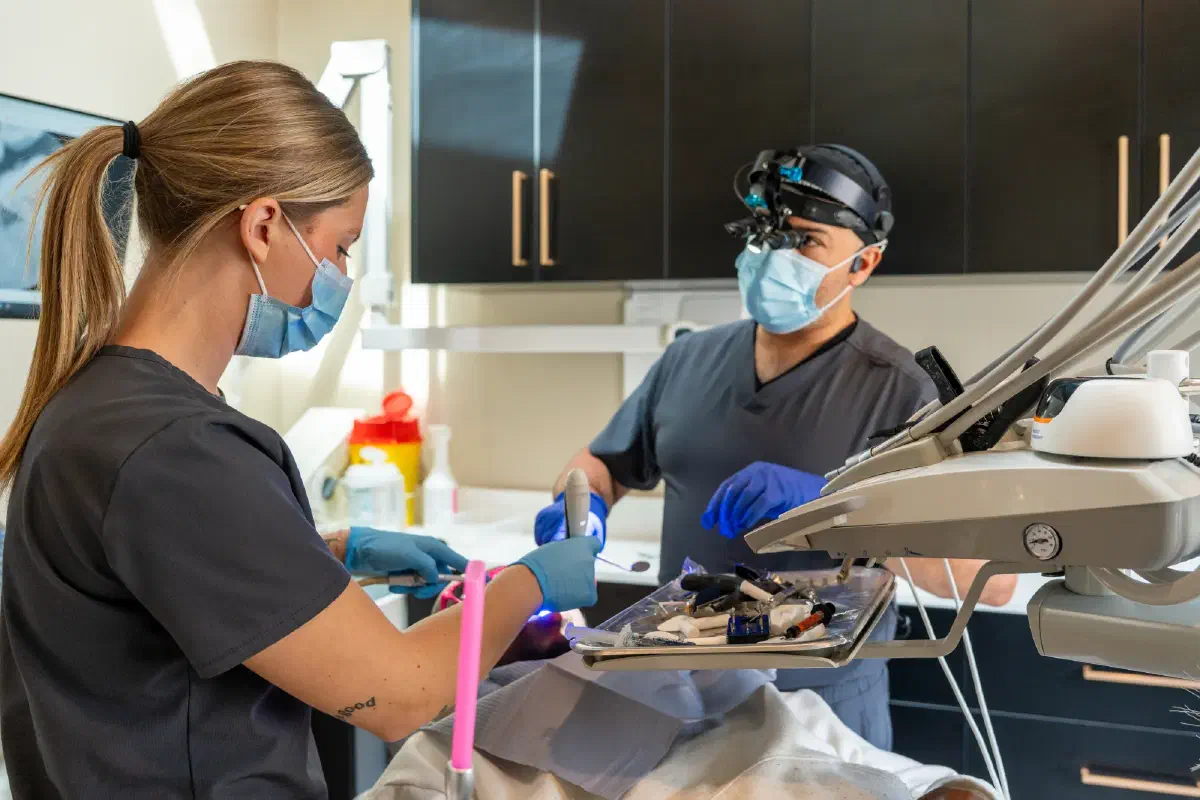
A Cookstown Dental Centre dentist and dental assistant caring for a patient

Good questions, clear answers

Questions are part of good care.

Clear, practical answers for new patients, families, emergencies, treatment decisions, and the financial side of dental care.

Request an appointment

Let’s find a time that works.

Need urgent dental help? Call (705) 291-2222.

Find your answer

Start with the topic on your mind.

Browse by topic or search all patient questions. If your situation is personal or urgent, call us so we can guide you appropriately.

Is this an urgent dental concern?

Call (705) 291-2222. For trouble breathing or swallowing, uncontrolled bleeding, major facial trauma, or another life-threatening emergency, call 911.

Patient FAQ library

Answers for real-life dental decisions.

Topic 01

Appointments & first visits

Start with the practical details for booking and preparing for care.

1 Are you accepting new patients?
Yes. Cookstown Dental Centre welcomes new patients. Call us or use the online booking form and our team will help you choose the most appropriate appointment type.
2 How do I book an appointment?
You can call 705-291-2222 or submit a request through our Book page. An online request is not confirmed until a member of our team contacts you.
3 What should I bring to my first appointment?
Bring photo identification, your dental insurance or CDCP information if applicable, a current medication list, and any relevant health or dental records you have. Arrive a few minutes early so there is time to complete or review your medical history.
4 What happens during a new-patient exam?
Your visit generally begins with a review of your dental concerns, goals, medical history, and medications. The dentist will examine your mouth and may recommend appropriate photographs or X-rays before discussing findings and next steps. The exact visit depends on your needs.
5 Will I receive treatment at my first visit?
A first visit is often focused on assessment and planning. Same-day treatment may be possible in some situations, but it depends on the care required, available time, your health history, and whether additional information is needed.
6 How long will my appointment take?
Appointment length varies by the type and complexity of care. When you book, our team can give you an expected time and let you know if you should plan for any additional steps.
7 What if I need to change or cancel my appointment?
Call the clinic as soon as you know your plans have changed. Early notice gives our team the best opportunity to adjust the schedule and offer the time to another patient.

Topic 02

Fees, insurance & CDCP

Understand estimates, benefits, and what you may need to pay.

1 Do you accept dental insurance?
Contact our team with your plan information and we can explain the clinic’s current claim process. Your insurance provider makes the final decision about eligibility, coverage limits, deductibles, and reimbursement.
2 Can you tell me exactly what my insurance will cover?
We can help you review an estimate, but only your insurer can confirm benefits. Coverage can vary by procedure, plan year, frequency limits, deductibles, annual maximums, and other policy rules.
3 Do you accept the Canadian Dental Care Plan (CDCP)?
Yes, Cookstown Dental Centre welcomes CDCP patients. Please bring your CDCP member information and confirm that your coverage is active before your appointment.
4 Does the CDCP make all dental treatment free?
Not necessarily. The CDCP pays toward eligible services at established plan fees, and some services require preauthorization. Depending on your coverage, the service, and the clinic fee, you may have a co-payment or an additional amount to pay. Review the current details on the official CDCP website.
5 Can I get a cost estimate before treatment?
Yes. After an appropriate examination and diagnosis, the team can prepare an estimate for recommended care. Estimates are helpful planning tools, but treatment needs or benefit decisions can sometimes change the final amount.
6 Why can’t you give every treatment price over the phone?
Dental treatment is personalized. The appropriate procedure, materials, number of appointments, and complexity may only become clear after an examination and any necessary diagnostic records.
7 Are payment plans available?
Ask our team about currently available payment options and the terms that apply. Availability, eligibility, approval, fees, and schedules can vary, so review the details before making a decision.

Topic 03

Checkups & everyday oral health

Straightforward guidance for maintaining a comfortable, healthy smile.

1 How often should I have a dental checkup and cleaning?
There is no single schedule that is right for everyone. Your recommended interval depends on your gum health, cavity risk, medical history, home care, previous treatment, and other individual factors.
2 Why do I need dental X-rays?
X-rays can reveal concerns that are not visible during a clinical examination, including decay between teeth, changes around roots, and bone levels. They are recommended only when the information is expected to help with diagnosis or treatment planning.
3 Is a dental cleaning the same as a dental exam?
No. A cleaning removes plaque, tartar, and stain, while an exam assesses your teeth, gums, bite, existing dental work, and other oral tissues. Many patients receive both, but each serves a different purpose.
4 How should I care for my teeth between visits?
Brush thoroughly twice a day and clean between your teeth every day using floss or another tool recommended for you. Limit frequent sugary snacks and drinks, avoid tobacco, and contact the clinic when a new symptom does not settle.
5 Is bleeding when I brush or floss normal?
Occasional minor bleeding can happen when you begin cleaning an inflamed area, but repeated bleeding should not be ignored. It may be associated with gingivitis, gum disease, technique, medication, or another concern, so arrange an assessment if it persists.
6 Why are my teeth sensitive?
Sensitivity can have several causes, including exposed root surfaces, worn enamel, cavities, cracks, grinding, gum recession, or recent dental treatment. Because the cause matters, ongoing or severe sensitivity is worth discussing with a dentist.
7 What causes bad breath that does not go away?
Persistent bad breath may be related to plaque, gum disease, dry mouth, decay, smoking, diet, or a medical issue. Good home care helps, but an examination is appropriate when the problem continues.

Topic 04

Treatment & recovery

Know what to ask before treatment and what to expect afterward.

1 Will dental treatment hurt?
The goal is to keep you as comfortable as possible. Local anesthetic is commonly used when needed, and your dentist can discuss comfort options based on the procedure, your health history, and your preferences. Tell the team if you feel discomfort at any point.
2 How long will numbness last after local anesthetic?
The duration varies with the anesthetic, treatment area, and individual response. Until normal feeling returns, be careful with hot foods and drinks and avoid biting your lip, cheek, or tongue.
3 Why might a tooth need a crown instead of a filling?
A crown may be recommended when a tooth has lost too much structure for a predictable filling, has a large existing restoration, is cracked, or needs protection after certain procedures. The dentist will explain the options and why one may suit the tooth better.
4 Does a root canal remove the tooth?
No. Root canal treatment removes infected or damaged tissue from inside the tooth, then the space is cleaned and sealed so the natural tooth can remain. A final restoration is often needed to protect and restore function.
5 Am I a candidate for dental implants?
Candidacy depends on your oral health, available bone, medical history, medications, smoking status, goals, and ability to maintain the implant. An examination and appropriate imaging are needed before a personalized recommendation can be made.
6 Can Invisalign or clear aligners work for everyone?
Clear aligners can address many alignment concerns, but they are not the best choice for every bite or every patient. Suitability depends on the tooth movements required, oral health, and the ability to wear aligners as directed.
7 What should I do if I have pain or swelling after treatment?
Follow the instructions provided for your procedure. Contact the clinic promptly if pain is severe, worsening, not controlled as expected, or accompanied by increasing swelling, fever, unusual bleeding, a rash, or another concerning symptom.

Topic 05

Anxiety, sedation & family care

Support for nervous patients, parents, and anyone who needs a gentler pace.

1 What if I am nervous or afraid of the dentist?
Tell us when you book and again when you arrive. The team can explain each step, agree on a pause signal, allow extra time when possible, and discuss comfort or sedation options that may be appropriate for you.
2 What sedation options are available?
Sedation options depend on the patient, procedure, medical history, and the clinic’s current services. A consultation is required to determine what is appropriate and to review preparation, escort, fasting, medication, and recovery instructions.
3 Will I need someone to drive me home after sedation?
Some forms of sedation require a responsible adult to accompany you, drive you home, and remain with you for a period afterward. Follow the specific instructions provided by the clinic; if an escort is required and unavailable, treatment may need to be rescheduled.
4 When should my child first visit a dentist?
A first visit is generally recommended within six months after the first tooth appears or by about one year of age. Early visits help parents establish good routines and allow developing concerns to be identified sooner.
5 How can I prepare my child for a dental visit?
Keep the explanation simple and positive, avoid sharing frightening stories, and present the visit as a normal part of staying healthy. Let the team know about previous experiences, sensory needs, or specific worries before the appointment.
6 Can you accommodate medical conditions or accessibility needs?
Please tell the clinic about mobility, communication, sensory, medical, or support needs when booking. The team can discuss available accommodations and plan the visit as appropriately as possible.

Topic 06

Dental emergencies

Act quickly when pain, injury, swelling, or bleeding cannot wait.

1 What counts as a dental emergency?
Severe or escalating pain, facial swelling, dental trauma, a knocked-out permanent tooth, uncontrolled oral bleeding, and signs of spreading infection require prompt attention. Call the clinic and describe exactly what happened and when it began.
2 What should I do for a severe toothache?
Call the clinic for an assessment as soon as possible. Use only pain medication that is safe for you and follow its label; do not place aspirin or another medication directly against the tooth or gum. A toothache needs diagnosis because medication alone may not address the cause.
3 What should I do if a permanent tooth is knocked out?
Handle the tooth by the crown, not the root. If it is visibly dirty, gently rinse it without scrubbing; if you cannot place it back in the socket safely, keep it in cold milk and seek dental care immediately. Do not try to reinsert a baby tooth.
4 What should I do if I chip or break a tooth?
Call the clinic promptly, even if the tooth does not hurt. Save any pieces you can find, rinse gently, and use a cold pack on the outside of the face if there is swelling. Avoid chewing on that side until the tooth is assessed.
5 When is facial swelling an emergency?
Dental swelling should be assessed promptly. Call 911 or go to a hospital emergency department if swelling affects breathing or swallowing, is rapidly spreading, involves the eye or neck, or occurs with severe illness or other life-threatening symptoms.
6 What if bleeding from my mouth will not stop?
Apply firm pressure with clean gauze or a clean cloth. If bleeding is heavy, follows major trauma, or does not stop with pressure, seek urgent medical care. Call 911 for uncontrolled or life-threatening bleeding.
7 What if the clinic is closed when I have an emergency?
If the concern can safely wait, leave a message and contact the clinic when it reopens. For trouble breathing or swallowing, uncontrolled bleeding, major facial trauma, or another life-threatening emergency, call 911 or go to the nearest emergency department.

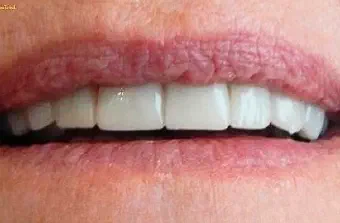
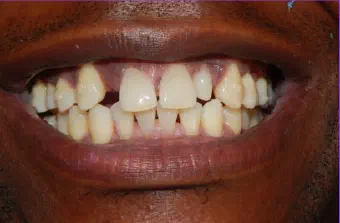
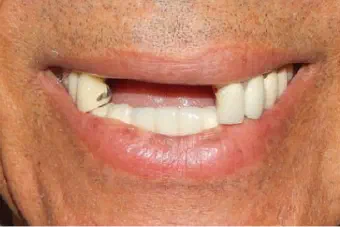
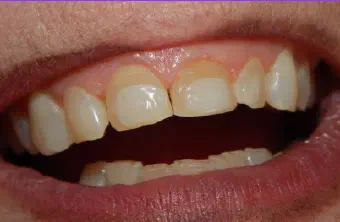
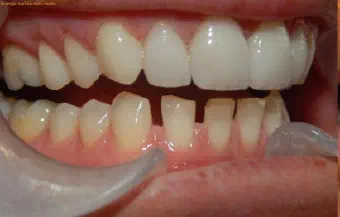
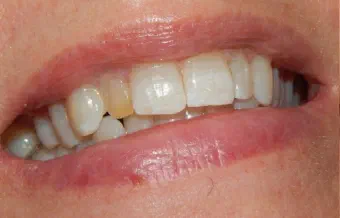
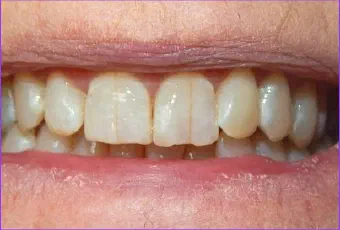
Real patient results

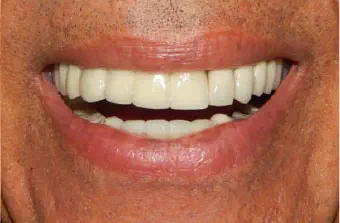
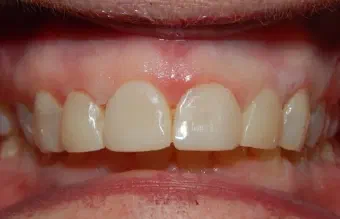
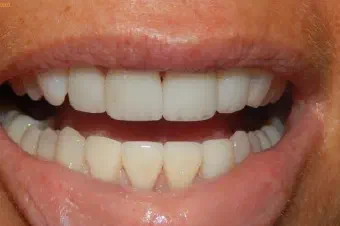
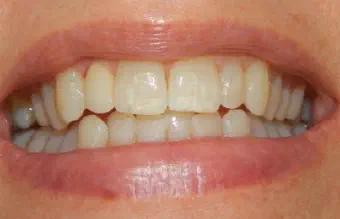
Before & after smile gallery.

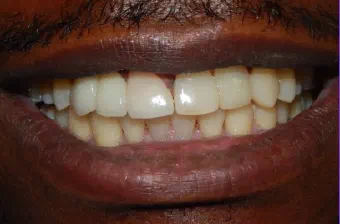
Drag the centre line to compare each real case treated by our dental team. Every smile begins with a personal assessment and a plan shaped around the patient.
Areas We Serve

Neighbourhood dental care, close to home.

Located in Cookstown, Innisfil, our dental team welcomes patients from communities across South Simcoe, Barrie, and northern York Region.

Get directions
  • Cookstown
  • Innisfil
  • Simcoe
  • Lake Simcoe
  • Alcona
  • Stroud
  • Lefroy–Belle Ewart
  • Gilford
  • Churchill
  • Sandy Cove
  • Innisfil Heights
  • Fennell’s Corners
  • Bradford
  • Bradford West Gwillimbury
  • Bond Head
  • Newton Robinson
  • New Tecumseth
  • Alliston
  • Beeton
  • Tottenham
  • Adjala–Tosorontio
  • Everett
  • Loretto
  • Barrie
  • Essa
  • Thornton
  • Baxter
  • Angus
  • Egbert
  • Ivy
  • Utopia
  • York Region
  • East Gwillimbury
  • Queensville
  • Holland Landing
  • Sharon
  • Schomberg
  • Nobleton

Don’t see your community listed? Contact us—we regularly welcome patients from throughout the surrounding region.

Google reviews

Kind words from our patients.

Read what patients have shared about their visits to Cookstown Dental Centre.

A dentist having a friendly consultation with a patient in a bright dental clinic

Your next step

Ready to feel good about your next dental visit?

Whether you are new to the clinic or returning for care, our team is here to make booking simple and answer your questions.

Call Book Now WhatsApp

How can we help?

The Cookstown Dental team is here for you.

Need an appointment, have a question, or want to talk through your options? Choose the next step that works best for you.

Send us a note

We’ll get back to you as soon as we can.