Cookstown Dental Centre
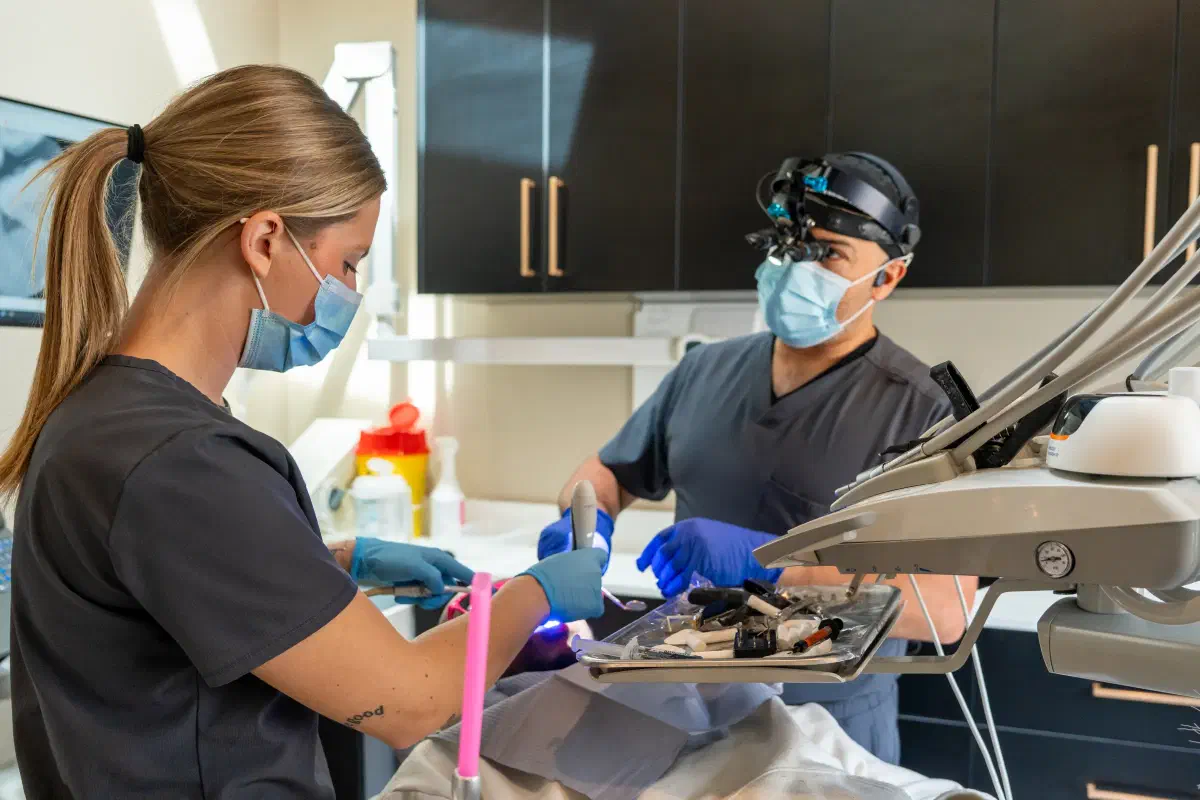
The Cookstown Dental Centre team caring for a patient in a treatment room

Restorative Dentistry · Cookstown

Rebuild damaged biting surfaces around a measured plan.

Bite reconstruction considers worn teeth, missing support, and uneven contacts. Explore records, staged restoration, trial changes, and long-term protection.

Request an appointment

Let’s find a time that works.

Need urgent dental help? Call (705) 291-2222.

Bite Reconstruction in Cookstown

A reconstruction should respond to documented damage and function.

A bite can become difficult to restore when several teeth are worn, broken, missing, or heavily repaired. Bite reconstruction considers how those teeth work together and whether a coordinated restorative approach is appropriate. It is not a diagnosis by itself, and it should not be offered as a universal explanation or cure for headaches, jaw pain, or a smile that looks uneven.

At Cookstown Dental Centre, we assess the damage, remaining support, and the concerns that affect daily eating or comfort. Some situations can be managed with selected repairs, while others need broader planning or specialist input. The proposal should explain which teeth need treatment, whether any change in their contacts is intended, and how that change will be evaluated before a larger commitment is made.
A dentist and patient reviewing upper and lower tooth models on an articulator

A closer look

Define the problem before designing a new bite.

The reason for reconstruction should be understandable without relying on a technical label.

  1. Loss of tooth structure

    Wear, fractures, or repeated restoration failure may leave surfaces that are difficult to rebuild independently. The dentist assesses the pattern and likely contributing factors. A coordinated plan should explain why isolated repairs would be insufficient and how the proposed work preserves remaining structure wherever that is reasonable.

  2. Missing or compromised support

    Missing teeth and weakened restorations can affect the distribution of contacts and available treatment options. The condition of each potential supporting tooth matters. A replacement should be planned within the whole arrangement rather than chosen only because it fills the most visible space or looks attractive on a model.

  3. Symptoms and the limits of the diagnosis

    Describe discomfort, chewing limitations, and changes in the way teeth meet. Jaw symptoms may need assessment beyond the teeth and are not proof that a reconstruction is necessary. The clinician should distinguish an identified restorative problem from symptoms whose cause or likely response remains uncertain.

Planning together

Collect information that makes the proposal reviewable.

A broader treatment plan deserves records and explanations that support each major decision.

Clinical and imaging findings

The dentist assesses teeth, gums, restorations, and relevant bite relationships, with imaging where it answers a clinical question. Existing records can help identify progression. The plan should be based on the actual condition rather than an assumption that every worn mouth has lost the same amount of height or function.

Your priorities and practical limits

Discuss which concerns matter most, how much treatment you are prepared to undertake, and your appointment and budget constraints. A reconstruction may be staged, but the sequence needs clinical reasoning. Your preferences help compare options without turning a complex plan into a package that treats every tooth by default.

Coordination between providers

Periodontal, orthodontic, endodontic, surgical, or prosthodontic input may be useful depending on the findings. Clarify who coordinates the overall result. Separate procedures should support a shared endpoint rather than leave you responsible for reconciling different recommendations or deciding when one stage is ready for the next.

Understanding the options

Compare the scope, not just the material.

A smaller intervention and a comprehensive plan may be aiming at different outcomes.

Selected repair and monitoring

When damage is limited or stable, focused restoration and prevention may be reasonable. The dentist explains what this would achieve and what would remain unchanged. A less extensive choice should still address significant disease and have a review plan rather than simply postpone an unresolved problem without explanation.

Coordinated reconstruction

More extensive work may be appropriate when several areas depend on one another for a usable result. Discuss the purpose of each restoration, preparation required, and alternatives. The choice of ceramic, composite, or another material is only one part of the decision; design, support, maintenance, and the original cause also matter.

The appointment

Use staged decisions where the case calls for them.

The sequence should allow clinical findings and your experience to inform the next step.

  1. Stabilize disease and urgent problems

    Decay, gum concerns, pain, and failing temporary work may need attention before definitive reconstruction. The clinician explains the priorities and any interim measures. Starting with a stable foundation helps avoid designing a final result around teeth or tissues whose prognosis has not yet been clarified.

  2. Evaluate proposed changes

    Models, digital planning, mock-ups, or provisional restorations may be used where appropriate to assess aspects of the proposal. Their role and limits should be clear. A preview is not a guarantee, and any trial should have defined observations and review points rather than an unexplained assumption that adaptation proves every feature is correct.

  3. Complete and reassess the restorations

    Definitive work is checked for fit, contacts, appearance, and the agreed functional goals. The dentist explains how the stages are coordinated and what symptoms need review. If a contact feels wrong or a restoration repeatedly fails, the cause should be assessed rather than accepted as an inevitable part of a large treatment.

Practical guidance

Make maintenance part of the original decision.

A reconstructed bite remains dependent on natural tissues, restorative materials, and daily care.

Protect against the contributing factors

If acid exposure, grinding, or other factors contributed to damage, the plan should address their management where possible. An appliance may be recommended in selected cases, but it is not a guarantee against every fracture. Prevention and monitoring support the restoration instead of being treated as optional finishing details.

Plan reviews and future repairs

Ask how the work will be checked and what repair or replacement might involve. Maintain cleaning around margins and replacement teeth. Extensive reconstruction can create a continuing maintenance commitment, so understanding that commitment is essential when comparing it with a more limited approach.

Frequently asked questions

Questions about bite reconstruction

Is bite reconstruction the same as a full-mouth rehabilitation?

Bite reconstruction concentrates on rebuilding damaged biting surfaces so they can work together. It may form one part of a full-mouth rehabilitation, which can also address missing teeth, gum health, and other needs. Your written plan should identify the actual work involved.

Will every tooth need a crown?

Not necessarily. The condition of each tooth and the coordinated plan determine treatment. Some teeth may be left alone or restored more conservatively. A recommendation for broad coverage should explain why that preparation is justified and what alternatives were considered.

Can reconstruction cure jaw pain?

That should not be promised. Jaw pain has several possible causes and may need a separate assessment. The dentist should explain the restorative findings and distinguish intended changes to teeth from symptom benefits that cannot be assured.

Do worn teeth always mean my bite has collapsed?

No. Wear patterns and adaptation vary. The clinician needs to assess the current relationship and available records before proposing a change. A visual impression of short teeth is not enough to establish the amount or direction of reconstruction required.

Can treatment be completed in phases?

Often staging can be discussed, but the order matters because restorations may depend on one another. Ask which phases can stand independently and how temporary function is maintained. A payment or scheduling preference should be coordinated with a clinically workable sequence.

What is a provisional restoration used for?

It can protect teeth and, in suitable plans, help evaluate selected aspects of a proposed result before definitive work. Its purpose, care, and review criteria should be explained. It does not guarantee that every later restoration will behave identically.

How do I protect the result if I grind my teeth?

Discuss the grinding history and any appropriate protective appliance or other management. Continue reviews for wear, fractures, and fit. No restoration or nightguard makes failure impossible, so protection should be paired with realistic maintenance expectations.

Real patient results

Before & after smile gallery.

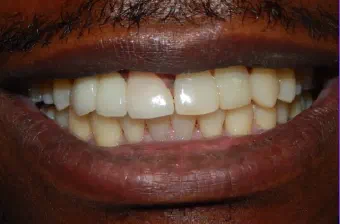
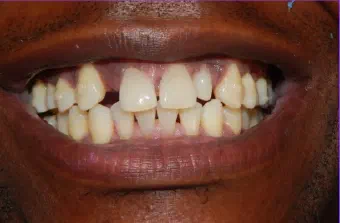
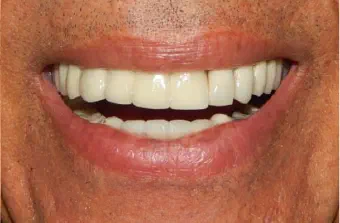
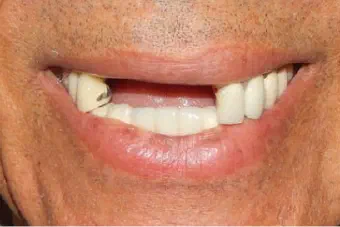
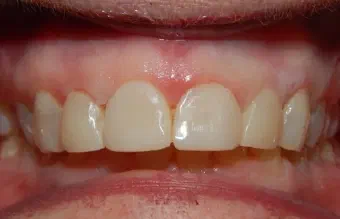
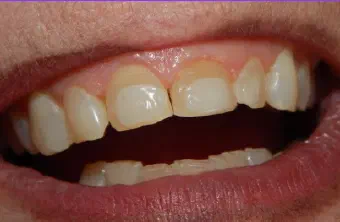
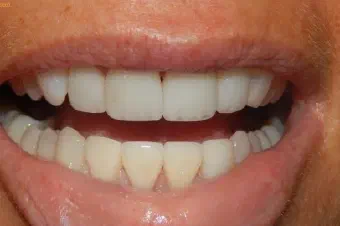
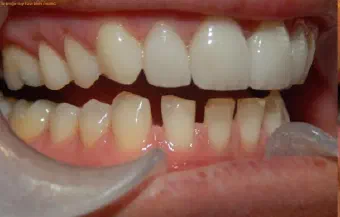
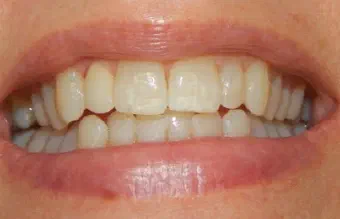
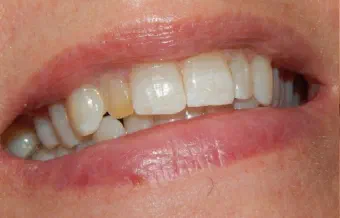
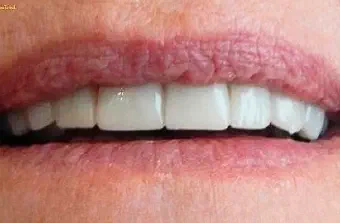
Drag the centre line to compare each real case treated by our dental team. Every smile begins with a personal assessment and a plan shaped around the patient.

Areas We Serve

Neighbourhood dental care, close to home.

Located in Cookstown, Innisfil, our dental team welcomes patients from communities across South Simcoe, Barrie, and northern York Region.

Get directions
  • Cookstown
  • Innisfil
  • Simcoe
  • Lake Simcoe
  • Alcona
  • Stroud
  • Lefroy–Belle Ewart
  • Gilford
  • Churchill
  • Sandy Cove
  • Innisfil Heights
  • Fennell’s Corners
  • Bradford
  • Bradford West Gwillimbury
  • Bond Head
  • Newton Robinson
  • New Tecumseth
  • Alliston
  • Beeton
  • Tottenham
  • Adjala–Tosorontio
  • Everett
  • Loretto
  • Barrie
  • Essa
  • Thornton
  • Baxter
  • Angus
  • Egbert
  • Ivy
  • Utopia
  • York Region
  • East Gwillimbury
  • Queensville
  • Holland Landing
  • Sharon
  • Schomberg
  • Nobleton

Don’t see your community listed? Contact us—we regularly welcome patients from throughout the surrounding region.

Google reviews

Kind words from our patients.

Read what patients have shared about their visits to Cookstown Dental Centre.

A dentist having a friendly consultation with a patient in a bright dental clinic

Your next step

Ready to feel good about your next dental visit?

Whether you are new to the clinic or returning for care, our team is here to make booking simple and answer your questions.

Call Book Now WhatsApp

How can we help?

The Cookstown Dental team is here for you.

Need an appointment, have a question, or want to talk through your options? Choose the next step that works best for you.

Send us a note

We’ll get back to you as soon as we can.