
Place the scaffold
Grafting material is positioned where additional support is needed.
Clinic hours
Plan your visit
Dental services
Explore bone grafting as part of a personalized plan for restoring oral structure and supporting future care.
Request an appointment
Bone Grafting near you
If your jaw needs additional support before an implant or another restorative treatment, bone grafting may be an important first step. Bone can change after tooth loss, gum disease, extraction, infection, or injury.
Cookstown Dental Centre provides personalized bone grafting care in Cookstown, Innisfil, using modern diagnostics and thoughtful planning to help create a healthier foundation for your smile.

A strong foundation matters
Healthy bone helps support future restorative care.
What is Bone Grafting?
Bone grafting places a carefully selected material in an area of the jaw that needs more volume or support. The material acts as a scaffold, giving the body a framework around which new bone can form as the site heals.
The goal may be to preserve the ridge after an extraction, rebuild an area affected by bone loss, or create better support for future treatment such as a dental implant. It can also help maintain the natural contours of the jaw.
Every patient is different. A consultation and diagnostic imaging help determine whether grafting is appropriate, how much support is needed, and how it fits into the complete treatment plan.
Grafting material is positioned where additional support is needed.
A membrane and sutures may be used to keep the area stable while healing begins.
Over time, the body remodels the area and develops stronger supporting bone.
Why might you need Bone Grafting?
Without enough healthy bone, placing an implant in the right position or completing other restorative care may be more challenging. Grafting improves support only where assessment shows it is needed.
The ridge can gradually shrink after it no longer supports a tooth root.
Inflammation can damage the bone that once supported the teeth.
Socket preservation may help limit changes after selected extractions.
An accident can affect both a tooth and its surrounding bone.
Bone may be lost where a chronic infection has affected the root area.
Some areas are naturally narrower or shallower than a proposed restoration requires.
Not everyone receiving an implant needs a graft. Digital X-rays and, when appropriate, three-dimensional imaging help us measure the available bone and plan the most suitable approach.
Benefits of Bone Grafting
Potential benefits depend on the location, amount of bone loss, healing response, and the restoration being planned.
Adds a scaffold in areas where bone support has been reduced.
Can help create the width or height needed for appropriate implant planning.
Helps support the natural form of the jaw and overlying gum tissues.
Works with the body's healing response as new bone forms and matures.
Strengthens a selected area for the restorative work being considered.
Creates a deliberate foundation before moving to the next treatment phase.
What to expect during treatment
The exact technique and timing depend on the size and location of the area being rebuilt and whether another procedure is completed at the same visit.
We review your oral and medical history, examine the site, and use digital imaging to understand bone dimensions and surrounding structures.
We explain why grafting is being considered, the material and technique recommended, alternatives, expected timing, fees, and the next restorative stage.
The area is numbed and grafting material is placed where support is needed. A protective membrane may be used, and the gum is closed with sutures.
Scheduled follow-ups allow us to assess the soft tissues and bone development. Imaging helps determine when the site is ready for future treatment.
Healing and follow-up
Initial gum healing takes place first, while the deeper graft generally matures over several months. Timing varies with graft size, location, health, healing response, and the planned next stage.
First days
Protect the clot and graft, manage expected tenderness and swelling, and follow medication directions.
Early weeks
The gum tissue closes and settles while follow-up visits check the surgical site.
Following months
The graft remodels and bone matures beneath the healed tissue before final assessment.
Caring for the graft
Modern technology and experienced care
Successful treatment begins with careful assessment. At Cookstown Dental Centre, modern diagnostic imaging helps us evaluate the jaw, nearby teeth, and important surrounding anatomy before creating a personalized plan.
Dr. Anwar Khalid and our dental team provide patient-focused care with attention to detail. We explain the purpose of the graft, recommended materials, expected healing period, alternatives, and how the procedure connects to your long-term restorative goals.
Understanding the cost of Bone Grafting
Fees depend on the location and amount of bone needed, graft material and membrane, diagnostic imaging, sedation when applicable, and whether extraction or another treatment is completed at the same time.
Following your consultation, our team will provide a personalized treatment plan and detailed estimate so you can understand the proposed stages before care begins.
Area
Size and location
Materials
Graft and membrane
Planning
Imaging and complexity
Care
Sedation or added procedures
Why choose Cookstown Dental Centre?
Choosing the right dental team can shape the entire treatment experience. We provide comprehensive restorative care in a welcoming environment and help patients make informed decisions about their oral health.
Build a stronger foundation for your smile
A personalized evaluation can show how much bone is present, whether grafting is recommended, and what your complete treatment sequence may involve.
Frequently asked questions
The site, graft size, health history, and future restoration determine the most accurate answers for your care.
Bone grafting places a scaffold-like material in an area of the jaw where bone has been lost. As healing progresses, the body forms and remodels bone around that framework to improve local support.
It may be recommended after bone loss from missing teeth, gum disease, infection, extraction, or injury, or when additional bone is needed to support a planned dental implant.
The gums heal before the deeper graft fully matures. Bone development commonly requires several months, but timing varies with graft type, size, location, health, and healing response. Follow-up findings determine readiness for the next stage.
No. Many patients have sufficient bone without grafting. Your examination and imaging show whether more support is recommended for the planned implant position.
Follow the written instructions from your dental team, protect the site from pressure, maintain the advised oral hygiene, avoid smoking and vaping, choose appropriate foods, and attend every follow-up visit.
Schedule a consultation. Once the site, amount of bone, material, imaging, sedation needs, and any related procedures are known, we can provide a personalized treatment plan and detailed estimate.
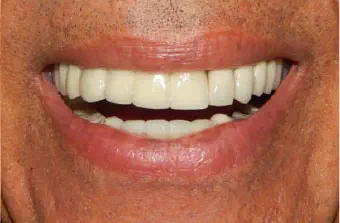
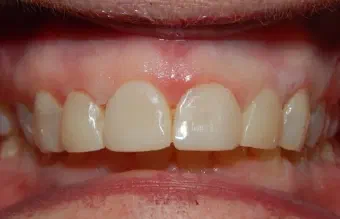
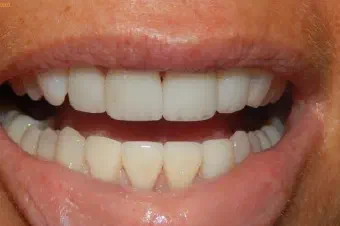
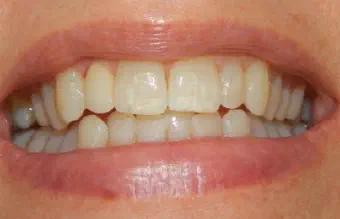
Real patient results
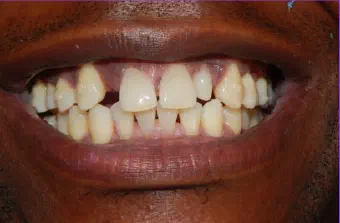
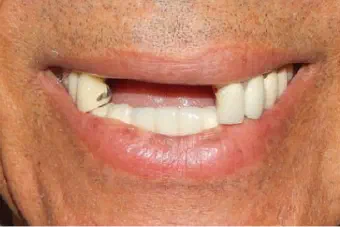
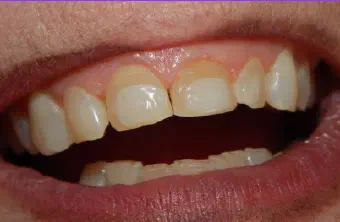
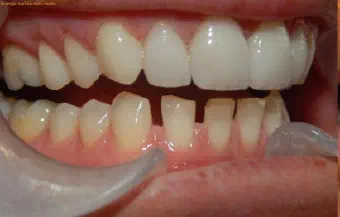
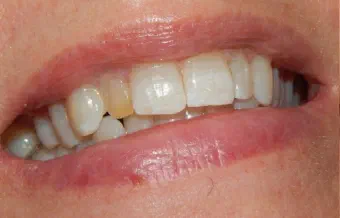
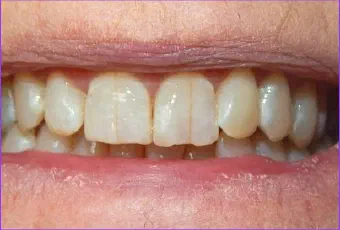
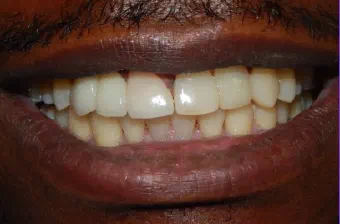
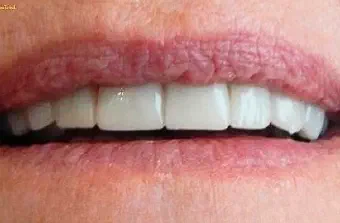
Drag the centre line to compare each real case treated by our dental team. Every smile begins with a personal assessment and a plan shaped around the patient.
Areas We Serve
Located in Cookstown, Innisfil, our dental team welcomes patients from communities across South Simcoe, Barrie, and northern York Region.
Don’t see your community listed? Contact us—we regularly welcome patients from throughout the surrounding region.
Google reviews
Read what patients have shared about their visits to Cookstown Dental Centre.

Your next step
Whether you are new to the clinic or returning for care, our team is here to make booking simple and answer your questions.