Cookstown Dental Centre
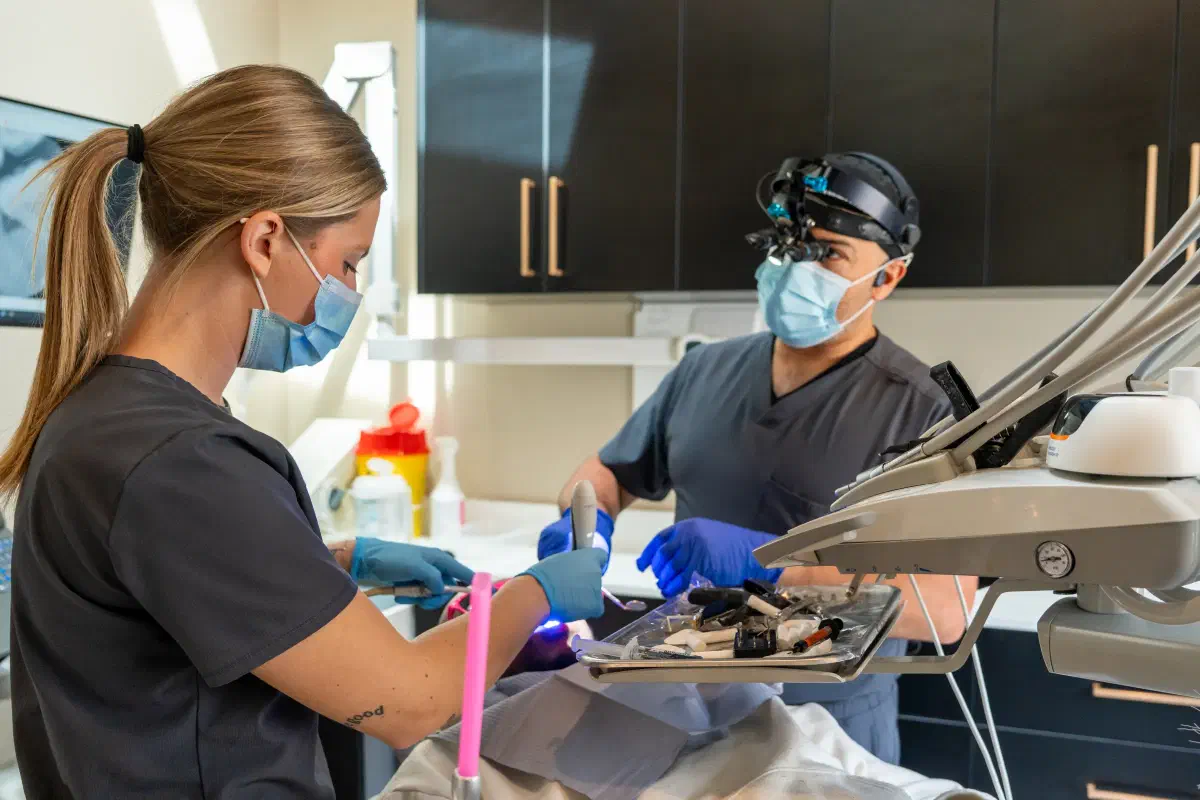
The Cookstown Dental Centre team caring for a patient in a treatment room

General & Family Dentistry · Cookstown

A three-dimensional view, for a specific clinical question.

Learn when CBCT imaging may support dental planning, how a scan differs from routine X-rays, and what to discuss before your appointment.

Request an appointment

Let’s find a time that works.

Need urgent dental help? Call (705) 291-2222.

CBCT 3D Dental Scans in Cookstown

More detail is useful when it changes the plan.

CBCT stands for cone beam computed tomography. It creates a three-dimensional view of teeth and surrounding bony structures using X-rays. Your dentist may recommend it when an examination and conventional images leave an important question unanswered. It is a diagnostic tool used for selected situations, rather than a routine upgrade that everyone needs at a checkup.

Cookstown Dental Centre uses CBCT technology as part of appropriate assessment and treatment planning. Before a scan, ask what the dentist needs to understand, how the result could influence your care, and whether existing images are sufficient. A useful imaging decision considers the expected benefit, radiation exposure, and the information already available.

A dentist explaining a three-dimensional jaw image on a monitor

Two parts of the picture

Different images answer different questions.

The best choice depends on the problem being assessed. More dimensions do not automatically make one examination the right choice for every patient.

Conventional dental X-rays

Two-dimensional images can provide valuable information about teeth and their supporting structures. They are often the appropriate starting point. Your dentist considers the examination and previous records before choosing a view. A CBCT scan does not remove the need for other images when those images answer a different question.

A CBCT scan

Three-dimensional information can help assess selected implant sites, complex tooth positions, or other situations where the relationship between structures matters. The scan must be interpreted in context. A detailed image alone does not establish that a particular treatment is suitable or guarantee its outcome.

What matters most

Start with what the dentist needs to know.

The reason for imaging should be understandable without needing to interpret the scan yourself. Ask the team to explain the clinical question in everyday language.

Planning around important anatomy

In some cases, the position of bone, roots, or nearby anatomical structures affects treatment choices. A scan can help the clinician assess those relationships. You can ask which part of the proposed plan depends on the result and whether different findings would change the procedure, referral, or options available to you.

Clarifying an unresolved finding

A symptom or an unusual appearance on another image may justify further investigation. The dentist should explain what remains uncertain and why a three-dimensional view could help. Not every unexplained symptom calls for CBCT, and some concerns need a different kind of assessment.

Avoiding unnecessary duplication

Tell us about recent dental or hospital imaging and where it was taken. Sharing records may reduce repeat examinations when the images are suitable. An older scan may not answer a new question, so the decision depends on its date, quality, coverage, and the current clinical situation.

Your care, step by step

What happens around your scan.

Preparation and image review are part of the appointment, even when the actual image acquisition is brief. Confirm the expected appointment length with the team.

  1. Confirm the purpose and preparation

    Review your health information and tell the team if you are pregnant or might be pregnant. Mention difficulties staying still, standing, or positioning your head. The team will explain the setup and any items that need to be removed from the head and neck area.

  2. Position carefully and keep still

    The scanner moves around your head while images are captured. Follow the operator’s instructions and ask for clarification before it starts. If you cannot comfortably maintain the requested position, say so. Movement can affect image quality, so planning for comfort helps avoid an unhelpful examination.

  3. Discuss interpretation and next steps

    The scan needs professional review; a colourful rendering on a screen is not the whole report. Ask who will interpret it, how findings will be explained, and when you can expect the next conversation. Some findings may need additional review or a specialist opinion before decisions are made.

Careful decisions

Radiation needs a reason.

CBCT uses ionizing radiation and generally involves more exposure than conventional dental X-rays. Selection should be individualized, particularly for children.

Match the examination to the question

The clinician chooses an appropriate imaging approach and area to examine. You can ask about the benefit and alternatives without feeling that you are delaying your care. The aim is useful diagnostic information with an appropriate protocol, rather than the largest possible scan for every patient.

Understand the limits

Metal restorations, movement, and other factors can affect images. CBCT also has limitations for soft-tissue assessment. A result may clarify one issue while leaving another question open. Your dentist will combine imaging with the examination, history, and other findings rather than relying on the scan alone.

Frequently asked questions

Your questions about cbct 3d dental scans.

Is CBCT the same as a digital impression?

No. CBCT uses X-rays to examine internal structures in three dimensions. A digital impression records the visible surfaces of teeth and gums with an optical scanner. The names can sound similar, so ask which type of scan is proposed and what information it is intended to collect.

Does everyone considering an implant need the same scan?

Imaging is selected for the individual treatment question. The dentist reviews your anatomy, examination, and existing records before deciding what is required. Ask how the proposed scan supports your planning and whether another clinician involved in treatment has already arranged suitable imaging.

Will the scan hurt?

You do not feel the X-rays. The main practical requirement is usually maintaining the position requested by the operator. Tell the team about neck pain, balance, mobility, or anxiety before the appointment so the setup can be discussed rather than discovered only after you arrive.

Do I need to fast?

Do not assume that fasting is required for imaging alone. Confirm the preparation for your actual appointment, especially if another procedure or sedation is also planned. Continue following your medical instructions and ask the clinic if you receive conflicting advice from different appointments.

Can I have a scan during pregnancy?

Tell the dentist about pregnancy or possible pregnancy before imaging. The decision depends on the clinical need, alternatives, and the question being investigated. A scan should not be ordered casually, but a necessary assessment should be discussed individually rather than automatically deferred without considering your symptoms.

Can I take the images to another dentist?

Ask about the process for sharing images and any associated report. A receiving clinician may need the original data in an appropriate format rather than a screenshot. Confirm where the records should go and whether the receiving office has everything needed before a consultation.

Will I get a diagnosis immediately?

Not necessarily. Image acquisition, interpretation, and treatment planning are separate steps. The team can explain when results will be available and whether further review is needed. Ask how you will hear about the findings and what to do if your symptoms change while waiting.

Real patient results

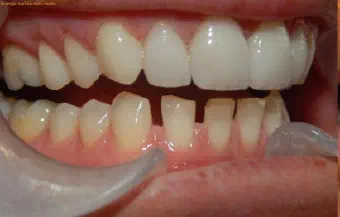
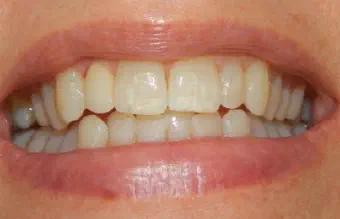
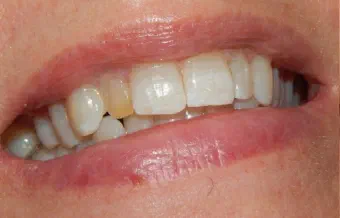
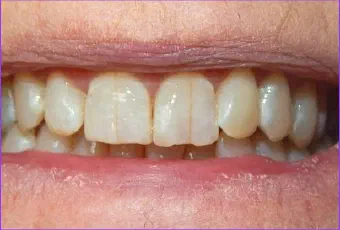
Before & after smile gallery.

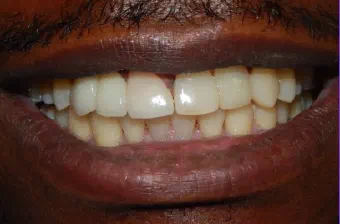
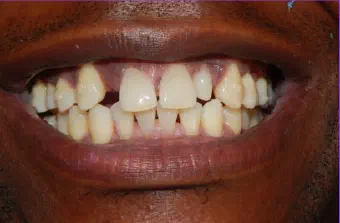
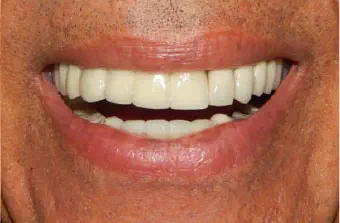
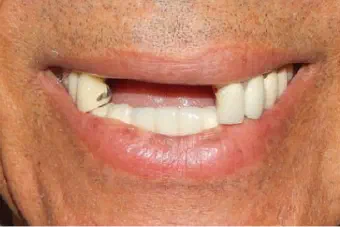
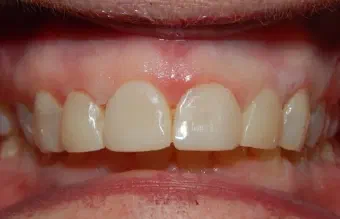
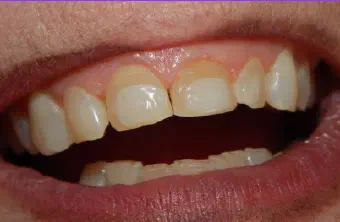
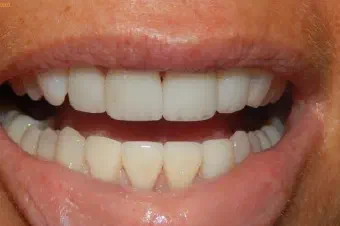
Drag the centre line to compare each real case treated by our dental team. Every smile begins with a personal assessment and a plan shaped around the patient.

Areas We Serve

Neighbourhood dental care, close to home.

Located in Cookstown, Innisfil, our dental team welcomes patients from communities across South Simcoe, Barrie, and northern York Region.

Get directions
  • Cookstown
  • Innisfil
  • Simcoe
  • Lake Simcoe
  • Alcona
  • Stroud
  • Lefroy–Belle Ewart
  • Gilford
  • Churchill
  • Sandy Cove
  • Innisfil Heights
  • Fennell’s Corners
  • Bradford
  • Bradford West Gwillimbury
  • Bond Head
  • Newton Robinson
  • New Tecumseth
  • Alliston
  • Beeton
  • Tottenham
  • Adjala–Tosorontio
  • Everett
  • Loretto
  • Barrie
  • Essa
  • Thornton
  • Baxter
  • Angus
  • Egbert
  • Ivy
  • Utopia
  • York Region
  • East Gwillimbury
  • Queensville
  • Holland Landing
  • Sharon
  • Schomberg
  • Nobleton

Don’t see your community listed? Contact us—we regularly welcome patients from throughout the surrounding region.

Google reviews

Kind words from our patients.

Read what patients have shared about their visits to Cookstown Dental Centre.

A dentist having a friendly consultation with a patient in a bright dental clinic

Your next step

Ready to feel good about your next dental visit?

Whether you are new to the clinic or returning for care, our team is here to make booking simple and answer your questions.

Call Book Now WhatsApp

How can we help?

The Cookstown Dental team is here for you.

Need an appointment, have a question, or want to talk through your options? Choose the next step that works best for you.

Send us a note

We’ll get back to you as soon as we can.