Cookstown Dental Centre
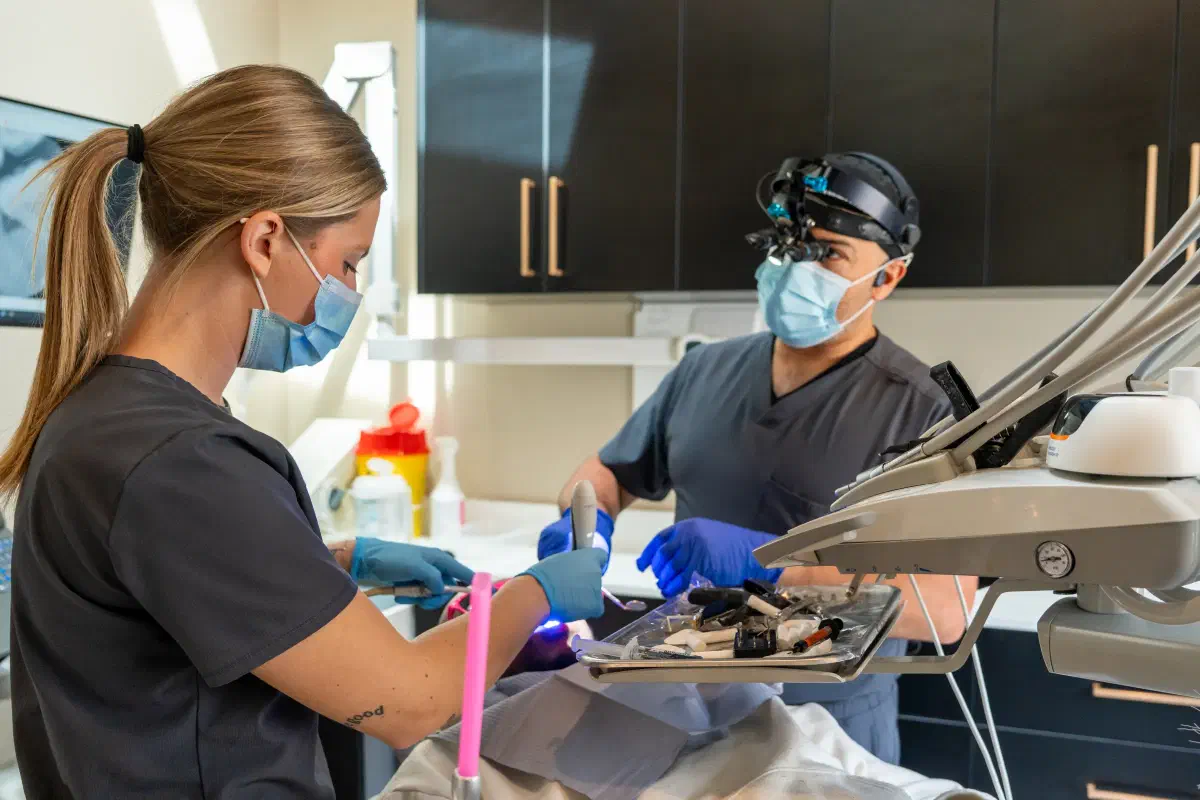
The Cookstown Dental Centre team caring for a patient in a treatment room

Children’s Dentistry · Cookstown

A clear plan when your child has a cavity.

Understand children’s cavity treatment, from assessing early changes to choosing a filling, crown, or referral when more support is needed.

Request an appointment

Let’s find a time that works.

Need urgent dental help? Call (705) 291-2222.

Children’s Cavity Treatment in Cookstown

Treat the tooth and understand what comes next.

Finding a cavity can bring a lot of questions: does it need a filling, will the appointment hurt, and does a baby tooth really need treatment? The answer depends on the tooth, how far the decay has progressed, and your child’s comfort and development. A cavity is a reason to make a plan, not a reason to blame yourself or your child.

At Cookstown Dental Centre, we explain the findings in plain language and discuss suitable options before treatment begins. We also look at the daily circumstances around the cavity, such as difficult brushing areas or frequent snacks. Repairing a tooth and reducing the chance of another problem belong in the same conversation, with a pace and approach your family can understand.

A dentist discussing a tooth model with a child and parent before cavity treatment

Understanding the options

The right treatment depends on the tooth.

Children do not all need the same repair. The depth of a lesion, remaining tooth structure, and health of the nerve affect what can reasonably be recommended.

Early changes without a hole

Some early enamel changes can be managed with a preventive plan and monitoring rather than a filling. The dentist first checks whether the surface is intact and whether the area is active. If this approach fits, ask how progress will be measured and when the tooth should be reviewed.

A cavity that needs repair

When a tooth has a cavity that requires restoration, a filling may be appropriate. A more extensively damaged baby tooth may need a crown instead. We discuss why one option suits the tooth better, what the appointment involves, and the limitations of trying to repair too little remaining tooth structure.

A deeper or infected tooth

Decay near or within the pulp may call for pulp treatment, removal, or specialist care. Pain alone cannot tell you which treatment is needed. The examination and any necessary imaging help establish the diagnosis, and we explain why preserving a tooth may or may not be a realistic option.

Step by step

From the first concern to a treatment plan.

Tell us about pain or swelling when you call. That information helps us decide how urgently your child needs assessment and what the first appointment should address.

  1. Understand the symptoms

    Describe when discomfort started, what triggers it, and whether it affects sleep or eating. Mention swelling, a broken filling, or a previous injury. Bring a medicine and allergy list. These details help the dentist distinguish between a routine concern and a problem that needs more immediate attention.

  2. Review the findings together

    We show you which tooth is involved and explain any recommended X-rays. You can ask about the expected lifespan of the baby tooth and the purpose of treatment. Discuss costs and scheduling before deciding, including whether care may need to be divided into appointments or provided in another setting.

  3. Prepare your child for care

    We describe sensations in age-appropriate language and discuss ways to signal a pause. Local anaesthetic or other support may be considered according to the treatment and your child’s needs. If care cannot be completed safely or comfortably here, we discuss referral rather than forcing an unsuitable appointment.

Good to know

After a repair, know what to watch for.

Your child’s instructions depend on the treatment performed. Ask for clarification before leaving, particularly about eating, numbness, and symptoms that should prompt another call.

Protect a numb lip or cheek

If local anaesthetic was used, supervise your child until sensation returns and follow the eating instructions provided. Children may chew or suck a numb area without realizing they are injuring it. Explain that the strange feeling is temporary and contact us if you are uncertain about recovery.

Notice the bite and comfort

Tell us if the repaired tooth feels unusually high, your child avoids chewing on that side, or discomfort is increasing. A new restoration sometimes needs review. Do not assume persistent pain is something a child simply has to tolerate; the pattern and duration are useful information for reassessment.

Keep the follow-up plan

A repair does not remove every factor that contributed to decay. Keep the recommended review and discuss brushing, fluoride, and snack routines. If there are other teeth to treat, confirm their order of priority so a comfortable first appointment does not leave the remaining plan unclear.

Care that fits

Make prevention specific to your child.

Useful advice should fit school, home, and the person helping with brushing. We choose manageable priorities rather than expecting a completely new routine overnight.

Find the difficult spots

Ask us to point out where plaque is collecting or where teeth touch closely. A parent may need to help with brushing and cleaning between teeth even when a child wants independence. Practise the technique together so you know what successful cleaning should look and feel like.

Look at the whole day

Talk through drinks, snacks, lunchboxes, bedtime, and medicines that may affect oral health. The frequency of exposure can matter as much as the food itself. We can help identify one or two practical adjustments while respecting allergies, sensory preferences, and the realities of your family’s schedule.

Review protection over time

Ask whether fluoride or sealants could be useful for other vulnerable teeth. Those choices depend on individual findings and do not replace daily cleaning. At future visits, we can reassess what is working and revise the plan as new adult teeth appear and your child becomes more independent.

Frequently asked questions

Questions about children’s cavity treatment

Do baby teeth with cavities need treatment?

Often they do, because baby teeth may still be needed for eating and holding space for years. The dentist considers the tooth’s condition and expected timing of tooth loss. Waiting simply because it is a baby tooth can allow pain or infection to develop.

Can every cavity be fixed with a filling?

No. The amount of damage, location, and pulp health affect the options. A small repair may suit one tooth while another needs a crown or different treatment. The recommendation should be based on an examination, with the alternatives explained clearly.

Can a cavity stop progressing without drilling?

Certain early, non-cavitated changes may respond to preventive care and close monitoring. An established hole or deeper damage may need a different approach. Do not rely on appearance or lack of pain to decide; ask the dentist to assess the specific tooth.

Will treatment be painful?

We discuss comfort measures before starting, including local anaesthetic where appropriate. Children vary in how they respond to unfamiliar sensations. Tell us about previous experiences and agree on a pause signal so the team can respond throughout the appointment.

What if my child cannot manage the procedure?

Let us know about anxiety, sensory needs, or previous difficult visits. We can discuss preparation and appropriate support. Some children or treatment needs are better suited to specialist care, and a referral may be recommended after assessment.

Is swelling an urgent problem?

Yes. Call promptly about dental swelling, especially with fever or worsening pain. Difficulty breathing or swallowing, rapidly spreading facial swelling, or a child who appears seriously unwell needs immediate emergency medical care. Do not wait for a routine filling appointment.

How much will cavity treatment cost?

The cost depends on the number of teeth, type of repair, and any additional care needed. Ask for a treatment estimate after the examination and check benefit coverage separately. We can discuss the order of recommended care before you commit.

Real patient results

Before & after smile gallery.

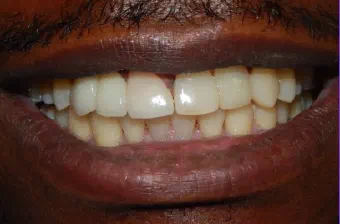
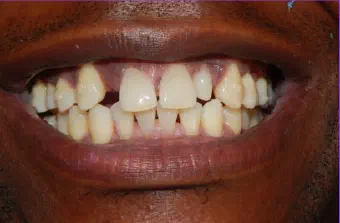
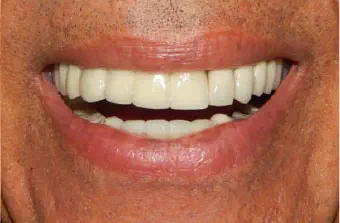
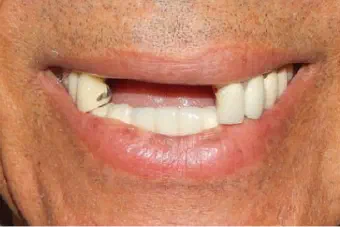
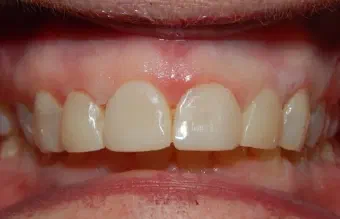
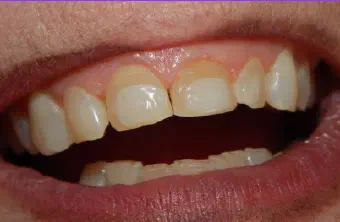
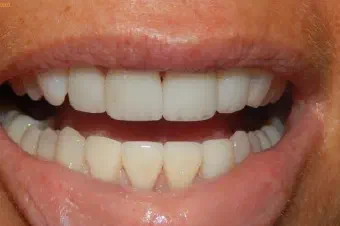
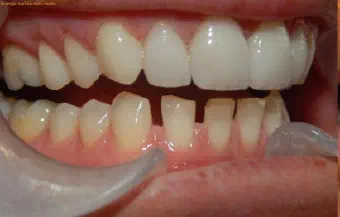
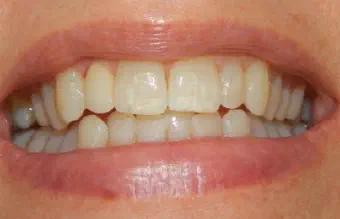
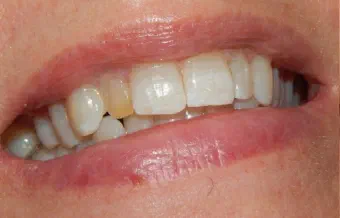
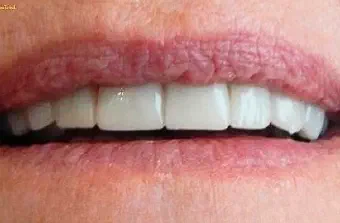
Drag the centre line to compare each real case treated by our dental team. Every smile begins with a personal assessment and a plan shaped around the patient.

Areas We Serve

Neighbourhood dental care, close to home.

Located in Cookstown, Innisfil, our dental team welcomes patients from communities across South Simcoe, Barrie, and northern York Region.

Get directions
  • Cookstown
  • Innisfil
  • Simcoe
  • Lake Simcoe
  • Alcona
  • Stroud
  • Lefroy–Belle Ewart
  • Gilford
  • Churchill
  • Sandy Cove
  • Innisfil Heights
  • Fennell’s Corners
  • Bradford
  • Bradford West Gwillimbury
  • Bond Head
  • Newton Robinson
  • New Tecumseth
  • Alliston
  • Beeton
  • Tottenham
  • Adjala–Tosorontio
  • Everett
  • Loretto
  • Barrie
  • Essa
  • Thornton
  • Baxter
  • Angus
  • Egbert
  • Ivy
  • Utopia
  • York Region
  • East Gwillimbury
  • Queensville
  • Holland Landing
  • Sharon
  • Schomberg
  • Nobleton

Don’t see your community listed? Contact us—we regularly welcome patients from throughout the surrounding region.

Google reviews

Kind words from our patients.

Read what patients have shared about their visits to Cookstown Dental Centre.

A dentist having a friendly consultation with a patient in a bright dental clinic

Your next step

Ready to feel good about your next dental visit?

Whether you are new to the clinic or returning for care, our team is here to make booking simple and answer your questions.

Call Book Now WhatsApp

How can we help?

The Cookstown Dental team is here for you.

Need an appointment, have a question, or want to talk through your options? Choose the next step that works best for you.

Send us a note

We’ll get back to you as soon as we can.