Cookstown Dental Centre
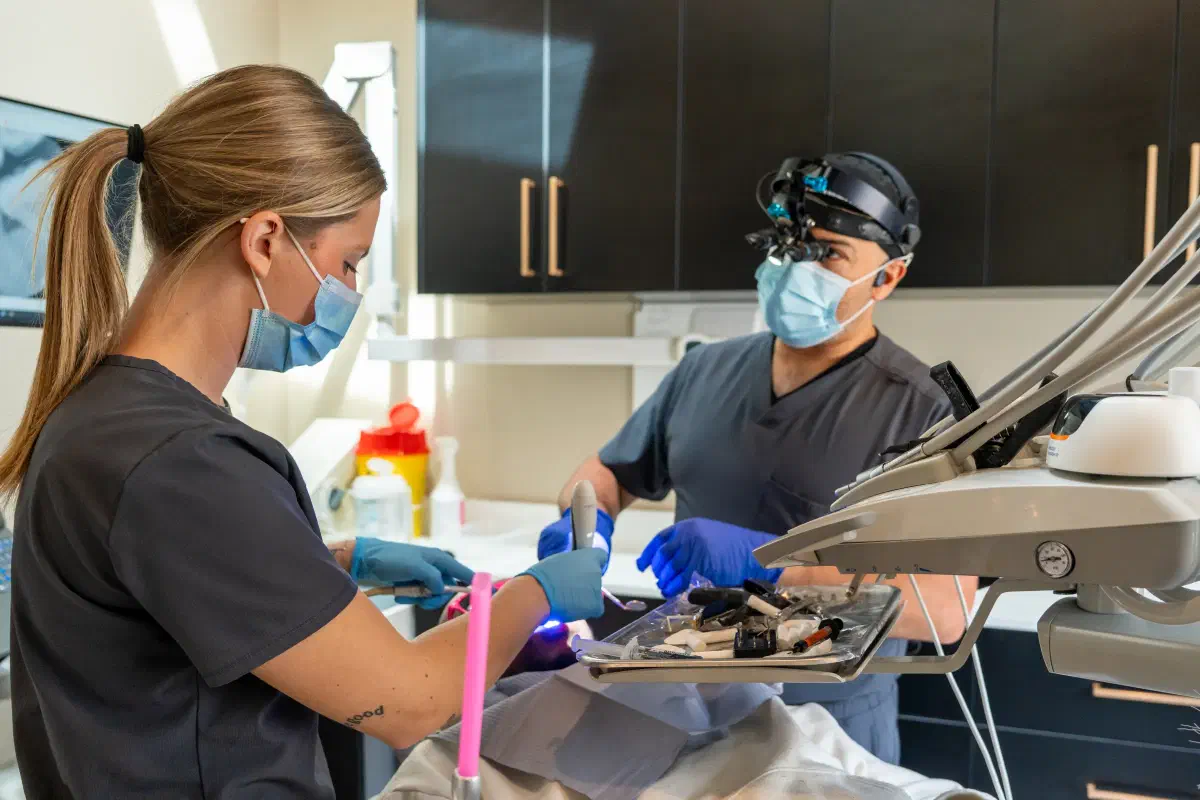
The Cookstown Dental Centre team caring for a patient in a treatment room

Children’s Dentistry · Cookstown

Check in on the changes behind a growing smile.

Children’s dental checkups assess teeth, gums, bite development, and cavity risk, with clear next steps for your child’s stage of growth.

Request an appointment

Let’s find a time that works.

Need urgent dental help? Call (705) 291-2222.

Children’s Dental Checkups in Cookstown

A checkup looks beyond teeth that hurt.

Children’s mouths change quickly. A loose baby tooth, a new adult molar, or a brushing spot that has become harder to reach can change what useful dental care looks like. A checkup gives us a chance to notice those developments, hear your concerns, and explain what deserves attention now and what can be watched over time.

At Cookstown Dental Centre, we include your child in the conversation at a level that suits their age. We also make room for the parent’s perspective: changes in eating, night-time discomfort, sports, medicines, or a routine that has become difficult. The result should be a clear picture of oral health and a manageable plan, rather than a list of unexplained findings.

A dentist introducing a dental mirror to a child before a checkup

What we consider

Four questions behind a useful checkup.

An examination brings several observations together. We consider the teeth you can see, the tissues around them, and how your child’s habits and development affect care.

Are the teeth and gums healthy?

We look for visible decay, damaged teeth, plaque, gum inflammation, and changes around existing dental work. Tell us about a sore spot even if it is not sore during the appointment. Your observations between visits can help explain something that a brief look alone would not reveal.

How is the smile developing?

We review the pattern of baby-tooth loss and adult-tooth eruption, along with how the teeth meet. Some changes are expected; others deserve monitoring or an orthodontic opinion. A checkup helps establish what to revisit rather than assuming every gap, overlap, or uneven tooth needs immediate treatment.

What support would help at home?

We ask about brushing help, snacks, drinks, and any difficulty cleaning between teeth. These questions help personalize advice rather than grade a family’s routine. Show us the brush or describe the point where cooperation becomes difficult so we can work toward a practical adjustment.

What should happen next?

The plan may include routine monitoring, hygiene care, preventive treatment, a repair, or further assessment. Ask which recommendations are time-sensitive and which can be scheduled later. Before leaving, you should understand the reason for the next visit and what would justify contacting us sooner.

The appointment

Help your child know what to expect.

Predictability can make an unfamiliar appointment easier. A simple explanation is usually more helpful than promising that nothing unusual will happen.

  1. Before the examination

    We review relevant health information and ask what your child remembers from previous visits. Tell us about sound sensitivity, communication preferences, or worries about particular instruments. We can explain the chair, mirror, and light before using them and discuss a signal your child can use to request a pause.

  2. During the checkup

    The dentist examines the mouth and may recommend additional information when needed. Your child can ask questions and hear age-appropriate explanations. The order and pace may change depending on comfort, attention, and the reason for the visit; an examination is not a test of how still a child can sit.

  3. After we have looked

    We explain the findings and separate prevention, monitoring, and treatment recommendations. Ask to see an area or image if it would help you understand. We can discuss how to describe the next step to your child, especially if another appointment will involve a procedure they have not experienced before.

Understanding the options

Choose care for the need in front of you.

An exam, a cleaning, and a treatment appointment serve different purposes. Knowing the difference helps you book the right amount and type of care.

Checkups and professional cleaning

A checkup assesses oral health; cleaning removes deposits and supports prevention. They may be arranged together, but one does not automatically include every part of the other. Tell the booking team what you are requesting so we can explain how your child’s appointments will be organized.

Routine reviews and a new concern

A planned examination is useful for ongoing care, but new pain, swelling, or an injury should be reported separately. Explain when the change started and whether eating or sleep is affected. We can then advise on an appropriate assessment rather than leaving the concern until the next routine visit.

Planning together

Bring the details that make advice useful.

You do not need a perfect record of your child’s routines. A few current details help us understand what has changed since the last visit.

Health and dental history

Bring an updated medicine list and mention allergies, recent illnesses, and care received elsewhere. If you have moved practices, ask about transferring records. Previous images and treatment notes may help avoid unnecessary repetition and give context to a tooth or area already being monitored.

School, sport, and daily routines

Tell us about braces or aligners, sports mouthguards, frequent snacking, or a new responsibility for independent brushing. Each can affect the advice that fits your child. Discussing a normal weekday often reveals more useful details than simply asking whether brushing happens twice a day.

Your child’s own questions

Invite your child to choose one thing they want to ask, such as why a tooth is loose or how to clean around a new molar. Their questions help us focus the explanation. Parents can also raise concerns privately when that would make the appointment more comfortable.

Frequently asked questions

Questions about children’s dental checkups

How often should my child have a checkup?

The interval depends on cavity risk, development, treatment history, and findings at the last visit. Many children attend regularly at six-month intervals, while others need a different schedule. The dentist can explain why a particular review timing makes sense for your child.

Are X-rays taken at every appointment?

No. The need depends on clinical findings, risk, and whether existing images provide the necessary information. Ask what a proposed image would help assess. We explain the reason rather than treating X-rays as an automatic part of every checkup.

Is a cleaning included in the checkup?

An examination and a cleaning are distinct services, although they can often be scheduled together. Confirm what is planned when booking. Your child’s age, cooperation, and cleaning needs influence how much hygiene care is appropriate at the visit.

Should a loose baby tooth be checked?

Many loose baby teeth are part of normal development. Contact us if looseness follows an injury, is accompanied by swelling or significant pain, or seems unusually early. Describe the tooth and symptoms so we can help decide on timing.

Can I mention concerns about my child’s bite?

Yes. Tell us about difficulty biting, teeth meeting unevenly, or concerns about crowding. The dentist can review development and discuss monitoring or referral. An early orthodontic assessment does not necessarily mean a child needs treatment immediately.

What if my child is nervous?

Tell us before the appointment and share what has helped or made previous visits harder. We can discuss a predictable introduction, explanations, and pauses. The support plan should fit your child’s needs and the care being considered.

Does my child need a visit if nothing hurts?

Yes, regular assessment can identify concerns before they become painful. Many early changes are not obvious at home. A review also gives you an opportunity to update preventive advice as adult teeth appear and your child’s routine changes.

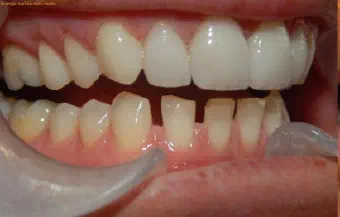
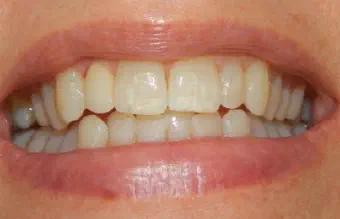
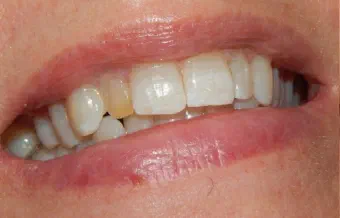
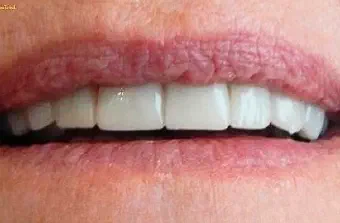
Real patient results

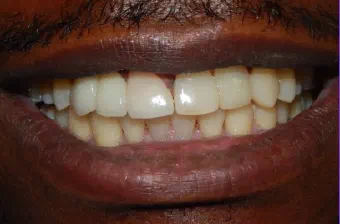
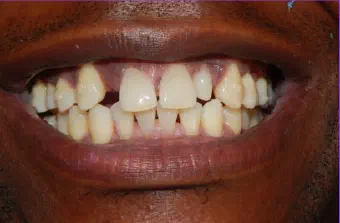
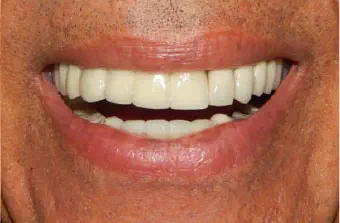
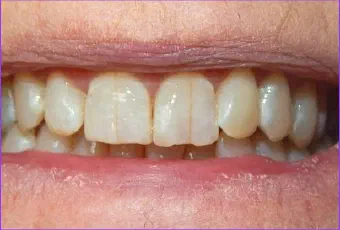
Before & after smile gallery.

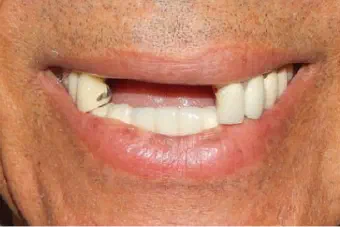
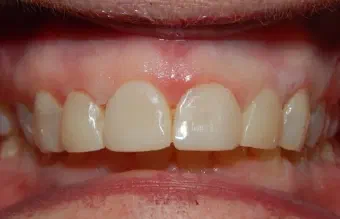
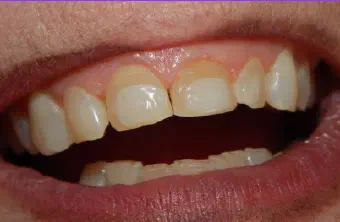
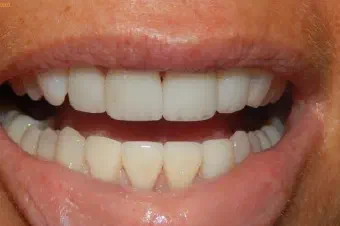
Drag the centre line to compare each real case treated by our dental team. Every smile begins with a personal assessment and a plan shaped around the patient.

Areas We Serve

Neighbourhood dental care, close to home.

Located in Cookstown, Innisfil, our dental team welcomes patients from communities across South Simcoe, Barrie, and northern York Region.

Get directions
  • Cookstown
  • Innisfil
  • Simcoe
  • Lake Simcoe
  • Alcona
  • Stroud
  • Lefroy–Belle Ewart
  • Gilford
  • Churchill
  • Sandy Cove
  • Innisfil Heights
  • Fennell’s Corners
  • Bradford
  • Bradford West Gwillimbury
  • Bond Head
  • Newton Robinson
  • New Tecumseth
  • Alliston
  • Beeton
  • Tottenham
  • Adjala–Tosorontio
  • Everett
  • Loretto
  • Barrie
  • Essa
  • Thornton
  • Baxter
  • Angus
  • Egbert
  • Ivy
  • Utopia
  • York Region
  • East Gwillimbury
  • Queensville
  • Holland Landing
  • Sharon
  • Schomberg
  • Nobleton

Don’t see your community listed? Contact us—we regularly welcome patients from throughout the surrounding region.

Google reviews

Kind words from our patients.

Read what patients have shared about their visits to Cookstown Dental Centre.

A dentist having a friendly consultation with a patient in a bright dental clinic

Your next step

Ready to feel good about your next dental visit?

Whether you are new to the clinic or returning for care, our team is here to make booking simple and answer your questions.

Call Book Now WhatsApp

How can we help?

The Cookstown Dental team is here for you.

Need an appointment, have a question, or want to talk through your options? Choose the next step that works best for you.

Send us a note

We’ll get back to you as soon as we can.