Cookstown Dental Centre
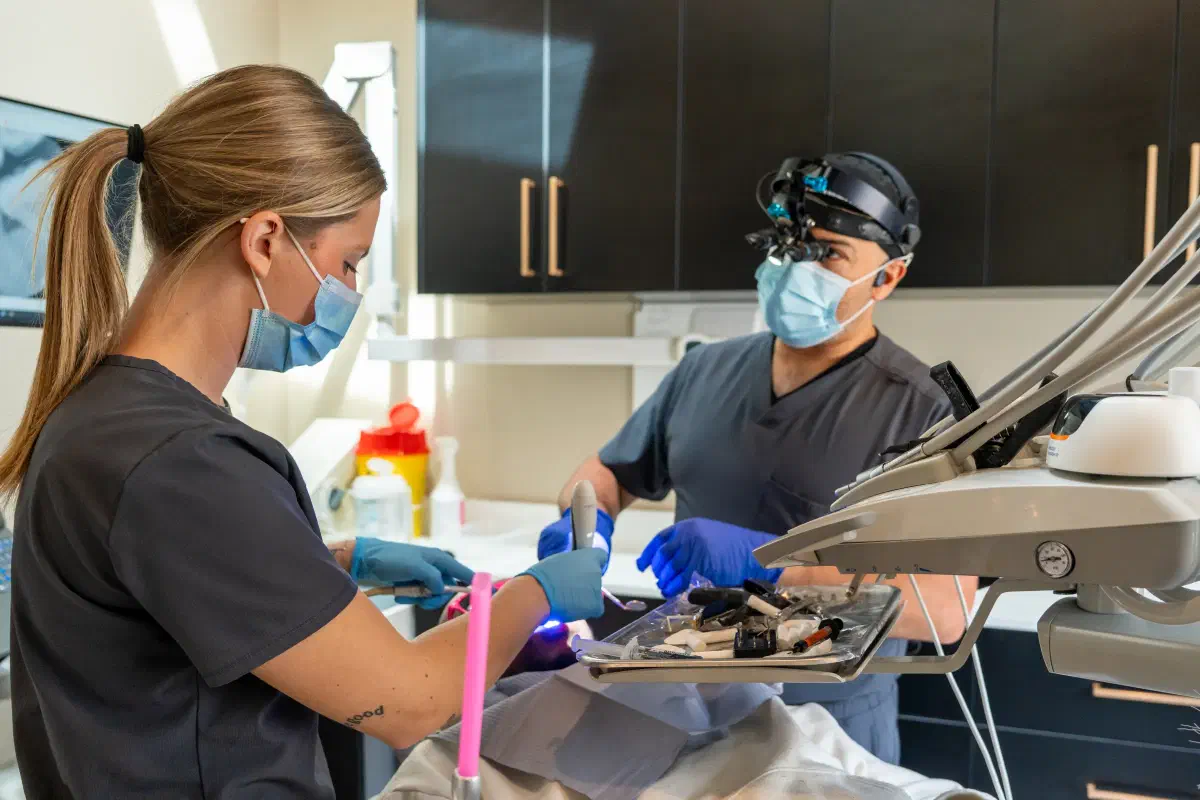
The Cookstown Dental Centre team caring for a patient in a treatment room

Children’s Dentistry · Cookstown

A careful plan after a bumped or broken tooth.

Children’s dental trauma care assesses injuries to baby and adult teeth, explains immediate options, and plans follow-up as healing becomes clearer.

Request an appointment

Let’s find a time that works.

Need urgent dental help? Call (705) 291-2222.

Children’s Dental Trauma Treatment in Cookstown

The first examination is only part of injury care.

A fall at home, a playground collision, or a sports impact can affect more than the part of a tooth you can see. A tooth may be chipped, loosened, displaced, or pushed into the gum. The surrounding tissues and developing teeth may also need consideration. Prompt advice helps establish the right urgency and avoids treating different injuries as though they were the same.

At Cookstown Dental Centre, we assess the injury, explain what can be established at that visit, and discuss treatment or referral where appropriate. Some effects only become clear with time, so follow-up is an important part of the plan. If there are signs of a significant head injury, breathing difficulty, uncontrolled bleeding, or serious illness, seek emergency medical care first.
A child and parent talking with a dentist after a tooth injury

Understanding the options

Baby and adult teeth need different decisions.

Knowing which tooth is involved changes the approach. If you are unsure, tell the team and seek advice promptly instead of trying to manage the injury yourself.

Injured baby teeth

Treatment considers your child’s comfort, the position and condition of the baby tooth, and the developing permanent tooth beneath it. Observation, treatment, or removal may be appropriate depending on the injury. A knocked-out baby tooth must not be replanted; arrange dental assessment to check the area and plan follow-up.

Injured permanent teeth

Adult teeth need prompt attention, especially when displaced or knocked out. Treatment depends on the injury and stage of root development. If a permanent tooth is out of the mouth, handle the crown only and seek immediate dental care; keeping it moist in milk is appropriate while obtaining urgent guidance.

Planning together

Bring the story of the injury.

The details around the event can influence the examination. Gather what you can without delaying urgent medical or dental attention.

When and how it happened

Tell us the time of the injury, the surface or object involved, and whether there was a fall or blow to the face. Describe loss of consciousness, vomiting, or other head-injury concerns to the appropriate medical professional. The tooth is only one part of assessing an injured child.

What has changed since

Mention bleeding, swelling, a changed bite, difficulty opening the mouth, or pain when eating. Tell us whether a tooth moved or a piece is missing. Photos taken safely after the event can help show changes, but do not spend time documenting an injury when immediate care is needed.

What you have already done

Bring any recovered tooth fragment, and explain how a knocked-out tooth was stored or handled. Tell us about medicine given and relevant medical conditions. If care was provided elsewhere, bring the available instructions so the next clinician can understand what has already been assessed or treated.

The appointment

Assessment, treatment, and a review plan.

Trauma care often develops over more than one visit. We explain which decisions can be made now and which findings need time or specialist assessment.

  1. Examine the affected area

    The dentist checks the injured teeth, surrounding tissues, and bite, with imaging when it will help guide care. We look for damage that may be less obvious than the visible chip. Tell us if your child cannot tolerate a particular movement or has discomfort somewhere beyond the main injury.

  2. Discuss appropriate care

    Depending on the findings, care may involve protecting a broken surface, repositioning or stabilizing a tooth, monitoring, or another treatment. Some injuries require specialist input. We explain the purpose and limitations of the proposed step without promising that a tooth’s long-term outcome can be known immediately.

  3. Arrange reassessment

    Healing and pulp health can change after the first visit. We set review timing according to the injury and explain what to watch for at home. Keep follow-up appointments even if discomfort settles, because an apparently comfortable tooth can still need monitoring after a significant impact.

Practical guidance

Support recovery without disturbing the tooth.

Use the instructions given for your child’s specific injury. The right advice depends on whether a tooth was repaired, stabilized, removed, or left for observation.

Eating and activity

Follow guidance about softer foods, biting with the injured teeth, and returning to sport. The restriction period varies with the injury and treatment. Ask for clarification about school activities or a scheduled game so you are not guessing when a mouthguard or ordinary chewing is appropriate again.

Cleaning around the area

Continue oral hygiene using the technique recommended for the injured tissues or any splint. Do not repeatedly wiggle the tooth to check stability. If cleaning hurts or a device seems loose, contact the clinic for advice rather than stopping care indefinitely or adjusting hardware at home.

Changes worth reporting

Contact us about new swelling, increasing pain, a changed bite, a gum bump, or a tooth becoming darker. A colour change alone does not tell you exactly what treatment is needed. Describe when it appeared and keep the planned review so the dentist can assess it in context.

Frequently asked questions

Questions about children’s dental trauma treatment

Does a chipped baby tooth need checking?

Yes, contact a dentist for advice, especially if the injury is recent or the edge is sharp. The visible chip may not show the full extent of the injury. Pain, movement, swelling, or a changed bite make prompt assessment particularly important.

Should I push a displaced tooth back?

Do not try to reposition a displaced tooth without professional guidance. Baby and adult teeth are managed differently, and the injury needs assessment. Call promptly and describe the position of the tooth and whether your child can close their mouth normally.

Can a broken piece be reattached?

Sometimes a recovered fragment can be useful, but suitability depends on the tooth and fracture. Keep the piece moist and bring it to the appointment. Do not use household glue or try to attach it yourself.

What if a tooth goes grey later?

A colour change can happen after trauma and should be assessed, but it does not by itself establish the condition of the pulp or the treatment needed. Tell us about any associated pain, swelling, or gum changes and keep follow-up visits.

Why return if the tooth no longer hurts?

Some consequences of injury appear later, and symptoms may not reflect what is happening inside or around the tooth. Reviews allow the dentist to compare findings over time and decide whether monitoring remains appropriate or further care is needed.

Will a baby-tooth injury affect the adult tooth?

Some injuries can affect the developing permanent tooth, but the risk depends on the type and severity of trauma. The dentist explains relevant concerns after assessment. Follow-up helps monitor development without assuming that every childhood bump causes lasting damage.

Can my child return to sports immediately?

The answer depends on the injury, treatment, and sport. Ask for specific return-to-activity advice. A mouthguard may be part of future protection, but it does not make immediate participation safe after every dental or head injury.

Real patient results

Before & after smile gallery.

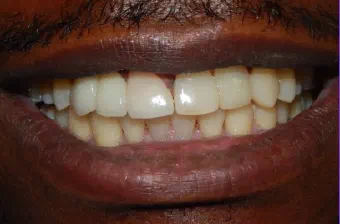
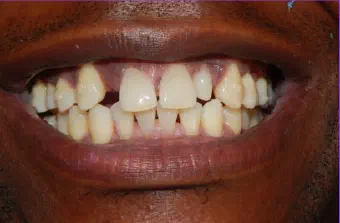
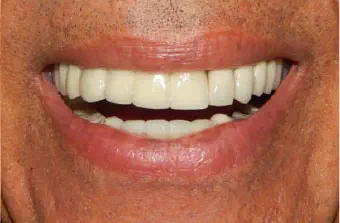
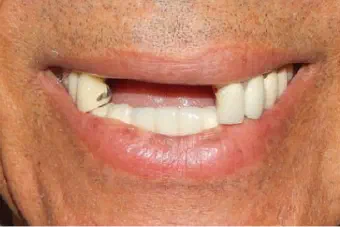
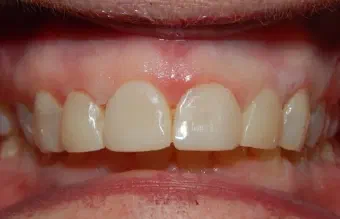
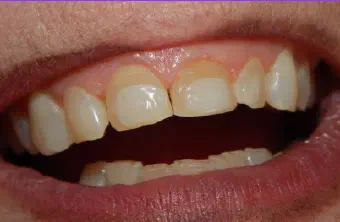
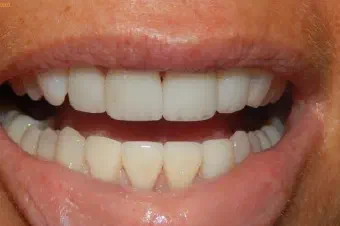
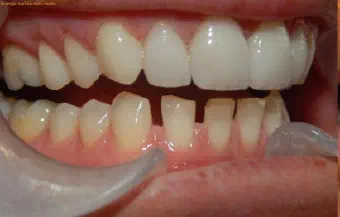
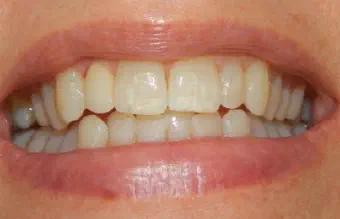
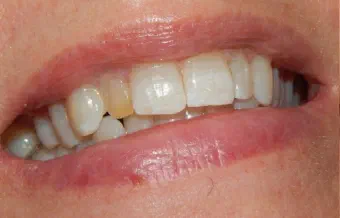
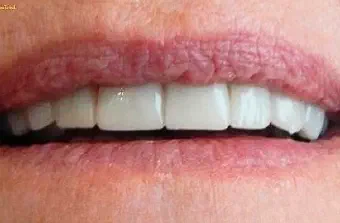
Drag the centre line to compare each real case treated by our dental team. Every smile begins with a personal assessment and a plan shaped around the patient.

Areas We Serve

Neighbourhood dental care, close to home.

Located in Cookstown, Innisfil, our dental team welcomes patients from communities across South Simcoe, Barrie, and northern York Region.

Get directions
  • Cookstown
  • Innisfil
  • Simcoe
  • Lake Simcoe
  • Alcona
  • Stroud
  • Lefroy–Belle Ewart
  • Gilford
  • Churchill
  • Sandy Cove
  • Innisfil Heights
  • Fennell’s Corners
  • Bradford
  • Bradford West Gwillimbury
  • Bond Head
  • Newton Robinson
  • New Tecumseth
  • Alliston
  • Beeton
  • Tottenham
  • Adjala–Tosorontio
  • Everett
  • Loretto
  • Barrie
  • Essa
  • Thornton
  • Baxter
  • Angus
  • Egbert
  • Ivy
  • Utopia
  • York Region
  • East Gwillimbury
  • Queensville
  • Holland Landing
  • Sharon
  • Schomberg
  • Nobleton

Don’t see your community listed? Contact us—we regularly welcome patients from throughout the surrounding region.

Google reviews

Kind words from our patients.

Read what patients have shared about their visits to Cookstown Dental Centre.

A dentist having a friendly consultation with a patient in a bright dental clinic

Your next step

Ready to feel good about your next dental visit?

Whether you are new to the clinic or returning for care, our team is here to make booking simple and answer your questions.

Call Book Now WhatsApp

How can we help?

The Cookstown Dental team is here for you.

Need an appointment, have a question, or want to talk through your options? Choose the next step that works best for you.

Send us a note

We’ll get back to you as soon as we can.