Cookstown Dental Centre
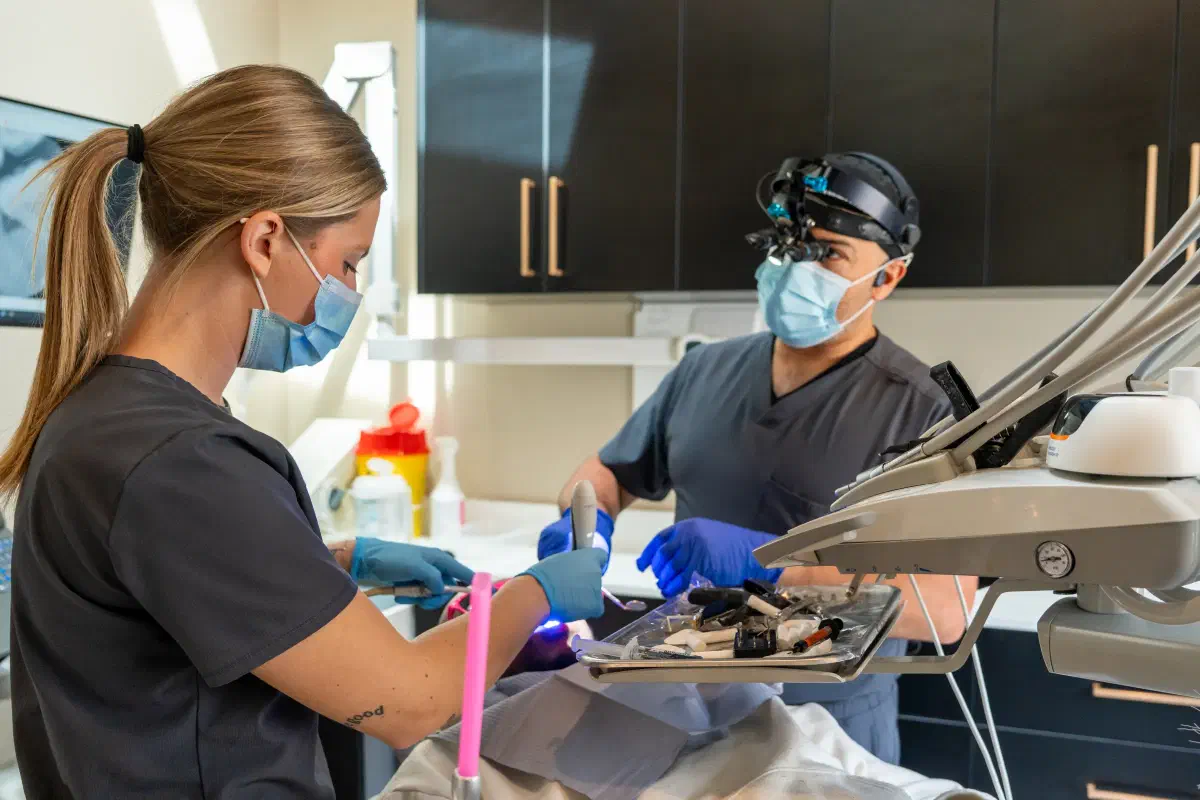
The Cookstown Dental Centre team caring for a patient in a treatment room

Children’s Dentistry · Cookstown

Targeted fluoride support for growing teeth.

Explore children’s fluoride treatment, how cavity risk guides recommendations, and how professional care fits with toothpaste and daily habits.

Request an appointment

Let’s find a time that works.

Need urgent dental help? Call (705) 291-2222.

Children’s Fluoride Treatment in Cookstown

Use the right protection for your child’s needs.

Fluoride can help protect teeth against decay, but the useful form and frequency depend on the child. A professional fluoride treatment is considered alongside brushing, diet, tooth development, and past cavities. It is not a replacement for cleaning or a promise that a child will never need a filling.

At Cookstown Dental Centre, we discuss why additional fluoride may be helpful and what the application involves. We also review the products already being used at home so the advice is coordinated rather than confusing. Parents should know which toothpaste is appropriate, how much to use, and whether another product adds value for their child’s age and ability to use it safely.

A hygienist introducing a fluoride varnish applicator to a child and parent

What we consider

Start with risk, age, and the daily routine.

A useful recommendation reflects the whole picture. The same professional treatment schedule or home product is not automatically right for every child.

Previous and current cavities

Recent decay or early enamel changes can influence the level of preventive support recommended. We consider which surfaces are vulnerable and how the pattern has changed over time. Ask how fluoride fits with other steps, such as a repair, sealants, or extra help reaching a difficult brushing area.

Brushing and product use

Tell us the toothpaste brand, amount used, and how much adult help your child receives. Mention whether your child swallows toothpaste or uses a rinse. This helps us explain safe, age-appropriate choices and avoid adding products simply because they are marketed as extra protection for children.

Changes in oral health

New adult teeth, orthodontic appliances, dry-mouth symptoms, or a changed routine may affect prevention. Bring up medicines and health conditions as well. We can then review whether the existing plan still fits rather than waiting for a cavity to show that your child’s needs have changed.

Step by step

What a professional application can look like.

The method is selected for the child and the clinical need. We explain the material and any instructions that apply before it is placed.

  1. Discuss the recommendation

    We explain why fluoride is being offered and answer questions about the product and technique. Tell us about allergies or a previous reaction to dental materials. You can also ask how often reassessment will happen and whether the treatment is separate from other care planned at the visit.

  2. Apply the selected product

    A fluoride varnish may be brushed onto suitable tooth surfaces in a small amount. The application is generally brief, although the texture or taste may feel unfamiliar. We introduce the steps in language your child understands and adapt the pace to their ability to participate comfortably.

  3. Review the aftercare

    Eating, drinking, and brushing instructions vary by the product used, so follow the directions provided at the appointment. Do not assume another child’s instructions apply. Ask when the usual routine can resume and what to do if your child dislikes the temporary feeling on the teeth.

Understanding the options

Professional treatment and home care have different roles.

The aim is a consistent prevention plan. More products are not always more useful, especially when a young child cannot reliably spit or follow instructions.

Fluoride during a dental visit

Professional products are selected and applied with the child’s needs in mind. The recommendation may change when risk changes. Ask what benefit is expected and how the dentist will judge whether the current schedule remains appropriate at later examinations.

Fluoride in the home routine

Daily toothpaste use provides ongoing support when the product and amount are appropriate. For children under three, seek individualized Canadian guidance based on cavity risk. Rinses, supplements, and high-strength products should not be added for a child without advice about suitability and safe use.

Practical guidance

Make the prevention plan easier to follow.

Your child benefits most from instructions that are clear enough to repeat on ordinary school days and busy evenings. Bring back questions if part of the plan is not working.

Show us what you use

Bring packaging or photographs of toothpaste, rinses, and other oral-care products. Similar labels can hide important differences in strength or intended age. We can explain which product belongs in the routine and which is unnecessary, helping other caregivers follow the same instructions without guessing.

Keep adults involved

A child who wants to brush alone may still need help reaching every tooth and controlling toothpaste amounts. Agree on a routine that includes adult supervision or finishing where needed. At the next visit, describe any sensory or coordination challenges so we can adapt the demonstration to real needs.

Reassess instead of assuming

Keep the recommended examinations so we can review decay risk and the condition of new teeth. Tell us about changes in snacks, medicines, braces, or cleaning support. A preventive plan should evolve with your child rather than continue unchanged because it was once written on a reminder card.

Frequently asked questions

Questions about children’s fluoride treatment

Does every child need professional fluoride?

Not necessarily at the same frequency. The dentist considers cavity history, current findings, age, and home care before recommending treatment. Ask why it is useful for your child and how the recommendation will be reviewed over time.

Is fluoride varnish the same as toothpaste?

No. Varnish is a professional product applied in a controlled amount, while toothpaste is used regularly at home. They can have complementary roles. The right home product and amount still depend on the child’s age and ability to use it appropriately.

When can my child eat after treatment?

Follow the instructions for the product applied at the appointment. Different materials can have different directions about food, drinks, and brushing. Ask for those instructions before leaving, particularly if your child is returning to school or another caregiver.

What toothpaste should a toddler use?

For children under three, discuss cavity risk and fluoride toothpaste with a dental professional in line with Canadian guidance. We can demonstrate an appropriate amount if fluoride toothpaste is recommended. Avoid choosing a stronger product or adding rinses without advice.

Can fluoride repair a hole in a tooth?

Fluoride can support management of some early enamel changes, but it does not rebuild a tooth with a cavity that needs restoration. The dentist must assess the area and explain whether prevention, monitoring, a repair, or another treatment is appropriate.

Should my child use a fluoride mouthrinse?

Only use a rinse when it is appropriate for the child’s age, risk, and ability to spit reliably. It is not automatically needed because professional fluoride was recommended. Ask us before adding a product to an established routine.

What if my child dislikes the texture?

Tell us before application so we can explain what it may feel like and discuss suitable options. Follow the product-specific aftercare rather than removing it early without advice. We can also use the experience to plan future preventive visits.

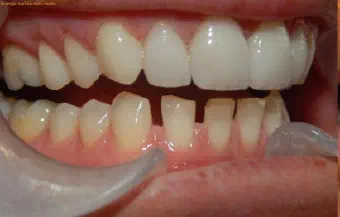
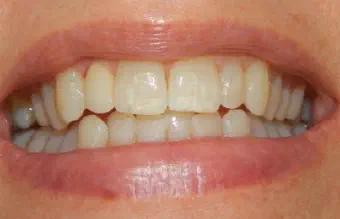
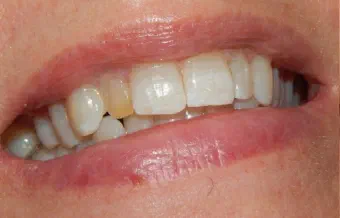
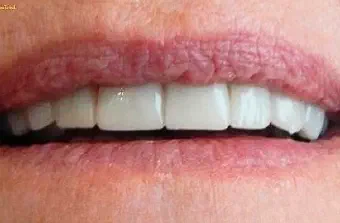
Real patient results

Before & after smile gallery.

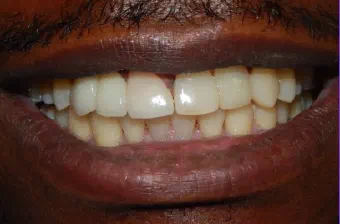
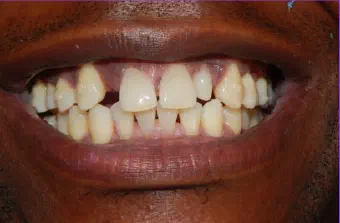
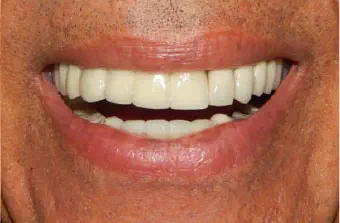
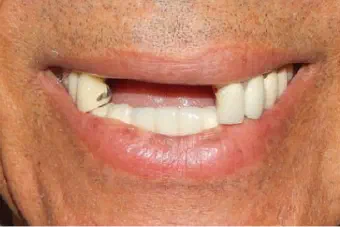
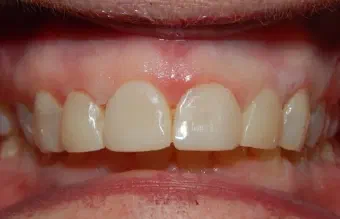
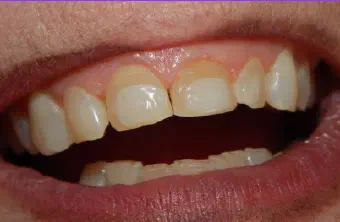
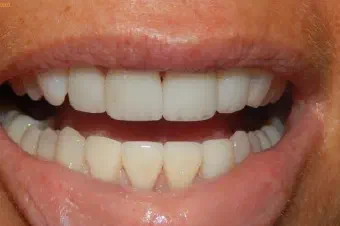
Drag the centre line to compare each real case treated by our dental team. Every smile begins with a personal assessment and a plan shaped around the patient.

Areas We Serve

Neighbourhood dental care, close to home.

Located in Cookstown, Innisfil, our dental team welcomes patients from communities across South Simcoe, Barrie, and northern York Region.

Get directions
  • Cookstown
  • Innisfil
  • Simcoe
  • Lake Simcoe
  • Alcona
  • Stroud
  • Lefroy–Belle Ewart
  • Gilford
  • Churchill
  • Sandy Cove
  • Innisfil Heights
  • Fennell’s Corners
  • Bradford
  • Bradford West Gwillimbury
  • Bond Head
  • Newton Robinson
  • New Tecumseth
  • Alliston
  • Beeton
  • Tottenham
  • Adjala–Tosorontio
  • Everett
  • Loretto
  • Barrie
  • Essa
  • Thornton
  • Baxter
  • Angus
  • Egbert
  • Ivy
  • Utopia
  • York Region
  • East Gwillimbury
  • Queensville
  • Holland Landing
  • Sharon
  • Schomberg
  • Nobleton

Don’t see your community listed? Contact us—we regularly welcome patients from throughout the surrounding region.

Google reviews

Kind words from our patients.

Read what patients have shared about their visits to Cookstown Dental Centre.

A dentist having a friendly consultation with a patient in a bright dental clinic

Your next step

Ready to feel good about your next dental visit?

Whether you are new to the clinic or returning for care, our team is here to make booking simple and answer your questions.

Call Book Now WhatsApp

How can we help?

The Cookstown Dental team is here for you.

Need an appointment, have a question, or want to talk through your options? Choose the next step that works best for you.

Send us a note

We’ll get back to you as soon as we can.