Cookstown Dental Centre
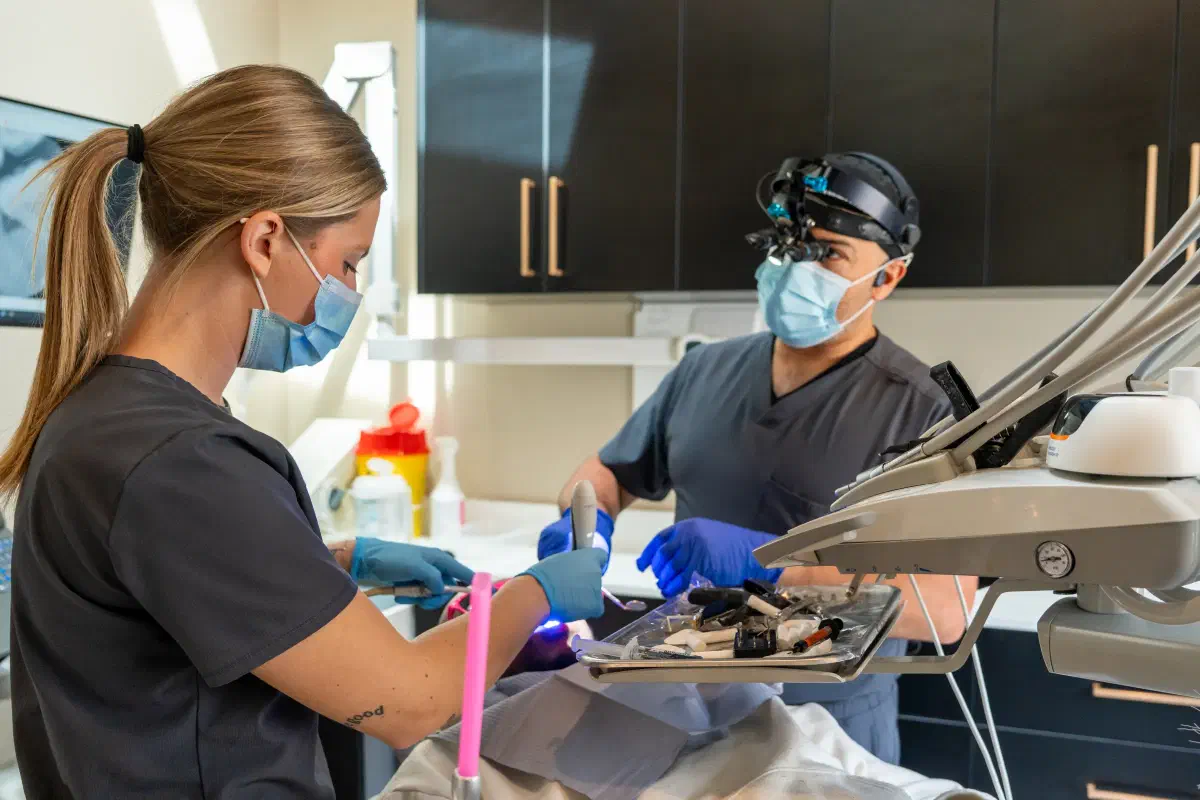
The Cookstown Dental Centre team caring for a patient in a treatment room

Children’s Dentistry · Cookstown

A fresh start for teeth that are still growing.

Children’s teeth cleaning removes deposits where needed, supports healthy gums, and helps your child learn what a professional hygiene visit feels like.

Request an appointment

Let’s find a time that works.

Need urgent dental help? Call (705) 291-2222.

Children’s Teeth Cleaning in Cookstown

A cleaning appointment matched to the child.

A professional cleaning for a child is shaped by what is actually present on the teeth and what the child can comfortably manage. Some visits need only a small amount of cleaning and plenty of explanation; others involve more attention to plaque, hardened deposits, or difficult areas around new teeth. The appointment should have a clear purpose at every age.

At Cookstown Dental Centre, we introduce the cleaning process in understandable steps and explain how it connects with care at home. We also discuss whether a dental examination or another preventive service is due. This page focuses on the professional appointment, while our Teeth Cleaning for Children guidance explores building a daily routine with a caregiver.

A child talking with a hygienist after a professional teeth-cleaning visit

The appointment

An introduction, a cleaning, and a practical takeaway.

Children can be curious about sounds, tastes, and equipment. Knowing what is coming gives them a chance to ask questions before each part of the visit.

  1. Start with a conversation

    Tell the team about sore areas, a loose tooth, sensory preferences, or a previous uncomfortable cleaning. We explain the tools that may be used and agree on a way to request a pause. The child’s age and comfort help shape the order and pace of the appointment.

  2. Clean where it is needed

    The clinician removes deposits using an appropriate technique, which may include hand instruments and selective polishing. Not every child needs the same instruments or amount of cleaning. We explain what each step is intended to do and adjust when the child needs a break or a different approach.

  3. Connect the visit with home care

    We point out areas that need extra attention and demonstrate a manageable technique. You can ask how a parent should help or whether a different brush size would make access easier. The aim is a useful skill to take home, not simply a cleaner feeling at the end.

Care that fits

The details that can change a cleaning visit.

Oral hygiene needs develop alongside teeth and routines. Tell us about changes so the appointment can focus on the areas most likely to benefit.

New back teeth

Adult molars can appear behind the baby teeth and be difficult for children to spot or reach. We can show you where they are and how to clean around a partly erupted surface. These demonstrations help parents support a child who seems to brush thoroughly but consistently misses the back corners.

Braces and other appliances

Orthodontic brackets, wires, or a space maintainer can create extra cleaning challenges. Tell us what device your child wears and whether there are instructions from another provider. We coordinate practical cleaning advice with those instructions instead of recommending a technique that could disturb an appliance.

A sensitive or hesitant child

Some children dislike water spray, polishing paste, or unfamiliar sounds. Let us know which sensations are difficult and what has helped before. A slower introduction or a modified sequence may be useful; completing every possible cleaning step is not the measure of a successful visit for every child.

What we consider

Know what cleaning can and cannot do.

A hygiene visit supports prevention, but it does not answer every dental question by itself. We help you understand which parts of care are being provided.

Deposits and gum care

Cleaning can remove plaque and hardened deposits that need professional attention, while instruction helps improve daily removal at home. If gums bleed or an area stays sore, tell us. Persistent symptoms need assessment rather than repeated polishing or an assumption that more vigorous brushing will solve them.

Examination and treatment needs

A dental examination assesses for problems such as decay, damaged teeth, and development concerns. Cleaning alone does not repair a cavity or establish that every tooth is healthy. Confirm whether an examination is planned and discuss any symptoms separately so they receive appropriate attention.

Planning together

Set up the next visit for success.

Small preparation steps help your child recognize the appointment and help the team understand what matters most to your family.

Describe the visit simply

Use straightforward language such as checking and cleaning teeth, and invite questions without promising that every sensation will be familiar. Share previous concerns with the team beforehand. A child can feel more prepared when the explanation is short, honest, and consistent with what happens in the room.

Bring the routine with you

A toothbrush, a toothpaste photo, or a description of the evening routine can make advice more specific. Explain who helps with brushing and where cooperation becomes difficult. We can then demonstrate a change that fits your child’s skills, rather than offering general instructions you already know.

Confirm the follow-up

Ask when the next cleaning and examination should be arranged and why. Timing depends on individual needs, not only an insurance calendar. If cleaning was limited by comfort or attention, clarify whether another visit is needed and what preparation might make that next step easier.

Frequently asked questions

Questions about children’s teeth cleaning

How is a child’s cleaning different from an adult’s?

The amount of deposit, stage of dental development, and ability to manage the appointment guide the approach. A young child may need a shorter, simpler visit. The clinician chooses useful steps rather than automatically repeating an adult cleaning routine.

Will my child need scaling?

Only if deposits and clinical findings make it appropriate. Some children have very little hardened buildup, while others need more targeted removal. The team can explain what is present and which technique is being recommended for those areas.

Is polishing necessary every time?

Polishing is selected according to the child’s needs and the surfaces being treated. It is not a measure of whether an appointment was complete. Ask the clinician what was done and which findings should guide care between visits.

What if my child has a loose tooth?

Tell the team before cleaning, especially if the looseness followed an injury or is painful. Normal baby-tooth changes can be accommodated. An injured or unexpectedly loose tooth may need a dentist’s assessment rather than being treated as part of routine cleaning.

Can a parent stay involved?

Parents can help by sharing concerns and learning the home-care technique. The team will discuss the arrangement that supports the appointment and your child’s needs. Let us know beforehand about communication, access, or medical considerations that affect participation.

Does cleaning remove a cavity?

No. Cleaning removes deposits; a cavity needs a dental assessment and an appropriate management plan. If you have noticed a dark area, hole, pain, or sensitivity, mention it when booking so an examination can be arranged.

How often should professional cleaning happen?

The interval depends on deposits, gum health, cavity risk, appliances, and how home care is going. We explain the recommendation after assessment. A child’s schedule can change as adult teeth erupt or an orthodontic appliance is introduced.

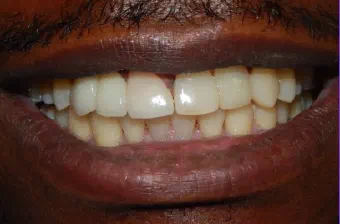
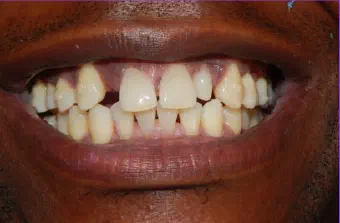
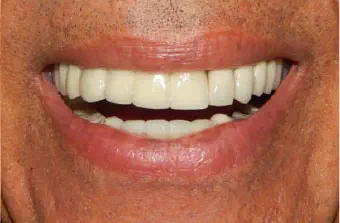
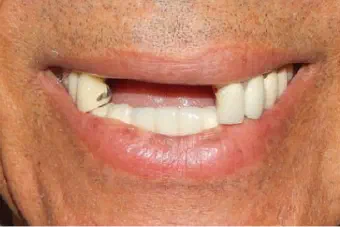
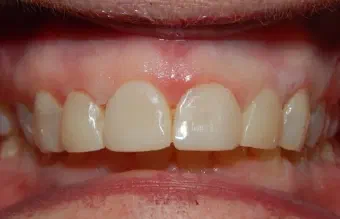
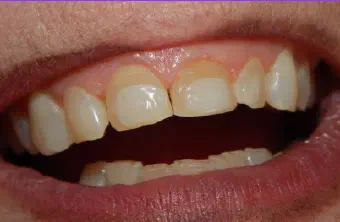
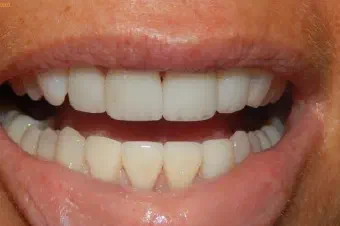
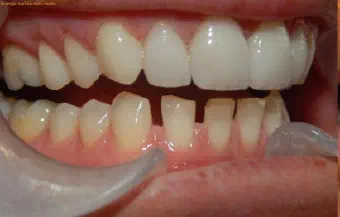
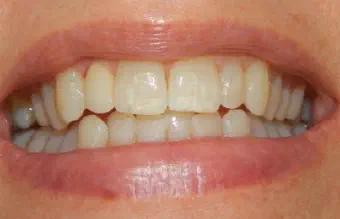
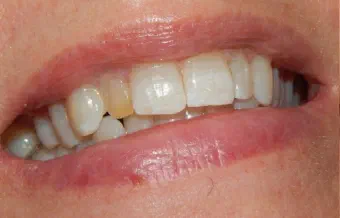
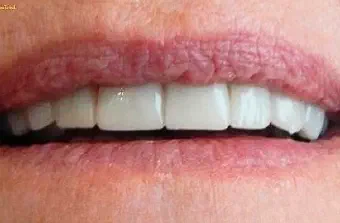
Real patient results

Before & after smile gallery.

Drag the centre line to compare each real case treated by our dental team. Every smile begins with a personal assessment and a plan shaped around the patient.

Areas We Serve

Neighbourhood dental care, close to home.

Located in Cookstown, Innisfil, our dental team welcomes patients from communities across South Simcoe, Barrie, and northern York Region.

Get directions
  • Cookstown
  • Innisfil
  • Simcoe
  • Lake Simcoe
  • Alcona
  • Stroud
  • Lefroy–Belle Ewart
  • Gilford
  • Churchill
  • Sandy Cove
  • Innisfil Heights
  • Fennell’s Corners
  • Bradford
  • Bradford West Gwillimbury
  • Bond Head
  • Newton Robinson
  • New Tecumseth
  • Alliston
  • Beeton
  • Tottenham
  • Adjala–Tosorontio
  • Everett
  • Loretto
  • Barrie
  • Essa
  • Thornton
  • Baxter
  • Angus
  • Egbert
  • Ivy
  • Utopia
  • York Region
  • East Gwillimbury
  • Queensville
  • Holland Landing
  • Sharon
  • Schomberg
  • Nobleton

Don’t see your community listed? Contact us—we regularly welcome patients from throughout the surrounding region.

Google reviews

Kind words from our patients.

Read what patients have shared about their visits to Cookstown Dental Centre.

A dentist having a friendly consultation with a patient in a bright dental clinic

Your next step

Ready to feel good about your next dental visit?

Whether you are new to the clinic or returning for care, our team is here to make booking simple and answer your questions.

Call Book Now WhatsApp

How can we help?

The Cookstown Dental team is here for you.

Need an appointment, have a question, or want to talk through your options? Choose the next step that works best for you.

Send us a note

We’ll get back to you as soon as we can.