Cookstown Dental Centre
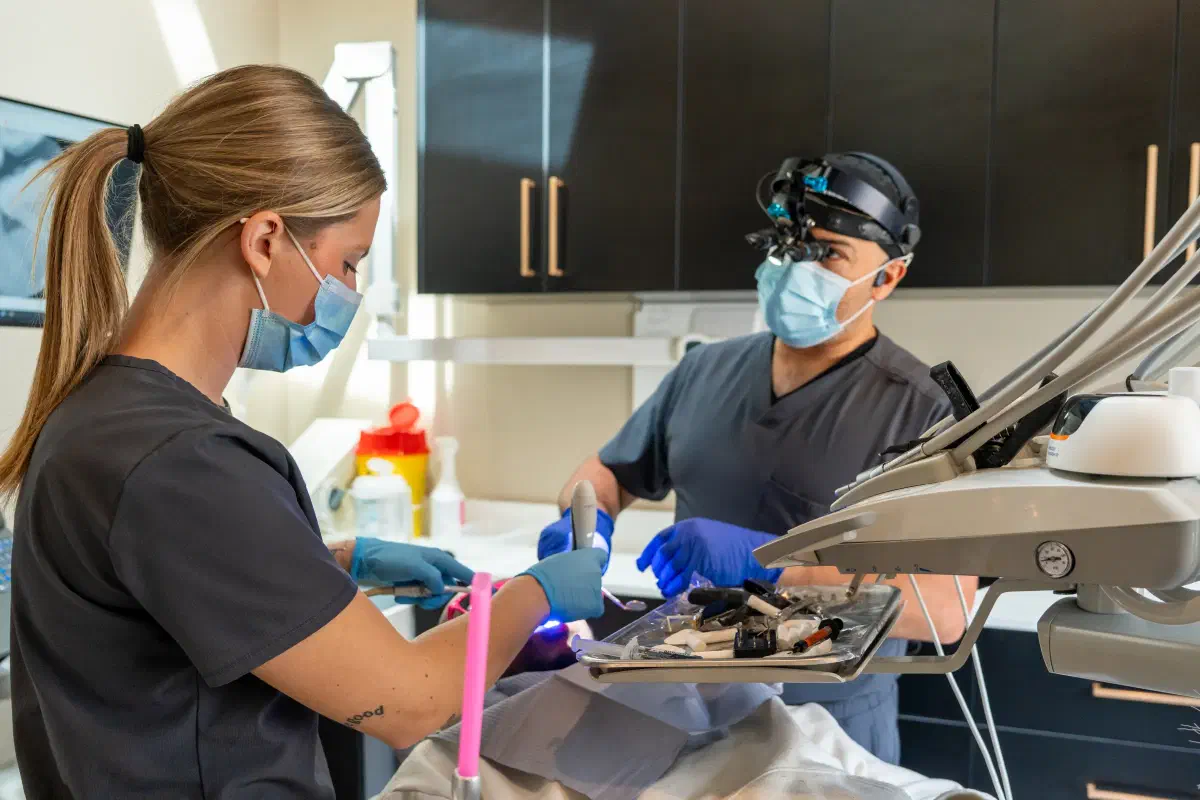
The Cookstown Dental Centre team caring for a patient in a treatment room

Cosmetic Dentistry · Cookstown

Keep a settled smile supported with a clear retainer.

Clear retainers hold teeth after orthodontic treatment. Learn about fit, wear, cleaning, and the signs that a transparent retainer needs professional review.

Request an appointment

Let’s find a time that works.

Need urgent dental help? Call (705) 291-2222.

Clear Retainers in Cookstown

A retainer holds a position; it needs to fit that position.

A clear retainer is a transparent appliance made to help hold teeth after orthodontic movement. It may resemble an aligner, but its purpose and instructions are different. The way it seats, the condition of the plastic, and the wear schedule all matter. A retainer that has become tight or no longer fits should be assessed rather than forced into place.

At Cookstown Dental Centre, we discuss clear retention in the context of your previous treatment and current tooth position. Bring your existing appliance and any instructions from your orthodontic provider. We can review fit, cleaning difficulties, and replacement needs, and explain when coordination with the original provider is useful before a new appliance is made or the routine changes.

A clear retainer on a dental cast beside an open storage case

Care that fits

What makes a clear retainer useful.

The appliance has to work with your mouth and your routine. Its transparency is only one part of deciding whether this form of retention is appropriate.

A close fit over the teeth

A clear retainer is formed to a recorded tooth position. It should seat according to the instructions given at fitting, without being forced or leaving an unexplained gap. Tell us about recent fillings, crowns, or tooth movement, because changes in the mouth can affect an appliance that previously fitted well.

A routine you can follow

The prescribed wear schedule may change over time, but it should come from the treating clinician. Discuss work, travel, and habits that make wear difficult. A simple storage and cleaning routine helps prevent a removable appliance from being forgotten, lost, or left where heat or pets can damage it.

A plan for review

Plastic can wear, crack, or distort, and the teeth themselves can change. Retention therefore includes checking the appliance and oral health, not just keeping an old tray indefinitely. Ask who will monitor the fit and how replacement should be arranged after active orthodontic treatment has ended.

Understanding the options

Know how it differs from other appliances.

Similar-looking dental devices are not interchangeable. Use the appliance for the purpose and schedule prescribed rather than choosing by appearance.

Clear retainer and active aligner

An active aligner is part of a sequence intended to move teeth; a retainer is generally intended to hold a position. Wearing an old aligner or a poorly fitting retainer to correct new movement without assessment can be unsuitable. Ask the provider what appliance should be worn while a concern is reviewed.

Removable and fixed retention

A bonded wire stays on selected teeth, while a clear retainer is removed for cleaning and other activities as directed. Some plans combine approaches. The choice depends on the bite, tooth positions, cleaning access, and previous treatment, so one form should not be assumed to replace another automatically.

Planning together

Check the fit before changing your routine.

A few observations help the clinician decide whether the appliance remains suitable. Bring the retainer itself whenever possible.

Describe where it feels different

Notice whether tightness is general or limited to one tooth, whether it seats fully, and whether an edge rubs the gum. Tell us when the change began and whether wear has been interrupted. Those details are more useful than trying to stretch, trim, or adjust the retainer yourself.

Look for damage or distortion

Cracks, holes, a bent edge, or a change after exposure to hot water deserve attention. Store the retainer safely and ask whether it should be worn until the appointment. A device that is sharp or partly broken may need a different temporary plan from one that is simply discoloured.

Share recent dental treatment

A new restoration can change the surface the retainer fits over. Tell the dentist or orthodontist before the procedure when possible, and bring the appliance afterward. Coordination can help determine whether adjustment or a new record is required rather than discovering the mismatch after an extended break in wear.

The appointment

From a suitable record to ongoing use.

A new clear retainer should be made for an agreed position and checked before it becomes part of your routine. The details vary with the treatment history.

  1. Confirm what is being retained

    The clinician reviews current alignment and the previous orthodontic plan. If teeth have shifted, discuss whether the goal is to hold the current position or consider correction first. A new retainer made from today’s teeth will not automatically recreate the alignment shown in an older photograph.

  2. Take records and check delivery

    A scan or impression is taken when appropriate, and the resulting appliance is checked at fitting. Practise insertion and removal and point out any pressure or rough area. Ask for specific instructions about wear and cleaning so the appliance’s role is clear from the beginning.

  3. Keep care connected

    Attend recommended reviews and report a lost or damaged appliance promptly. Continue ordinary dental examinations and cleaning around any bonded retention as well. The plan should explain whom to contact after a move, provider change, or long gap in care so retention does not become an unattended responsibility.

Frequently asked questions

Questions about clear retainers

Is a clear retainer meant to straighten teeth?

It is generally designed to maintain a position rather than provide a new course of tooth movement. Some situations require a specific clinician-directed adjustment or treatment plan. Do not use a tight retainer as a substitute for assessment of shifted teeth.

How many hours should I wear it?

Follow the schedule prescribed for your case. It may differ from a friend’s instructions and may change after review. If the routine is difficult or has been interrupted, contact the provider rather than deciding independently to reduce or stop wear.

Can I eat with a clear retainer in?

Removable clear retainers are generally taken out for eating, but follow the instructions for your appliance. Store it in a case and clean the teeth before replacing it as advised. Avoid leaving it on a tray or wrapping it in a napkin.

What should I use to clean it?

Use the cleaning method recommended for the material and rinse thoroughly. Avoid hot water and unapproved harsh products that may damage or distort it. Ask whether a particular cleanser is suitable instead of assuming that denture and retainer products are interchangeable.

What if it suddenly feels tight?

Tell the treating provider, especially if it does not seat fully or causes significant discomfort. Changes can relate to missed wear, tooth movement, dental work, or distortion. Do not force an appliance that no longer fits properly.

Does a fixed wire mean I can stop the clear retainer?

Not necessarily. Some plans use both for different reasons. Follow the treating clinician’s instructions and ask before dropping one part of the plan. A wire also needs review if a bond loosens or cleaning becomes difficult.

How often will I need a replacement?

There is no universal interval. Fit, material wear, damage, and changes in the mouth guide replacement. Bring it to reviews and contact the provider about cracks, sharp areas, or a lost appliance rather than waiting for a routine calendar date.

Real patient results

Before & after smile gallery.

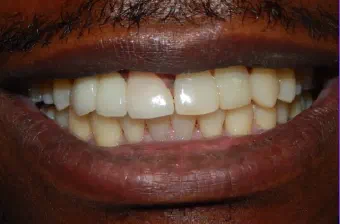
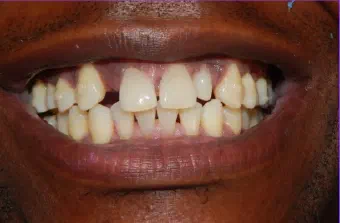
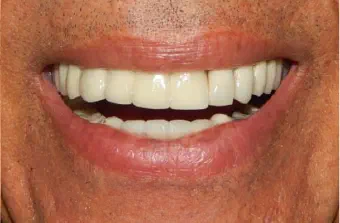
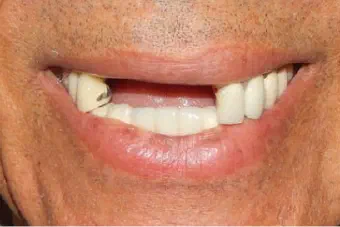
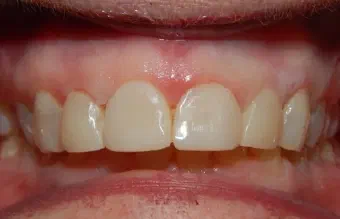
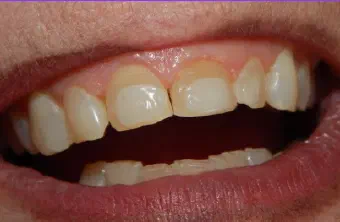
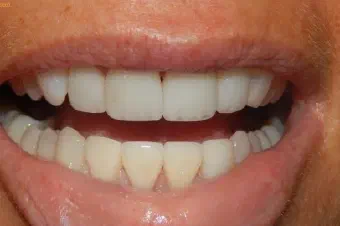
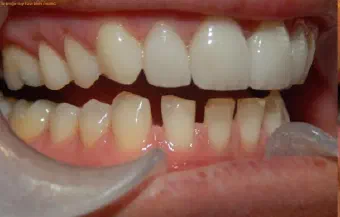
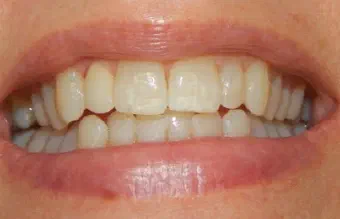
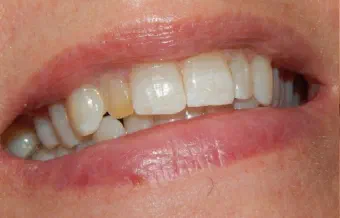
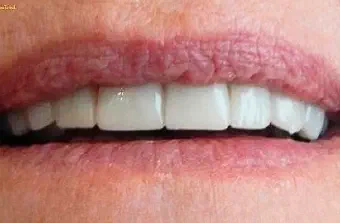
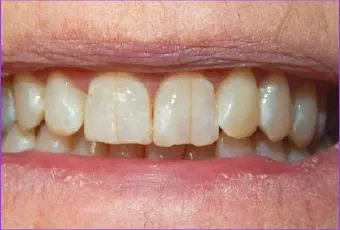
Drag the centre line to compare each real case treated by our dental team. Every smile begins with a personal assessment and a plan shaped around the patient.

Areas We Serve

Neighbourhood dental care, close to home.

Located in Cookstown, Innisfil, our dental team welcomes patients from communities across South Simcoe, Barrie, and northern York Region.

Get directions
  • Cookstown
  • Innisfil
  • Simcoe
  • Lake Simcoe
  • Alcona
  • Stroud
  • Lefroy–Belle Ewart
  • Gilford
  • Churchill
  • Sandy Cove
  • Innisfil Heights
  • Fennell’s Corners
  • Bradford
  • Bradford West Gwillimbury
  • Bond Head
  • Newton Robinson
  • New Tecumseth
  • Alliston
  • Beeton
  • Tottenham
  • Adjala–Tosorontio
  • Everett
  • Loretto
  • Barrie
  • Essa
  • Thornton
  • Baxter
  • Angus
  • Egbert
  • Ivy
  • Utopia
  • York Region
  • East Gwillimbury
  • Queensville
  • Holland Landing
  • Sharon
  • Schomberg
  • Nobleton

Don’t see your community listed? Contact us—we regularly welcome patients from throughout the surrounding region.

Google reviews

Kind words from our patients.

Read what patients have shared about their visits to Cookstown Dental Centre.

A dentist having a friendly consultation with a patient in a bright dental clinic

Your next step

Ready to feel good about your next dental visit?

Whether you are new to the clinic or returning for care, our team is here to make booking simple and answer your questions.

Call Book Now WhatsApp

How can we help?

The Cookstown Dental team is here for you.

Need an appointment, have a question, or want to talk through your options? Choose the next step that works best for you.

Send us a note

We’ll get back to you as soon as we can.