Cookstown Dental Centre
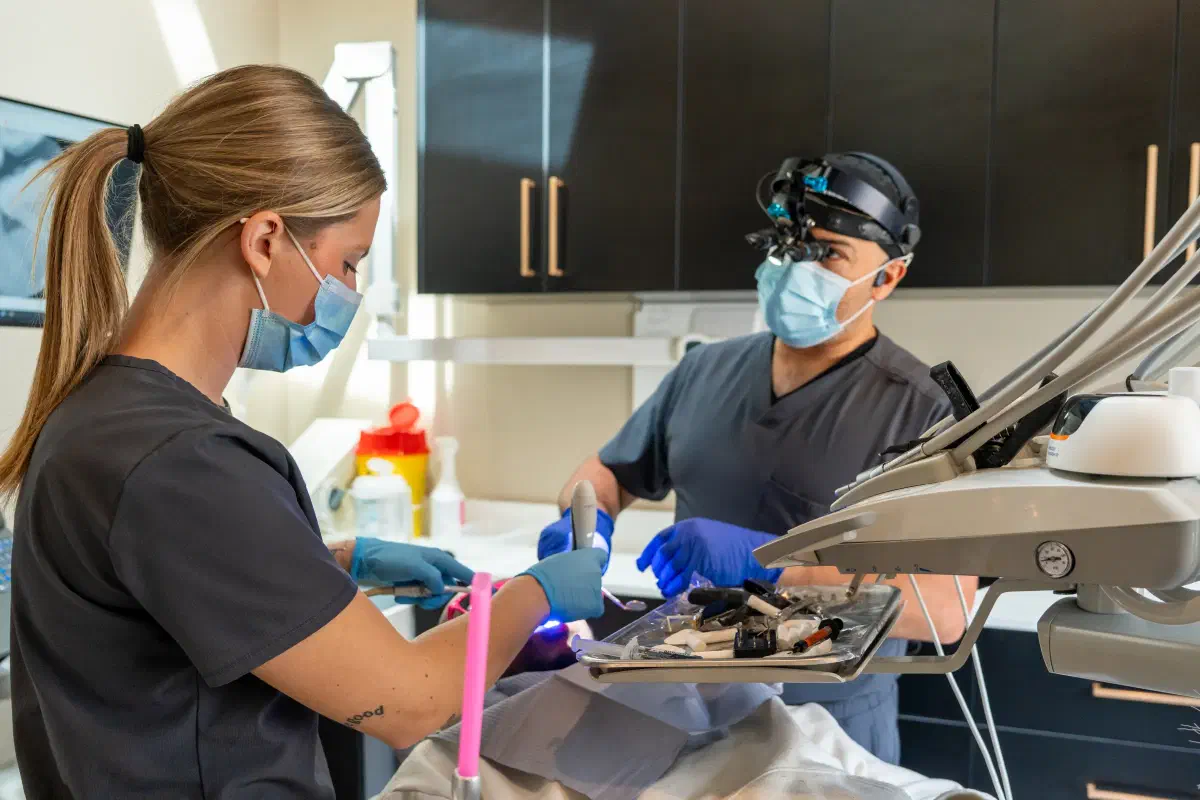
The Cookstown Dental Centre team caring for a patient in a treatment room

Restorative Dentistry · Cookstown

Plan a complete denture around support, appearance, and daily use.

Complete dentures replace all teeth in an arch. Explore records, try-ins, fit, eating and speech changes, adjustment visits, and ongoing tissue care.

Request an appointment

Let’s find a time that works.

Need urgent dental help? Call (705) 291-2222.

Complete Dentures in Cookstown

A full denture is designed for the mouth and tissues supporting it.

Complete dentures are removable appliances that replace all teeth in an upper or lower arch. Their function depends on the remaining ridge, soft tissues, saliva, muscle control, and the way the upper and lower teeth meet. They can restore useful appearance and function, but they do not feel or behave exactly like natural teeth and may require an adjustment period.

At Cookstown Dental Centre, planning begins with the condition of the mouth and your experience with any previous dentures. We discuss retention, tooth arrangement, comfort, and the responsibilities of daily care. If teeth are still present, extraction and healing introduce additional decisions. The process should include clear opportunities to assess the proposed result and follow-up after delivery rather than treating the denture as a finished product that never needs review.

An older patient and clinician reviewing a complete denture model

What we consider

Assess the support available for each arch.

Upper and lower dentures can have different practical challenges even when they are made together.

Ridge shape and tissue health

The clinician examines the ridges and soft tissues for support, tenderness, and other concerns. Inflammation or an unhealthy area may need attention before records are finalized. The shape of the supporting surface influences stability, so a new denture cannot be expected to overcome every limitation through tighter fit alone.

Saliva, muscles, and coordination

Dry mouth, tongue activity, and the ability to manage the appliance can affect comfort and retention. Share relevant medical history and practical difficulties. The plan should consider handling and cleaning needs as well as appearance, particularly if another person helps with daily care.

The opposing teeth or appliance

A complete denture may work against natural teeth, another denture, or an implant restoration. That relationship affects tooth arrangement and loading. The clinician assesses both sides of the bite rather than designing a single appliance as though its opposing surfaces and support were irrelevant.

The appointment

Build the appliance through measured stages.

The exact records and appointments depend on the clinical plan and fabrication method.

  1. Record the mouth and bite

    Impressions, scans where appropriate, and bite records help establish the supporting surfaces and relationship between the arches. The clinician explains what each stage contributes. Digital methods can be useful, but they do not remove the need to assess tissues, contacts, and the position of the jaws clinically.

  2. Review the proposed teeth and appearance

    Where a try-in is part of the workflow, review tooth arrangement, lip support, speech, and the appearance you want. Raise concerns before final processing when possible. The dentist explains which features can still be changed and any limits, especially when an immediate denture must be made before extraction.

  3. Fit the completed denture

    At delivery, the appliance is checked for fit and contacts, with instructions for insertion, removal, and care. A new denture commonly needs follow-up adjustments. Knowing how to arrange those visits helps avoid the assumption that you must tolerate a painful pressure point until you adapt.

Practical guidance

Allow time to learn eating and speaking with the appliance.

Practical coaching should be tailored to your comfort and the denture design.

Begin with manageable food choices

Follow the clinician’s advice about food texture, bite size, and chewing while learning to control the appliance. Report persistent instability rather than avoiding more and more foods indefinitely. Adaptation can take practice, but a fit problem deserves assessment instead of being dismissed as a failure to try hard enough.

Practise speech and handling

Reading aloud and practising insertion and removal may help you become familiar with the appliance, as advised. Ask for a demonstration if handling is difficult. A denture should be manageable in daily life, so concerns about dexterity, gagging, or speaking deserve a conversation and appropriate review.

Use adhesive only within the care plan

Adhesive may be useful for some wearers, but it does not correct every fit problem. Follow product and clinician instructions and mention increasing reliance on it. A denture that has become loose or painful should be checked rather than held in place with progressively larger amounts.

Understanding the options

Understand the alternatives when stability is limited.

A conventional complete denture is one option within a broader replacement discussion.

A removable denture without implants

This avoids implant surgery and may be appropriate for many circumstances, with realistic expectations about support and adaptation. The quality of fit, design, and follow-up still matters. Discuss the limits of the particular ridge and how maintenance will be handled as the tissues change over time.

Implant-assisted options where suitable

Implants may improve retention or support in selected cases, but they require assessment, treatment, and ongoing care. Removable and fixed designs have different cleaning and repair responsibilities. A consultation should compare those commitments and health requirements rather than present implants as an automatic upgrade for every denture wearer.

Planning together

Keep mouth care and appliance care connected.

Even without natural teeth in an arch, the tissues and denture need continuing attention.

Clean and store the denture appropriately

Use the method recommended for the material and clean the mouth as advised. Avoid heat, harsh products, and home adjustments that can damage the appliance. Ask about the prescribed routine for removing it and resting the tissues, including any different short-term instructions after extractions.

Arrange reviews for changes in fit

Ridges and tissues can change, and artificial teeth can wear. Report sore spots, rocking, fractures, or a change in biting. A reline, adjustment, or replacement may be appropriate after assessment; the absence of tooth decay does not make regular oral examinations unnecessary.

Frequently asked questions

Questions about complete dentures

Are complete dentures the same as full dentures?

Yes, the terms commonly refer to a removable appliance replacing all teeth in an arch. The design and clinical sequence can still differ. Ask whether the plan involves healed tissues, immediate placement after extractions, or implant assistance.

Will an upper and lower denture feel equally stable?

Not necessarily. Anatomy, saliva, muscles, and the opposing bite affect each arch differently. The clinician explains the expected limits in your mouth. Persistent movement should be assessed rather than assumed to be something you must simply endure.

Can I sleep in my dentures?

Follow the clinician’s instructions, which may differ temporarily after extractions. Ongoing care commonly includes time out of the mouth to rest tissues. Ask for a clear routine suitable for your appliance and health needs rather than copying another person’s habits.

How many appointments are needed?

The number depends on the records, fabrication method, try-in stages, and adjustments required. Ask for an individual sequence and allow for follow-up after delivery. A shorter workflow should not be assumed to eliminate the need for fit and bite checks.

Will I need adhesive with a new denture?

Some people may benefit from appropriate adhesive use, but it is not a universal requirement or a substitute for assessment. Discuss how much and how to use it if recommended. Increasing dependence or poor stability should prompt a fit review.

Can a denture be changed if my gums shrink?

Depending on the appliance and tissues, adjustment, a reline, rebasing, or replacement may be considered. The dentist assesses the teeth, base, bite, and support before choosing. One procedure does not automatically solve every change in fit.

Do I still need dental checkups without natural teeth?

Yes. The mouth, tissues, appliance, and any remaining teeth or implants need review. Report persistent ulcers, lumps, bleeding, or changes in comfort. Denture care includes oral health assessment, not only cleaning the appliance or repairing it when it breaks.

Real patient results

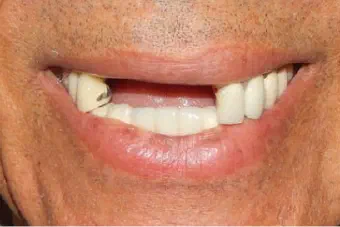
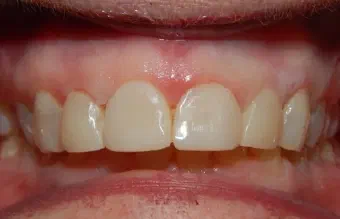
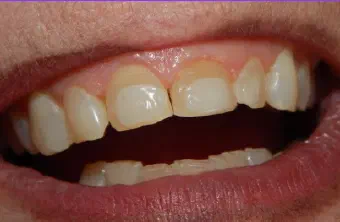
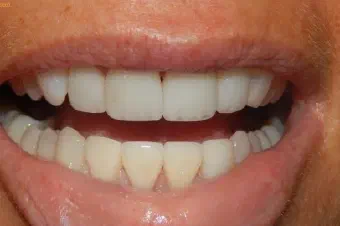
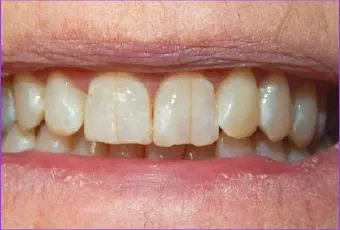
Before & after smile gallery.

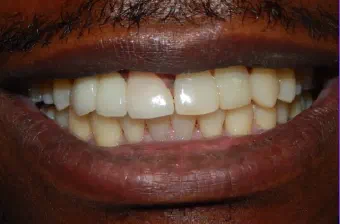
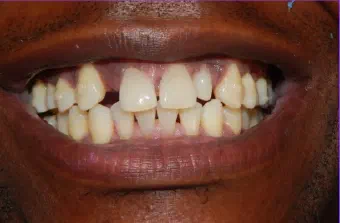
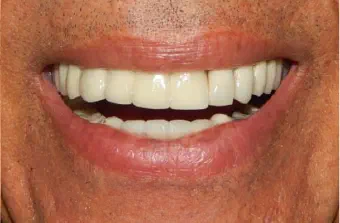
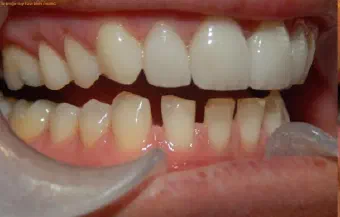
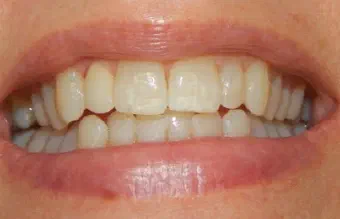
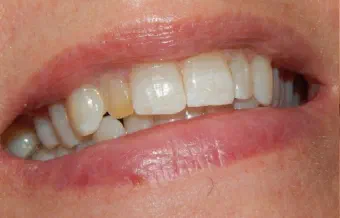
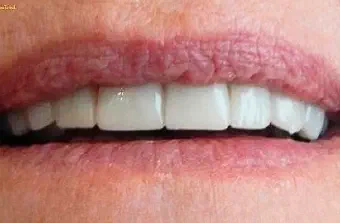
Drag the centre line to compare each real case treated by our dental team. Every smile begins with a personal assessment and a plan shaped around the patient.

Areas We Serve

Neighbourhood dental care, close to home.

Located in Cookstown, Innisfil, our dental team welcomes patients from communities across South Simcoe, Barrie, and northern York Region.

Get directions
  • Cookstown
  • Innisfil
  • Simcoe
  • Lake Simcoe
  • Alcona
  • Stroud
  • Lefroy–Belle Ewart
  • Gilford
  • Churchill
  • Sandy Cove
  • Innisfil Heights
  • Fennell’s Corners
  • Bradford
  • Bradford West Gwillimbury
  • Bond Head
  • Newton Robinson
  • New Tecumseth
  • Alliston
  • Beeton
  • Tottenham
  • Adjala–Tosorontio
  • Everett
  • Loretto
  • Barrie
  • Essa
  • Thornton
  • Baxter
  • Angus
  • Egbert
  • Ivy
  • Utopia
  • York Region
  • East Gwillimbury
  • Queensville
  • Holland Landing
  • Sharon
  • Schomberg
  • Nobleton

Don’t see your community listed? Contact us—we regularly welcome patients from throughout the surrounding region.

Google reviews

Kind words from our patients.

Read what patients have shared about their visits to Cookstown Dental Centre.

A dentist having a friendly consultation with a patient in a bright dental clinic

Your next step

Ready to feel good about your next dental visit?

Whether you are new to the clinic or returning for care, our team is here to make booking simple and answer your questions.

Call Book Now WhatsApp

How can we help?

The Cookstown Dental team is here for you.

Need an appointment, have a question, or want to talk through your options? Choose the next step that works best for you.

Send us a note

We’ll get back to you as soon as we can.