Cookstown Dental Centre
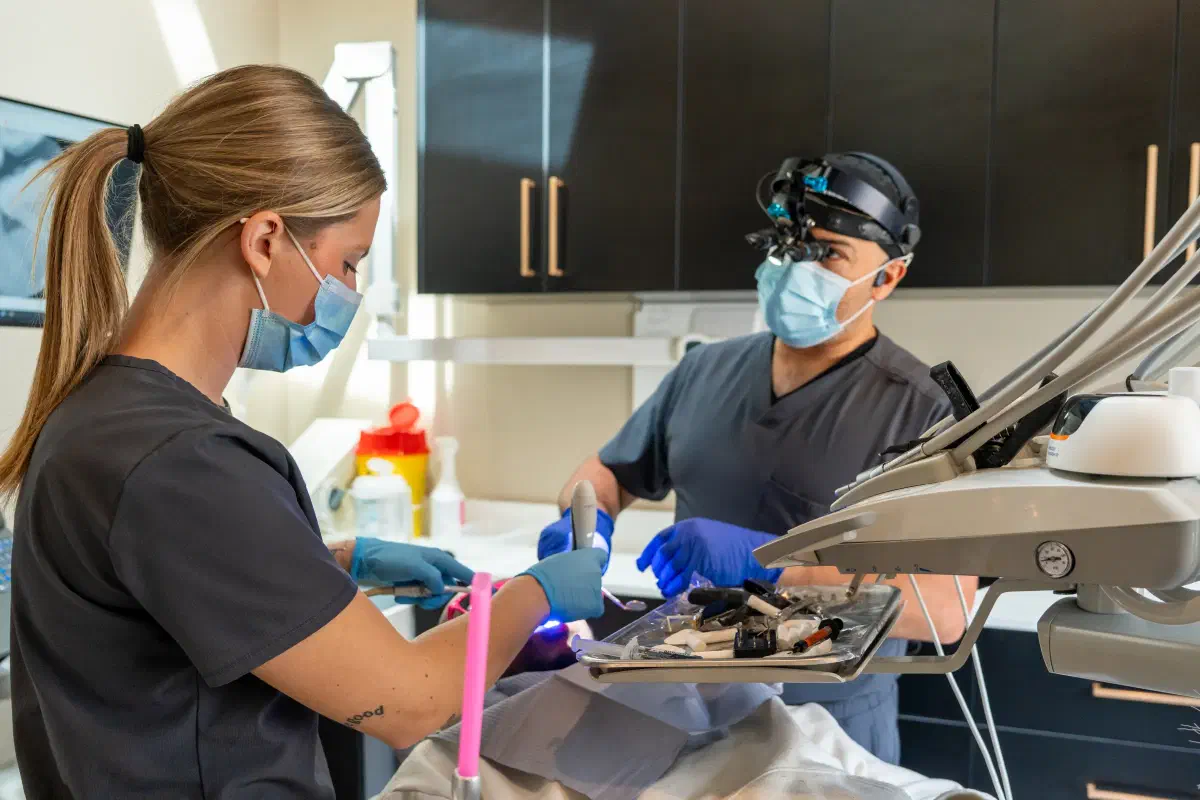
The Cookstown Dental Centre team caring for a patient in a treatment room

Restorative Dentistry · Cookstown

Restore a suitable defect with tooth-coloured composite.

Composite fillings can repair selected cavities and defects. Explore moisture control, tooth support, shade, bite checks, and when another restoration fits better.

Request an appointment

Let’s find a time that works.

Need urgent dental help? Call (705) 291-2222.

Composite Fillings in Cookstown

The filling material is one part of a sound repair.

Composite is a tooth-coloured resin material used to restore suitable cavities and other tooth defects. It can be shaped directly in the mouth and bonded to prepared tooth surfaces. Its suitability depends on the size and location of the defect, remaining structure, moisture control, and the forces the restoration will carry.

At Cookstown Dental Centre, we discuss why a direct filling is appropriate and whether another type of restoration offers useful protection. A colour match is important, but so are the seal, contact with the next tooth, and the way the repair meets the opposing teeth. This page focuses on the material and placement decisions. Composite is not automatically the right answer for every large cavity or every older filling you would like to replace.

A dentist discussing composite filling shade and tooth support using a molar model

Care that fits

Understand what composite can restore.

The same material can be used in different clinical situations, but the preparation and expected demands vary.

A cavity or localized defect

The dentist assesses decay or damage and how much sound tooth remains around it. A direct composite may be suitable when the defect can be accessed, isolated, and shaped appropriately. The visible size of an opening does not always show the amount of damage beneath an old restoration or within the tooth.

An existing restoration that needs attention

A limited repair may sometimes preserve sound material, while a more extensive defect may need replacement. The clinician explains the reason for intervening and the alternatives. Composite should not be selected solely to change colour if removing a serviceable restoration would sacrifice tooth structure without a benefit you understand.

What we consider

Match the material to the working conditions.

A successful-looking filling still needs an appropriate foundation and placement environment.

Remaining walls and cusps

A tooth with thin, cracked, or extensively undermined structure may need more protection than a direct filling provides. The dentist assesses how the remaining parts are loaded. An onlay or crown may be discussed when justified, but broader coverage should not be assumed necessary simply because composite is being considered.

Moisture control and access

Bonding depends on suitable surface preparation and control of contamination. A deep margin or difficult location can affect the choice of technique and material. The clinician explains practical limits rather than promising an identical procedure for a small front defect and a large cavity extending near the gum.

Contact, contour, and bite

The new surface should allow useful chewing and cleaning beside the neighbouring tooth. A filling that looks smooth from above can still need adjustment if the contact traps food or the bite feels high. Discuss these functional requirements alongside the shade and appearance of the restoration.

A closer look

What placement commonly involves.

The exact steps depend on the defect and any findings uncovered during treatment.

  1. Prepare the tooth and select the approach

    The dentist removes or manages the indicated damaged material and reassesses the remaining structure. Comfort measures and isolation are provided as appropriate. If the defect is more extensive than expected, a change in restoration may be discussed rather than proceeding with a filling that no longer suits the tooth.

  2. Place, shape, and cure the material

    Composite is applied and hardened with the relevant technique while the contour is developed. The clinician considers the contact area and surface form, not only the colour. The number of stages and appointment length depend on the restoration, so one small filling does not predict the experience of every other composite repair.

  3. Finish and check function

    The restoration is shaped, polished, and checked against the bite. Let the dentist know if the tooth feels different when closing. The appointment should include advice on expected comfort and what to report afterward, including persistent sensitivity, food trapping, or a contact that feels too high.

Understanding the options

Compare a direct filling with other reasonable options.

The decision should protect the tooth without adding unnecessary treatment.

A direct composite restoration

This can be appropriate for a suitable defect with adequate support and access. It is placed in the mouth and may be repairable if a localized problem develops later. It still has limits under load and needs ongoing review; a bonded material does not make the tooth immune to cracking or future decay.

An indirect or alternative restoration

An inlay, onlay, crown, or another material may be considered when the defect and clinical conditions support it. These options differ in preparation, fabrication, coverage, and maintenance. Ask what benefit the proposed alternative offers for your tooth rather than comparing only colour or the number of appointments.

Practical guidance

Keep the restoration maintainable over time.

A filling replaces missing structure but does not remove the factors that caused the original defect.

Clean the tooth and neighbouring contact

Follow the recommended brushing and interdental routine and ask about an area that is difficult to clean. A restored tooth can still develop decay around its margins. Preventive advice should reflect your actual risk rather than assume the new material alone protects the entire tooth indefinitely.

Report changes before the repair grows larger

Contact the clinic about a broken edge, persistent sensitivity, or repeated food packing. A small localized defect may sometimes be managed conservatively if assessed early. The dentist determines whether polishing, repair, replacement, or another investigation is appropriate instead of replacing every filling automatically at a fixed age.

Frequently asked questions

Questions about composite fillings

Is composite the same as a white filling?

Composite is a common tooth-coloured filling material, but the everyday term white filling can refer to more than one material. Ask what is proposed and why. Suitability depends on the defect and clinical conditions as well as appearance.

Can composite be used for a large back-tooth filling?

Sometimes, but the remaining walls, cusps, bite, and ability to place it appropriately matter. A larger defect may need additional coverage. The dentist should explain the specific reason for the chosen restoration rather than decide from size alone.

Will the filling strengthen a cracked tooth?

A filling may restore a defect, but it does not heal a crack or guarantee protection from further fracture. The crack and remaining structure need assessment. A different restoration or additional treatment may be recommended depending on the diagnosis.

How long will a composite filling last?

Service life varies with the tooth, restoration size, bite, care, and other factors. There is no guaranteed replacement date. Reviews assess actual condition, and a localized problem may sometimes be repaired rather than requiring complete replacement.

Can a composite filling stain?

The surface or margins can change in appearance over time. The dentist assesses whether polishing, repair, monitoring, or replacement is appropriate. A colour change does not automatically prove decay, and a good colour match does not prove the restoration is healthy underneath.

Why is the tooth sensitive after a filling?

Some sensitivity can occur, but the pattern and duration matter. Contact the clinic if it persists, worsens, or occurs with biting. The bite, restoration, and tooth may need assessment rather than assuming every reaction will settle without review.

Should sound metal fillings be replaced with composite?

Not automatically. The condition of the filling and tooth, your goals, and the consequences of removal should be discussed. Replacing a serviceable restoration solely because of its colour or material is a different decision from treating a failed filling.

Real patient results

Before & after smile gallery.

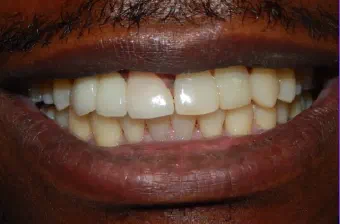
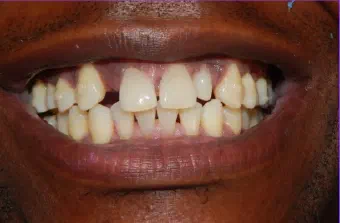
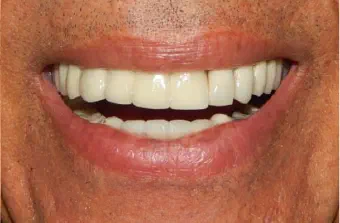
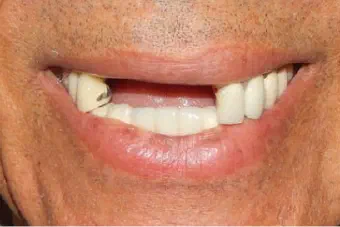
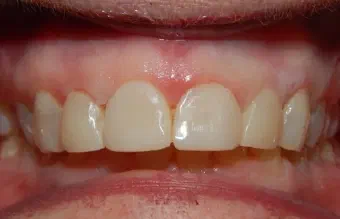
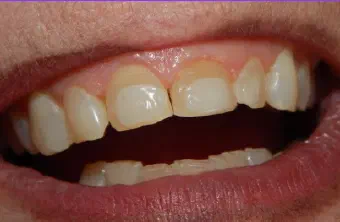
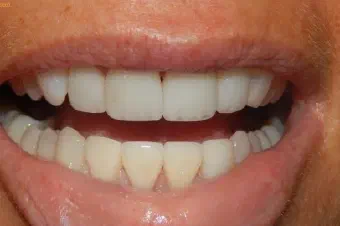
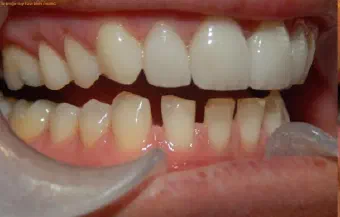
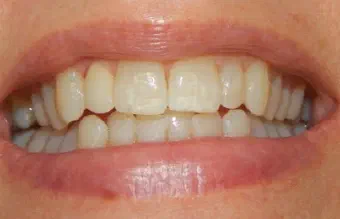
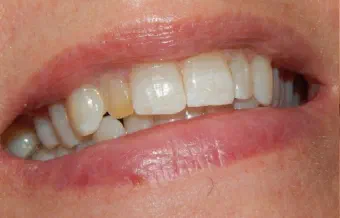
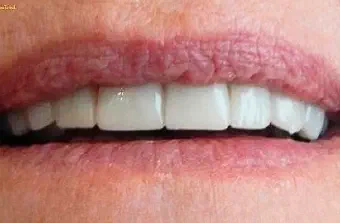
Drag the centre line to compare each real case treated by our dental team. Every smile begins with a personal assessment and a plan shaped around the patient.

Areas We Serve

Neighbourhood dental care, close to home.

Located in Cookstown, Innisfil, our dental team welcomes patients from communities across South Simcoe, Barrie, and northern York Region.

Get directions
  • Cookstown
  • Innisfil
  • Simcoe
  • Lake Simcoe
  • Alcona
  • Stroud
  • Lefroy–Belle Ewart
  • Gilford
  • Churchill
  • Sandy Cove
  • Innisfil Heights
  • Fennell’s Corners
  • Bradford
  • Bradford West Gwillimbury
  • Bond Head
  • Newton Robinson
  • New Tecumseth
  • Alliston
  • Beeton
  • Tottenham
  • Adjala–Tosorontio
  • Everett
  • Loretto
  • Barrie
  • Essa
  • Thornton
  • Baxter
  • Angus
  • Egbert
  • Ivy
  • Utopia
  • York Region
  • East Gwillimbury
  • Queensville
  • Holland Landing
  • Sharon
  • Schomberg
  • Nobleton

Don’t see your community listed? Contact us—we regularly welcome patients from throughout the surrounding region.

Google reviews

Kind words from our patients.

Read what patients have shared about their visits to Cookstown Dental Centre.

A dentist having a friendly consultation with a patient in a bright dental clinic

Your next step

Ready to feel good about your next dental visit?

Whether you are new to the clinic or returning for care, our team is here to make booking simple and answer your questions.

Call Book Now WhatsApp

How can we help?

The Cookstown Dental team is here for you.

Need an appointment, have a question, or want to talk through your options? Choose the next step that works best for you.

Send us a note

We’ll get back to you as soon as we can.