Cookstown Dental Centre
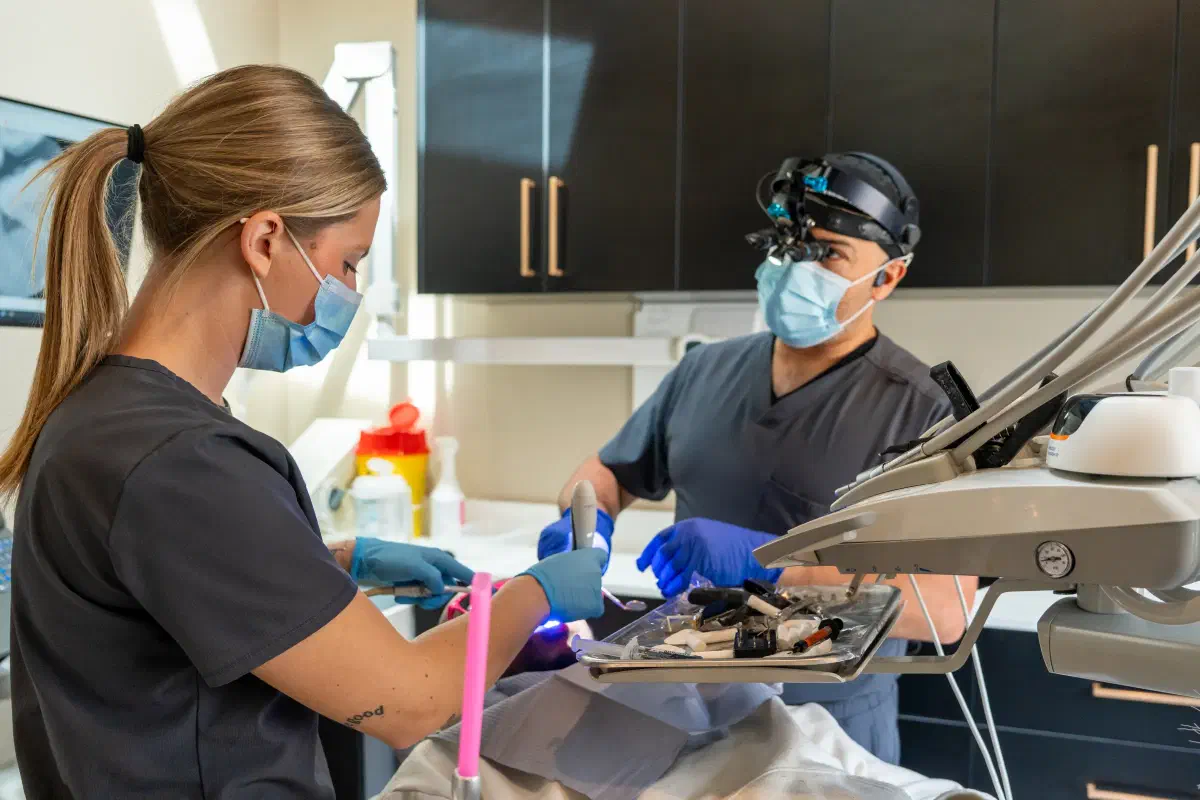
The Cookstown Dental Centre team caring for a patient in a treatment room

Cosmetic Dentistry · Cookstown

Shape a veneer directly around the tooth you have.

Composite veneers cover selected tooth surfaces with shaped resin. Compare preparation, colour limits, repairability, and upkeep before choosing treatment.

Request an appointment

Let’s find a time that works.

Need urgent dental help? Call (705) 291-2222.

Composite Veneers in Cookstown

An additive approach still needs a careful plan.

Composite veneers use tooth-coloured resin to change the visible surface of selected teeth. They can address suitable concerns involving shape, proportion, or colour, with the material shaped directly on the tooth. The amount of preparation varies, and an additive approach does not mean every tooth can be treated without alteration or that the result requires no maintenance.

At Cookstown Dental Centre, we discuss the intended change alongside the health of the teeth, gums, and bite. We consider whether composite veneers, a smaller bonded repair, whitening, orthodontic treatment, or another restoration would better address the concern. Your choice should include how the surface will look and feel, how it will be cleaned, and what future polishing, repair, or replacement may involve.
A patient and dentist comparing natural tooth shades before composite veneer planning

What we consider

Define the change before choosing the material.

The word veneer describes coverage of a visible surface. It does not tell us whether adding that coverage is the best response to the concern.

Shape and proportions

Resin can alter selected contours, but added width or length needs to suit neighbouring teeth and the bite. We discuss which teeth contribute to the imbalance you notice. A small change on one surface may be more appropriate than covering several teeth simply to create a uniform appearance.

Colour and translucency

Existing tooth colour and the space available for material affect masking and the final appearance. A very dark tooth can pose different challenges from a slight shade variation. Ask what improvement is realistic and whether whitening or another investigation should come before the veneer decision.

Health and support

Active decay, gum inflammation, cracks, or heavy biting forces may change the recommendation. The dentist examines the tooth rather than judging suitability from a smile photograph alone. A cosmetic surface should be supported by an appropriate clinical plan, including attention to any underlying condition that could compromise it.

Understanding the options

Consider composite alongside the alternatives.

Different options change different parts of the tooth or smile. We explain preparation and maintenance as well as appearance when comparing them.

Composite and porcelain veneers

Composite is placed and shaped directly, and selected defects may be repairable. Porcelain involves a different fabrication and bonding process with its own preparation and care requirements. Neither is maintenance-free, and the best choice depends on the tooth, desired change, bite, and long-term expectations.

A smaller change or tooth movement

A limited chip may need only bonding in that area, while a position problem may be better assessed orthodontically. Whitening changes colour without adding a new surface to every tooth. Comparing these options can help avoid choosing more coverage than the concern reasonably requires.

A closer look

Build the surface with agreed expectations.

The appointment sequence depends on the number of teeth and the plan. Before treatment, understand what will be altered and how the proposed outline will be checked.

  1. Plan the visible outline

    We review photographs, the bite, and your priorities, using demonstrations or trial shapes when appropriate. Discuss length, edge character, and the degree of change you want. The aim is an agreed direction, not a promise that a reference photograph can be copied onto a different set of teeth.

  2. Prepare and shape the resin

    The tooth is prepared according to the selected technique, and composite is placed, shaped, and hardened. Access and moisture control matter. We explain the appointment demands and comfort measures, and the amount of tooth alteration should be clear before you consent to proceed.

  3. Finish and review function

    The surface is refined and polished, with contacts and bite checked as appropriate. We discuss cleaning and any follow-up needed to review comfort or finish. Tell us if an edge catches, floss shreds, or the teeth meet differently; function deserves attention alongside the initial cosmetic impression.

Practical guidance

Plan for a surface that can change over time.

A veneer becomes part of everyday eating, cleaning, and smiling. Good maintenance includes knowing when a small change deserves professional review.

Keep the margins clean

Brush and clean between teeth using the technique recommended for the finished surfaces. Ask how to reach any area that feels different after treatment. Gum irritation or persistent food trapping should be assessed rather than accepted as a necessary consequence of a cosmetic change.

Expect periodic maintenance

Composite may lose polish, stain, wear, or chip. Some concerns can be managed conservatively, while others require more work. Discuss likely upkeep before treatment so a future polishing or repair visit is understood as a possibility rather than an unexpected promise that was never explained.

Coordinate later treatment

Tell any treating dentist about the veneers if you plan whitening, orthodontic care, or other restorations. These decisions can affect shade, contacts, and appliances. Reviewing the whole sequence helps avoid a cosmetic change that becomes difficult to maintain or conflicts with another planned procedure.

Frequently asked questions

Questions about composite veneers

Are composite veneers the same as small bonding repairs?

They use related tooth-coloured materials, but a veneer generally covers more of the visible surface. A small repair may be enough for a localized defect. The dentist can explain why broader coverage is or is not useful for your concern.

Is tooth preparation always unnecessary?

No. Some cases can be largely additive, while others need preparation for shape, space, or bonding. Ask what will be changed on each tooth. A promise of no preparation cannot be made from the treatment name alone.

Can composite veneers be removed without changing the tooth?

Removal and reversibility depend on what was done and the condition of the underlying enamel. Do not assume a veneer can simply be peeled off without consequences. The preparation and future replacement implications should be discussed before treatment.

Will the colour stay the same indefinitely?

Composite can stain or change in polish over time. Daily habits, cleaning, and material wear affect appearance. Ask how maintenance is handled and whether your desired shade can be achieved without creating bulky or unnatural-looking coverage.

Can a chipped composite veneer be repaired?

Sometimes a localized repair or polishing is appropriate. The clinician first assesses the cause, material, and tooth beneath it. Repeated breakage may call for a review of bite forces or the design rather than simply adding resin again.

Should whitening happen before veneers?

Discuss the sequence before either treatment. Natural teeth and existing restorations respond differently to whitening, which can affect shade matching. The dentist can advise on an appropriate order and when a final shade should be selected.

How many teeth should be treated?

That depends on the concerns, smile display, proportions, and alternatives. More teeth are not automatically better. A consultation should explain why each proposed tooth is included and whether a smaller plan could reasonably achieve your goals.

Real patient results

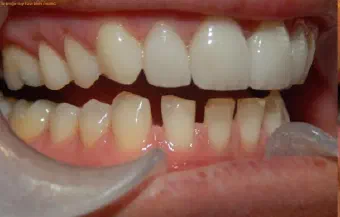
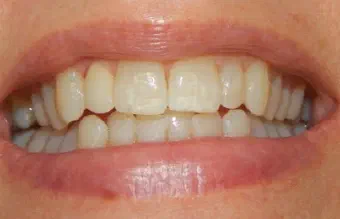
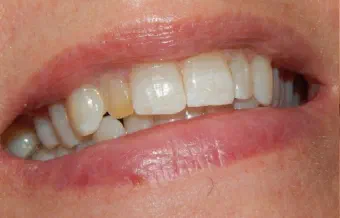
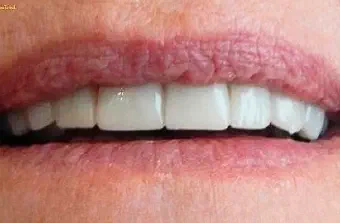
Before & after smile gallery.

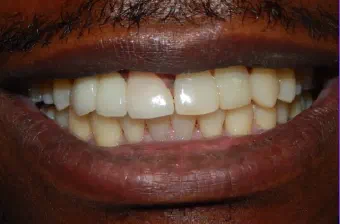
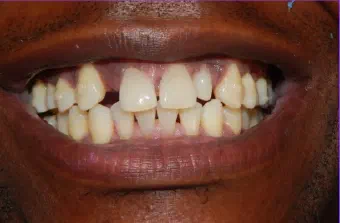
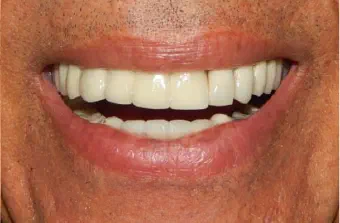
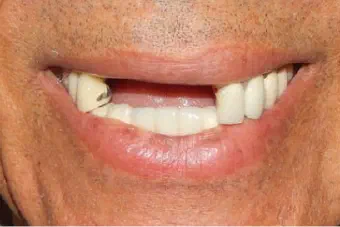
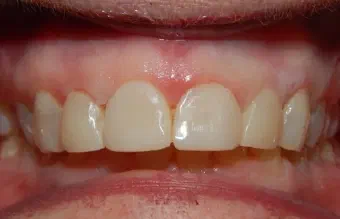
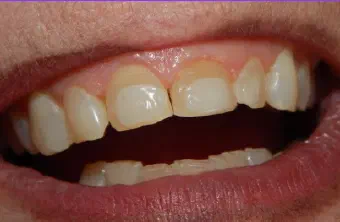
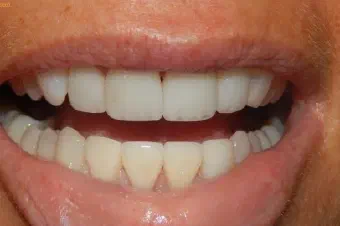
Drag the centre line to compare each real case treated by our dental team. Every smile begins with a personal assessment and a plan shaped around the patient.

Areas We Serve

Neighbourhood dental care, close to home.

Located in Cookstown, Innisfil, our dental team welcomes patients from communities across South Simcoe, Barrie, and northern York Region.

Get directions
  • Cookstown
  • Innisfil
  • Simcoe
  • Lake Simcoe
  • Alcona
  • Stroud
  • Lefroy–Belle Ewart
  • Gilford
  • Churchill
  • Sandy Cove
  • Innisfil Heights
  • Fennell’s Corners
  • Bradford
  • Bradford West Gwillimbury
  • Bond Head
  • Newton Robinson
  • New Tecumseth
  • Alliston
  • Beeton
  • Tottenham
  • Adjala–Tosorontio
  • Everett
  • Loretto
  • Barrie
  • Essa
  • Thornton
  • Baxter
  • Angus
  • Egbert
  • Ivy
  • Utopia
  • York Region
  • East Gwillimbury
  • Queensville
  • Holland Landing
  • Sharon
  • Schomberg
  • Nobleton

Don’t see your community listed? Contact us—we regularly welcome patients from throughout the surrounding region.

Google reviews

Kind words from our patients.

Read what patients have shared about their visits to Cookstown Dental Centre.

A dentist having a friendly consultation with a patient in a bright dental clinic

Your next step

Ready to feel good about your next dental visit?

Whether you are new to the clinic or returning for care, our team is here to make booking simple and answer your questions.

Call Book Now WhatsApp

How can we help?

The Cookstown Dental team is here for you.

Need an appointment, have a question, or want to talk through your options? Choose the next step that works best for you.

Send us a note

We’ll get back to you as soon as we can.