Cookstown Dental Centre
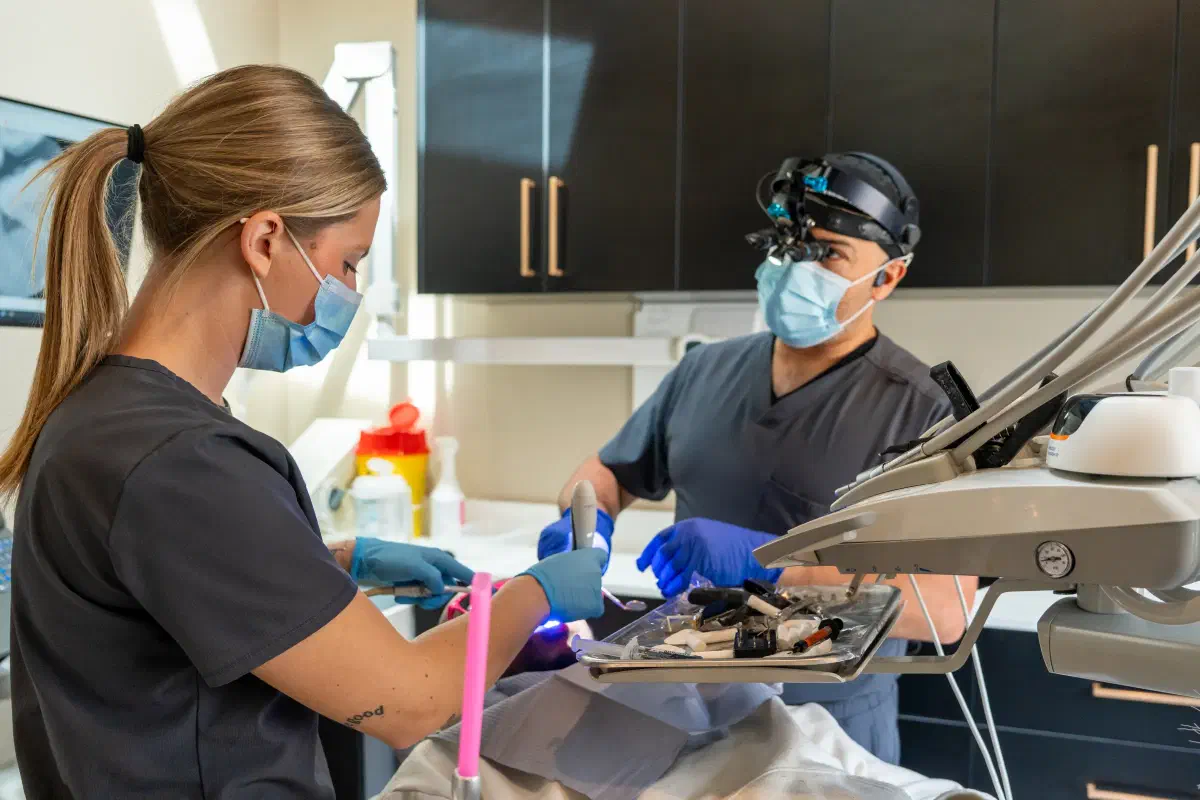
The Cookstown Dental Centre team caring for a patient in a treatment room

Restorative Dentistry · Cookstown

Use digital records to connect implant position with the planned tooth.

Computer-planned implants combine scans, bone assessment, and restorative goals. Learn what the digital plan contributes, its limits, and how surgery is coordinated.

Request an appointment

Let’s find a time that works.

Need urgent dental help? Call (705) 291-2222.

Computer-Planned Implant Placement in Cookstown

A digital plan supports clinical decisions; it does not make them automatically.

Computer-planned implant placement uses appropriate digital records to help assess a proposed implant position in relation to bone, neighbouring structures, and the final restoration. The plan may combine a three-dimensional scan with records of the tooth surfaces and bite. It is a planning process, not a guarantee that an implant is suitable or that every case requires the same technology.

At Cookstown Dental Centre, we discuss what information is needed and how it would influence your options. The desired crown, bridge, or denture should inform the proposed implant position. A surgical guide may be part of a suitable plan, but computer planning and guided surgery are not identical terms. The clinician remains responsible for diagnosis, interpretation, and changes required by the actual surgical findings.

A dentist and patient reviewing a three-dimensional jaw image for implant planning

A closer look

Plan from the replacement tooth back to its support.

The visible restoration and the underlying implant need to work as one design.

  1. The final tooth or prosthesis

    The intended shape, position, bite, and cleaning access of the restoration help define where support is needed. A plan should not place an implant first and leave the eventual tooth as an afterthought. Ask how the proposed position supports the appearance and function you are trying to achieve.

  2. The available bone and nearby structures

    The clinician assesses the site and appropriate imaging for dimensions and relevant anatomy. Digital views can assist interpretation but depend on record quality and clinical judgment. A suitable-looking space on a screen does not remove the need to consider bone, tissues, health, and the surgical conditions.

  3. The surrounding teeth and soft tissues

    Adjacent roots, existing restorations, gum appearance, and available access can influence placement and restoration. These details may limit an otherwise appealing position. The clinician explains when additional treatment or a different replacement option is more reasonable than forcing the plan to fit the preferred digital image.

Planning together

Understand why each record is being requested.

Imaging and scans should answer a clinical question or contribute to a defined planning need.

Three-dimensional imaging when indicated

A CBCT scan may be recommended to assess relevant anatomy and support implant planning. The reason and scope should be explained. It is not ordered simply because a computer is involved, and a scan does not replace a health history, examination, or assessment of the gums and remaining teeth.

Surface and bite records

Digital scans or other records of the mouth may help relate the planned restoration to the implant site. Accurate bite information matters to the final design. The clinician checks that the records fit the clinical situation rather than assuming every dataset can be combined without verification.

Previous implant or restorative information

Bring available records if replacing or working around existing implants, bridges, or crowns. Component details can affect later planning and maintenance. A new digital record does not necessarily identify every older system or explain the history of a failed restoration without additional information.

Understanding the options

Distinguish planning from the surgical method.

A plan can be used in different ways, and each approach has clinical limits.

Computer-supported treatment planning

The digital environment can help evaluate positions and communicate the proposed result. The clinician interprets the information and compares alternatives. It does not guarantee a particular outcome or mean that bone grafting, specialist input, or a different timing can be avoided.

A guide used during suitable surgery

A guide may transfer selected aspects of a plan to the procedure, depending on design and fit. It must be clinically checked and used within its limitations. Guided surgery is not automatically appropriate for every site and does not make the operation risk-free or eliminate the need for professional judgment.

What we consider

Discuss uncertainty before the plan is finalized.

The important questions concern how the treatment will be carried out and maintained, not only how precise the preview looks.

Record accuracy and fit verification

Patient movement, scan quality, changes in the mouth, and the fit of supporting structures can affect planning. The provider checks relevant information before relying on it. A digital workflow should include verification rather than imply that software has removed every source of clinical variation.

Changes required during treatment

The actual site may lead the clinician to modify or defer the planned procedure. Discuss that possibility during consent and understand the backup options. A planned position is a clinical proposal; it should not compel the provider to continue when findings make a different approach more appropriate.

Restoration and cleaning after healing

The planned implant must support a restoration that can be used and maintained. Ask how access for cleaning, screw or cement decisions where relevant, and future repair are considered. The surgical endpoint is only one stage of a treatment whose long-term performance depends on the final restoration and surrounding tissues.

The appointment

Keep the digital plan connected to the whole course of care.

Clear responsibility between stages helps prevent planning and restoration from becoming separate projects.

  1. Review the proposal and coordinated sequence

    The clinician explains suitability, records, any grafting, surgical responsibility, and restorative stages. Discuss timing and fees for the complete plan. If another provider is involved, clarify who confirms the desired position and who will manage a change before assuming all parts are included in one appointment or estimate.

  2. Reassess healing and complete the restoration

    After placement, the site is monitored and the next stage is based on clinical readiness. The planned tooth may need final records or adjustments to reflect the healed tissues. Digital planning does not remove the need for those reviews or the ongoing implant maintenance discussed before treatment began.

Frequently asked questions

Questions about computer-planned implant placement

Is computer-planned placement the same as guided implant surgery?

No. Computer planning uses digital information to assess the proposal. A surgical guide may be one way to transfer parts of that plan to the procedure. Ask which methods are actually included and why they suit your site.

Does every implant need a CBCT scan?

Imaging is selected according to the clinical question and planning requirements. A three-dimensional scan may be indicated, but the provider should explain its purpose and scope. Imaging alone does not determine suitability or replace an examination.

Does the software choose the implant position?

The clinician is responsible for interpreting records and approving the treatment plan. Software supports that process but does not replace diagnosis, restorative judgment, or consent. A displayed position should be explained in relation to bone, anatomy, and the intended replacement tooth.

Can digital planning guarantee a perfect result?

No. Records, biology, surgical findings, healing, and maintenance all introduce variables. Digital planning can assist assessment and communication, but exact outcomes and complication-free treatment should not be promised.

Will I avoid bone grafting with a computer-planned implant?

Not necessarily. The available bone and proposed restoration determine whether grafting is relevant. Planning may clarify the need rather than remove it. The clinician should compare reasonable alternatives if the site does not support the preferred approach.

Can the plan change during surgery?

Yes, clinical findings may justify changing or postponing the proposed procedure. Discuss the possible alternatives before treatment. The provider should use judgment rather than follow a digital position when the actual conditions make it inappropriate.

Does the planning fee include the final crown?

Not automatically. Ask for a clear estimate covering records, surgery, grafting if relevant, temporary work, the final restoration, and follow-up. A digital plan is one part of care and should not be mistaken for an all-inclusive treatment agreement.

Real patient results

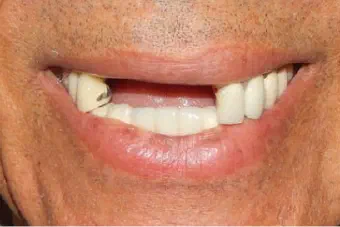
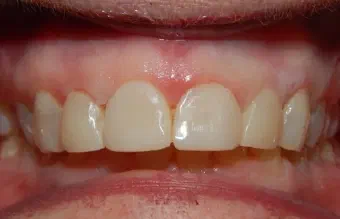
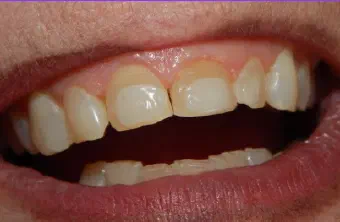
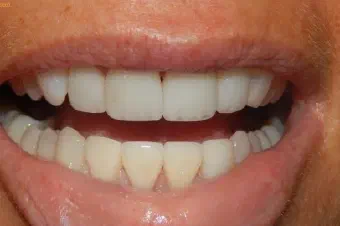
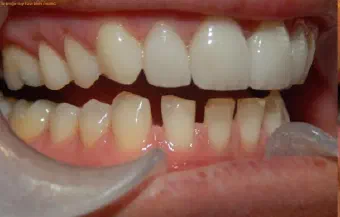
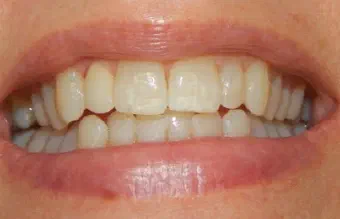
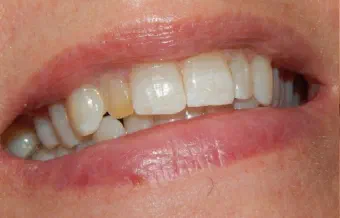
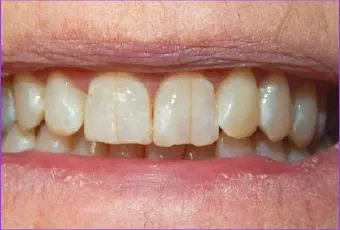
Before & after smile gallery.

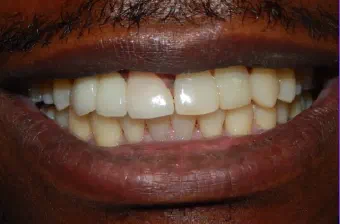
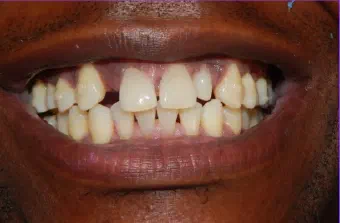
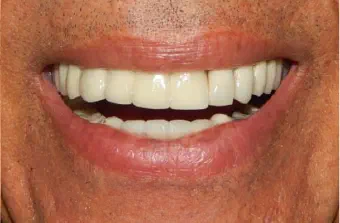
Drag the centre line to compare each real case treated by our dental team. Every smile begins with a personal assessment and a plan shaped around the patient.

Areas We Serve

Neighbourhood dental care, close to home.

Located in Cookstown, Innisfil, our dental team welcomes patients from communities across South Simcoe, Barrie, and northern York Region.

Get directions
  • Cookstown
  • Innisfil
  • Simcoe
  • Lake Simcoe
  • Alcona
  • Stroud
  • Lefroy–Belle Ewart
  • Gilford
  • Churchill
  • Sandy Cove
  • Innisfil Heights
  • Fennell’s Corners
  • Bradford
  • Bradford West Gwillimbury
  • Bond Head
  • Newton Robinson
  • New Tecumseth
  • Alliston
  • Beeton
  • Tottenham
  • Adjala–Tosorontio
  • Everett
  • Loretto
  • Barrie
  • Essa
  • Thornton
  • Baxter
  • Angus
  • Egbert
  • Ivy
  • Utopia
  • York Region
  • East Gwillimbury
  • Queensville
  • Holland Landing
  • Sharon
  • Schomberg
  • Nobleton

Don’t see your community listed? Contact us—we regularly welcome patients from throughout the surrounding region.

Google reviews

Kind words from our patients.

Read what patients have shared about their visits to Cookstown Dental Centre.

A dentist having a friendly consultation with a patient in a bright dental clinic

Your next step

Ready to feel good about your next dental visit?

Whether you are new to the clinic or returning for care, our team is here to make booking simple and answer your questions.

Call Book Now WhatsApp

How can we help?

The Cookstown Dental team is here for you.

Need an appointment, have a question, or want to talk through your options? Choose the next step that works best for you.

Send us a note

We’ll get back to you as soon as we can.