Cookstown Dental Centre
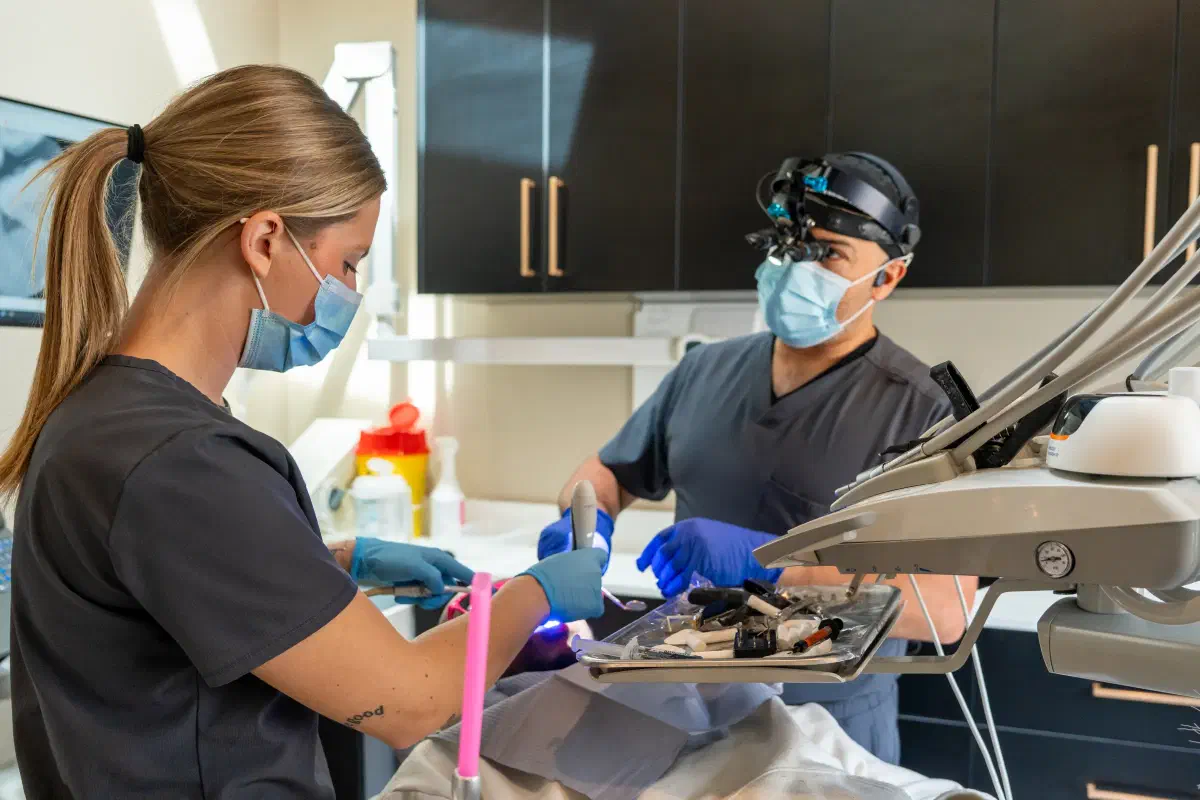
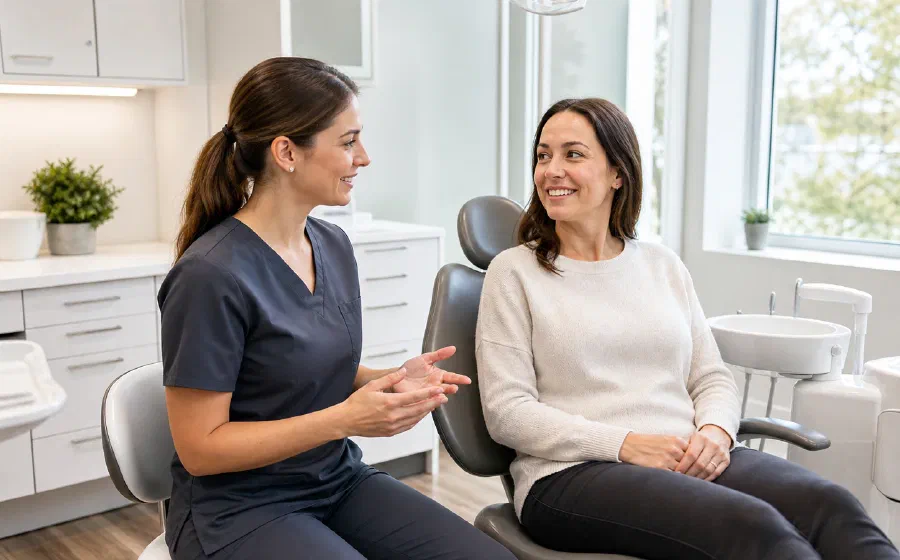
The Cookstown Dental Centre team caring for a patient in a treatment room

Cosmetic Dentistry · Cookstown

Find out what makes the teeth look uneven.

Uneven teeth may reflect edge shape, tooth position, or wear. Compare cosmetic and orthodontic options without assuming every concern needs veneers.

Request an appointment

Let’s find a time that works.

Need urgent dental help? Call (705) 291-2222.

Cosmetic Correction of Uneven Teeth in Cookstown

Similar-looking unevenness can call for different care.

One tooth may look shorter, another may sit behind its neighbour, and a worn edge may make an otherwise aligned smile seem irregular. These are different concerns even when they are all described as uneven teeth. A useful assessment separates shape, position, gumline, and wear so the proposed change addresses the source of the appearance.

At Cookstown Dental Centre, we discuss which details you notice and what degree of change would feel right. Some concerns suit a small bonded addition or limited contouring; others need tooth movement, restorative care, or monitoring. The goal is not to make every tooth identical. It is to choose a proportionate plan that respects the health, bite, and natural character of your smile.
A dentist and patient discussing uneven tooth shapes on a dental model

Care that fits

Name the unevenness you want to change.

Pointing to the exact area is more useful than choosing a treatment in advance. We can help turn a general concern into specific questions for assessment.

Different edge lengths

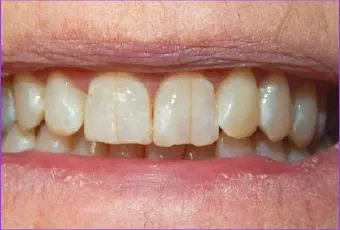
A short-looking edge may reflect normal shape, a chip, or wear. The dentist checks how the teeth meet and whether the change is recent. Adding length and shortening a neighbouring tooth have very different consequences, so the preferred outline should be considered alongside the available tooth structure.

Teeth out of position

A rotated, crowded, or tilted tooth may cast a shadow or interrupt the smile line. Covering the surface does not move its root or correct every bite effect. We explain when orthodontic assessment may be more suitable than trying to disguise position with added material.

An uneven frame

The gumline and the way the lips reveal the teeth influence what looks balanced. Gum health needs attention before an appearance-only decision. If tissue shape is part of the concern, the discussion may involve periodontal assessment rather than assuming that the visible tooth itself must be lengthened or covered.

Practical guidance

Use the consultation to set a clear scope.

A focused plan makes the intended change and its limits easier to judge. Bring examples if useful, but start with your own teeth and priorities.

Describe what bothers you most

Explain whether the concern appears in photographs, while speaking, or when looking closely in a mirror. Tell us if one tooth is the main issue or if the whole smile feels unbalanced. That distinction can help keep a proposed plan proportionate instead of expanding it without a clear reason.

Share how the shape has changed

Mention grinding, previous bonding, orthodontic treatment, or an injury. Older photographs may help show whether the appearance is longstanding or progressive. A tooth that has become shorter or shifted recently deserves an explanation before the visible difference is treated as a purely cosmetic feature.

Discuss the degree of change

You may prefer to retain natural differences between teeth or want a more coordinated outline. We discuss what can be achieved without compromising function or creating excessive preparation. Ask which parts of the result are predictable and which depend on healing, material limits, or tooth movement.

Understanding the options

Choose between adding, reshaping, and moving.

The same concern may have several possible approaches, each with a different commitment. A comparison should include what is changed and what remains unchanged.

Small changes to the outline

Bonding can add selected shape, while limited enamel contouring removes a small amount where clinically suitable. These are not interchangeable ways to make a tooth look different. The dentist explains available enamel, bite considerations, and why an additive or subtractive approach might fit the particular edge.

Changes involving position or coverage

Orthodontic treatment moves teeth; veneers or crowns alter visible surfaces with different preparation requirements. A badly damaged tooth may have needs beyond appearance. We compare the options in context, including maintenance and referral when appropriate, rather than selecting a more extensive restoration solely for speed.

The appointment

Agree, assess, and review the change.

A cosmetic plan should have an understandable endpoint. Records and demonstrations can support that conversation without guaranteeing an exact future appearance.

  1. Assess the whole smile

    The dentist reviews teeth, gums, bite, and relevant history. Photographs or scans may help explain relationships between the areas you notice. If decay, active gum disease, or another concern is present, we discuss its place in the sequence before finalizing cosmetic treatment.

  2. Confirm the proposed steps

    Review which teeth are involved, what will be added or removed, and whether another provider should contribute. Ask about time, cost, recovery, and upkeep. A written plan can help distinguish the agreed change from optional further treatment that you may or may not want later.

  3. Check appearance and function

    After treatment, both the outline and the way the teeth meet need review. Mention roughness, a high contact, or difficulty cleaning. Future examinations help monitor the work and any original wear pattern, so a cosmetic improvement remains connected with the broader care of your mouth.

Frequently asked questions

Questions about cosmetic correction of uneven teeth

Can uneven teeth be corrected without braces?

Sometimes a shape difference can be addressed with bonding or limited contouring. A position or bite concern may still need orthodontic assessment. The dentist first identifies what creates the uneven appearance rather than assuming one approach fits every smile.

Do I need veneers on every front tooth?

Not automatically. A localized concern may suit a smaller change, while broader issues need a wider assessment. Ask why each tooth is included in the proposed plan and whether treating fewer teeth could achieve a reasonable result.

Is shaving a longer tooth always the simplest option?

No. Removing enamel is irreversible and may not suit the tooth or bite. Adding to a shorter edge or addressing tooth position may be more appropriate. The amount of sound structure and the cause of the difference guide the recommendation.

What if grinding caused the uneven edges?

The wear pattern and biting forces should be considered before cosmetic repair. Otherwise the same forces may affect the new outline or material. The dentist can discuss protection or further assessment when relevant to the findings.

Can gum shape make teeth look uneven?

Yes, the visible gumline affects apparent tooth length. Tissue health and anatomy need assessment before changing it. A periodontal opinion may be appropriate, and not every uneven gumline should be managed by removing tissue.

Can I keep some natural irregularity?

Yes. Explain which features you want to keep as well as those you want changed. Planning should reflect your preferences within clinical limits. A cosmetic consultation should not assume that perfectly identical teeth are your goal.

Will a preview show the exact final result?

A photograph, trial shape, or digital simulation can help explain a proposal, but it is not a guarantee. The clinician should discuss the limits of the preview and how the real teeth, bite, materials, and tissues affect the outcome.

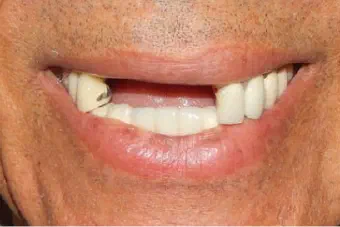
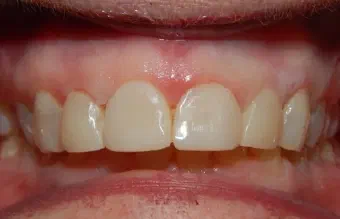
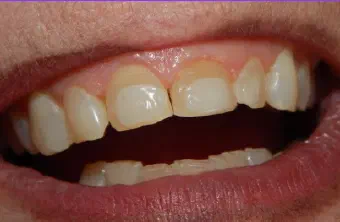
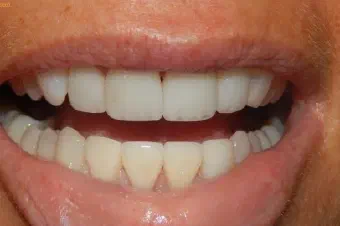
Real patient results

Before & after smile gallery.

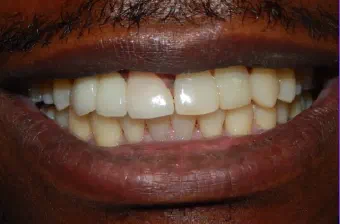
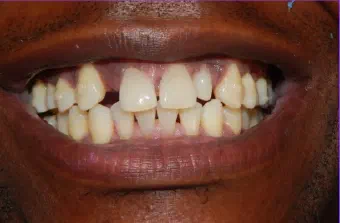
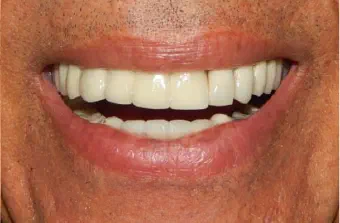
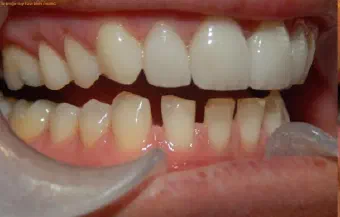
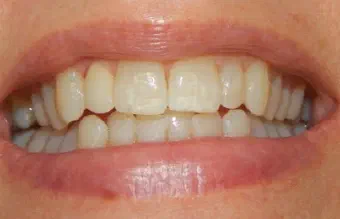
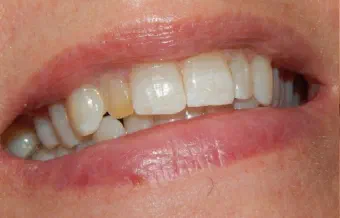
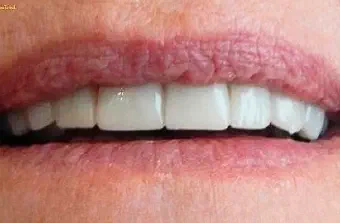
Drag the centre line to compare each real case treated by our dental team. Every smile begins with a personal assessment and a plan shaped around the patient.

Areas We Serve

Neighbourhood dental care, close to home.

Located in Cookstown, Innisfil, our dental team welcomes patients from communities across South Simcoe, Barrie, and northern York Region.

Get directions
  • Cookstown
  • Innisfil
  • Simcoe
  • Lake Simcoe
  • Alcona
  • Stroud
  • Lefroy–Belle Ewart
  • Gilford
  • Churchill
  • Sandy Cove
  • Innisfil Heights
  • Fennell’s Corners
  • Bradford
  • Bradford West Gwillimbury
  • Bond Head
  • Newton Robinson
  • New Tecumseth
  • Alliston
  • Beeton
  • Tottenham
  • Adjala–Tosorontio
  • Everett
  • Loretto
  • Barrie
  • Essa
  • Thornton
  • Baxter
  • Angus
  • Egbert
  • Ivy
  • Utopia
  • York Region
  • East Gwillimbury
  • Queensville
  • Holland Landing
  • Sharon
  • Schomberg
  • Nobleton

Don’t see your community listed? Contact us—we regularly welcome patients from throughout the surrounding region.

Google reviews

Kind words from our patients.

Read what patients have shared about their visits to Cookstown Dental Centre.

A dentist having a friendly consultation with a patient in a bright dental clinic

Your next step

Ready to feel good about your next dental visit?

Whether you are new to the clinic or returning for care, our team is here to make booking simple and answer your questions.

Call Book Now WhatsApp

How can we help?

The Cookstown Dental team is here for you.

Need an appointment, have a question, or want to talk through your options? Choose the next step that works best for you.

Send us a note

We’ll get back to you as soon as we can.