Cookstown Dental Centre
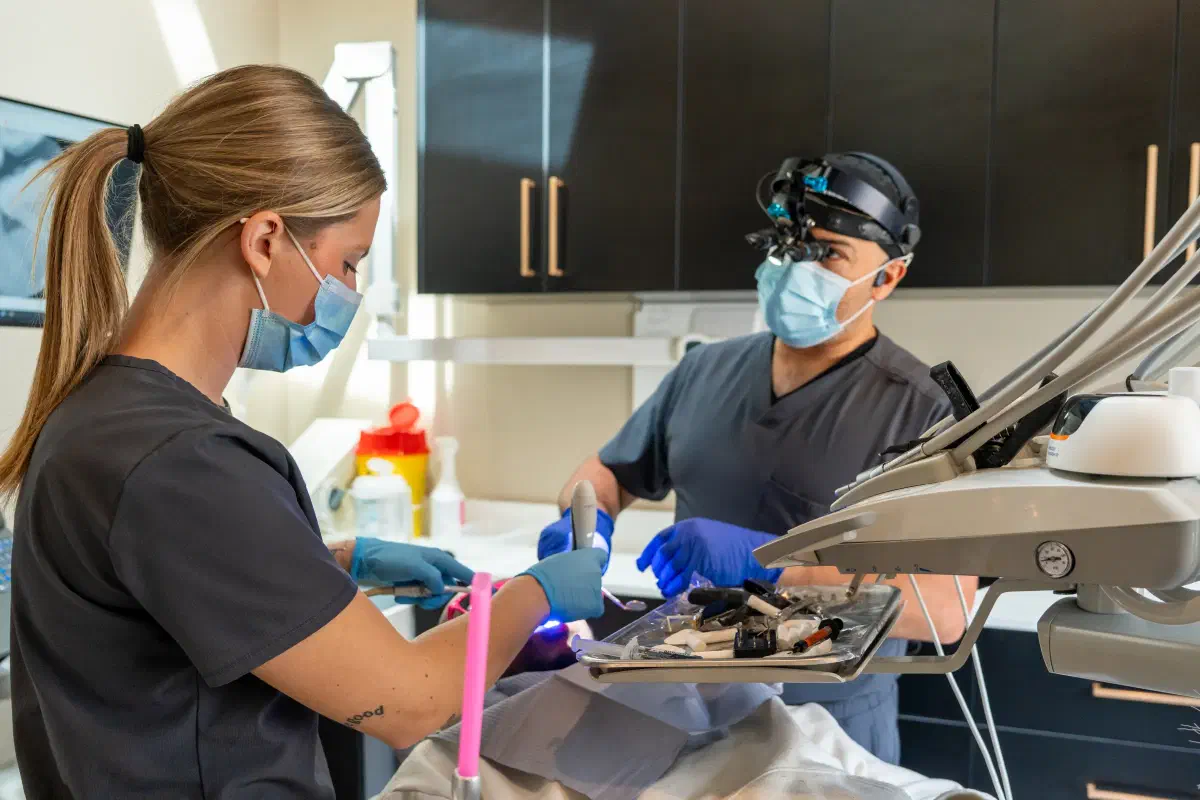
The Cookstown Dental Centre team caring for a patient in a treatment room

Cosmetic Dentistry · Cookstown

Balance a crown’s appearance with the tooth’s needs.

Cosmetic crown treatment considers colour and shape alongside tooth strength. Compare coverage, preparation, material choices, and long-term care in Cookstown.

Request an appointment

Let’s find a time that works.

Need urgent dental help? Call (705) 291-2222.

Cosmetic Crown Treatment in Cookstown

A crown is a restoration, even when appearance is the priority.

A crown covers the prepared portion of a tooth and can change its visible shape and colour while providing appropriate restoration. It may be discussed when a tooth is heavily restored, damaged, or already crowned. The wish for a different appearance alone does not establish that a healthy tooth needs full coverage, because crown preparation changes tooth structure permanently.

At Cookstown Dental Centre, we consider the clinical reason for a crown alongside your smile goals. We explain whether a smaller repair, veneer, whitening, or tooth movement could address the concern with different trade-offs. If a crown is appropriate, the plan includes the gumline, bite, material, shade, and future maintenance so the result is judged as a functioning tooth as well as a visible one.
A dentist and patient comparing a crown sample with a tooth-shade guide

Understanding the options

Start with how much coverage is appropriate.

Restorations differ in what they cover and how much preparation they require. A comparison should explain why the proposed coverage fits this particular tooth.

Full coverage for a compromised tooth

A crown may be useful where the remaining tooth or existing restoration needs broader protection. The dentist assesses cracks, previous treatment, available structure, and the bite. Appearance can be planned within that restorative need, but the long-term usefulness of the tooth remains central to the decision.

A more limited cosmetic option

A smaller defect or colour concern may suit bonding, a veneer, whitening, or another approach. These options have different limits and maintenance requirements. Ask why they would or would not work before choosing a crown, especially when the tooth otherwise has substantial healthy structure.

Care that fits

The visible details need a functional foundation.

A natural-looking crown is planned in relation to neighbouring teeth and tissues. The most suitable design is not always the brightest or most symmetrical one.

Colour in the whole smile

Shade, translucency, and the colour of the underlying tooth can influence the material and appearance. Discuss whitening plans before a final shade is selected. A single front crown can be particularly demanding to match, so expectations should include the limits of reproducing natural enamel in a restorative material.

Shape and gumline

The crown’s contour should support a realistic outline and allow cleaning near the gum. Existing recession or an uneven tissue level may affect what can be achieved. The dentist explains whether gum health or another procedure needs attention before the final cosmetic design can be settled.

Bite and material choice

A front tooth used for biting and a back tooth carrying chewing forces may have different demands. Grinding, clearance, and opposing teeth influence material selection. The recommendation should explain function and preparation requirements rather than treating a material name as a guarantee of strength or appearance.

The appointment

Plan the crown from assessment to review.

The sequence varies with the condition of the tooth and the fabrication method. Ask which stages are included and whether any other care is needed first.

  1. Assess and agree on the design

    We examine the tooth and discuss suitable options, records, and any necessary imaging. You can explain the colour or contour you want changed. The plan should state what preparation is expected, what a provisional restoration may involve, and how the final shade and shape will be reviewed.

  2. Prepare and protect the tooth

    If treatment proceeds, the tooth is prepared and the required records are taken. A temporary restoration may protect it while the final crown is made. Follow instructions about cleaning, chewing, and contacting the clinic if the temporary crown loosens or the tooth becomes increasingly uncomfortable.

  3. Check before final placement

    The crown’s fit, contacts, bite, and appearance are evaluated before it is secured as appropriate. Speak up about a visible concern or an unusual biting contact. We explain aftercare and review arrangements so the decision is not based only on how the crown looks in a brief mirror check.

Practical guidance

Keep the restored tooth under review.

A crown does not remove the need for prevention or eliminate every future problem. Maintenance protects the tooth beneath it and the surrounding tissues.

Clean around the margin

Brush and clean between teeth using the technique recommended for your crown and contacts. Plaque can still accumulate near its edge. Persistent bleeding, food trapping, or an area you cannot clean comfortably should be reviewed rather than assumed to be normal with a new restoration.

Notice changes in comfort

Report pain on biting, ongoing sensitivity, swelling, or a crown that feels loose. These symptoms can have different causes and deserve assessment. Avoid repeatedly testing a sore tooth with hard foods or using home adhesives if a restoration becomes detached.

Discuss future appearance changes

Natural teeth, gums, and restorative materials can change differently over time. A later whitening plan or gum change may affect the match. Review the options before deciding on replacement, because a visible difference does not automatically mean removing an otherwise serviceable crown is the best next step.

Frequently asked questions

Questions about cosmetic crown treatment

Should I crown a healthy tooth just to change its colour?

A crown involves irreversible preparation, so less extensive options should be considered where suitable. The dentist explains whether whitening, bonding, a veneer, or another approach could address the concern. Appearance alone does not make full coverage necessary.

Can a crown match the tooth beside it exactly?

The aim is a harmonious match, but an exact result cannot be guaranteed. Natural shade variation, translucency, the underlying tooth, and material affect appearance. Discuss these factors and the opportunity to review the proposed shade before final placement.

What is the difference between a crown and a veneer?

A crown provides broader coverage around a prepared tooth; a veneer generally covers selected visible surfaces. Preparation, support, and suitability differ. The amount of damage and the intended change help determine which, if either, is appropriate.

Should whitening be completed first?

If you are considering whitening, discuss it before crown shade selection. Existing crowns do not lighten like natural teeth. Coordinating the sequence helps establish a suitable target shade and avoids assuming the crown can simply be whitened later.

Will I need a temporary crown?

That depends on the treatment sequence and fabrication method. If a temporary restoration is used, follow the instructions for eating and cleaning and report loosening or increasing pain. The dentist explains the plan before preparation begins.

Can a crown still develop problems?

Yes. The tooth, crown margin, supporting tissues, or bite can change. Regular review and daily cleaning remain important. Pain, swelling, looseness, or persistent food trapping should be assessed even when the crown still looks intact.

How long will a cosmetic crown last?

Longevity varies with the tooth, material, bite, oral health, and maintenance. No fixed lifespan can be promised. Before treatment, ask about likely upkeep and what future repair or replacement could involve for that tooth.

Real patient results

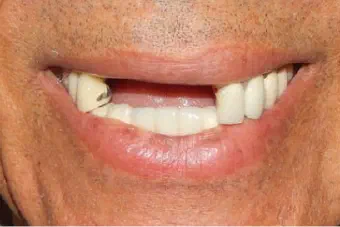
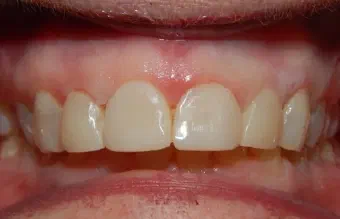
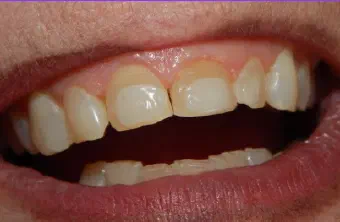
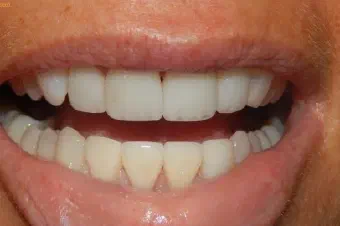
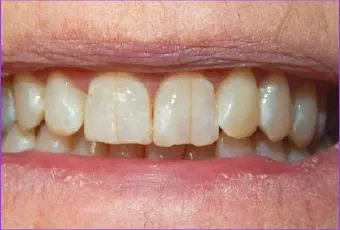
Before & after smile gallery.

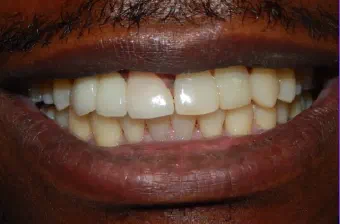
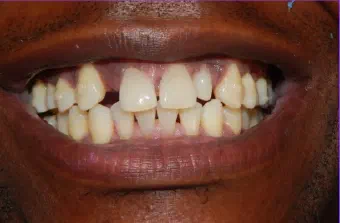
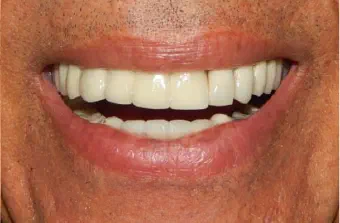
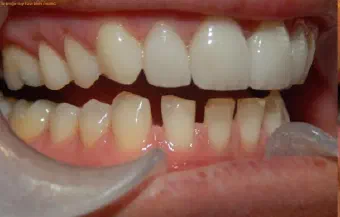
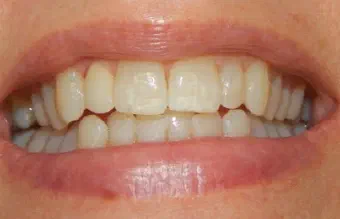
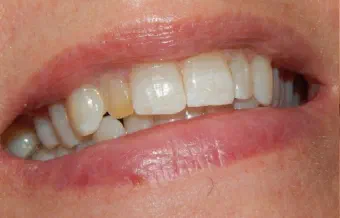
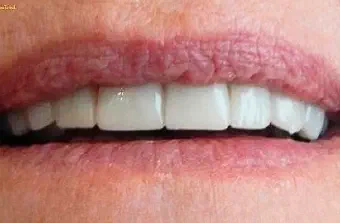
Drag the centre line to compare each real case treated by our dental team. Every smile begins with a personal assessment and a plan shaped around the patient.

Areas We Serve

Neighbourhood dental care, close to home.

Located in Cookstown, Innisfil, our dental team welcomes patients from communities across South Simcoe, Barrie, and northern York Region.

Get directions
  • Cookstown
  • Innisfil
  • Simcoe
  • Lake Simcoe
  • Alcona
  • Stroud
  • Lefroy–Belle Ewart
  • Gilford
  • Churchill
  • Sandy Cove
  • Innisfil Heights
  • Fennell’s Corners
  • Bradford
  • Bradford West Gwillimbury
  • Bond Head
  • Newton Robinson
  • New Tecumseth
  • Alliston
  • Beeton
  • Tottenham
  • Adjala–Tosorontio
  • Everett
  • Loretto
  • Barrie
  • Essa
  • Thornton
  • Baxter
  • Angus
  • Egbert
  • Ivy
  • Utopia
  • York Region
  • East Gwillimbury
  • Queensville
  • Holland Landing
  • Sharon
  • Schomberg
  • Nobleton

Don’t see your community listed? Contact us—we regularly welcome patients from throughout the surrounding region.

Google reviews

Kind words from our patients.

Read what patients have shared about their visits to Cookstown Dental Centre.

A dentist having a friendly consultation with a patient in a bright dental clinic

Your next step

Ready to feel good about your next dental visit?

Whether you are new to the clinic or returning for care, our team is here to make booking simple and answer your questions.

Call Book Now WhatsApp

How can we help?

The Cookstown Dental team is here for you.

Need an appointment, have a question, or want to talk through your options? Choose the next step that works best for you.

Send us a note

We’ll get back to you as soon as we can.