Cookstown Dental Centre
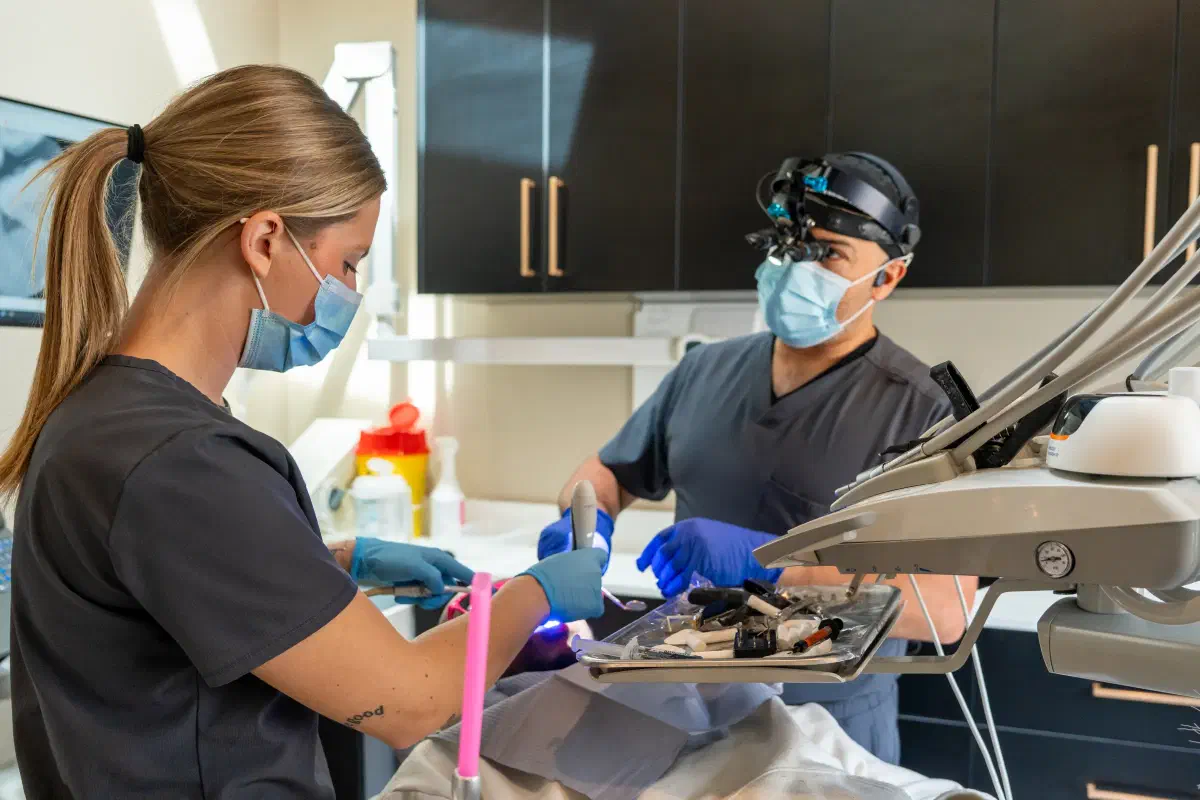
The Cookstown Dental Centre team caring for a patient in a treatment room

Restorative Dentistry · Cookstown

Choose cracked-tooth treatment around the fracture and the pulp diagnosis.

A cracked tooth may need protection, root canal care, or extraction. Compare treatment limits, restorability, staged decisions, and follow-up for uncertain cases.

Request an appointment

Let’s find a time that works.

Need urgent dental help? Call (705) 291-2222.

Cracked Tooth Treatment in Cookstown

Treatment protects what can be preserved; it cannot make a crack heal like a cut.

Once a crack is suspected or identified, the next decision depends on its extent, the condition of the tissues inside the tooth, and whether the remaining structure can support a restoration. Some teeth can be protected and kept in function. Others have a fracture pattern or loss of support that makes preservation unreliable. A crown or root canal should not be described as a guaranteed solution for every cracked tooth.

At Cookstown Dental Centre, we explain the findings and any remaining uncertainty before comparing treatment. The immediate need to reduce symptoms may differ from the definitive restorative plan. When specialist input would help clarify the diagnosis or prognosis, it can be coordinated with later restoration. The purpose is an informed choice about preserving the tooth, including what the proposed treatment can and cannot achieve.
A dentist explaining protective restoration of a cracked tooth with a molar model

Understanding the options

Distinguish structural protection from internal treatment.

These procedures address different parts of the problem and are not automatically required together.

Protecting a restorable tooth

A suitable restoration may help support damaged structure and manage loading in selected cases. The design depends on the fracture, remaining walls, and bite. The dentist explains why a filling, onlay, crown, or another approach is proposed and whether the expected benefit justifies its preparation and maintenance.

Treating an affected pulp

Root canal treatment is considered when the pulp or related diagnosis indicates it. It addresses the internal condition but does not erase the crack or guarantee that the tooth remains restorable. The structural prognosis and the final seal still need to be assessed before internal treatment is presented as the complete solution.

What we consider

Use the prognosis to guide the scope of care.

The most extensive procedure is not necessarily the best choice for a tooth with limited prospects.

How far the fracture appears to extend

A localized fractured cusp can differ from a deeper crack, split tooth, or certain root fractures. The clinician explains the likely extent and the limits of that assessment. If important uncertainty remains, discuss how it affects the chance of retaining the tooth and the decision to invest in restoration.

The remaining structure and support

Sound margins, root condition, periodontal support, and the ability to provide a useful final restoration all matter. A tooth should not undergo one stage solely because that stage is technically possible. The whole sequence needs a reasonable endpoint that restores function and can be maintained.

Symptoms and changes over time

Pain, swelling, and the response to interim care can contribute to the ongoing assessment. Improvement does not prove a crack has healed. The clinician considers symptoms alongside the structural findings rather than using a comfortable period as the only reason to proceed with definitive treatment.

The appointment

Stage care when the diagnosis or response needs review.

The sequence should have clear decision points and an explanation of any temporary measure.

  1. Address immediate concerns

    The dentist assesses the current symptoms and may recommend protection or other interim care suited to the findings. Ask what that step is intended to achieve and what remains unresolved. A temporary improvement should not be mistaken for a guarantee that the tooth can be kept long term.

  2. Complete indicated internal or restorative treatment

    The sequence depends on the diagnosis and the selected restoration. If a specialist is involved, clarify how the final restorative plan is communicated. A root canal and later crown should not be treated as disconnected appointments when the remaining structure determines whether the overall plan is sensible.

  3. Reassess comfort, seal, and function

    After treatment, relevant contacts and symptoms are reviewed, with additional follow-up where indicated. Report recurring pain, swelling, or a new break. A treated cracked tooth can still have an uncertain prognosis, and follow-up should reflect that rather than end once the visible restoration is complete.

Good to know

Discuss extraction when preservation is not reasonable.

An honest prognosis helps compare options without promising that every natural tooth can be saved.

Why a fracture may be unsuitable for restoration

Certain fracture patterns or insufficient remaining structure can make durable restoration impractical. The dentist should explain the evidence supporting that conclusion and whether further opinion would change the decision. Extraction should follow a reasoned assessment, not simply the presence of a visible line or a difficult symptom.

What replacing the tooth would involve

If extraction is appropriate, discuss whether and how replacement is needed, including the surrounding teeth and bite. An implant, bridge, removable option, or another plan has its own requirements and maintenance. Replacing the tooth is a separate course of care, not an automatic consequence with identical suitability in every mouth.

Practical guidance

Protect the treated tooth without assuming the cause has disappeared.

Long-term care should reflect the fracture history and any contributing habits.

Follow the restoration and appliance instructions

Use temporary and definitive restorations according to the advice provided and keep the margins clean. If a protective appliance is recommended, learn its care and attend fit checks. No device makes a damaged tooth unbreakable, but appropriate protection may be part of a realistic maintenance plan.

Report a returning pattern early

A renewed biting pain, temperature change, gum swelling, or repeated restoration damage warrants review. Do not keep testing the tooth with harder food to see whether it is stronger. The clinician can reassess the crack-related concern and consider whether the treatment plan or prognosis needs to change.

Frequently asked questions

Questions about cracked tooth treatment

Can a cracked tooth heal on its own?

A crack in tooth structure does not heal like a cut in soft tissue. Treatment may protect a suitable tooth and manage related pulp problems. The dentist explains the fracture’s significance and whether preservation is reasonable rather than promising that the line will close itself.

Will a crown stop every crack from progressing?

No. A crown may provide useful protection in selected cases, but it cannot guarantee that a deeper crack will not progress. The fracture pattern, remaining structure, and pulp condition influence the prognosis and should be discussed before treatment.

Why might I need both a root canal and a crown?

The root canal may address an affected pulp, while the restoration provides a seal and structural function. They serve different purposes. Both should be justified by the findings, and the tooth’s restorability should be considered before either is treated as an automatic step.

Can a cracked tooth be treated with a filling only?

Sometimes a limited defect may suit a direct restoration, but other cracks need broader protection or have a poor prognosis. The dentist assesses the extent and loading. The visible size of the defect alone cannot determine whether a filling is sufficient.

When is extraction the appropriate choice?

It may be recommended when the fracture or remaining support prevents a reasonable restorative result. The clinician should explain the findings, alternatives, and any uncertainty. A specialist opinion can be useful when it could clarify a difficult preservation decision.

What if the pain improves after temporary treatment?

Improvement is useful information but does not prove that the crack has healed or the final restoration is unnecessary. Attend the planned review. The clinician combines your response with the structural and pulp findings before deciding on the next stage.

How should I respond to swelling after treatment?

Contact the clinic promptly for assessment, especially if symptoms are worsening. Fever or spreading swelling needs timely care, and difficulty breathing or swallowing requires emergency attention. Do not assume swelling is expected simply because the tooth was recently treated.

Real patient results

Before & after smile gallery.

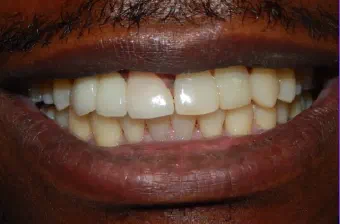
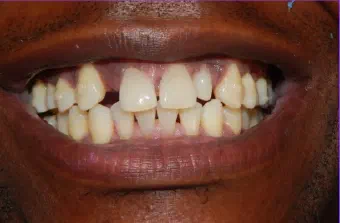
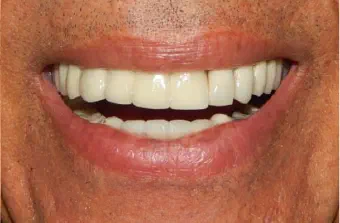
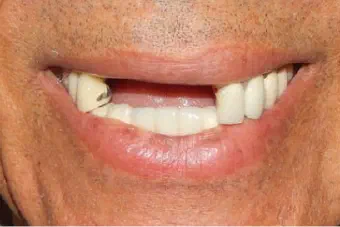
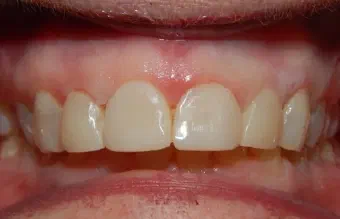
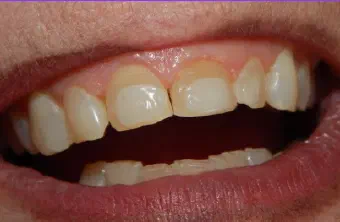
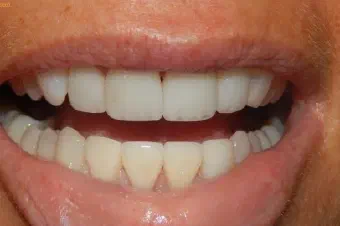
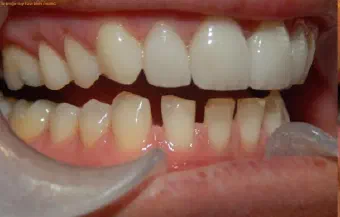
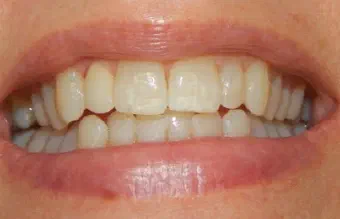
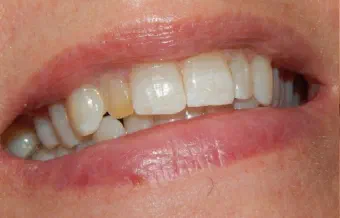
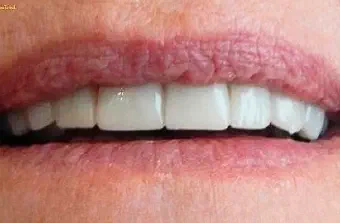
Drag the centre line to compare each real case treated by our dental team. Every smile begins with a personal assessment and a plan shaped around the patient.

Areas We Serve

Neighbourhood dental care, close to home.

Located in Cookstown, Innisfil, our dental team welcomes patients from communities across South Simcoe, Barrie, and northern York Region.

Get directions
  • Cookstown
  • Innisfil
  • Simcoe
  • Lake Simcoe
  • Alcona
  • Stroud
  • Lefroy–Belle Ewart
  • Gilford
  • Churchill
  • Sandy Cove
  • Innisfil Heights
  • Fennell’s Corners
  • Bradford
  • Bradford West Gwillimbury
  • Bond Head
  • Newton Robinson
  • New Tecumseth
  • Alliston
  • Beeton
  • Tottenham
  • Adjala–Tosorontio
  • Everett
  • Loretto
  • Barrie
  • Essa
  • Thornton
  • Baxter
  • Angus
  • Egbert
  • Ivy
  • Utopia
  • York Region
  • East Gwillimbury
  • Queensville
  • Holland Landing
  • Sharon
  • Schomberg
  • Nobleton

Don’t see your community listed? Contact us—we regularly welcome patients from throughout the surrounding region.

Google reviews

Kind words from our patients.

Read what patients have shared about their visits to Cookstown Dental Centre.

A dentist having a friendly consultation with a patient in a bright dental clinic

Your next step

Ready to feel good about your next dental visit?

Whether you are new to the clinic or returning for care, our team is here to make booking simple and answer your questions.

Call Book Now WhatsApp

How can we help?

The Cookstown Dental team is here for you.

Need an appointment, have a question, or want to talk through your options? Choose the next step that works best for you.

Send us a note

We’ll get back to you as soon as we can.