Cookstown Dental Centre
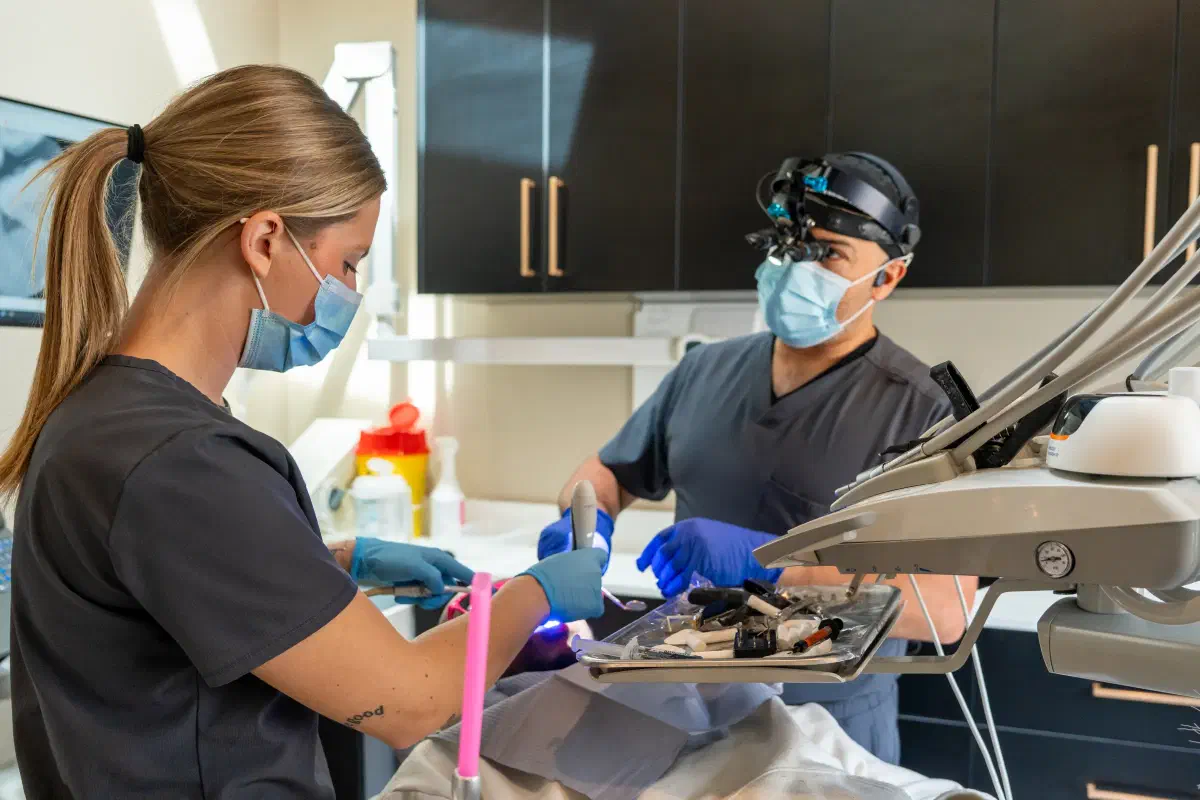
The Cookstown Dental Centre team caring for a patient in a treatment room

Restorative Dentistry · Cookstown

Check why the crown loosened before securing it again.

Crown recementation may be possible when the crown and tooth remain suitable. Review fit, decay checks, cleaning, cement choice, and reasons a new crown may be needed.

Request an appointment

Let’s find a time that works.

Need urgent dental help? Call (705) 291-2222.

Crown Recementation in Cookstown

A detached crown is not automatically ready to be put back.

A crown may come loose because the cement bond has failed, but decay, a fracture, an altered fit, or damage to the supporting tooth can also be involved. Recementation means securing a suitable existing crown again after assessment. It is not a repair for every type of failure, and placing stronger cement does not solve an underlying problem with the tooth or restoration.

At Cookstown Dental Centre, we examine the crown and the tooth before deciding whether reuse is appropriate. Bring the detached crown and any pieces that came away with it. The clinician checks fit, structure, and relevant symptoms, then explains whether recementation, another repair, or replacement makes sense. This page focuses on the reuse decision after a crown has loosened or detached.
Gloved hands assessing a detached ceramic crown beside a tooth model

Planning together

Keep the crown safe and avoid forcing it into place.

The condition of the restoration and your symptoms help guide the next step.

Bring the crown and attached material

Store the crown in a clean container and bring it for assessment. If material remains inside it, do not dig it out or alter the surface. It may be old cement, a core, or part of the tooth, and identifying it can help the dentist understand why the restoration detached.

Describe discomfort and the timing

Tell the clinic when the crown loosened, whether the tooth is sensitive, and whether it had been moving or trapping food beforehand. These details can indicate a developing issue rather than a one-time cement failure. A comfortable tooth still needs assessment before the crown is reused.

Avoid home adhesives and bite testing

Do not use household glue or force the crown down by biting. A crown seated incorrectly can affect contacts or become loose again. Contact the clinic for specific interim advice rather than assuming that a product sold for temporary dental use is suitable for every detached restoration.

What we consider

Decide whether both parts are suitable for reuse.

A sound crown and a sound supporting tooth are both needed for an appropriate recementation.

Condition of the tooth and core

The dentist checks for decay, fracture, loss of supporting material, and relevant pulp symptoms. If the core or tooth has broken, simply replacing the crown may not restore a useful foundation. Further treatment or a different restoration may be needed before any definitive cementation is considered.

Fit and integrity of the crown

The crown is assessed for cracks, distortion, margins, and how it seats on the tooth. A restoration that no longer fits properly may need replacement. The fact that it once fitted, or can be pushed back over the tooth, does not establish that it is suitable for reuse today.

Contacts and reason for loosening

The bite, neighbouring contacts, and possible contributing habits are reviewed. Repeated detachment deserves a broader investigation than simply changing cement. The clinician explains whether the current design can remain serviceable or whether retention, preparation, or structural problems make a new plan more reasonable.

Step by step

What professional recementation may involve.

The actual procedure depends on the crown material and the findings at examination.

  1. Prepare and reassess the surfaces

    The clinician manages old cement and contamination appropriately and confirms the fit and condition. This stage may reveal a concern that was not obvious when the crown first came off. The treatment decision should be revisited if the tooth or restoration no longer supports the original reuse plan.

  2. Secure and check the restoration

    If recementation is suitable, an appropriate material and technique are selected and excess material is managed. The crown’s seating and contacts are checked. Ask about eating and cleaning afterward, because instructions can depend on the cement and clinical situation rather than one universal waiting period.

Understanding the options

Know when another option is more appropriate.

Reusing the crown can be conservative, but it must still provide a sound result.

Recementing an otherwise serviceable crown

This may preserve useful existing work when the tooth, crown, and fit are acceptable. The dentist explains the expected limitations and why reuse is reasonable. It should not be presented as a guarantee that the crown will never loosen again, especially if the original retention was limited.

Repairing the foundation or replacing the crown

Decay, a broken core, an unsuitable margin, or a damaged crown can require another approach. The final choice may not be clear until the surfaces are assessed. Discuss the additional stages and any temporary protection so a change in plan is understood before the tooth is left without definitive coverage.

Practical guidance

Monitor the crown after it has been secured.

Comfort and stability should be reviewed if they differ from the expected course.

Notice a high bite or continued movement

Contact the clinic if the crown feels too tall, rocks, or causes persistent discomfort. Do not try to wear it down by chewing harder. A seating or contact issue may need adjustment, and recurring movement can point to a problem that recementation alone has not resolved.

Maintain the margins and supporting tooth

Continue cleaning as advised and attend recommended examinations. A crown does not prevent decay at the remaining tooth surfaces. Report food trapping or a changing gumline so the restoration is assessed before a small maintenance concern becomes a larger problem with the foundation.

Frequently asked questions

Questions about crown recementation

Can every lost crown be cemented back on?

No. The crown, fit, tooth, and core must be assessed. Decay, fracture, or damage may require other treatment or replacement. Reuse is considered when it provides a reasonable result, not simply because the detached crown is still available.

What if part of the tooth is stuck inside the crown?

Bring it as it is and avoid picking the material out. The dentist needs to identify whether it is cement, core material, or tooth structure. A broken foundation may change the treatment from straightforward recementation to a more involved repair.

Is stronger cement the answer if it keeps coming off?

Not necessarily. Repeated loosening can involve fit, tooth structure, preparation, bite, or another issue. The cause should be assessed. Changing cement without addressing the underlying problem may lead to another detachment.

Can I put the crown back while waiting?

Ask the clinic for advice about the specific situation. Do not force it or use household adhesive. A crown that does not seat correctly or is unstable can create problems, so temporary measures should not be assumed appropriate without guidance.

Will the tooth need a root canal before recementation?

Only if the pulp or related diagnosis indicates it. Losing a crown does not automatically create that need. The dentist assesses symptoms and findings separately from the decision about whether the crown itself can be reused.

How soon can I eat after recementation?

Follow the instructions given for the material and procedure used. The clinician can explain any temporary restrictions and when normal use is appropriate. A general online timetable may not fit the cement or condition of your tooth.

What if the crown comes loose again?

Contact the clinic and avoid repeated home replacement. The tooth and restoration need reassessment, particularly after another detachment. A new restorative plan may be more appropriate if the current crown or foundation cannot provide adequate service.

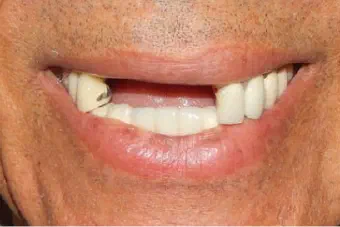
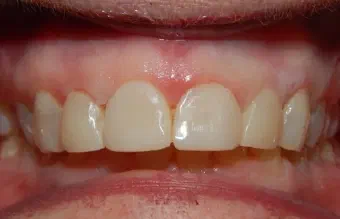
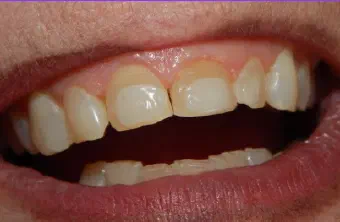
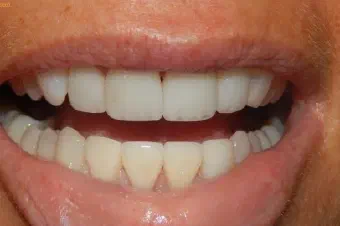
Real patient results

Before & after smile gallery.

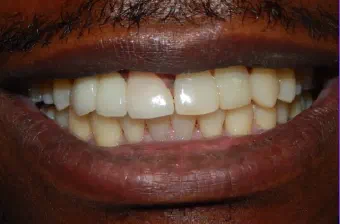
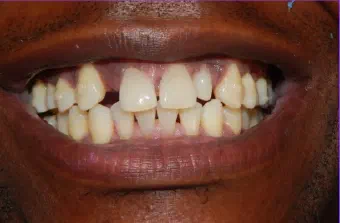
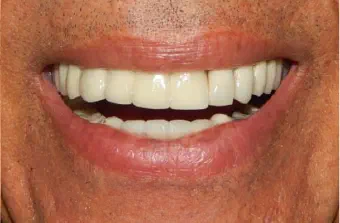
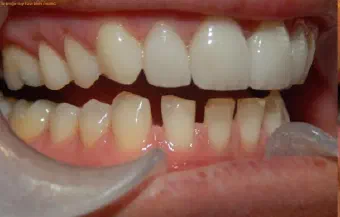
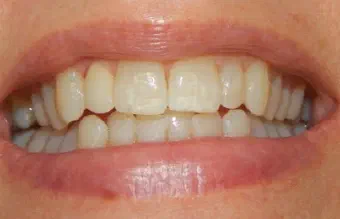
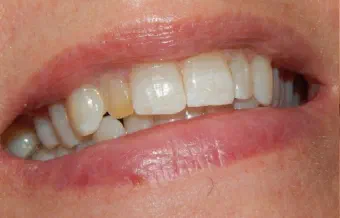
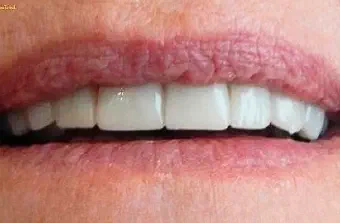
Drag the centre line to compare each real case treated by our dental team. Every smile begins with a personal assessment and a plan shaped around the patient.

Areas We Serve

Neighbourhood dental care, close to home.

Located in Cookstown, Innisfil, our dental team welcomes patients from communities across South Simcoe, Barrie, and northern York Region.

Get directions
  • Cookstown
  • Innisfil
  • Simcoe
  • Lake Simcoe
  • Alcona
  • Stroud
  • Lefroy–Belle Ewart
  • Gilford
  • Churchill
  • Sandy Cove
  • Innisfil Heights
  • Fennell’s Corners
  • Bradford
  • Bradford West Gwillimbury
  • Bond Head
  • Newton Robinson
  • New Tecumseth
  • Alliston
  • Beeton
  • Tottenham
  • Adjala–Tosorontio
  • Everett
  • Loretto
  • Barrie
  • Essa
  • Thornton
  • Baxter
  • Angus
  • Egbert
  • Ivy
  • Utopia
  • York Region
  • East Gwillimbury
  • Queensville
  • Holland Landing
  • Sharon
  • Schomberg
  • Nobleton

Don’t see your community listed? Contact us—we regularly welcome patients from throughout the surrounding region.

Google reviews

Kind words from our patients.

Read what patients have shared about their visits to Cookstown Dental Centre.

A dentist having a friendly consultation with a patient in a bright dental clinic

Your next step

Ready to feel good about your next dental visit?

Whether you are new to the clinic or returning for care, our team is here to make booking simple and answer your questions.

Call Book Now WhatsApp

How can we help?

The Cookstown Dental team is here for you.

Need an appointment, have a question, or want to talk through your options? Choose the next step that works best for you.

Send us a note

We’ll get back to you as soon as we can.