Cookstown Dental Centre
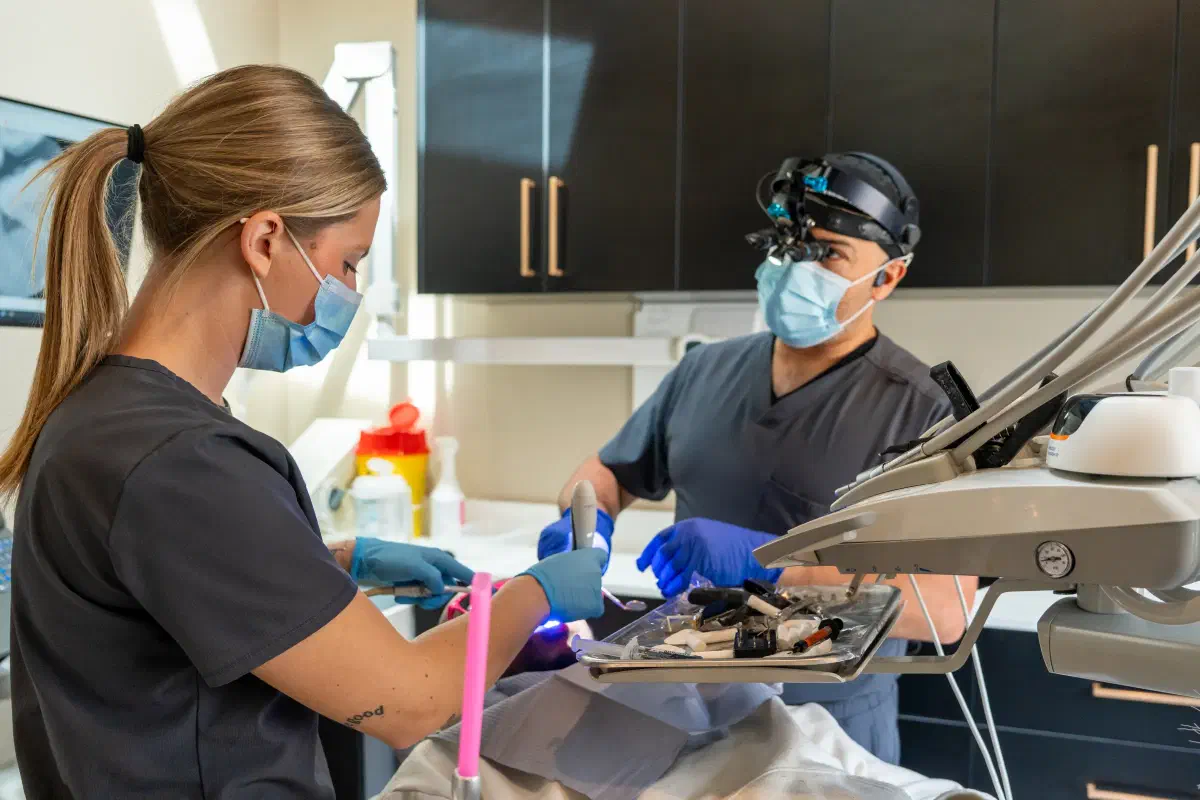
The Cookstown Dental Centre team caring for a patient in a treatment room

Specialized Care · Cookstown

Consider an occlusal splint with a defined purpose and review plan.

Occlusal splints need a diagnosis, suitable design, and follow-up. Discuss tooth protection, symptom limits, fit checks, and alternatives before appliance care.

Request an appointment

Let’s find a time that works.

Need urgent dental help? Call (705) 291-2222.

Custom Occlusal Splints in Cookstown

The word splint does not explain which problem the appliance is meant to address.

An occlusal splint is a dental appliance that fits over selected teeth and changes how the arches contact while it is worn. The term can overlap with nightguard or stabilization-appliance terminology, but different designs can have different purposes. A recommendation should identify the clinical goal rather than assume that any splint is suitable for tooth wear, muscle pain, clicking, or every other jaw concern.

At Cookstown Dental Centre, we assess the teeth, restorations, jaw symptoms, and relevant history before discussing appliance care. Evidence for improvement of TMD pain with intraoral appliances is limited, so benefits should be presented with appropriate uncertainty. A device should not be used to make permanent bite changes as a routine TMD treatment. Its fit, comfort, and effect on your symptoms require monitoring, alongside other conservative or specialist care when indicated.
A clinician explaining a transparent occlusal splint on a dental model

Good to know

Ask which goal supports the prescription.

Tooth protection and symptom management should be discussed separately.

Protecting teeth or restorations

A splint may be considered for a protective role when loading is associated with wear or damage. The dentist assesses other contributors and treats urgent tooth problems first. The protective purpose does not mean the appliance will stop bruxism or resolve every symptom that occurs in the same patient.

A trial within conservative jaw care

An appliance may be discussed in selected cases as part of a broader conservative plan, with the evidence limits explained. The provider should identify what response is being monitored and when it will be reviewed. A trial is not a guarantee that the bite is the cause of the pain.

What we consider

Assess the mouth and symptoms before selecting a design.

The appliance must suit the patient, not only a label on a referral.

Teeth, restorations, and periodontal support

Decay, unstable restorations, mobility, and existing appliances can affect suitability and timing. Planned crowns or other changes may alter the final fit. The clinician evaluates these factors so the splint does not place inappropriate pressure on compromised teeth or become outdated before delivery.

Jaw function and pain pattern

Opening, locking, tenderness, and the distribution of symptoms need assessment. A painless click has different implications from painful restricted movement. The findings help determine whether appliance care is appropriate or whether another diagnostic or referral pathway should take priority.

Sleep and medical considerations

Snoring, witnessed breathing pauses, medications, and other health concerns may affect the discussion. A conventional occlusal splint is not automatically an obstructive sleep-apnea device. The care plan should preserve the distinction between dental protection and medically coordinated treatment of sleep-disordered breathing.

Understanding the options

Keep reversible care and permanent bite change distinct.

The proposed mechanism and intended duration should be clear before treatment.

A monitored appliance with defined instructions

The provider explains coverage, wear schedule, insertion, removal, and the intended review. It should be assessed for fit and contact relationships. If symptoms worsen or the bite seems persistently different, the device needs review rather than open-ended use without evaluating the response.

An irreversible change needs a separate justification

Reshaping teeth, moving teeth, or using an appliance to permanently alter the bite should not be presented as a general cure for TMD. Ask about simpler options, risks, and evidence. A second opinion may be useful before a proposal that would permanently change otherwise serviceable structures.

The appointment

Treat fitting and reassessment as essential parts of appliance care.

A laboratory-made device still needs clinical evaluation in the mouth.

  1. Take records after the treatment goal is agreed

    Impressions or scans and bite records are selected for the planned design. Discuss any upcoming restorations and existing devices before fabrication. The records should follow an assessment, rather than replace the diagnostic work needed to decide whether a splint is appropriate in the first place.

  2. Check fit, contacts, and handling at delivery

    The clinician verifies how the appliance seats and how the teeth contact it. Practise insertion and removal without force. Ask what adaptation is expected and which symptoms are a reason to stop and contact the clinic, rather than assuming that a tighter or more noticeable appliance works better.

  3. Evaluate the response at a planned review

    The review considers symptoms, function, bite, and the condition of the teeth and appliance. If the intended benefit is absent or adverse effects occur, the plan may change. Continued use should remain a considered decision, not the default because the appliance has already been purchased.

Practical guidance

Keep the splint serviceable and report changes early.

Home care should protect its shape while preserving information for reassessment.

Follow material-specific cleaning and storage advice

Use the recommended methods and avoid hot water, harsh products, or home reshaping. Bring the splint to reviews and keep a record of practical difficulties with wear. If it no longer seats after dental treatment, have the fit checked before forcing it over the changed teeth.

Respond to pain or a persistent bite change

Stop using an appliance that causes pain and contact the prescribing clinician. Report worsening locking, new tooth pressure, or a bite change that persists after removal. These findings need assessment rather than more aggressive adjustment at home or an assumption that permanent movement is a desired treatment effect.

Frequently asked questions

Questions about custom occlusal splints

Is an occlusal splint different from a nightguard?

The terms can overlap, but designs and intended purposes vary. Ask what the prescribed appliance is meant to address and how it will be monitored. The name alone does not establish that it treats every grinding or jaw symptom.

Will a splint cure TMD?

That should not be promised. Evidence for improvement of TMD pain with appliances is limited, and suitability varies. Conservative care, review, and referral when indicated remain important. A device should have a defined purpose and a plan to assess benefits and unwanted effects.

Should it permanently change my bite?

Permanent bite alteration is not a routine goal for conservative TMD appliance care. Ask for a clear explanation if that is proposed, including evidence, risks, and alternatives. A persistent bite change during use should be reported for assessment.

Can I wear the splint all day?

Follow the prescribed schedule for the actual appliance and diagnosis. More wear is not automatically more effective or appropriate. Do not extend the schedule on your own, and discuss work, eating, sleep, or comfort difficulties that affect practical use.

What if the appliance causes tooth pressure?

Contact the provider for a fit and clinical review, especially if pressure is painful or persistent. Do not trim or reshape it yourself. The teeth, contacts, and appliance design may need assessment before continued wear is considered suitable.

Can the same device treat snoring or sleep apnea?

A standard occlusal splint is not automatically designed for sleep-disordered breathing. Sleep-apnea care requires the appropriate medical diagnosis and coordinated appliance pathway. Mention relevant sleep symptoms so one device is not substituted for treatment of a different condition.

How will we decide whether to continue using it?

The review should compare symptoms, function, fit, bite, and the original treatment goal. If it causes problems or offers no useful benefit, the plan may need revision. Continued use should not depend only on the fact that it has already been made.

Real patient results

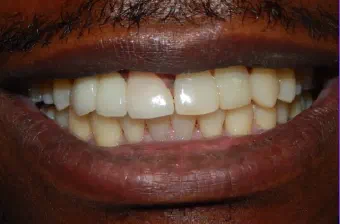
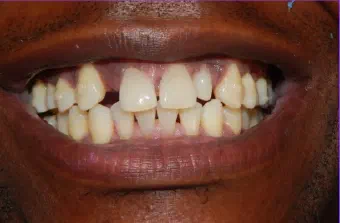
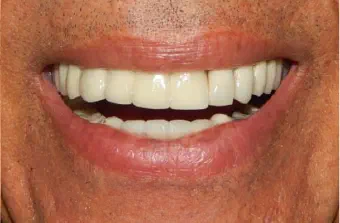
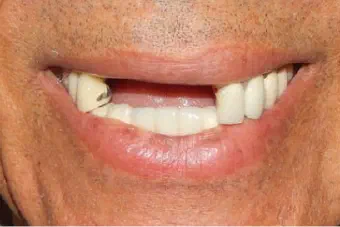
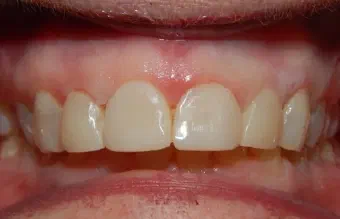
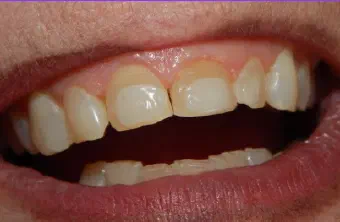
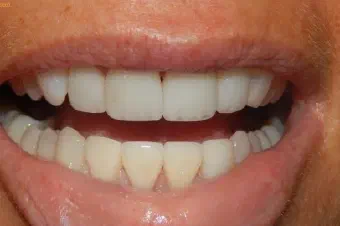
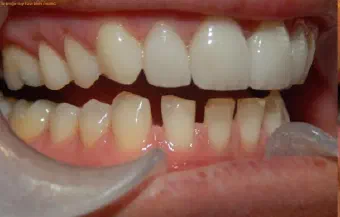
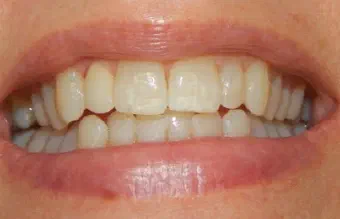
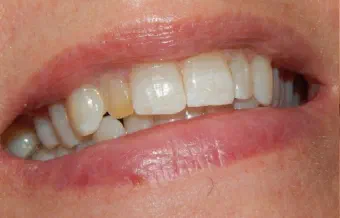
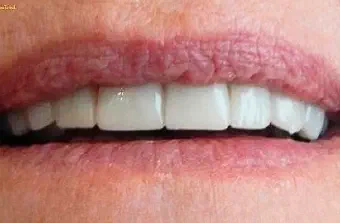
Before & after smile gallery.

Drag the centre line to compare each real case treated by our dental team. Every smile begins with a personal assessment and a plan shaped around the patient.

Areas We Serve

Neighbourhood dental care, close to home.

Located in Cookstown, Innisfil, our dental team welcomes patients from communities across South Simcoe, Barrie, and northern York Region.

Get directions
  • Cookstown
  • Innisfil
  • Simcoe
  • Lake Simcoe
  • Alcona
  • Stroud
  • Lefroy–Belle Ewart
  • Gilford
  • Churchill
  • Sandy Cove
  • Innisfil Heights
  • Fennell’s Corners
  • Bradford
  • Bradford West Gwillimbury
  • Bond Head
  • Newton Robinson
  • New Tecumseth
  • Alliston
  • Beeton
  • Tottenham
  • Adjala–Tosorontio
  • Everett
  • Loretto
  • Barrie
  • Essa
  • Thornton
  • Baxter
  • Angus
  • Egbert
  • Ivy
  • Utopia
  • York Region
  • East Gwillimbury
  • Queensville
  • Holland Landing
  • Sharon
  • Schomberg
  • Nobleton

Don’t see your community listed? Contact us—we regularly welcome patients from throughout the surrounding region.

Google reviews

Kind words from our patients.

Read what patients have shared about their visits to Cookstown Dental Centre.

A dentist having a friendly consultation with a patient in a bright dental clinic

Your next step

Ready to feel good about your next dental visit?

Whether you are new to the clinic or returning for care, our team is here to make booking simple and answer your questions.

Call Book Now WhatsApp

How can we help?

The Cookstown Dental team is here for you.

Need an appointment, have a question, or want to talk through your options? Choose the next step that works best for you.

Send us a note

We’ll get back to you as soon as we can.