Cookstown Dental Centre
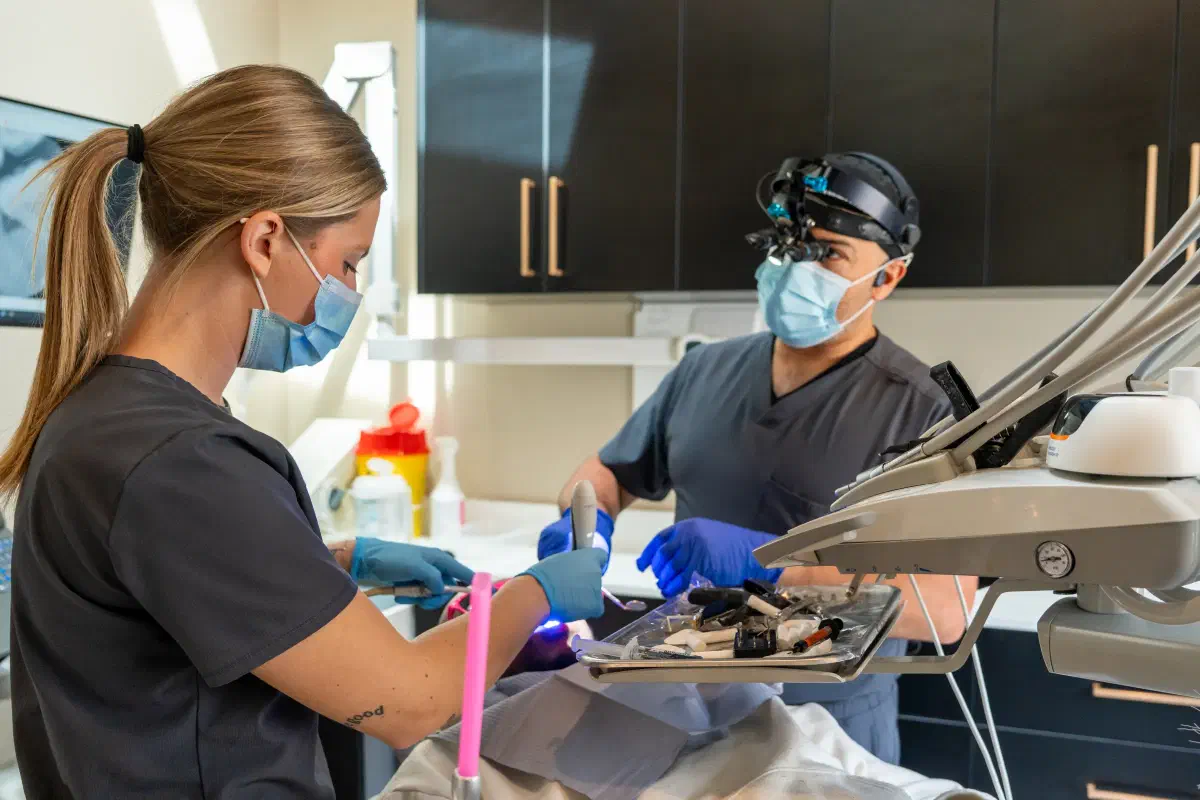
The Cookstown Dental Centre team caring for a patient in a treatment room

General & Family Dentistry · Cookstown

Dental planning that fits your surgical plan.

Discuss dental concerns before joint replacement, requested assessment forms, treatment timing, and communication with your orthopaedic team.

Request an appointment

Let’s find a time that works.

Need urgent dental help? Call (705) 291-2222.

Dental Care Before Joint-Replacement Surgery in Cookstown

Start with the surgeon’s request and your dental needs.

If you are preparing for a hip, knee, or another joint replacement, your surgical team may ask about your dental health or request an assessment. The useful first step is to share that request with your dentist. An examination can identify current dental concerns and help the teams decide whether anything needs attention before surgery.

Cookstown Dental Centre can review symptoms, examine your mouth, and discuss the information required by your orthopaedic team. Dental assessment does not guarantee that a joint replacement will be free of infection or other complications. The aim is accurate communication and sensible treatment planning, with decisions based on your circumstances rather than a blanket rule for every surgical patient.

A patient with a walking cane discussing dental care before surgery

Practical guidance

Bring the actual request, not just a deadline.

Surgical offices may ask for different information. Knowing what is required helps avoid an appointment that produces the wrong form or leaves a key question unanswered.

Share dates and contact details

Tell us the planned surgery date, surgeon’s name, and the contact for pre-operative coordination. Bring any assessment form or instructions. If surgery is moved forward or postponed, update the clinic. A date alone does not establish whether a particular dental procedure can fit safely within the available time.

Describe current and recent concerns

Mention toothache, swelling, drainage, loose teeth, or recent dental treatment. Include any unfinished care that another dentist recommended. If you have no symptoms, say so, but do not assume that an examination is unnecessary when your surgical team has specifically requested information.

Clarify what the dental report means

A report can describe findings and care completed or recommended. It cannot certify that every future risk has been eliminated. Ask who will send the information, whether you need a copy, and whether the surgeon requires an update after any dental treatment is finished.

Careful decisions

Antibiotics are not an automatic requirement.

A planned or existing joint replacement does not by itself mean that every dental visit needs preventive antibiotics. Individual medical factors and current professional guidance matter.

Avoid self-starting medication

Do not use leftover antibiotics or assume that an old prescription still applies. If a clinician recommends prophylaxis, clarify the reason and who will prescribe it. Antibiotics used to treat an active infection are a different decision from antibiotics given before a procedure to prevent a possible complication.

Resolve conflicting advice together

If the dentist and surgical office give different instructions, ask them to communicate directly. Tell both about previous joint infections, significant medical conditions, and medication allergies. You should not have to choose between conflicting plans without an explanation of the reasoning and an agreed next step.

A closer look

Three decisions to make before scheduling treatment.

The appropriate sequence depends on the dental findings and the operation being planned. A universal waiting period is not a substitute for a conversation between your clinicians.

  1. What needs attention now?

    The dentist can explain whether there is an active problem, a tooth needing further assessment, or an elective improvement that can wait. Ask what could happen if treatment is delayed. Understanding urgency makes it easier to organize transport, time off, and surgical preparation around the right priorities.

  2. What healing or review is needed?

    Some procedures need follow-up before the surgical team can make its decision. The dentist and surgeon should agree on suitable timing for your circumstances. Do not assume that the date of treatment alone means healing is complete or that a standard online timetable fits your situation.

  3. What happens after surgery?

    Ask the surgical team about the timing of future dental care and share its instructions with the dentist. If a dental problem develops during recovery, call rather than waiting for a routine checkup. New symptoms may need individualized advice even when elective care has been deferred.

Plan with confidence

Keep the practical details together.

A concise record makes coordination easier, particularly if several healthcare offices are involved. Bring the most current version to each appointment.

Your health and medication information

Include medicines, supplements, allergies, previous joint surgery, and any history of complications. Mention blood thinners and medicines affecting immunity or bone health. Do not stop these medicines yourself; the clinicians need to assess their relevance to the dental procedure being considered.

Your appointment and follow-up plan

Confirm the scope and expected cost of the dental assessment, the next steps if treatment is recommended, and who will complete the surgeon’s paperwork. If mobility is already limited, discuss positioning and access before the visit. Let the team know about transport or caregiver arrangements that affect scheduling.

Frequently asked questions

Your questions about dental care before joint-replacement surgery.

Does everyone need a dental examination before joint replacement?

Requirements vary with the surgical team and individual circumstances. Follow up on the instructions you have been given and share them with your dentist. If no assessment has been requested but you have pain or signs of a dental problem, seek advice before simply waiting until after surgery.

Can a dental visit prevent all joint infections?

No. A dental assessment can identify oral concerns and support coordinated care, but it cannot eliminate all causes of surgical infection. Be cautious about any promise of complete protection. The orthopaedic team remains responsible for assessing the overall surgical plan and its risks.

Do I need antibiotics for a cleaning?

Not automatically because of a joint replacement. The decision should reflect your medical history and the proposed procedure, with consultation when needed. Tell the dentist about instructions from your surgeon and ask for clarification before taking or requesting an antibiotic.

How close to surgery can dental work be done?

There is no single answer for every treatment or patient. The type of dental work, infection status, healing, and surgical plan matter. Give the team the surgery date early so they can coordinate timing instead of relying on a general interval found online.

What if my surgery is next week?

Contact the dental and surgical teams promptly and explain what has been requested. They can determine what assessment is feasible and whether any finding affects the plan. Do not cancel surgery or rush into elective dental treatment without that coordinated discussion.

What if I develop toothache after the joint replacement?

Call the dental team and tell them when surgery occurred and what instructions you received. An urgent concern may need a different approach from routine care. Include fever, swelling, or other symptoms so the appropriate clinicians can assess the urgency and next step.

Should I bring a clearance form?

Yes, bring any form supplied by the surgical office, along with its contact details and deadline. Ask whether the form needs to be updated after treatment. The dentist can document the assessment, but the surgeon decides how that information affects surgical readiness.

Real patient results

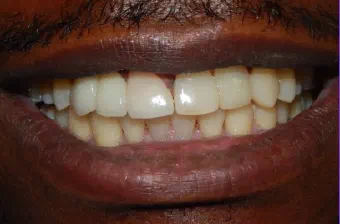
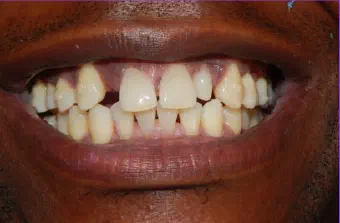
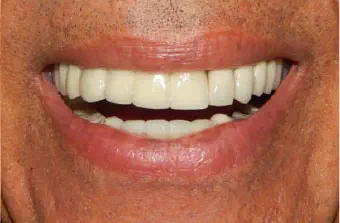
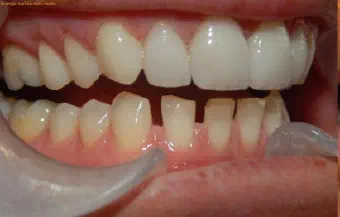
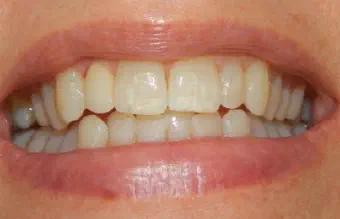
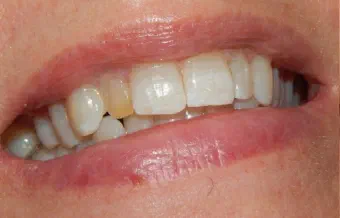
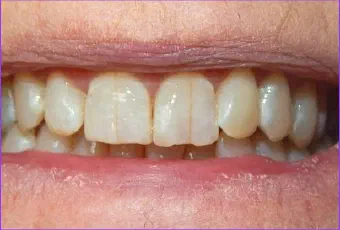
Before & after smile gallery.

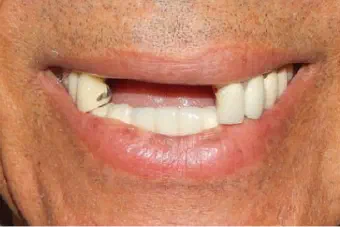
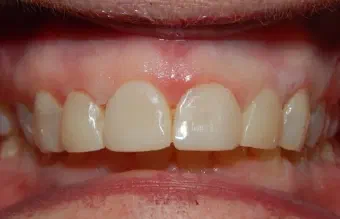
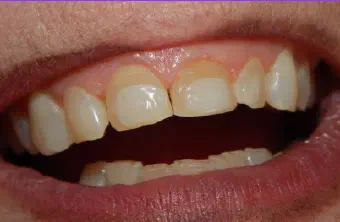
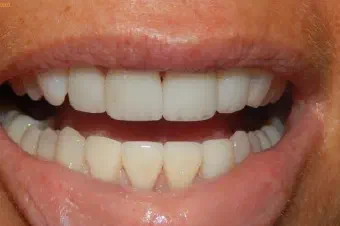
Drag the centre line to compare each real case treated by our dental team. Every smile begins with a personal assessment and a plan shaped around the patient.

Areas We Serve

Neighbourhood dental care, close to home.

Located in Cookstown, Innisfil, our dental team welcomes patients from communities across South Simcoe, Barrie, and northern York Region.

Get directions
  • Cookstown
  • Innisfil
  • Simcoe
  • Lake Simcoe
  • Alcona
  • Stroud
  • Lefroy–Belle Ewart
  • Gilford
  • Churchill
  • Sandy Cove
  • Innisfil Heights
  • Fennell’s Corners
  • Bradford
  • Bradford West Gwillimbury
  • Bond Head
  • Newton Robinson
  • New Tecumseth
  • Alliston
  • Beeton
  • Tottenham
  • Adjala–Tosorontio
  • Everett
  • Loretto
  • Barrie
  • Essa
  • Thornton
  • Baxter
  • Angus
  • Egbert
  • Ivy
  • Utopia
  • York Region
  • East Gwillimbury
  • Queensville
  • Holland Landing
  • Sharon
  • Schomberg
  • Nobleton

Don’t see your community listed? Contact us—we regularly welcome patients from throughout the surrounding region.

Google reviews

Kind words from our patients.

Read what patients have shared about their visits to Cookstown Dental Centre.

A dentist having a friendly consultation with a patient in a bright dental clinic

Your next step

Ready to feel good about your next dental visit?

Whether you are new to the clinic or returning for care, our team is here to make booking simple and answer your questions.

Call Book Now WhatsApp

How can we help?

The Cookstown Dental team is here for you.

Need an appointment, have a question, or want to talk through your options? Choose the next step that works best for you.

Send us a note

We’ll get back to you as soon as we can.