Cookstown Dental Centre
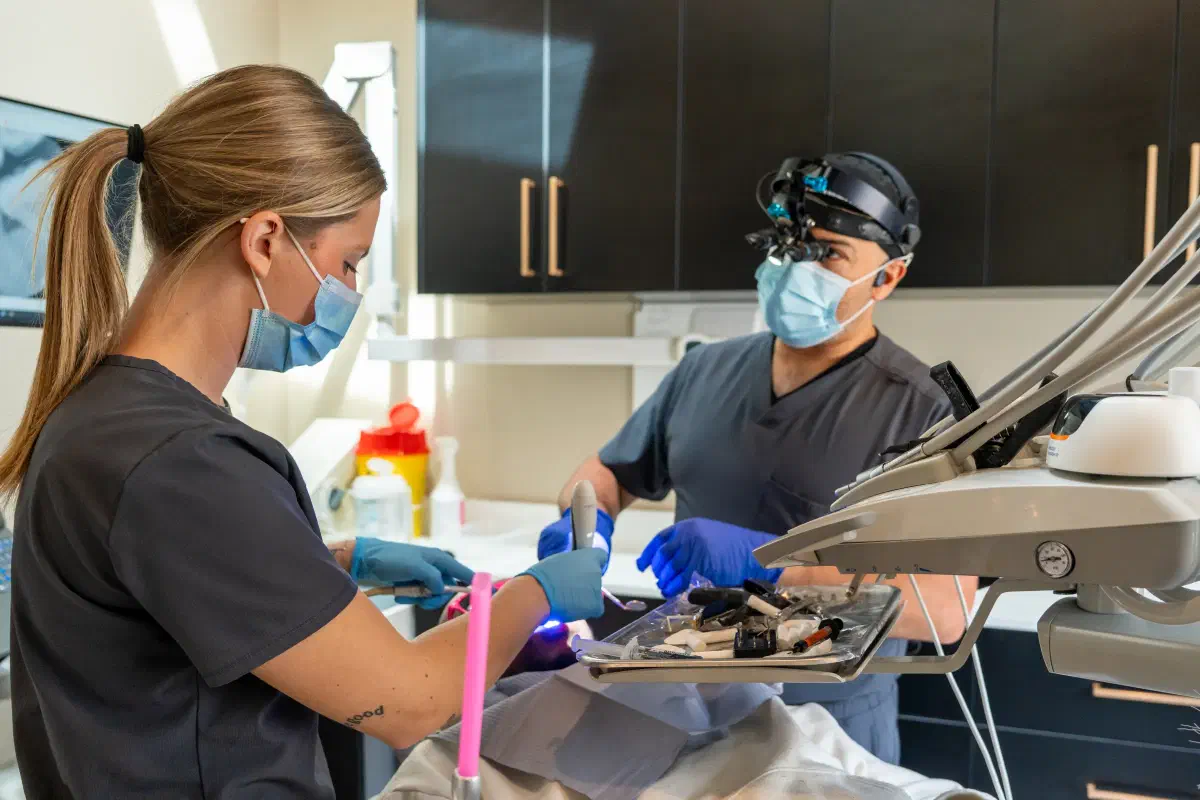
The Cookstown Dental Centre team caring for a patient in a treatment room

General & Family Dentistry · Cookstown

Keep your dental care part of your pregnancy care.

Discuss dental symptoms, treatment choices, appointment comfort, and coordination with your prenatal clinician throughout pregnancy.

Request an appointment

Let’s find a time that works.

Need urgent dental help? Call (705) 291-2222.

Dental Care During Pregnancy in Cookstown

Pregnancy is a reason to plan care, not ignore symptoms.

Pregnancy can bring questions about nearly every part of a dental visit, from the chair position to X-rays and local anaesthetic. You deserve clear explanations that relate to your situation. Routine and necessary dental care can be provided during pregnancy, and a painful tooth or possible infection should not be left unassessed simply because you are expecting.

At Cookstown Dental Centre, tell us that you are pregnant, how far along you are, and whether your prenatal clinician has identified any medical considerations. We can discuss the purpose of an appointment, your comfort needs, and any treatment questions before proceeding. The plan should support your oral health while fitting the advice of the clinicians looking after your pregnancy.

A pregnant patient speaking with a dentist beside an upright dental chair

What matters most

Begin with what has changed.

Some changes are common during pregnancy, but a symptom still deserves an explanation. Tell us what is new rather than assuming that every concern is pregnancy-related.

Gums that bleed or feel swollen

Hormonal changes can affect how gums respond to plaque. An assessment helps distinguish a manageable change in gum inflammation from other concerns. Describe where bleeding occurs and whether it happens during cleaning or at other times. Do not scrub harder or stop cleaning the area without asking how to adapt your technique.

Toothache or sensitivity

Pain may come from decay, a crack, an old restoration, or another cause that needs treatment. Pregnancy does not identify the diagnosis. Let the team know whether pain is brief or persistent, affects eating or sleep, or comes with swelling so the appropriate appointment can be arranged.

Nausea and a difficult routine

Gagging, vomiting, fatigue, and changing food habits can make usual mouth care harder. Tell us what you can tolerate and when symptoms are least troublesome. Practical adjustments are more helpful than being told to follow a routine that currently makes you feel unwell.

Understanding the details

Understand the decision before each step.

Your dentist should explain the benefit of a proposed procedure and how pregnancy affects the plan. Ask questions before treatment rather than carrying uncertainty through the visit.

Examinations and cleaning

Assessment and preventive care can continue during pregnancy. The scope and timing depend on your dental needs and comfort. Mention previous difficult visits, dizziness, reflux, or an inability to lie comfortably so the appointment can be discussed before you are positioned for care.

Necessary imaging and local anaesthetic

When clinically indicated, dental X-rays and local anaesthesia can be used during pregnancy. The dentist considers the specific need and appropriate technique. Tell the team about pregnancy before imaging or medicines, and ask what information or benefit the proposed step will provide.

Medicines and treatment choices

Medication decisions need to account for pregnancy, allergies, and your medical history. Do not assume that an over-the-counter painkiller or herbal product is suitable. Tell the dentist what you already take and ask the prescribing clinician or pharmacist to clarify any conflicting instructions.

Plan with confidence

Make the appointment comfortable for you.

Comfort is individual and may change as pregnancy progresses. Let the team know early so practical adjustments can be discussed.

Choose the details that matter

Mention your more comfortable time of day, nausea triggers, and whether you need breaks or a different chair position. Ask how long the planned visit is likely to take. The aim is to match the appointment to the care needed without making you feel that discomfort must simply be tolerated.

Share relevant prenatal information

Bring your prenatal clinician’s contact details, current medicines, and any restrictions or advice specific to your pregnancy. Not every patient needs the same medical coordination. If the pregnancy is considered high risk or your health changes, explain this when arranging care rather than waiting until treatment begins.

Your care, step by step

Keep care connected as pregnancy progresses.

A plan can include treatment now, preventive support between visits, and follow-up after birth. Each part should have a clear purpose.

  1. Assess the current concern

    Describe symptoms and ask which findings need attention soon. A discussion of treatment benefits and alternatives helps you make an informed decision. Do not postpone an active problem solely because you have heard that all dentistry must wait for a particular trimester.

  2. Agree on an everyday routine

    Choose brushing and cleaning techniques you can tolerate, and discuss nausea-related difficulties or frequent snacking. Ask which products are suitable. If a suggestion does not work, contact the team for an adjustment rather than abandoning the plan until the next scheduled visit.

  3. Plan the next review

    Confirm when any treated or monitored area should be reassessed. After birth, tell the team about breastfeeding and new medicines when relevant. Practical planning can help maintain dental care during a busy period without assuming that every appointment must follow a fixed pregnancy calendar.

Frequently asked questions

Your questions about dental care during pregnancy.

Do I have to wait until the second trimester?

Not for every dental need. Necessary care can be provided throughout pregnancy, while timing may be adjusted for comfort and individual circumstances. Contact the dentist about symptoms rather than choosing a delay yourself. Your prenatal clinician can be involved when medical considerations affect the plan.

Are bleeding gums something I should ignore?

No. Gum changes may occur during pregnancy, but bleeding should still be discussed. The dental team can assess the cause and show you a comfortable cleaning approach. Seek advice sooner if bleeding is spontaneous, substantial, or accompanied by other concerning symptoms.

Can I have a filling while pregnant?

A tooth needing a filling can often be treated during pregnancy. The dentist will explain the findings, material and anaesthetic choices, and any medical considerations. Leaving decay untreated is not automatically the safer choice; the decision should be based on your actual dental condition.

Should I cancel my cleaning?

Do not cancel solely because you are pregnant. Contact the clinic to update your health information and discuss your needs. The team can confirm the appointment’s scope and make a plan for comfort, with additional medical coordination if your circumstances require it.

What if brushing makes me gag?

Tell the team when it happens and which part of the routine is hardest. A different brush size, technique, or timing may be worth discussing. Persistent vomiting or difficulty keeping fluids down also needs advice from your prenatal clinician, not only a change of dental products.

Can I whiten my teeth during pregnancy?

Whitening is elective, so discuss whether it should be deferred and focus first on oral health needs. Do not assume that an online or over-the-counter product has been established as suitable for pregnancy. Your dentist can help distinguish a cosmetic preference from a condition needing assessment.

What should I do about severe tooth pain?

Contact the dental team promptly and explain that you are pregnant. Describe swelling, fever, or other symptoms as well as the pain. Difficulty breathing or swallowing needs emergency help. Ask your clinician about suitable pain relief rather than choosing medicine based on advice intended for another person.

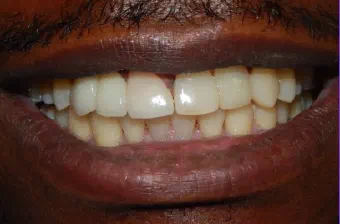
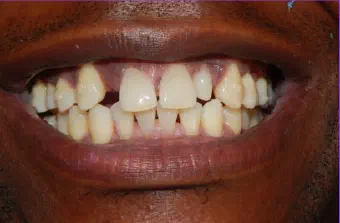
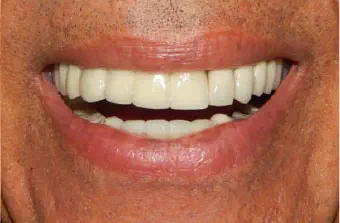
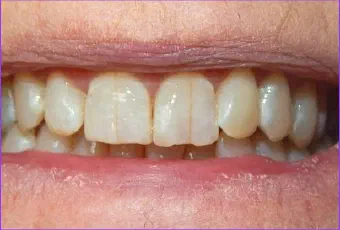
Real patient results

Before & after smile gallery.

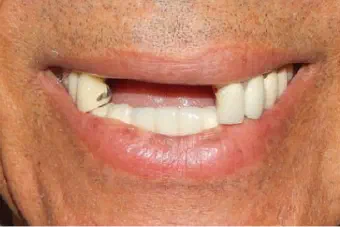
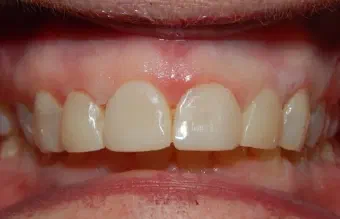
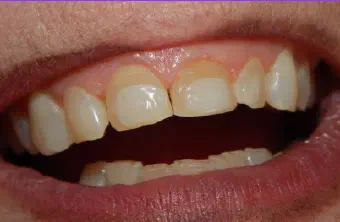
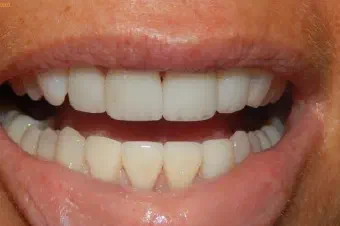
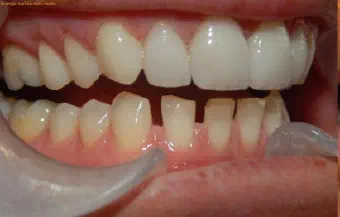
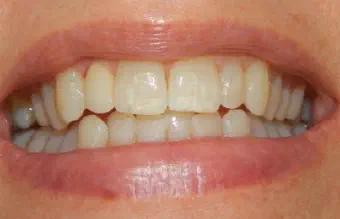
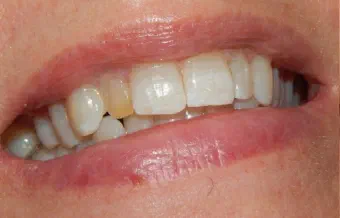
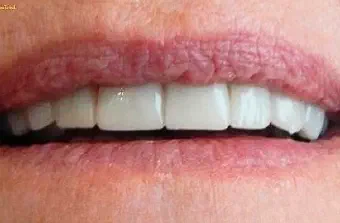
Drag the centre line to compare each real case treated by our dental team. Every smile begins with a personal assessment and a plan shaped around the patient.

Areas We Serve

Neighbourhood dental care, close to home.

Located in Cookstown, Innisfil, our dental team welcomes patients from communities across South Simcoe, Barrie, and northern York Region.

Get directions
  • Cookstown
  • Innisfil
  • Simcoe
  • Lake Simcoe
  • Alcona
  • Stroud
  • Lefroy–Belle Ewart
  • Gilford
  • Churchill
  • Sandy Cove
  • Innisfil Heights
  • Fennell’s Corners
  • Bradford
  • Bradford West Gwillimbury
  • Bond Head
  • Newton Robinson
  • New Tecumseth
  • Alliston
  • Beeton
  • Tottenham
  • Adjala–Tosorontio
  • Everett
  • Loretto
  • Barrie
  • Essa
  • Thornton
  • Baxter
  • Angus
  • Egbert
  • Ivy
  • Utopia
  • York Region
  • East Gwillimbury
  • Queensville
  • Holland Landing
  • Sharon
  • Schomberg
  • Nobleton

Don’t see your community listed? Contact us—we regularly welcome patients from throughout the surrounding region.

Google reviews

Kind words from our patients.

Read what patients have shared about their visits to Cookstown Dental Centre.

A dentist having a friendly consultation with a patient in a bright dental clinic

Your next step

Ready to feel good about your next dental visit?

Whether you are new to the clinic or returning for care, our team is here to make booking simple and answer your questions.

Call Book Now WhatsApp

How can we help?

The Cookstown Dental team is here for you.

Need an appointment, have a question, or want to talk through your options? Choose the next step that works best for you.

Send us a note

We’ll get back to you as soon as we can.