Cookstown Dental Centre
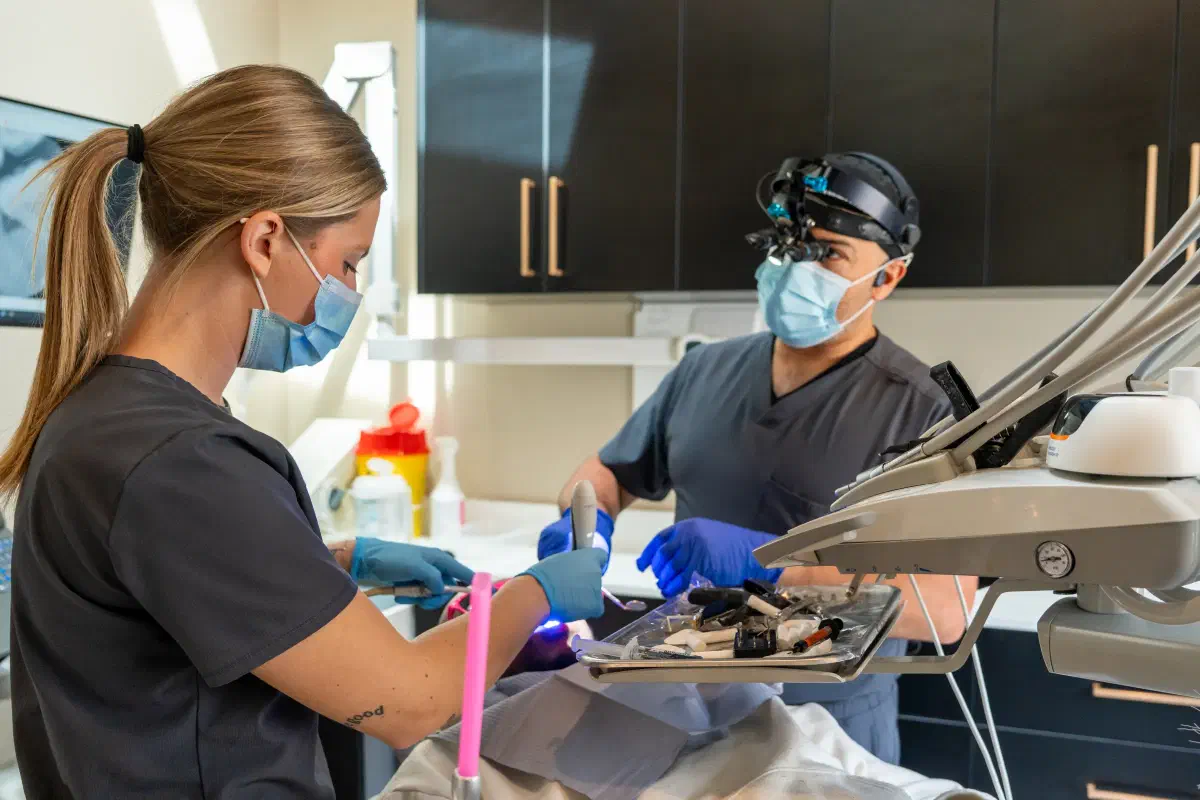
The Cookstown Dental Centre team caring for a patient in a treatment room

General & Family Dentistry · Cookstown

Care for the life you want your smile to support.

Explore ongoing dental care for older adults, including comfortable eating, maintenance of dental work, changing health needs, and practical home care.

Request an appointment

Let’s find a time that works.

Need urgent dental help? Call (705) 291-2222.

Dental Care for Older Adults in Cookstown

Your priorities matter more than your age.

Dental care in later life can involve natural teeth, implants, bridges, dentures, or a combination of them. What matters is how your mouth feels and functions in everyday life. You may want to keep eating favourite foods, maintain a familiar smile, make cleaning easier, or resolve a problem that has gradually become harder to ignore.

At Cookstown Dental Centre, we start with those priorities and review the condition of your mouth alongside your health and practical circumstances. Getting older does not mean that discomfort or tooth loss should be accepted as inevitable. A useful plan considers benefits, maintenance, appointment demands, and cost so you can make choices that fit your life.

An older woman discussing her dental care with a clinician

A closer look

Comfort, function, and maintenance.

These goals often overlap, but separating them helps explain why one concern may need attention before another.

  1. Enjoy eating comfortably

    Tell us about food you avoid, chewing on only one side, or a denture that moves during meals. Changes may develop gradually and be easy to accommodate without mentioning. An assessment can help distinguish a dental cause from a concern needing medical or nutritional input, rather than assuming that a softer diet is the only solution.

  2. Keep useful dental work working

    Older restorations, bridges, implants, and dentures need different kinds of review. Bring information about previous treatment when available. The dentist can explain what is sound, what needs repair, and what could be monitored. A treatment plan should not assume that every older restoration needs replacement simply because of its age.

  3. Make everyday care manageable

    Hand strength, eyesight, fatigue, or a changing living situation may affect cleaning. Tell us what is difficult and which tools you already use. Advice can focus on accessible areas, appropriate aids, and support where needed. The goal is to preserve independence while addressing tasks that have become challenging.

Practical guidance

Changes worth mentioning at your next visit.

Your dental team needs updates even when they do not seem directly related to teeth. A small change in health or routine may alter the most useful preventive advice.

Medicines and mouth comfort

Bring a current list of prescription medicines, non-prescription products, and supplements. Mention dryness, altered taste, or soreness and when it began. Do not change a prescribed medicine yourself. The dentist can assess oral concerns and discuss whether coordination with the prescriber or pharmacist would help.

Exposed roots and cleaning difficulties

Gum recession may leave root surfaces exposed, creating areas that need particular attention. Ask the team to show you which surfaces are vulnerable and how to clean them gently. Additional preventive measures may be appropriate after assessment. A dark spot or sensitive area should not be diagnosed from appearance alone.

Changes in support or access

Let us know if travel, balance, chair positioning, or remembering instructions has become more difficult. A caregiver can be involved with your permission. Discuss practical arrangements before booking, including what assistance the clinic can provide and what needs to be organized separately.

Two parts of the picture

Choosing treatment and choosing maintenance.

There can be more than one reasonable way to care for a tooth or replace missing teeth. The best discussion includes what each option asks of you after the procedure.

The immediate benefit

Ask what the proposed treatment is expected to improve: comfort, chewing, cleaning access, appearance, or protection of a damaged tooth. Discuss alternatives and the consequences of waiting. A more involved procedure is not automatically the right answer, but neither should age alone rule out useful treatment.

The ongoing commitment

Consider cleaning requirements, future repairs, follow-up visits, and expected costs. Tell the team about foreseeable changes in health or support. A solution that works well today should also be considered in the context of what you can maintain, while recognizing that no dental treatment has a guaranteed lifespan.

Careful decisions

A personal plan can change with you.

Dental care can be reviewed as your priorities and circumstances evolve. You should understand the purpose of the next appointment and feel able to raise concerns about the plan.

Prioritize without losing the bigger picture

If several issues need attention, ask which are urgent and which can be addressed in stages. The team can discuss a sequence that considers comfort, healing, transport, and budget. Staging care still requires review; it should not leave active problems indefinitely unmonitored.

Continue checking the mouth without natural teeth

Dentures and the tissues beneath them still need attention. Persistent sores, changes in fit, or a new lump should be assessed. Bring appliances to appointments and ask how to care for them. A mouth without natural teeth is not a mouth without dental-care needs.

Frequently asked questions

Your questions about dental care for older adults.

Is losing teeth an unavoidable part of ageing?

No. Many people retain natural teeth into later life. Your individual outlook depends on the condition of the teeth and supporting tissues, health, and ongoing care. The dentist can discuss realistic options without assuming that age alone determines whether teeth should be treated or removed.

How is this different from a senior dental examination?

An examination assesses your current condition. Ongoing dental care includes the treatment, prevention, daily support, and follow-up that come from those findings. This broader plan can evolve over several visits as your goals, health, and ability to maintain different options become clearer.

Can I bring a family member?

Yes, discuss who you would like involved and the support you want. A family member may help with notes, transport, or remembering information. The team should still address you directly and clarify permission before sharing information or involving anyone else in treatment decisions.

What if I cannot afford every recommended treatment?

Tell the team so priorities, alternatives, and possible staging can be discussed. Ask for an estimate and an explanation of the risks of delay. Financial planning is easier when you understand which concerns need prompt attention and which choices are optional or can be reviewed later.

Do dentures need regular review?

Yes. Fit, comfort, cleanliness, and the health of the supporting tissues can change. Bring your dentures to the appointment and describe any rubbing or difficulty eating. Do not attempt repairs or adjustments with household tools or adhesives; ask for an assessment of the problem.

What if my hands make brushing difficult?

Bring your current brush or explain the grip problem. The team can discuss suitable handles, powered options, or help with particular areas. A practical demonstration can be useful. If another person assists, ask for advice that preserves your comfort and as much independence as possible.

How often should I attend?

The interval depends on your teeth, gums, restorations, and risk factors rather than age alone. Ask what the next visit will assess. New pain, swelling, a persistent sore, or a broken appliance may need earlier attention even if a routine appointment is already scheduled.

Real patient results

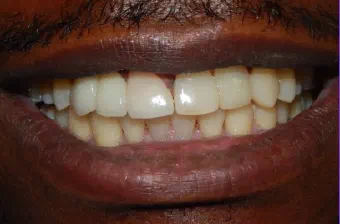
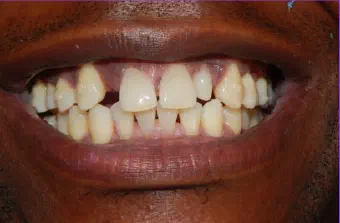
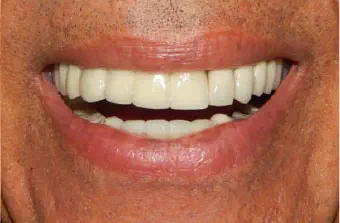
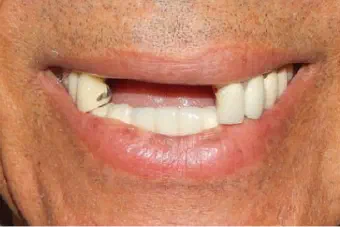
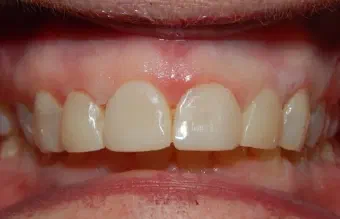
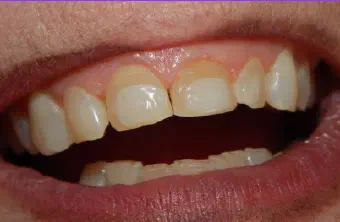
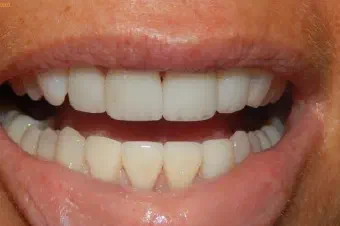
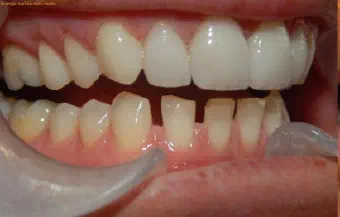
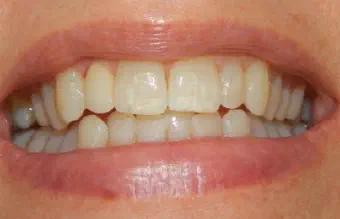
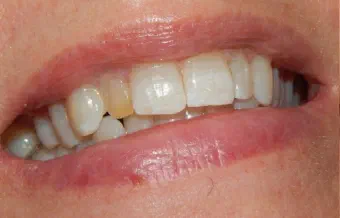
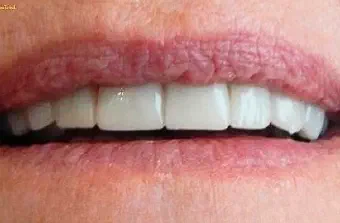
Before & after smile gallery.

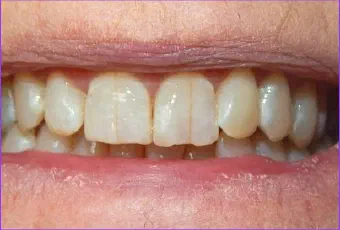
Drag the centre line to compare each real case treated by our dental team. Every smile begins with a personal assessment and a plan shaped around the patient.

Areas We Serve

Neighbourhood dental care, close to home.

Located in Cookstown, Innisfil, our dental team welcomes patients from communities across South Simcoe, Barrie, and northern York Region.

Get directions
  • Cookstown
  • Innisfil
  • Simcoe
  • Lake Simcoe
  • Alcona
  • Stroud
  • Lefroy–Belle Ewart
  • Gilford
  • Churchill
  • Sandy Cove
  • Innisfil Heights
  • Fennell’s Corners
  • Bradford
  • Bradford West Gwillimbury
  • Bond Head
  • Newton Robinson
  • New Tecumseth
  • Alliston
  • Beeton
  • Tottenham
  • Adjala–Tosorontio
  • Everett
  • Loretto
  • Barrie
  • Essa
  • Thornton
  • Baxter
  • Angus
  • Egbert
  • Ivy
  • Utopia
  • York Region
  • East Gwillimbury
  • Queensville
  • Holland Landing
  • Sharon
  • Schomberg
  • Nobleton

Don’t see your community listed? Contact us—we regularly welcome patients from throughout the surrounding region.

Google reviews

Kind words from our patients.

Read what patients have shared about their visits to Cookstown Dental Centre.

A dentist having a friendly consultation with a patient in a bright dental clinic

Your next step

Ready to feel good about your next dental visit?

Whether you are new to the clinic or returning for care, our team is here to make booking simple and answer your questions.

Call Book Now WhatsApp

How can we help?

The Cookstown Dental team is here for you.

Need an appointment, have a question, or want to talk through your options? Choose the next step that works best for you.

Send us a note

We’ll get back to you as soon as we can.