Cookstown Dental Centre
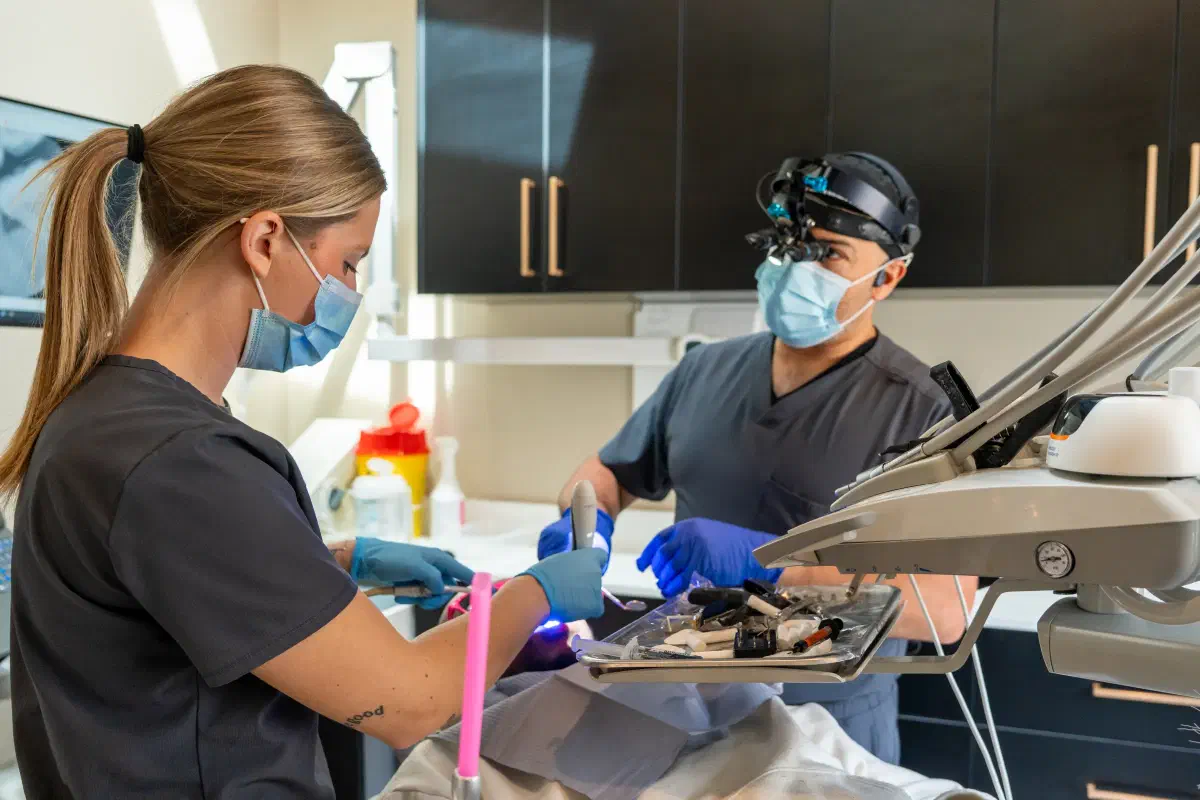
The Cookstown Dental Centre team caring for a patient in a treatment room

General & Family Dentistry · Cookstown

A clear dental plan around your prescribed medicine.

Prepare for dental treatment while taking anticoagulant or antiplatelet medicine, with medication review, coordinated decisions, and clear aftercare.

Request an appointment

Let’s find a time that works.

Need urgent dental help? Call (705) 291-2222.

Dental Care for Patients Taking Blood Thinners in Cookstown

Do not change your medicine before asking your care team.

Blood-thinning medicines help reduce the risk of serious clots. They are also relevant when planning dental procedures that may cause bleeding. Taking one does not automatically prevent dental treatment, but the dentist needs accurate information about the medicine, why you take it, and your wider health before deciding on the appropriate approach.

At Cookstown Dental Centre, tell us about anticoagulant and antiplatelet medicines when booking, including prescribed aspirin. We can review the proposed procedure and determine whether medical input is needed. Do not skip, reduce, or stop a dose on your own because of a dental appointment. Any change must be directed through the clinicians responsible for your care.

A patient showing a medication list to a dentist

Careful decisions

Balance bleeding and clotting considerations.

For many dental procedures, patients can continue their prescribed medicine with appropriate local care. The decision is individualized; a blanket instruction to stop a blood thinner is not suitable.

The dental procedure matters

An examination, a restoration, and an extraction do not create the same treatment situation. The dentist considers the extent of care and the likely bleeding risk. Ask which parts of the plan require extra precautions and whether treatment should be divided into smaller appointments or managed in another setting.

Your medical history matters too

Other medicines, kidney or liver conditions, previous bleeding, and the reason for anticoagulation may affect planning. Tell the dentist about recent changes and the clinician who manages the prescription. When advice from the prescriber is needed, it should be obtained before treatment rather than leaving you to adjust medication yourself.

Understanding the details

Bring details that identify the medicine accurately.

A description such as the little blood-pressure pill can be misleading. A current pharmacy list is useful when several prescriptions are involved.

Name, dose, and timing

Record the exact medicine and how you take it, including medicines used only on certain days. Tell the team about a recent dose change or missed doses. Do not guess if you are uncertain; confirm the information with your pharmacist or prescriber before a procedure is planned.

Reason and prescribing clinician

Explain why the medicine was prescribed and provide the relevant contact details. Include recent heart or vascular procedures and any instructions about avoiding interruption. The dental team needs this context when weighing the risks of a proposed treatment or asking for medical advice.

Other products and test information

Include non-prescription painkillers, supplements, and any other medicines that affect bleeding. If you take warfarin, the dentist may request a recent INR result when relevant. Different blood thinners are monitored differently, so do not assume that the same blood test or instruction applies to everyone.

Your care, step by step

Plan the procedure and the recovery together.

A useful appointment plan includes what happens after you leave. Confirm that you can follow the instructions and contact the team if a concern arises.

  1. Before the visit

    Confirm that the dental and medical instructions agree and that the clinic has any requested information. Ask about the expected procedure and recovery. If something changes, such as a new prescription or an unexpected bleeding episode, call before attending so the dentist can reassess the plan.

  2. During treatment

    The clinician may use local measures to control bleeding and check the area before you leave. The exact approach depends on the procedure. You can ask what has been done and what symptoms are expected. Do not assume that taking a blood thinner means prolonged bleeding is something you must simply accept.

  3. After treatment

    Follow the specific written instructions for pressure, cleaning, eating, and activity. Ask which pain relief is appropriate with your medicines. Know how to contact the clinic and when persistent bleeding needs urgent assessment. If bleeding is heavy or you feel faint or unwell, seek urgent medical help.

Plan with confidence

Make the instructions easy to follow.

Preparation is particularly useful if you live alone, need help reading instructions, or have transport constraints. Tell the clinic about these details before treatment.

Clarify the medicine plan

Ask whether your usual schedule continues and who has authorized any change. If you are given a change, obtain clear instructions about timing and restarting from the responsible clinician. Do not extend an interruption because the mouth still feels sore or because a friend followed a different plan.

Clarify the contact plan

Keep the aftercare information and clinic contact details accessible. If a supporter will help you, involve them with your permission. Tell the team if you cannot apply pressure, manage the recommended diet, or recognize the symptoms described, so practical support can be arranged in advance.

Frequently asked questions

Your questions about dental care for patients taking blood thinners.

Should I stop my blood thinner before a cleaning?

Do not stop it yourself. Many dental visits can proceed without changing treatment, but the dentist needs to know the medicine and your health history. Contact the clinic before the appointment if you have been given different instructions by another clinician.

Is aspirin important to mention?

Yes. Include prescribed aspirin and other antiplatelet medicines, as well as non-prescription products. They may be relevant to bleeding and medicine interactions. Do not treat an everyday or low-dose product as unimportant simply because you have taken it for a long time.

Will I need an INR test?

An INR may be relevant for a person taking warfarin before certain procedures. It is not the standard monitoring test for every anticoagulant. The dentist will explain whether a result is needed, how recent it should be, and how the information will be obtained.

Can I have a tooth removed?

An extraction may be possible with appropriate assessment and planning. The dentist considers the procedure, your medicine, and medical factors, and may consult the prescriber. Some situations require a different setting. The decision should be made before treatment rather than based solely on the medication name.

Which painkiller can I take afterwards?

Ask the treating clinician or pharmacist for advice that accounts for your medicines and health. Some common painkillers can affect bleeding or interact with treatment. Do not add an over-the-counter product on the assumption that it is automatically suitable after dental work.

What if bleeding continues at home?

Follow the procedure-specific instructions and contact the dental team if bleeding does not settle as expected. Heavy or uncontrolled bleeding, faintness, or other significant symptoms need urgent medical assessment. Do not manage persistent bleeding by independently stopping your prescribed anticoagulant.

What if I already missed a dose?

Tell the dental team and seek instructions from the prescriber or pharmacist about the medicine. Do not double a dose or make further changes based on general advice. The dentist also needs to know before proceeding with a treatment plan based on your usual schedule.

Real patient results

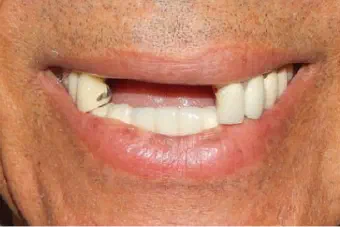
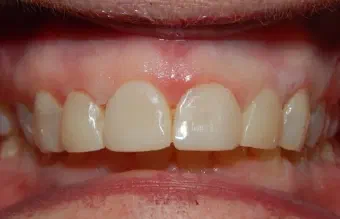
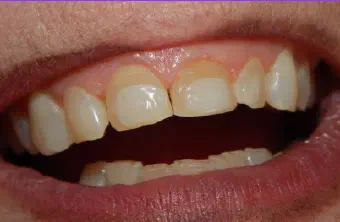
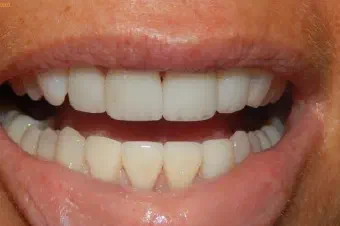
Before & after smile gallery.

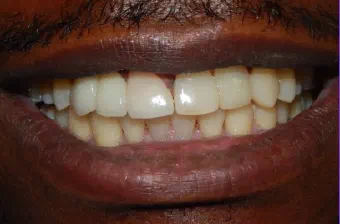
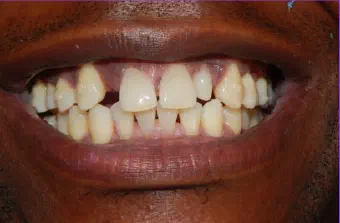
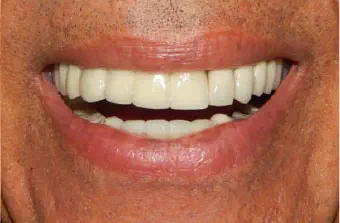
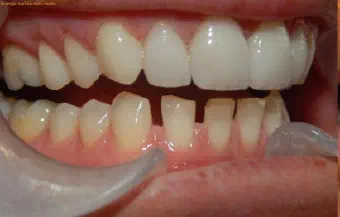
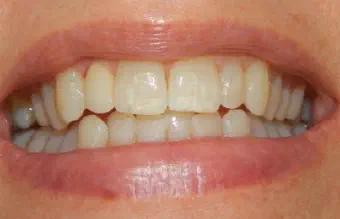
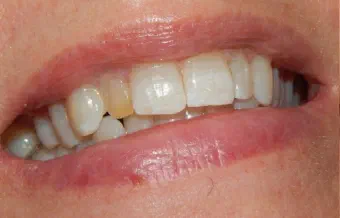
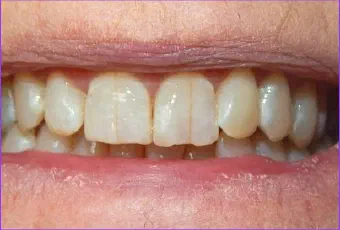
Drag the centre line to compare each real case treated by our dental team. Every smile begins with a personal assessment and a plan shaped around the patient.

Areas We Serve

Neighbourhood dental care, close to home.

Located in Cookstown, Innisfil, our dental team welcomes patients from communities across South Simcoe, Barrie, and northern York Region.

Get directions
  • Cookstown
  • Innisfil
  • Simcoe
  • Lake Simcoe
  • Alcona
  • Stroud
  • Lefroy–Belle Ewart
  • Gilford
  • Churchill
  • Sandy Cove
  • Innisfil Heights
  • Fennell’s Corners
  • Bradford
  • Bradford West Gwillimbury
  • Bond Head
  • Newton Robinson
  • New Tecumseth
  • Alliston
  • Beeton
  • Tottenham
  • Adjala–Tosorontio
  • Everett
  • Loretto
  • Barrie
  • Essa
  • Thornton
  • Baxter
  • Angus
  • Egbert
  • Ivy
  • Utopia
  • York Region
  • East Gwillimbury
  • Queensville
  • Holland Landing
  • Sharon
  • Schomberg
  • Nobleton

Don’t see your community listed? Contact us—we regularly welcome patients from throughout the surrounding region.

Google reviews

Kind words from our patients.

Read what patients have shared about their visits to Cookstown Dental Centre.

A dentist having a friendly consultation with a patient in a bright dental clinic

Your next step

Ready to feel good about your next dental visit?

Whether you are new to the clinic or returning for care, our team is here to make booking simple and answer your questions.

Call Book Now WhatsApp

How can we help?

The Cookstown Dental team is here for you.

Need an appointment, have a question, or want to talk through your options? Choose the next step that works best for you.

Send us a note

We’ll get back to you as soon as we can.