
Cookstown Dental Centre
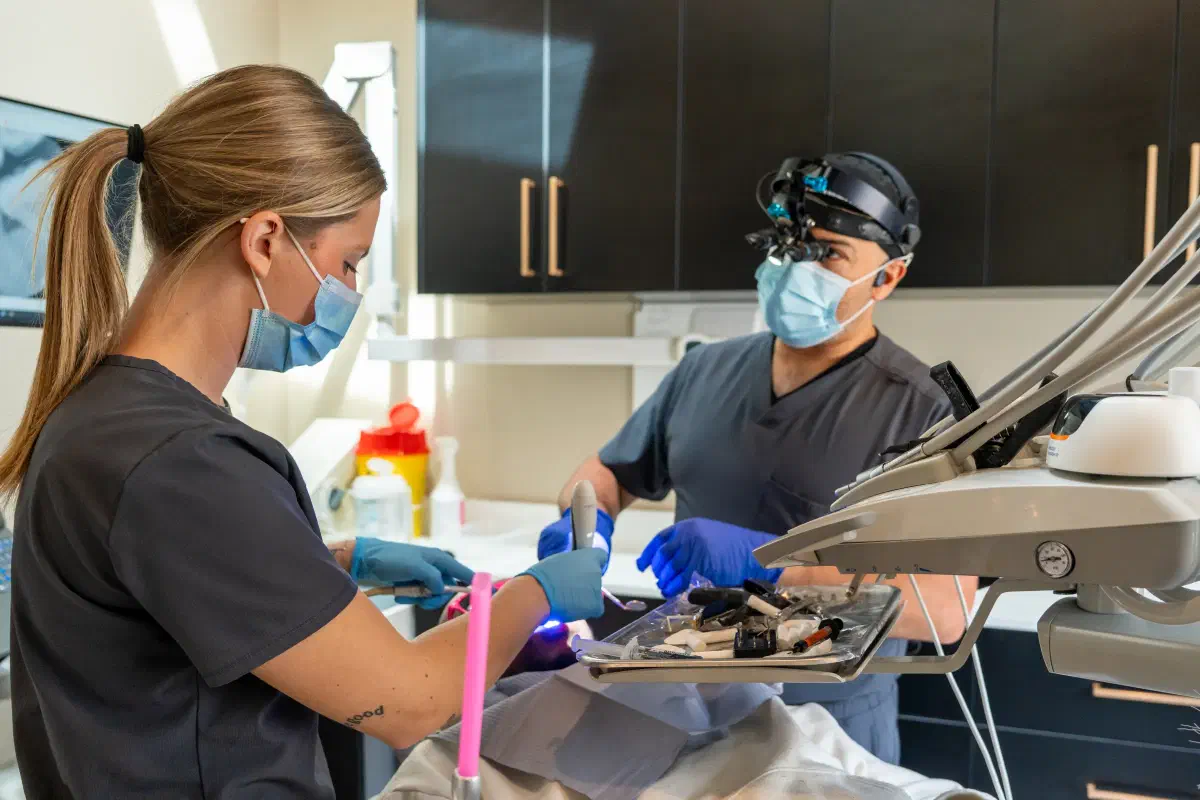
The Cookstown Dental Centre team caring for a patient in a treatment room

General & Family Dentistry · Cookstown

A complete medicine list. A better-informed dental plan.

Understand why your medicines matter to dental care, how to prepare an accurate list, and when your dentist may coordinate with a prescriber or pharmacist.

Request an appointment

Let’s find a time that works.

Need urgent dental help? Call (705) 291-2222.

Dental Care for Patients Taking Multiple Medications in Cookstown

Every prescription is part of the picture.

When several medicines are prescribed by different clinicians, it can be difficult to remember every name, dose, and recent change. Dental care adds another reason to keep that information together. Medicines may be relevant to mouth symptoms, bleeding, healing, or the choice of an additional medicine for a dental procedure.

At Cookstown Dental Centre, we review the information you provide alongside your oral health and planned treatment. The purpose is to make informed decisions, not to suggest that taking several medicines is itself a problem. Continue your prescribed care unless the responsible clinician directs a change, and tell us when your medication list has been updated.

A dentist and patient reviewing a medication organizer and notebook

Plan with confidence

Build a list the whole team can use.

A current pharmacy printout can be a useful starting point. Check that it includes what you actually take, including products obtained elsewhere or used only occasionally.

Include names and instructions

Record the medicine name, dose, frequency, and reason for use when known. Include inhalers, injections, creams when relevant, and medicines taken weekly or monthly. If you have stopped a product under medical advice, mark that clearly rather than leaving an outdated entry that could be mistaken for current treatment.
Add non-prescription products

Painkillers, sleep aids, allergy medicines, vitamins, supplements, and herbal products can be relevant. Include mouth rinses and products used for dryness. Bring packaging or a photograph of the label if the name is difficult to remember. A product being available without a prescription does not mean it cannot affect dental decisions.

Identify who can clarify

Provide the names of your pharmacy and relevant prescribers. If someone helps organize your medicines, involve them with your permission. The dental team may need clarification rather than making assumptions about an unfamiliar product, conflicting dose information, or a recent change not yet reflected in the printed list.

Practical guidance

Tell us what changed in your mouth and when.

Timing can help the conversation, although it does not prove that a medicine caused a symptom. A dental examination may still be needed to look for other explanations.

Dryness, taste, or tissue changes

Some medicines can affect saliva or oral tissues. Describe a new dry feeling, altered taste, soreness, or gum change, and mention when a medicine was started or adjusted. The dentist can assess the mouth and discuss supportive care. Medication changes belong with the prescriber, not an experiment conducted at home.

Bleeding and procedural planning

Medicines that affect clotting can be important before some procedures. Tell us about unusual bleeding or bruising and any instructions from the prescriber. A dental plan should consider the procedure and the whole medical history. Do not skip a medicine because you assume that less bleeding is always the only priority.

Bone health and other medical treatments

Mention medicines used for osteoporosis, cancer, immune conditions, and other long-term illnesses, including past treatment when requested. Some can affect decisions about surgery or healing. The dentist needs the exact treatment history to assess relevance; a broad label such as a bone medicine may not provide enough information.

Careful decisions

Adding a dental prescription needs another review.

The medicine list matters even for a short course of treatment. Tell the dentist about allergies, previous reactions, and any new prescription issued since your last appointment.

Check before combining

Ask whether a suggested painkiller, antibiotic, or other product is compatible with your existing treatment. The prescriber or pharmacist may need to review interactions and medical considerations. Do not use a family member’s medicine or an old prescription simply because it helped with a previous toothache.

Keep instructions consistent

If the dental team and another clinician provide different advice, seek clarification before making changes. Write down who is responsible for the final medication plan. You should know what to take, what to avoid, and whom to call if the instructions are unclear or a new symptom develops.

At your appointment

Make medication review part of ordinary dental care.

A brief update at each visit is easier than reconstructing a complicated history just before treatment. Small changes can be relevant even when you feel otherwise well.

  1. Before the appointment

    Check your list, note recent changes, and bring questions about mouth symptoms. Tell the clinic if a significant medical event has occurred since booking. If you need help understanding or remembering instructions, arrange a supporter and clarify permission to share information.

  2. During planning

    Ask which medicines are relevant to the proposed procedure and whether further medical input is needed. Discuss the purpose of any recommended oral product. Keep the plan manageable, especially if your existing routine already involves several treatment steps throughout the day.

  3. After the visit

    Update your personal list if a dental prescription is added and share it with the pharmacist or medical team as appropriate. Follow the supplied instructions and review arrangements. If the suggested mouth-care routine is difficult, ask for a simpler approach rather than quietly abandoning it.

Frequently asked questions

Your questions about dental care for patients taking multiple medications.

Should I bring the actual medicine containers?

A clear, current list is often useful, but containers or label photographs can help when names or doses are uncertain. Ask the clinic what it prefers. Include occasional and non-prescription products so the review reflects your real routine rather than only repeat prescriptions.

Do supplements count as medicines for this discussion?

They should be included. Vitamins, herbal products, and supplements may be relevant to interactions or procedural planning. Tell the team what you take and how often, even if it was recommended by a friend or purchased as a general wellness product.

Can the dentist tell me to stop a medicine causing dryness?

The dentist can assess oral symptoms and discuss possible contributors, but changes to prescribed treatment need the responsible prescriber’s input. Do not stop a medicine yourself. Symptom support and preventive care may be useful while the medical team reviews the wider treatment choices.

What if I cannot remember why I take something?

Bring the name and pharmacy details rather than guessing. The information can be clarified with the appropriate clinician. If a caregiver manages your medicines, ask them to help prepare the list and explain what support you want during the appointment.

Does taking several medicines make dentistry unsafe?

Not automatically. It means accurate information and appropriate planning are important. The dentist considers your health, medicines, and the specific procedure together. Some appointments need little adaptation; others may require coordination or additional information before treatment can proceed.

Should I report a medicine prescribed after my examination?

Yes, especially before a planned procedure or when the new medicine follows a medical event. The treatment plan may have been based on the previous list. A quick update allows the dentist to decide whether any instructions or scheduling need to change.

Can I take my usual over-the-counter painkiller after treatment?

Check the procedure-specific advice and ask the clinician or pharmacist about compatibility with your current medicines. Familiarity does not guarantee suitability in every situation. Avoid adding another product with the same ingredient or following a dose intended for someone else.

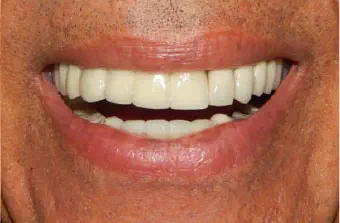
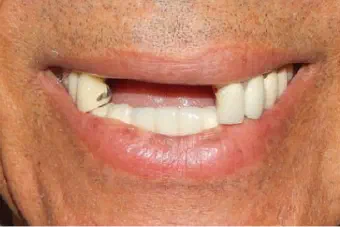
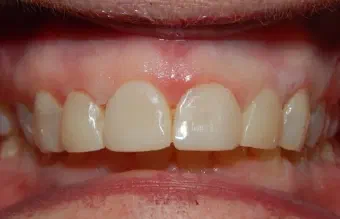
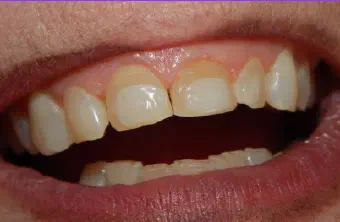
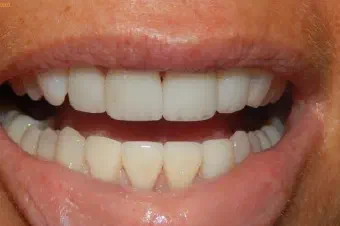
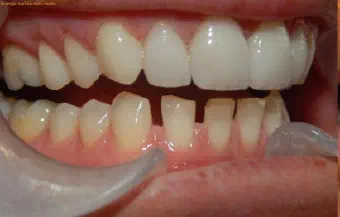
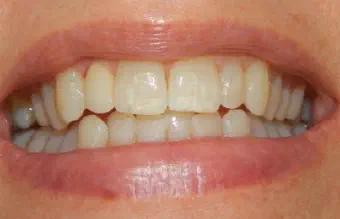
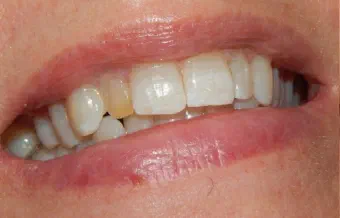
Real patient results

Before & after smile gallery.

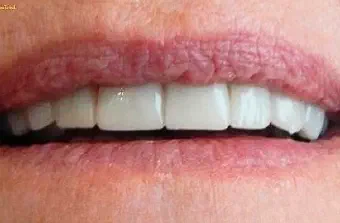
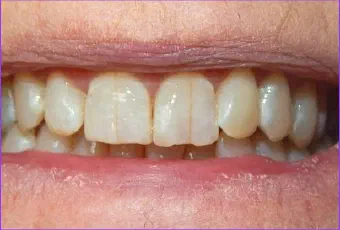
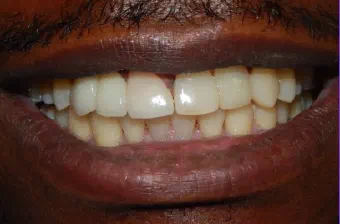
Drag the centre line to compare each real case treated by our dental team. Every smile begins with a personal assessment and a plan shaped around the patient.

Areas We Serve

Neighbourhood dental care, close to home.

Located in Cookstown, Innisfil, our dental team welcomes patients from communities across South Simcoe, Barrie, and northern York Region.

Get directions
  • Cookstown
  • Innisfil
  • Simcoe
  • Lake Simcoe
  • Alcona
  • Stroud
  • Lefroy–Belle Ewart
  • Gilford
  • Churchill
  • Sandy Cove
  • Innisfil Heights
  • Fennell’s Corners
  • Bradford
  • Bradford West Gwillimbury
  • Bond Head
  • Newton Robinson
  • New Tecumseth
  • Alliston
  • Beeton
  • Tottenham
  • Adjala–Tosorontio
  • Everett
  • Loretto
  • Barrie
  • Essa
  • Thornton
  • Baxter
  • Angus
  • Egbert
  • Ivy
  • Utopia
  • York Region
  • East Gwillimbury
  • Queensville
  • Holland Landing
  • Sharon
  • Schomberg
  • Nobleton

Don’t see your community listed? Contact us—we regularly welcome patients from throughout the surrounding region.

Google reviews

Kind words from our patients.

Read what patients have shared about their visits to Cookstown Dental Centre.

A dentist having a friendly consultation with a patient in a bright dental clinic

Your next step

Ready to feel good about your next dental visit?

Whether you are new to the clinic or returning for care, our team is here to make booking simple and answer your questions.

Call Book Now WhatsApp

How can we help?

The Cookstown Dental team is here for you.

Need an appointment, have a question, or want to talk through your options? Choose the next step that works best for you.

Send us a note

We’ll get back to you as soon as we can.