Cookstown Dental Centre
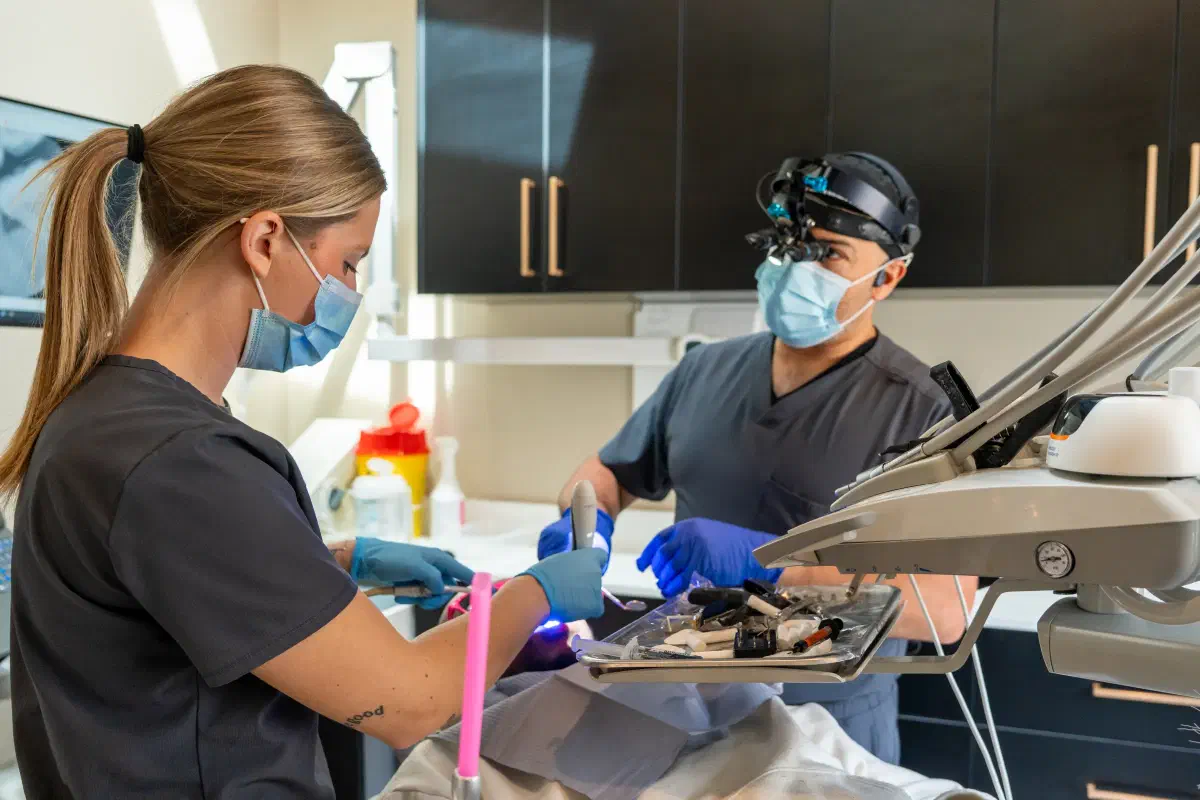
The Cookstown Dental Centre team caring for a patient in a treatment room

General & Family Dentistry · Cookstown

Care planned around the person, with room for individual needs.

Discuss communication, sensory preferences, medical coordination, and practical support for a dental visit suited to your healthcare needs.

Request an appointment

Let’s find a time that works.

Need urgent dental help? Call (705) 291-2222.

Dental Care for Patients with Special Healthcare Needs in Cookstown

Tell us what helps you receive care.

Special healthcare needs can involve medical, developmental, sensory, cognitive, or physical considerations. The same diagnosis can affect two people very differently. A helpful dental plan starts with your own experience: how you communicate, what makes an appointment difficult, what support you prefer, and what you want the visit to achieve.

At Cookstown Dental Centre, we welcome those details before an appointment is arranged. We can discuss the likely scope of care and whether the clinic can meet the particular needs involved. Some people benefit from small adjustments, while others need specialist coordination or another setting. Clear planning should respect the patient’s voice and make the next step easier to understand.

A clinician facing a patient with a hearing aid while explaining a dental model

What matters most

Build the visit around useful information.

A diagnosis is relevant, but practical preferences often tell us more about how to make an appointment work. Share what has helped at previous visits, including experiences outside dentistry.

Communication that reaches the patient

Tell us whether spoken explanations, writing, pictures, an assistive device, or a support person is most helpful. Hearing or speech differences do not mean that a person cannot understand or decide. Allowing time for a response and checking understanding can be as important as the words used to explain a procedure.

Sensory and environmental preferences

Mention sensitivity to light, sound, touch, taste, or unexpected changes. Describe which parts are most difficult and any approach that has helped before. The team can discuss possible adjustments, but specific equipment or an entirely controlled environment should be confirmed rather than assumed.

Medical and practical considerations

Provide current medicines, allergies, relevant clinician contacts, and information about swallowing, seizures, mobility, or other needs affecting care. The dentist can identify what requires further coordination. The amount of information should be sufficient for safe planning without making the patient repeatedly explain unrelated personal details.

Careful decisions

Support should preserve choice and dignity.

A caregiver or familiar person can be valuable, but the patient’s preferences remain central. Clarify the role of anyone attending before the appointment begins.

Consent and involvement

The team should explain proposed care in an understandable way and establish the appropriate consent process. A diagnosis or the presence of a caregiver does not automatically mean someone else makes the decisions. Ask what information or documentation is needed if a substitute decision-maker is involved.

Pausing and changing the approach

Agree on how the patient can ask for a break or show discomfort. If a step becomes too difficult, the plan may need to change. The aim is to assess what is achievable and appropriate, including referral when needed, rather than promising that every procedure can be completed in one visit.

Plan with confidence

Create a short appointment profile.

A concise set of preferences can make planning more consistent. Update it when needs change and tell the clinic which information may be shared with a support person.

What the team should know first

Include the reason for the appointment, the patient’s main concern, preferred communication, and important medical information. Mention any recent pain or behaviour change that may indicate discomfort. Distinguish current symptoms from longstanding preferences so urgent concerns are not lost in a general history.

What makes care easier

Describe helpful routines, a suitable time of day, comfort items, and the patient’s usual stop signal. Explain whether a familiarization visit might be useful and ask whether it is appropriate. Confirm any requested adjustment with the clinic so everyone understands what has actually been arranged.

What needs confirmation

Discuss transfer support, specialist equipment, sedation questions, appointment length, and the role of accompanying people. Some requests require additional assessment or another setting. Clear limits are useful information: they allow a suitable plan to be made before the patient has invested energy in travelling to the appointment.

Understanding the details

Plan care beyond the first appointment.

A successful visit is a starting point. Prevention and follow-up should take account of the same communication and support needs.

A manageable home routine

Ask for instruction based on the tools and assistance actually available. Sensory tolerance, motor skills, and swallowing ability may influence the approach. If the routine is difficult, describe the obstacle so the team can discuss an alternative rather than simply repeating the same advice.

A realistic treatment sequence

When several issues need attention, discuss priorities and whether care can be staged. The dentist can explain what needs prompt treatment and what can be monitored. The sequence should consider clinical need, tolerance, transport, and support rather than assuming that a standard appointment pattern suits everyone.

A clear handover when referral is needed

If specialist care is recommended, ask why, what information will be shared, and what the next appointment is intended to accomplish. Keep a copy of useful preferences and current medicines. Referral should help the receiving team prepare rather than require the patient to start the explanation from nothing.

Frequently asked questions

Your questions about dental care for patients with special healthcare needs.

Is this only for children?

No. People of any age may have healthcare needs that affect dental visits or home care. The plan should reflect the individual rather than an age group. Adults should be addressed directly and involved in decisions to the extent appropriate to their understanding and preferences.

Do you need to know the diagnosis before booking?

Share relevant medical information, but also explain the practical support needed and any current symptoms. The team may need further details before confirming care. You do not have to know which dental adjustment is best; that can be discussed as part of planning.

Can a caregiver speak for the patient?

A caregiver can help provide information and explain preferences with appropriate permission. That does not automatically replace the patient’s own voice or establish authority to consent. The team should clarify decision-making arrangements and communicate directly with the patient wherever possible.

Can the first visit be mainly about getting familiar?

Discuss that possibility when booking. A gradual introduction may be helpful for some people, while pain or infection may make prompt assessment a priority. The team can explain what a first appointment could include and whether a different approach would better meet the patient’s needs.

Is sedation always necessary?

No. Sedation is one possible approach in selected situations and requires its own assessment and consent. Communication, pacing, and practical adjustments may be sufficient for some patients. Ask about options, limitations, and whether a specialist setting is appropriate before assuming a particular treatment method.

What if the appointment cannot be completed?

The team can discuss what was learned, what remains to be assessed, and the next suitable step. That may involve a revised appointment, additional coordination, or referral. A difficult visit should lead to a clearer plan rather than blame or assumptions about the patient.

How can we make future visits more consistent?

Keep a current summary of helpful communication, comfort preferences, medicines, and support arrangements. Tell the clinic about changes before each appointment. With appropriate permission, shared notes can help the team build on what worked while still checking that the patient’s preferences remain the same.

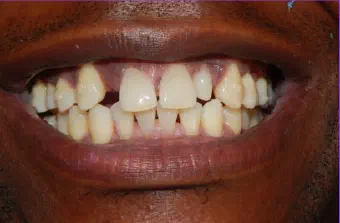
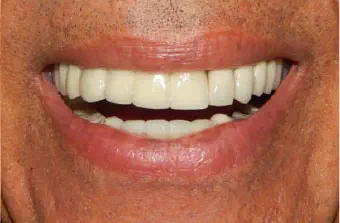
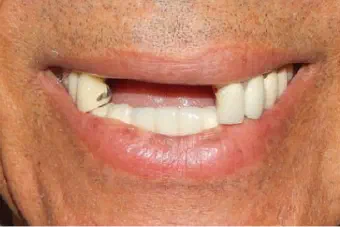
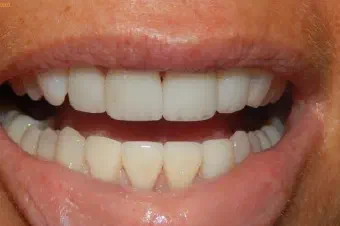
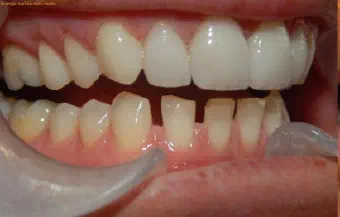
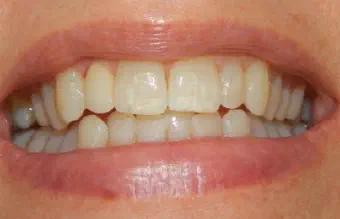
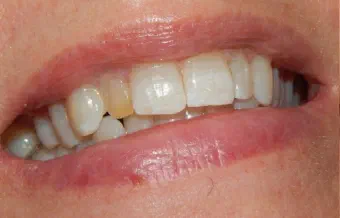
Real patient results

Before & after smile gallery.

Drag the centre line to compare each real case treated by our dental team. Every smile begins with a personal assessment and a plan shaped around the patient.

Areas We Serve

Neighbourhood dental care, close to home.

Located in Cookstown, Innisfil, our dental team welcomes patients from communities across South Simcoe, Barrie, and northern York Region.

Get directions
  • Cookstown
  • Innisfil
  • Simcoe
  • Lake Simcoe
  • Alcona
  • Stroud
  • Lefroy–Belle Ewart
  • Gilford
  • Churchill
  • Sandy Cove
  • Innisfil Heights
  • Fennell’s Corners
  • Bradford
  • Bradford West Gwillimbury
  • Bond Head
  • Newton Robinson
  • New Tecumseth
  • Alliston
  • Beeton
  • Tottenham
  • Adjala–Tosorontio
  • Everett
  • Loretto
  • Barrie
  • Essa
  • Thornton
  • Baxter
  • Angus
  • Egbert
  • Ivy
  • Utopia
  • York Region
  • East Gwillimbury
  • Queensville
  • Holland Landing
  • Sharon
  • Schomberg
  • Nobleton

Don’t see your community listed? Contact us—we regularly welcome patients from throughout the surrounding region.

Google reviews

Kind words from our patients.

Read what patients have shared about their visits to Cookstown Dental Centre.

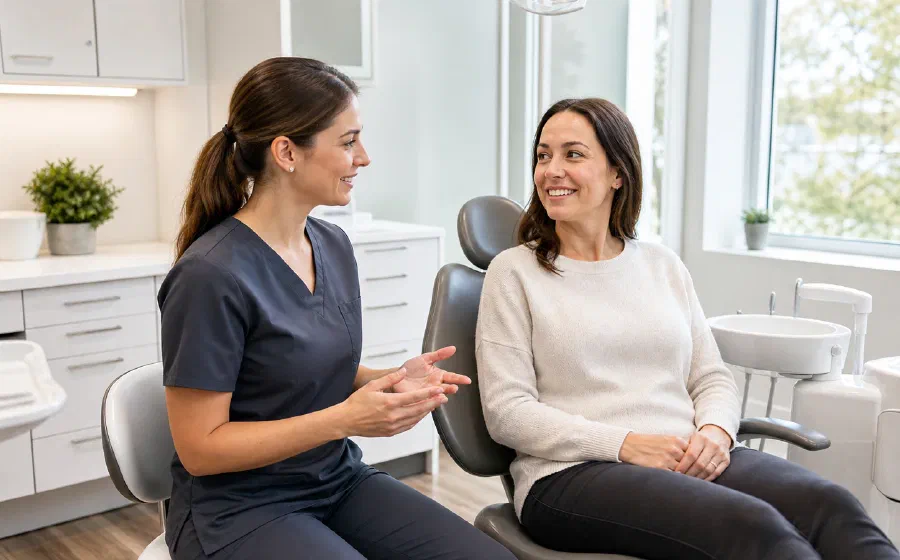
A dentist having a friendly consultation with a patient in a bright dental clinic

Your next step

Ready to feel good about your next dental visit?

Whether you are new to the clinic or returning for care, our team is here to make booking simple and answer your questions.

Call Book Now WhatsApp

How can we help?

The Cookstown Dental team is here for you.

Need an appointment, have a question, or want to talk through your options? Choose the next step that works best for you.

Send us a note

We’ll get back to you as soon as we can.