Cookstown Dental Centre
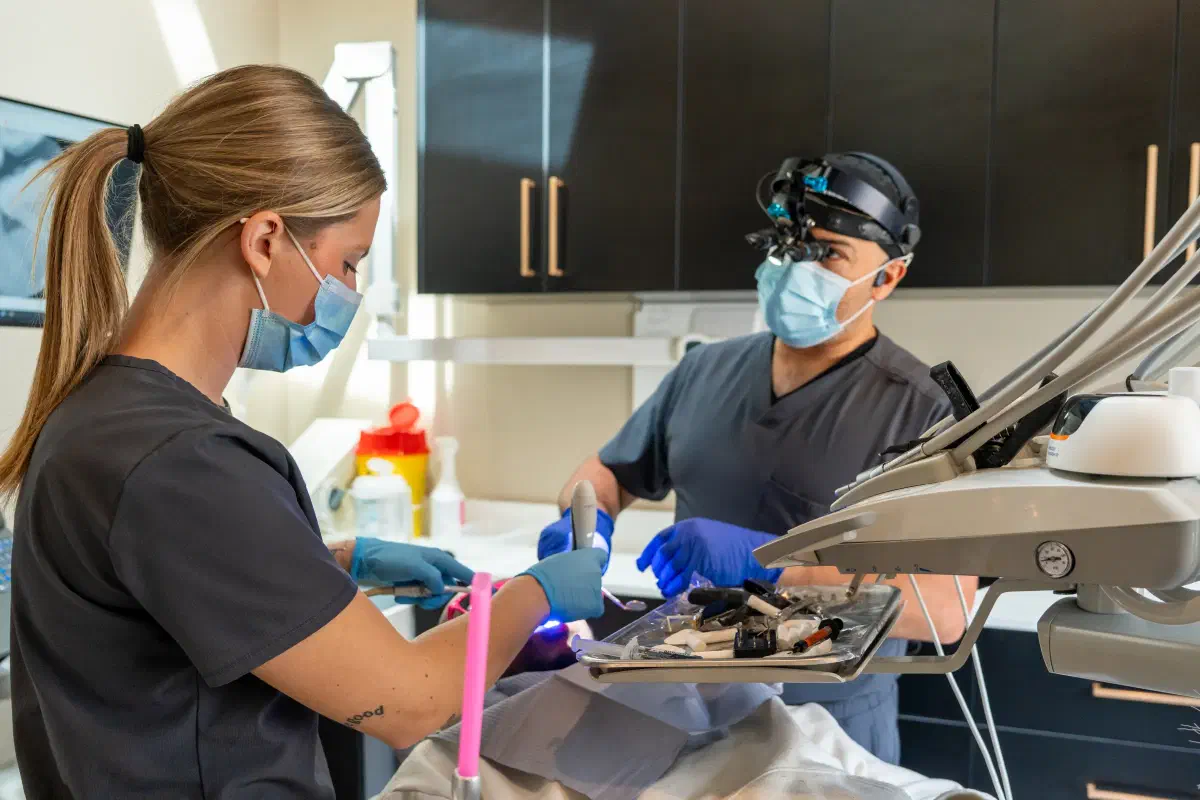
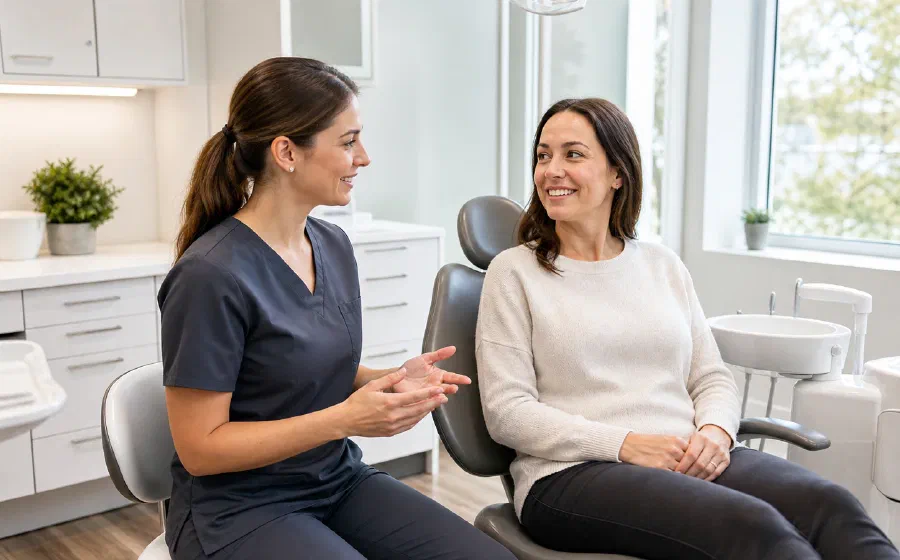
The Cookstown Dental Centre team caring for a patient in a treatment room

Restorative Dentistry · Cookstown

Consider implants around health, support, and the way you want to live.

Implant consultations for seniors consider health history, healing, dexterity, and daily support. Compare replacement choices and a manageable long-term care plan.

Request an appointment

Let’s find a time that works.

Need urgent dental help? Call (705) 291-2222.

Dental Implant Consultations for Seniors in Cookstown

Age alone does not decide whether an implant is appropriate.

An older adult may seek an implant to improve a denture’s stability, replace a missing tooth, or regain a more comfortable way to eat. The decision depends on health, oral conditions, treatment goals, and the ability to maintain the restoration over time. Chronological age is only one part of that wider picture and is not a substitute for an individual assessment.

At Cookstown Dental Centre, we discuss the clinical options alongside practical needs such as appointments, transport, cleaning, and support at home. A caregiver or family member can join the conversation if you want them involved. The plan should remain understandable and manageable, with clear alternatives if surgery, healing time, or maintenance demands do not fit your circumstances.
An older patient and family member discussing implant options with a dentist

Practical guidance

Begin with the problem you want solved in daily life.

A useful consultation connects a replacement option with a specific practical benefit.

Eating and denture confidence

Explain whether the main difficulty is movement, soreness, chewing certain foods, or concern about the appliance during conversation. An implant may help selected problems, but not every denture issue requires surgery. A fit review, adjustment, or new conventional appliance may also deserve consideration.

A single missing tooth or a larger gap

The number and location of missing teeth influence the restorative choices. Describe which changes matter to you rather than assuming every gap must be replaced the same way. The clinician can compare an implant crown, bridge, removable option, or another plan according to the actual mouth.

The level of treatment you want

Discuss your preferences about surgery, appointments, cost, and long-term upkeep. It is reasonable to prioritize a manageable improvement over a broader reconstruction. The recommendation should respect those priorities while explaining any clinical limits or compromises of a smaller plan.

Planning together

Bring a current health and medication picture.

The consultation is more useful when it reflects your present care rather than an old medical form.

Conditions and ongoing treatment

Tell the dentist about relevant medical conditions, recent changes, previous healing problems, and any cancer or bone-related treatment. These details may affect planning or the need for coordination. They do not all lead to the same answer, so suitability should be assessed rather than assumed from a diagnosis label.

Medication names and prescribing clinicians

Bring an updated list, including non-prescription products that may be relevant. Do not stop blood thinners or other prescribed treatment on your own. The dental provider can discuss whether communication with another clinician is needed for the proposed procedure and how that decision will be managed.

The support you want involved

If another person helps with appointments, understanding instructions, or daily care, tell the clinic how you would like them included. Your preferences and consent guide that involvement. Support can make a plan more practical, but it should not replace a direct explanation to you of the choices being considered.

What we consider

Assess the mouth and the maintenance requirements together.

A technically possible implant still needs a restoration that can be cared for reliably.

Bone, tissues, and existing dental work

The clinician assesses the site, gums, remaining teeth, and any dentures or restorations. Appropriate imaging may be recommended. Preparatory treatment or specialist input can be necessary, and the proposed benefit should be weighed against the additional stages rather than described as a simple one-step replacement.

Dexterity, vision, and cleaning access

The design should account for how the restoration will be cleaned. A removable appliance and a fixed bridge have different handling requirements. Ask for a demonstration and discuss adaptations if reaching small spaces or managing attachments is difficult, instead of discovering those demands after treatment is complete.

Future changes in care needs

Consider who can help if mobility, health, or daily routines change. This does not mean avoiding treatment because the future is uncertain. It means selecting a maintainable design and keeping records and follow-up arrangements clear so care can continue if another person or provider becomes involved.

Understanding the options

Compare the whole experience of each replacement option.

The best choice is not determined solely by which appliance sounds most permanent.

An implant-based option where suitable

Implants may support a crown, bridge, or denture according to the plan. The benefits need to be discussed alongside surgery, healing, component maintenance, and cleaning. A fixed design is not automatically easier to care for, and a removable implant denture still needs regular review.

A non-surgical or less extensive approach

A conventional denture, bridge where appropriate, or selected repair may better fit some goals and health circumstances. These options also have limitations. The clinician should explain what improvement is realistic and what remains unresolved, rather than presenting them only as a second-best choice when implants are declined.

The appointment

Plan appointments and follow-up around practical needs.

The treatment sequence should be clear enough to coordinate transport, support, and recovery.

  1. Review a complete proposal before starting

    Ask for the stages, expected visits, temporary tooth arrangements, and estimated costs, including any exclusions. Clarify who provides surgery and the final restoration. You should understand which decisions depend on further assessment and have time to consider alternatives without feeling committed by the consultation itself.

  2. Arrange support through healing and maintenance

    Discuss instructions, contact arrangements, and help needed after each stage. The follow-up plan should continue after the final tooth is fitted. Knowing who checks tissues, cleans the restoration, and handles repairs makes the long-term commitment more predictable for you and anyone assisting with care.

Frequently asked questions

Questions about dental implant consultations for seniors

Am I too old to be assessed for implants?

Age alone does not determine suitability. Health, bone, tissues, goals, and maintenance needs are assessed individually. A consultation can clarify the options without assuming either that older adults cannot have implants or that age creates no relevant planning considerations.

Can I bring a family member to the consultation?

Yes, you can ask to include someone who helps you understand or manage care. Tell the clinic how you want them involved. The explanation and decisions should still reflect your preferences and consent.

Do I need to stop blood thinners before an implant appointment?

Do not stop prescribed medication yourself. Provide an accurate list and the clinician will assess whether coordination is needed for the proposed procedure. The plan depends on the treatment and medical circumstances rather than a blanket instruction.

Would a fixed implant bridge be easier to clean than dentures?

Not necessarily. Fixed and removable designs have different access and handling requirements. Ask for a practical demonstration and discuss dexterity or support needs. The most suitable design should be maintainable in your actual routine.

What if I only want my lower denture to move less?

That is a specific goal worth discussing. The denture and tissues should be assessed first, and conventional adjustments or replacement may be relevant alongside implant-assisted options. A focused concern does not automatically require a full-mouth implant plan.

Can treatment be coordinated with my medical care?

Where relevant, the dental provider can discuss appropriate coordination with your other clinicians, with the necessary consent. Bring current information and contact details. This helps planning but does not guarantee that every preferred procedure will be suitable.

What happens if I need help cleaning later?

Discuss that possibility when choosing the restoration and keep care instructions and implant records accessible. A caregiver may need practical guidance. Regular review can adapt support and identify a design or maintenance problem before it becomes harder to manage.

Real patient results

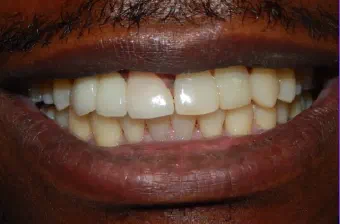
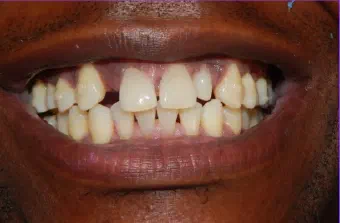
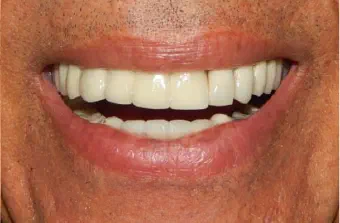
Before & after smile gallery.

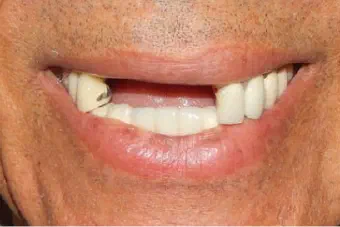
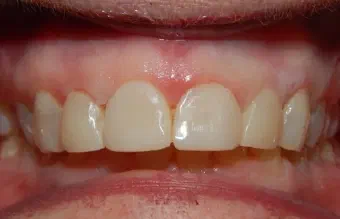
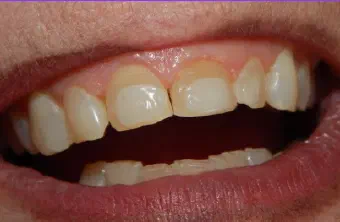
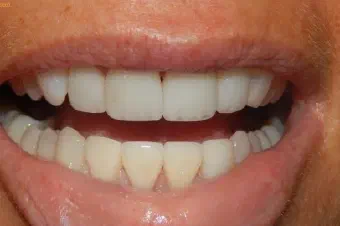
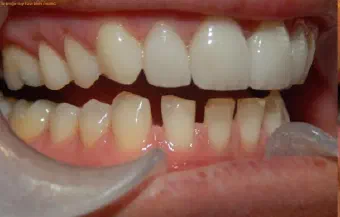
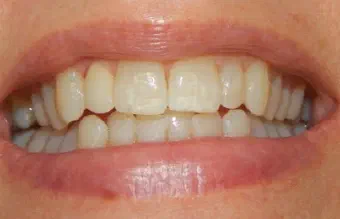
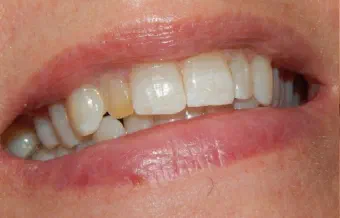
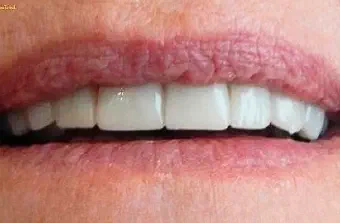
Drag the centre line to compare each real case treated by our dental team. Every smile begins with a personal assessment and a plan shaped around the patient.

Areas We Serve

Neighbourhood dental care, close to home.

Located in Cookstown, Innisfil, our dental team welcomes patients from communities across South Simcoe, Barrie, and northern York Region.

Get directions
  • Cookstown
  • Innisfil
  • Simcoe
  • Lake Simcoe
  • Alcona
  • Stroud
  • Lefroy–Belle Ewart
  • Gilford
  • Churchill
  • Sandy Cove
  • Innisfil Heights
  • Fennell’s Corners
  • Bradford
  • Bradford West Gwillimbury
  • Bond Head
  • Newton Robinson
  • New Tecumseth
  • Alliston
  • Beeton
  • Tottenham
  • Adjala–Tosorontio
  • Everett
  • Loretto
  • Barrie
  • Essa
  • Thornton
  • Baxter
  • Angus
  • Egbert
  • Ivy
  • Utopia
  • York Region
  • East Gwillimbury
  • Queensville
  • Holland Landing
  • Sharon
  • Schomberg
  • Nobleton

Don’t see your community listed? Contact us—we regularly welcome patients from throughout the surrounding region.

Google reviews

Kind words from our patients.

Read what patients have shared about their visits to Cookstown Dental Centre.

A dentist having a friendly consultation with a patient in a bright dental clinic

Your next step

Ready to feel good about your next dental visit?

Whether you are new to the clinic or returning for care, our team is here to make booking simple and answer your questions.

Call Book Now WhatsApp

How can we help?

The Cookstown Dental team is here for you.

Need an appointment, have a question, or want to talk through your options? Choose the next step that works best for you.

Send us a note

We’ll get back to you as soon as we can.