Cookstown Dental Centre
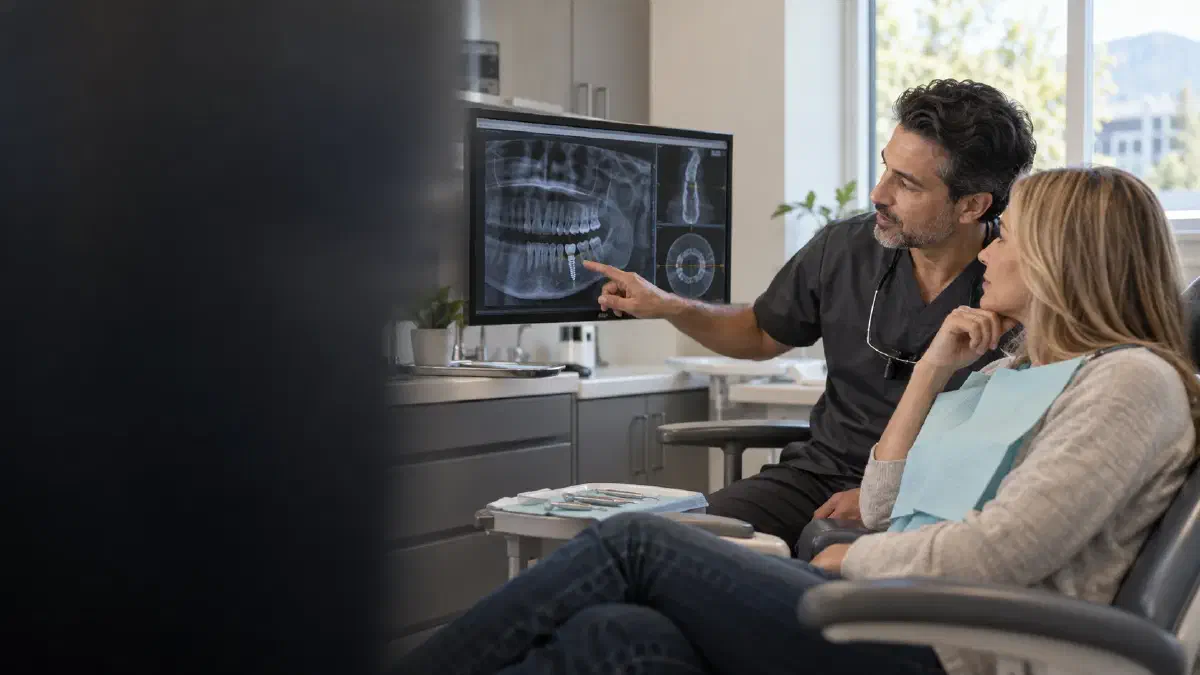
A dentist discussing a dental implant scan with a patient during a failure assessment

Implant complication assessment

Understand what changed—and what can still be saved.

Implant problems can involve the restoration, connection, gums, bone, or implant itself. A complete assessment clarifies the cause and realistic treatment options.

Request an appointment

Let’s find a time that works.

Need urgent dental help? Call (705) 291-2222.

Dental implant failure assessment near you

An implant problem is not one diagnosis—and failure does not always mean removal.

Some implants fail to integrate during early healing. Others develop biological or mechanical complications after years of function. A loose crown, worn attachment, inflamed gum, and mobile implant require very different care.

Clinical examination, imaging, restoration assessment, and a review of health and risk factors help determine whether the implant can be monitored, treated, repaired, or should be removed.

At a glance

Early or late diagnosis

Timing, symptoms, imaging, stability, tissue health, and restoration condition help identify why the problem developed.

Save what is serviceable

A stable implant may remain in place when the issue is limited to a repairable component or treatable tissue condition.

Risk-informed next steps

Options consider bone, gums, bite, hygiene, smoking, medical factors, implant position, and long-term maintainability.

01

What does dental implant failure mean?

Implant “failure” can describe several different situations. The implant may not bond with the bone during healing, it may lose supporting bone over time, or a mechanical part may fracture. The crown or bridge can also fail while the implant itself remains stable.

The main categories include:

  • Early integration failure: the implant does not become firmly anchored during the healing phase
  • Peri-implant disease: inflammation affects the gum and, in peri-implantitis, the supporting bone
  • Mechanical complications: screws, abutments, the implant body, or restorative materials loosen or fracture
  • Restorative failure: a crown, bridge, denture, or full-arch prosthesis chips, wears, breaks, or no longer fits
  • Positional or aesthetic complications: the implant cannot support a cleanable, functional, or acceptable restoration

These categories can overlap. A loose screw may alter the bite, a poorly fitting restoration may be difficult to clean, and inflammation can develop alongside component damage.
02

Signs that deserve an assessment

Arrange a dental visit if you notice:

  • Movement or clicking from an implant tooth or bridge
  • Pain, tenderness, or pressure when chewing
  • Bleeding, swelling, redness, or drainage around the implant
  • A persistent bad taste or odour from one area
  • Gum recession, exposed metal, or a visible change in contour
  • A chipped restoration or missing screw-access filling
  • Food trapping or new difficulty cleaning
  • A bite that suddenly feels different

Do not repeatedly test a moving restoration. Avoid chewing on it and do not attempt to tighten, glue, or remove components at home.

03

How the cause is diagnosed

The assessment separates the visible restoration from the connection and implant in the bone. It may include mobility testing, bite analysis, gum measurements, an evaluation of cleaning access, digital X-rays, and three-dimensional imaging when indicated.

Your dentist also reviews when the implant was placed, previous symptoms or repairs, the implant system, health conditions, medications, smoking or nicotine use, history of gum disease, diabetes control, grinding, and maintenance routine. These factors help explain risk but do not determine the diagnosis on their own.

04

Can the implant be saved?

Treatment depends on the specific finding and how predictable long-term maintenance appears.

Possible approaches include:

  1. Professional cleaning and improved daily plaque control
  2. Treatment for inflammation or peri-implant disease
  3. Bite adjustment or protective nightguard therapy
  4. Repair or replacement of a screw, abutment, crown, bridge, or attachment
  5. Surgical management of selected bone or tissue defects
  6. Close monitoring when the implant remains stable and maintainable
  7. Implant removal when mobility, fracture, bone loss, infection, or position makes preservation unreliable

No treatment can guarantee that a compromised implant will remain healthy. The recommendation should balance the expected benefit, complexity, cost, alternatives, and consequences of waiting.

05

The site is evaluated for tissue preservation, grafting, and future tooth replacement. Another implant may be possible after healing, but the reason for failure should be addressed first. In some situations, a different implant position, bridge, denture, or no immediate replacement offers a safer and more maintainable result.

Learn more about dental implant removal and what can happen after the implant is taken out.

06

Protecting implants over time

Daily cleaning and professional maintenance allow inflammation, wear, and bite changes to be found earlier. Brush around implant restorations, clean beneath bridges and around attachments with the recommended tools, and attend the review interval suggested for your level of risk.

Smoking, poor plaque control, a history of gum disease, uncontrolled diabetes, and heavy bite forces can raise the likelihood of complications. Managing these factors supports healing and long-term implant health.

07

A clear plan after an implant setback

Cookstown Dental Centre provides assessment-led care for implants placed here or elsewhere. We explain whether the concern appears restorative, mechanical, biological, or combined, then outline the most reasonable repair, treatment, removal, or replacement options.

For a chipped crown, loose screw, or worn attachment, explore dental implant repair. For a damaged complete implant bridge, visit All-on-X fracture repair.

Call (705) 291-2222 to request a dental implant failure assessment or second opinion.

Explore implant solutions

Compare every option in one connected treatment family.

Repair & complication care

Support when an existing implant needs attention.

Compare repair services →

Your plan starts with an examination. Bone, gums, bite, health, goals, and preferences shape the recommendation.

View implant overview →

Frequently asked questions

Questions about dental implant failures.

Individual recommendations depend on a complete clinical and imaging assessment.

What are signs of dental implant failure?

Possible signs include movement, pain when biting, swelling, bleeding, drainage, gum recession, a persistent bad taste, visible metal, or changes on an X-ray. A loose crown or screw can create similar symptoms and must be distinguished from implant mobility.

Can a failing dental implant be saved?

Sometimes. A repairable restoration, loose screw, or early soft-tissue inflammation may be managed without removing the implant. Advanced bone loss, implant mobility, fracture, or an unrestorable position may make removal more appropriate.

What is the difference between early and late implant failure?

Early failure occurs when the implant does not integrate predictably during healing. Late failure develops after the implant has been in function and may involve peri-implant disease, overload, fracture, or other biological or mechanical factors.

Does pain mean my implant is failing?

Not necessarily, but persistent or increasing pain should be assessed. Bite overload, a loose component, inflammation, infection, or a nearby tooth can also cause discomfort.

Can a failed implant be replaced?

Replacement may be possible after the cause is identified and the site has healed or been rebuilt. Another implant is not always the best option, and a bridge or removable restoration may be discussed.

Can you assess an implant placed elsewhere?

Yes, an assessment can usually begin even when another office placed the implant. Bring any available scans, implant records, identification cards, and information about previous repairs or symptoms.

Real patient results

Before & after smile gallery.

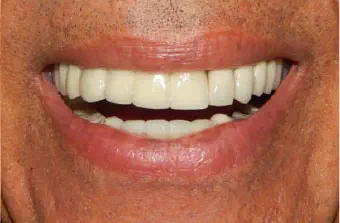
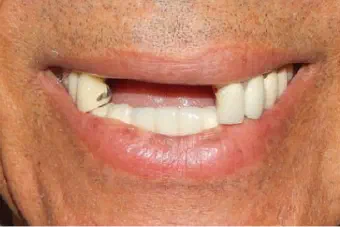
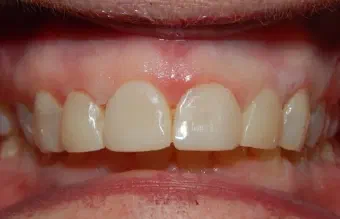
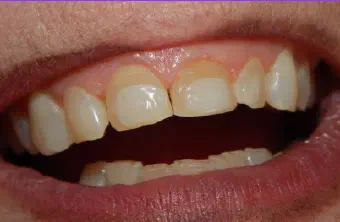
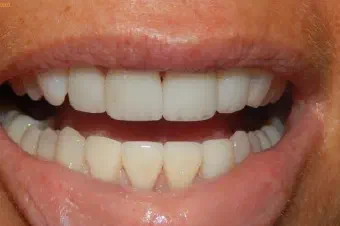
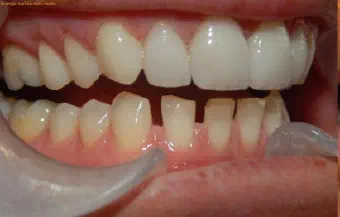
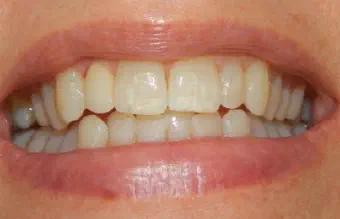
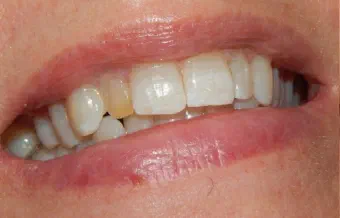
Drag the centre line to compare each real case treated by our dental team. Every smile begins with a personal assessment and a plan shaped around the patient.

Areas We Serve

Neighbourhood dental care, close to home.

Located in Cookstown, Innisfil, our dental team welcomes patients from communities across South Simcoe, Barrie, and northern York Region.

Get directions
  • Cookstown
  • Innisfil
  • Simcoe
  • Lake Simcoe
  • Alcona
  • Stroud
  • Lefroy–Belle Ewart
  • Gilford
  • Churchill
  • Sandy Cove
  • Innisfil Heights
  • Fennell’s Corners
  • Bradford
  • Bradford West Gwillimbury
  • Bond Head
  • Newton Robinson
  • New Tecumseth
  • Alliston
  • Beeton
  • Tottenham
  • Adjala–Tosorontio
  • Everett
  • Loretto
  • Barrie
  • Essa
  • Thornton
  • Baxter
  • Angus
  • Egbert
  • Ivy
  • Utopia
  • York Region
  • East Gwillimbury
  • Queensville
  • Holland Landing
  • Sharon
  • Schomberg
  • Nobleton

Don’t see your community listed? Contact us—we regularly welcome patients from throughout the surrounding region.

Google reviews

Kind words from our patients.

Read what patients have shared about their visits to Cookstown Dental Centre.

A dentist having a friendly consultation with a patient in a bright dental clinic

Your next step

Ready to feel good about your next dental visit?

Whether you are new to the clinic or returning for care, our team is here to make booking simple and answer your questions.

Call Book Now WhatsApp

How can we help?

The Cookstown Dental team is here for you.

Need an appointment, have a question, or want to talk through your options? Choose the next step that works best for you.

Send us a note

We’ll get back to you as soon as we can.