Cookstown Dental Centre
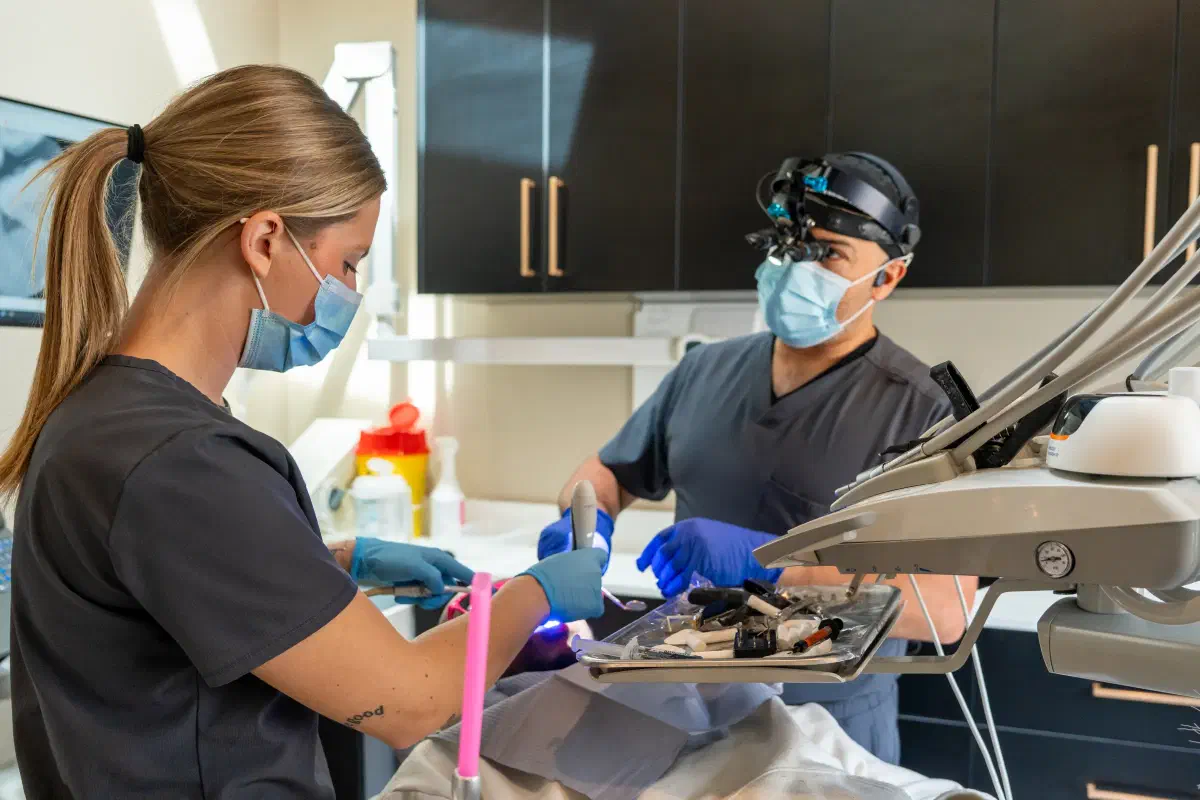
The Cookstown Dental Centre team caring for a patient in a treatment room

Restorative Dentistry · Cookstown

Protect weakened cusps without assuming the whole tooth needs a crown.

Dental onlays cover selected chewing cusps while restoring damage. Explore remaining tooth support, material choices, preparation, fitting, and protection afterward.

Request an appointment

Let’s find a time that works.

Need urgent dental help? Call (705) 291-2222.

Dental Onlays in Cookstown

The coverage should match the part of the tooth that needs support.

An onlay is an indirect restoration that rebuilds a defect and covers one or more tooth cusps. It may be considered when a filling alone does not provide the desired protection but a suitable partial-coverage design can preserve useful tooth structure. Not every heavily filled tooth is an onlay candidate, and an onlay is not automatically a more conservative choice if the remaining surfaces cannot support it.

At Cookstown Dental Centre, we assess the walls, cusps, cracks, margins, and bite before discussing the design. The recommendation should explain which parts need coverage and why. We compare the option with a direct restoration or crown as appropriate, including preparation, material, appointments, and maintenance. The final choice follows the actual tooth rather than a general preference for the least or most coverage.
A dentist demonstrating cusp coverage with an onlay and tooth model

Care that fits

Identify the cusp or surface that needs protection.

The restorative plan begins with the pattern of damage and how the tooth is loaded.

A weakened chewing corner

A cusp can be thin, cracked, or undermined around a large defect. Covering it may be considered when the tooth remains suitable for restoration. The dentist explains the structural concern and why simply filling the central space may leave that corner vulnerable during ordinary function.

A broader worn or repaired surface

Wear or repeated restoration failure may involve more than one cusp. The clinician assesses the remaining tooth and the cause of damage before designing coverage. An onlay should be part of a reasoned plan rather than a way to add material repeatedly without considering acid exposure, loading, or other relevant factors.

Understanding the options

Compare partial and full coverage in clinical terms.

The appropriate amount of preparation depends on where sound structure remains.

An onlay for suitable remaining surfaces

A selected partial-coverage design may preserve healthy areas while covering the cusps that need protection. Its success depends on the preparation, material, bonding or cementation conditions, and loading. The term partial coverage should not be treated as a promise that the procedure is reversible or requires no tooth preparation.

A crown or another restoration when indicated

More extensive damage, unsuitable margins, or another structural concern may lead to a different recommendation. A direct restoration may also be reasonable in selected cases. Ask what benefit each option offers for the actual tooth and what compromise would result from choosing less or more coverage.

What we consider

Plan the material and margins around the mouth.

The restoration must fit, function, and remain accessible for care.

Material and available space

The chosen material has design requirements that must fit the tooth and bite. The clinician explains the proposed option and its limitations. A restoration should not be made too thin or otherwise unsuitable simply to avoid a necessary preparation change, and no material makes fracture impossible.

Access and surface conditions

The location of margins and the ability to control moisture influence the technique. Deep defects or difficult access can change suitability. The dentist considers those conditions before choosing a design that depends on a reliable seal, rather than assuming an accurate scan resolves every placement challenge.

Contacts and opposing teeth

The onlay must work with neighbouring and opposing surfaces. Grinding, repeated chipping, and existing restorations are relevant to the plan. A comfortable chewing surface and cleanable contact matter alongside shade, so the fit review should assess function as well as the visible appearance.

Step by step

From prepared tooth to finished onlay.

The sequence may include more than one visit depending on the selected workflow.

  1. Prepare and reassess the remaining structure

    The indicated damaged material is managed and the tooth is examined directly. The coverage may need revision if the defect is larger or a crack is more significant than expected. The clinician should explain the finding and options before extending the preparation beyond the agreed plan.

  2. Record and fabricate the restoration

    An impression or digital scan guides the chosen laboratory or fabrication process. Temporary protection may be needed between stages. Ask about the actual timing and care instructions; the use of digital records does not by itself guarantee a same-day restoration or eliminate the need for a temporary phase.

  3. Fit and secure the onlay

    The restoration is checked for seating, contacts, and bite before completion with the appropriate technique. The clinician explains initial use and follow-up. If the tooth feels high, catches food, or remains sensitive, arrange review rather than assuming the new material will settle into the correct position by itself.

Planning together

Protect the restoration and the tooth it covers.

Long-term care should address the original problem and the new margins.

Daily cleaning and review

Maintain the recommended home-care routine and attend examinations that assess the restoration, tooth, and tissues. An onlay does not prevent every future cavity. Ask for help with difficult contact areas, and report a rough edge or a change in cleaning access before it becomes a larger concern.

Relevant habits and appliances

If grinding or another factor contributed, discuss appropriate management and any protective device. An existing retainer or guard may need a fit check after the tooth shape changes. Do not force or reshape an appliance yourself; its role should remain coordinated with the new restoration.

Frequently asked questions

Questions about dental onlays

Does an onlay cover the whole tooth?

No. It covers selected cusps and restores the prepared defect, while a crown provides broader coverage. The exact design varies. The dentist explains which parts need protection and whether the remaining surfaces are suitable for a partial-coverage approach.

Is an onlay always less invasive than a crown?

It may preserve useful structure in suitable cases, but preparation is still required and the procedure is not automatically reversible. The actual tooth and design determine the comparison. Ask what healthy structure each option would retain or remove.

Can an onlay be used after a root canal?

Sometimes, depending on the remaining structure, tooth position, and restorative requirements. Other root-treated teeth need a different design. The clinician should assess the whole tooth and planned seal rather than choose coverage from the root canal history alone.

Will an onlay stop a crack from getting worse?

It may provide useful protection in selected cases, but it cannot heal a crack or guarantee that it will not progress. The fracture’s extent and prognosis need discussion. Some cracks make preservation unreliable despite restorative coverage.

What materials can be used?

Material choices depend on the clinical plan and available workflow. The dentist explains the proposed option, appearance, design needs, and maintenance. Do not assume every tooth-coloured onlay has identical properties or fits every bite.

How many visits will it take?

The sequence depends on preparation, fabrication, and any additional treatment. A temporary restoration may be needed. Ask for the actual plan rather than assuming that a digital scan always means the onlay will be delivered in the same visit.

What should I report after fitting?

Contact the clinic about a high bite, persistent sensitivity, food trapping, roughness, or movement. Those findings may need adjustment or further assessment. Do not try to grind the surface down or keep testing it with hard foods.

Real patient results

Before & after smile gallery.

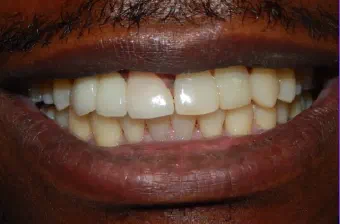
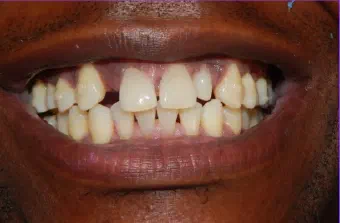
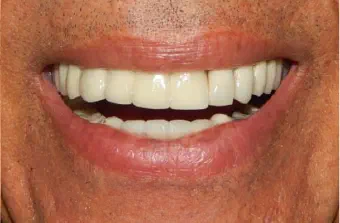
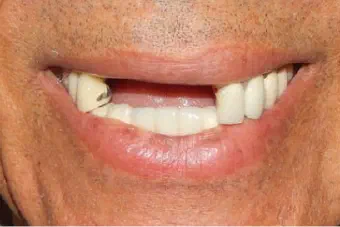
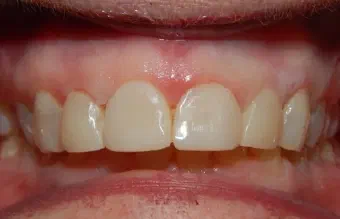
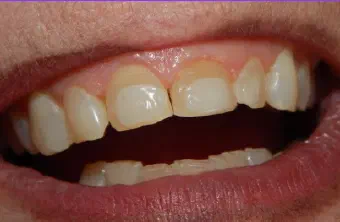
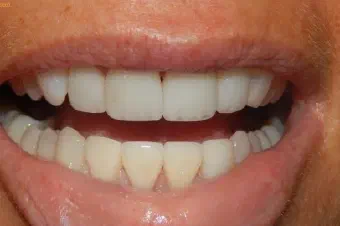
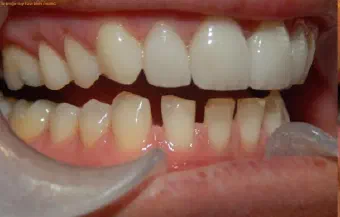
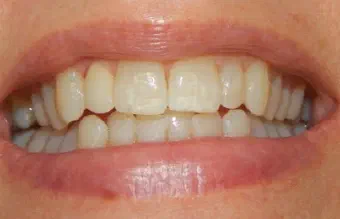
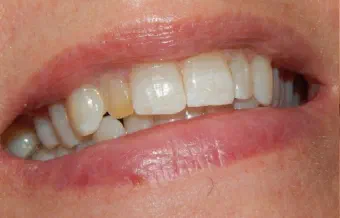
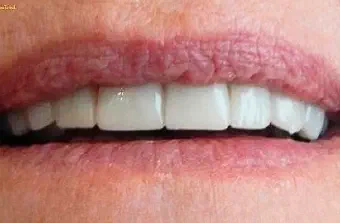
Drag the centre line to compare each real case treated by our dental team. Every smile begins with a personal assessment and a plan shaped around the patient.

Areas We Serve

Neighbourhood dental care, close to home.

Located in Cookstown, Innisfil, our dental team welcomes patients from communities across South Simcoe, Barrie, and northern York Region.

Get directions
  • Cookstown
  • Innisfil
  • Simcoe
  • Lake Simcoe
  • Alcona
  • Stroud
  • Lefroy–Belle Ewart
  • Gilford
  • Churchill
  • Sandy Cove
  • Innisfil Heights
  • Fennell’s Corners
  • Bradford
  • Bradford West Gwillimbury
  • Bond Head
  • Newton Robinson
  • New Tecumseth
  • Alliston
  • Beeton
  • Tottenham
  • Adjala–Tosorontio
  • Everett
  • Loretto
  • Barrie
  • Essa
  • Thornton
  • Baxter
  • Angus
  • Egbert
  • Ivy
  • Utopia
  • York Region
  • East Gwillimbury
  • Queensville
  • Holland Landing
  • Sharon
  • Schomberg
  • Nobleton

Don’t see your community listed? Contact us—we regularly welcome patients from throughout the surrounding region.

Google reviews

Kind words from our patients.

Read what patients have shared about their visits to Cookstown Dental Centre.

A dentist having a friendly consultation with a patient in a bright dental clinic

Your next step

Ready to feel good about your next dental visit?

Whether you are new to the clinic or returning for care, our team is here to make booking simple and answer your questions.

Call Book Now WhatsApp

How can we help?

The Cookstown Dental team is here for you.

Need an appointment, have a question, or want to talk through your options? Choose the next step that works best for you.

Send us a note

We’ll get back to you as soon as we can.