Cookstown Dental Centre
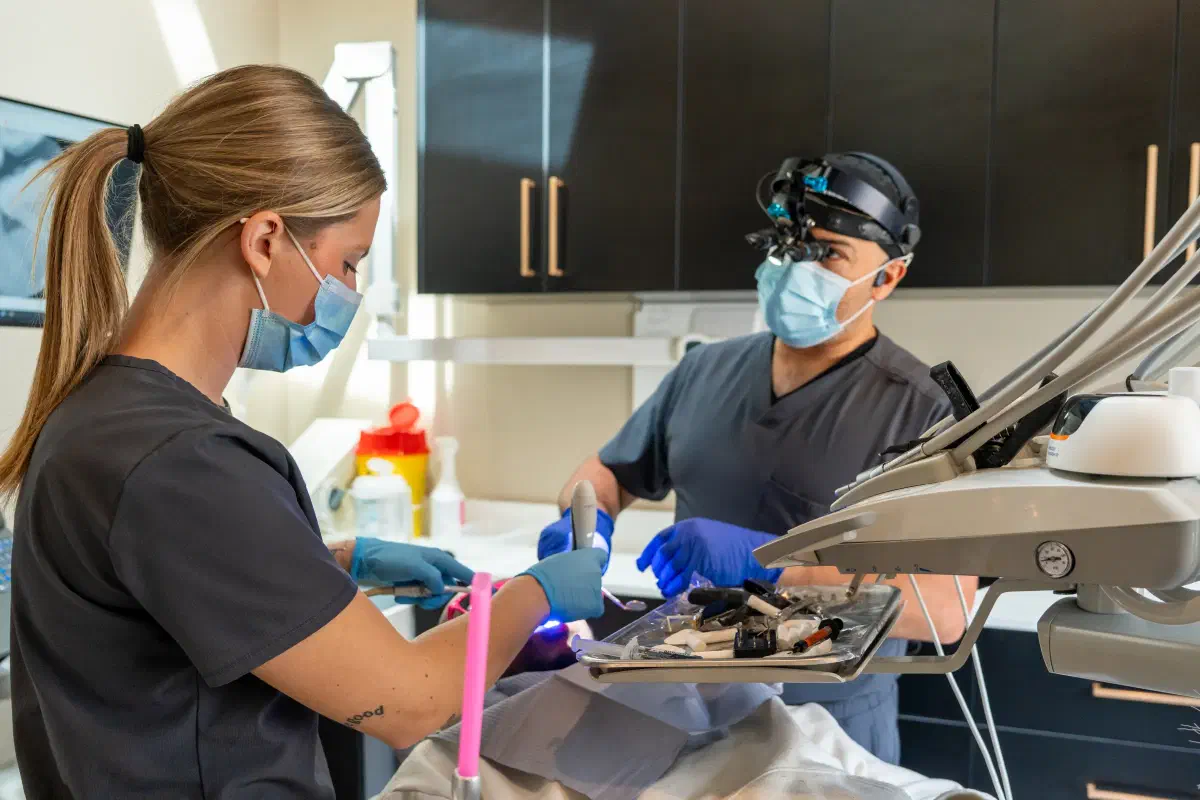
The Cookstown Dental Centre team caring for a patient in a treatment room

Specialized Care · Cookstown

Assess the teeth and surrounding tissues after a dental injury.

Dental trauma may affect tooth structure, position, pulp, and supporting tissues. Learn about urgent assessment, stabilization, and why later reviews matter.

Request an appointment

Let’s find a time that works.

Need urgent dental help? Call (705) 291-2222.

Dental Trauma Treatment in Cookstown

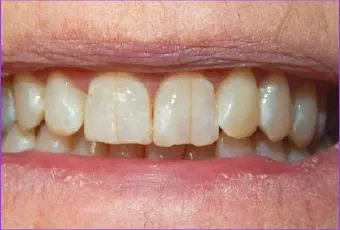
The visible chip may be only one part of the injury.

A blow to the mouth can chip or fracture a tooth, move it out of position, injure its supporting tissues, or knock it out. Soft-tissue wounds and other facial injuries can occur at the same time. Even a tooth that looks largely intact may need assessment of its pulp and support, so the treatment decision should not be based only on the visible damage.

Contact Cookstown Dental Centre promptly after a dental injury and describe when and how it happened. A knocked-out permanent tooth requires immediate dental attention. Significant head or facial injury, loss of consciousness, breathing difficulty, or uncontrolled bleeding needs emergency medical care. The initial dental visit may stabilize the injury, while further tests and follow-up establish how the tooth is recovering and whether additional treatment is needed.
A dentist discussing a recent dental injury with an adult patient

Practical guidance

Prioritize urgent action and preserve useful pieces.

First steps depend on whether the tooth is broken, displaced, or completely out.

A knocked-out permanent tooth

Handle it by the crown rather than the root and seek immediate dental care. If it cannot be safely repositioned, keep it moist in milk or an appropriate tooth-preservation medium while obtaining urgent help. Do not scrub or dry the root. A knocked-out baby tooth should not be replanted.

A broken or displaced tooth and surrounding injury

Keep available tooth fragments moist and bring them for assessment. Do not force a displaced tooth or repeatedly test its movement. Use appropriate urgent medical care for significant head injury or uncontrolled bleeding, and tell the dental team about any missing fragments or possible inhalation concern.

What we consider

Examine more than the damaged edge.

The assessment considers the force, tooth development, and surrounding structures.

Tooth structure and position

The clinician checks fractures, displacement, mobility, and the way the teeth meet. Images may help assess roots and supporting tissues when indicated. A small visible break can coexist with a deeper injury, so the examination should include the affected area and neighbouring teeth rather than only smoothing the sharp edge.

Pulp and root development

Tests and follow-up help assess the pulp after trauma, but early responses can be difficult to interpret. A young permanent tooth with an incompletely developed root may need a different preservation strategy from a mature tooth. Root canal treatment is not automatic for every injured tooth.

Soft tissues and wider injury

Cuts, embedded fragments, jaw symptoms, and the mechanism of injury need attention. Medical assessment may be appropriate for associated injuries or tetanus considerations. The provider should identify which needs can be managed dentally and which require another service rather than treat the tooth in isolation.

Understanding the options

Match the immediate care to the injury pattern.

Stabilization and restoration can have different purposes.

Repair selected fractures or protect exposed structure

Some chips can be restored with bonding or another suitable method, while deeper fractures may need pulp-preserving care, root canal treatment, or a different restoration. The decision follows the injury and remaining structure. Appearance matters, but it should not override the assessment of tooth health.

Reposition or stabilize when indicated

Displaced or otherwise unstable teeth may need professional repositioning and a suitable splint according to the injury. The technique and duration are individualized. A dental splint for trauma is different from a nightguard, and patients should not try to create their own rigid support at home.

The appointment

Expect reassessment as the injury evolves.

Some consequences become apparent after the initial emergency has settled.

  1. Document the injury and provide initial treatment

    The clinician records the history, findings, images, and care provided. Describe the time out of the mouth for an avulsed tooth and how it was stored if relevant. These details can influence prognosis and follow-up, so accuracy is more useful than trying to minimize the apparent severity.

  2. Review healing, stability, and pulp findings

    Follow-up appointments assess symptoms, tooth position, tissue response, and relevant tests or images. A tooth can change after initially feeling comfortable. Attend the recommended reviews rather than assume that a repaired edge or improved appearance means every aspect of the injury has healed.

  3. Complete further care when the findings support it

    Additional restoration, endodontic treatment, splint removal, or referral may be needed depending on the response. The plan should explain what is being monitored and why. A staged decision can be appropriate when the tooth’s recovery cannot be predicted confidently at the first appointment.

Planning together

Protect recovery and report changes between visits.

Instructions should reflect the particular injury and treatment.

Follow eating, cleaning, and activity advice

The provider explains how to avoid further trauma, clean around any splint, and manage the injured area. Sports participation and protective equipment may need review. A generic instruction for a small chip should not replace the specific precautions needed for a displaced or replanted tooth.

Watch for pain, swelling, colour, or bite changes

Report new symptoms, a loose splint, or a tooth that seems to move differently. Discolouration alone does not provide the full diagnosis, but it is useful information. Persistent changes need reassessment rather than home whitening, repeated testing, or waiting until the next routine dental checkup.

Frequently asked questions

Questions about dental trauma treatment

Does a small chip still need assessment?

Yes, especially after a significant blow. The visible fracture may not show every effect on the pulp, root, or supporting tissues. The dentist checks the injury pattern and advises whether repair, monitoring, or additional treatment is appropriate.

What should I do with a knocked-out adult tooth?

Seek immediate dental care, handle the crown rather than the root, and keep the tooth moist if it cannot be safely repositioned. Milk or an appropriate preservation medium can be used during urgent transport. Do not scrub or dry the root.

Should a knocked-out baby tooth be put back?

No. Baby teeth should not be replanted because this can harm the developing permanent tooth. Arrange prompt dental assessment of the injury and supporting tissues, and seek medical care if there are significant associated injuries or uncontrolled bleeding.

Will every injured tooth need root canal treatment?

No. The injury type, pulp findings, root development, and follow-up influence the decision. Some teeth can be monitored or receive pulp-preserving care. Early testing after trauma can have limitations, so a planned review may be important before a definitive decision.

Why are follow-up visits needed if the tooth feels fine?

Pulp or supporting-tissue changes can develop later and may not initially cause pain. Reviews help assess healing, stability, and any need for further treatment. A repaired appearance does not establish that every part of the injury has resolved.

Can a loose tooth be splinted?

Some traumatic injuries require professional stabilization, but the design and timing depend on the diagnosis. Do not create a home splint or glue teeth together. The clinician assesses the injury and explains the care and review needed for any appliance used.

When should the injury be assessed medically as well?

Significant head or facial injury, loss of consciousness, breathing problems, uncontrolled bleeding, or suspected inhalation requires urgent medical attention. Tell the dental team about the whole incident, not only the tooth, so associated injuries are not overlooked.

Real patient results

Before & after smile gallery.

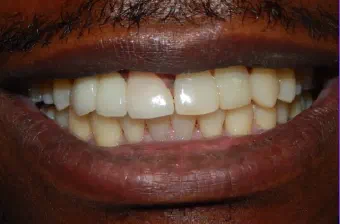
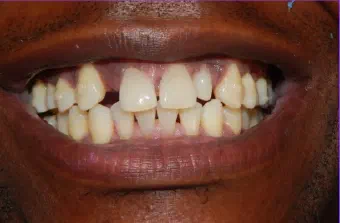
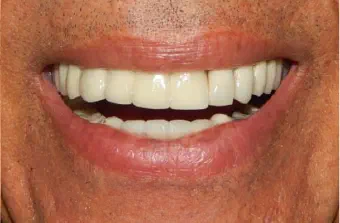
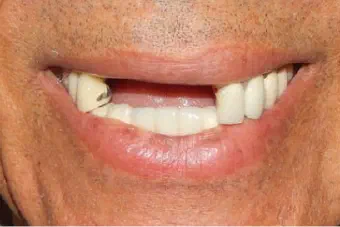
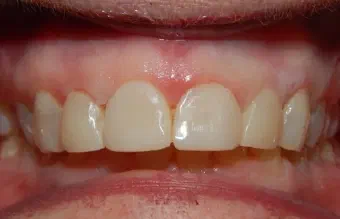
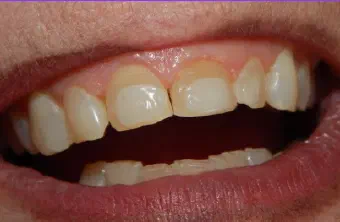
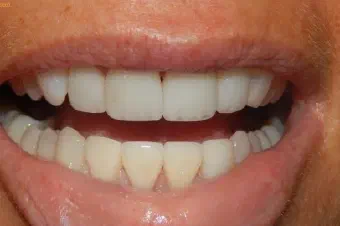
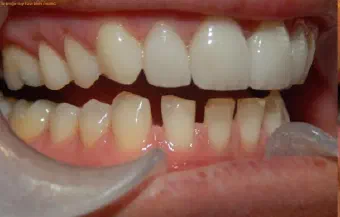
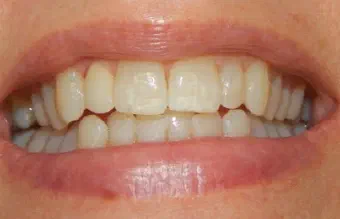
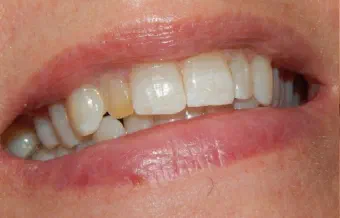
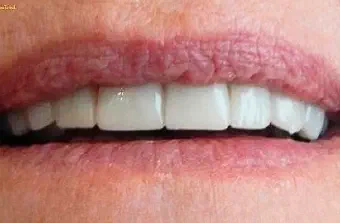
Drag the centre line to compare each real case treated by our dental team. Every smile begins with a personal assessment and a plan shaped around the patient.

Areas We Serve

Neighbourhood dental care, close to home.

Located in Cookstown, Innisfil, our dental team welcomes patients from communities across South Simcoe, Barrie, and northern York Region.

Get directions
  • Cookstown
  • Innisfil
  • Simcoe
  • Lake Simcoe
  • Alcona
  • Stroud
  • Lefroy–Belle Ewart
  • Gilford
  • Churchill
  • Sandy Cove
  • Innisfil Heights
  • Fennell’s Corners
  • Bradford
  • Bradford West Gwillimbury
  • Bond Head
  • Newton Robinson
  • New Tecumseth
  • Alliston
  • Beeton
  • Tottenham
  • Adjala–Tosorontio
  • Everett
  • Loretto
  • Barrie
  • Essa
  • Thornton
  • Baxter
  • Angus
  • Egbert
  • Ivy
  • Utopia
  • York Region
  • East Gwillimbury
  • Queensville
  • Holland Landing
  • Sharon
  • Schomberg
  • Nobleton

Don’t see your community listed? Contact us—we regularly welcome patients from throughout the surrounding region.

Google reviews

Kind words from our patients.

Read what patients have shared about their visits to Cookstown Dental Centre.

A dentist having a friendly consultation with a patient in a bright dental clinic

Your next step

Ready to feel good about your next dental visit?

Whether you are new to the clinic or returning for care, our team is here to make booking simple and answer your questions.

Call Book Now WhatsApp

How can we help?

The Cookstown Dental team is here for you.

Need an appointment, have a question, or want to talk through your options? Choose the next step that works best for you.

Send us a note

We’ll get back to you as soon as we can.