Cookstown Dental Centre
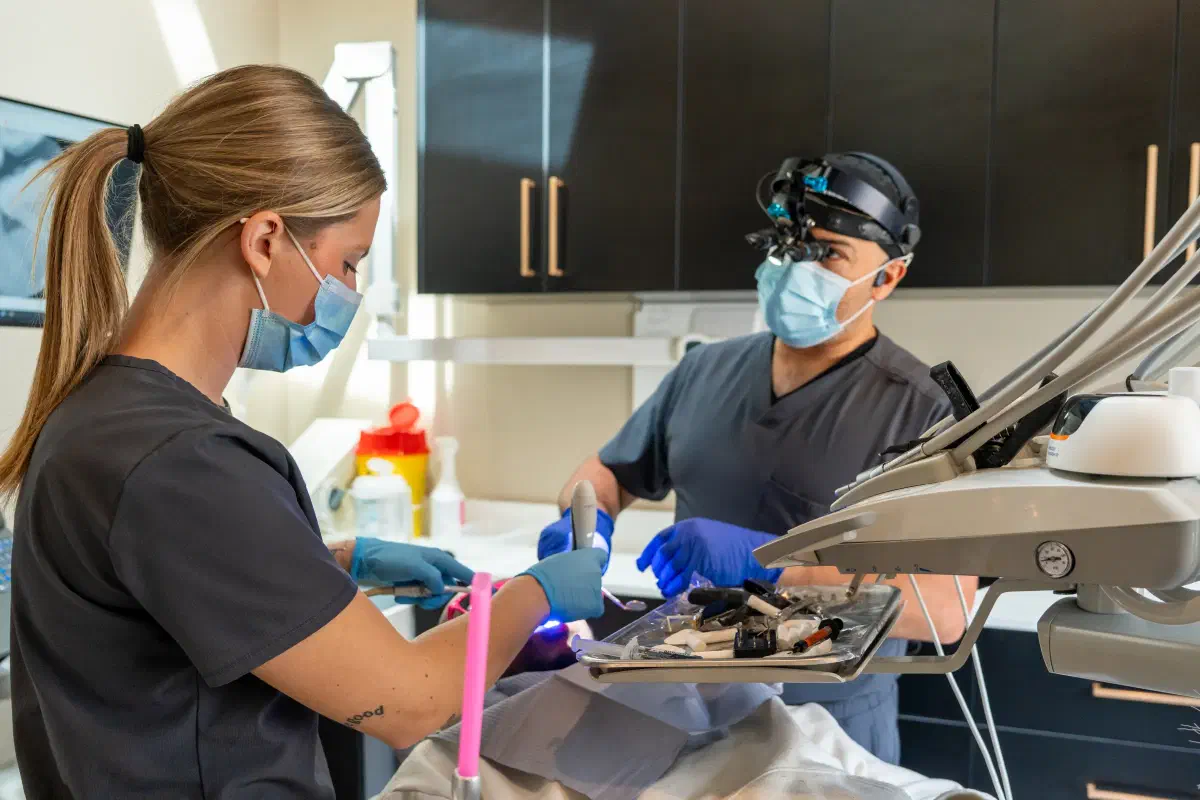
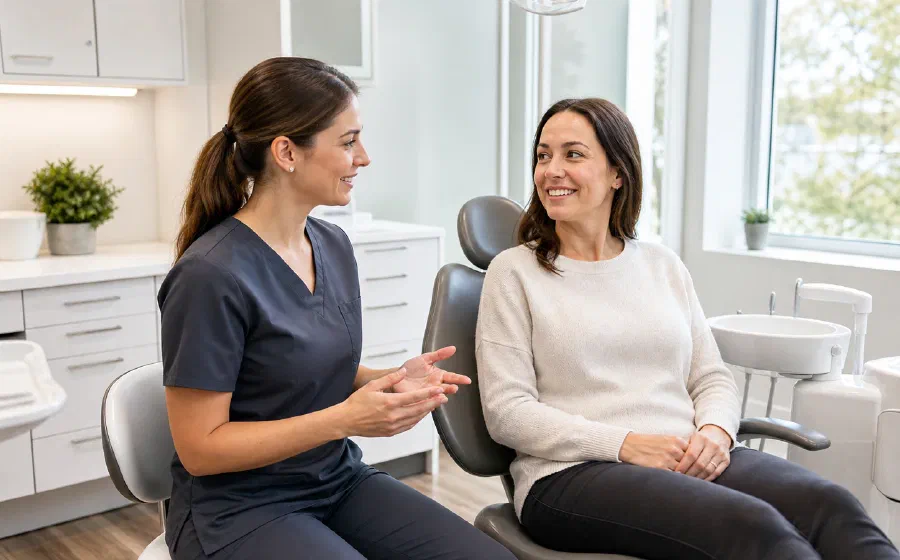
The Cookstown Dental Centre team caring for a patient in a treatment room

Restorative Dentistry · Cookstown

Keep the denture serviceable while protecting the mouth beneath it.

Denture hygiene and maintenance combines daily cleaning with tissue, fit, and wear reviews. Plan support, storage, repairs, and care for remaining teeth.

Request an appointment

Let’s find a time that works.

Need urgent dental help? Call (705) 291-2222.

Denture Hygiene and Maintenance in Cookstown

Long-term care includes both cleanliness and the condition of the appliance.

A denture can be clean yet poorly fitting, or fit reasonably while carrying deposits that need attention. Hygiene and maintenance connect those issues with the health of the tissues and any remaining teeth or implants. The routine should respond to changes over time rather than begin only when the appliance breaks or becomes impossible to wear.

At Cookstown Dental Centre, we review cleaning, fit, artificial tooth wear, and the condition of the mouth. The plan may include professional cleaning, coaching, a fit procedure, repair, or replacement when indicated. This page focuses on the ongoing care programme rather than one cleaning method or the first days after delivery. Its purpose is to keep the appliance useful and identify when another type of care is needed.
A clinician reviewing a denture, cleaning brush, and storage case with a patient

What we consider

Review four areas during ongoing care.

No single sign, such as a clean appearance, establishes that the whole denture system is healthy.

The appliance surfaces

Deposits, roughness, cracks, and worn materials can affect comfort and cleaning. The clinician assesses whether professional care or a repair is useful. A surface that repeatedly collects deposits may need a technique review, but the material and shape should also be considered before blaming the routine alone.

The tissues under the base

The gums and supporting surfaces are checked for pressure, inflammation, and other changes. Persistent lesions need assessment even when the denture feels familiar. Maintenance should not focus solely on the appliance while assuming that any sore area underneath it is an ordinary consequence of wearing dentures.

Remaining teeth or implant attachments

Partial dentures and implant-retained designs depend on structures that need their own cleaning and clinical checks. Decay, gum concerns, or component wear can affect the whole appliance. The review should identify these needs rather than treat denture cleaning as a replacement for natural-tooth or implant care.

The bite and support

Artificial teeth and ridges can change over time, affecting contacts and stability. The dentist assesses how the appliance works with the opposing arch. A denture that has become difficult to use may need more than polishing, and a repair should not ignore a broader loss of fit.

Practical guidance

Make the daily routine consistent and achievable.

Care instructions should fit the materials and the person using them.

Cleaning and storage suited to the design

Use the recommended products and handling method for acrylic, metal parts, soft liners, or attachments. Follow advice about removing and storing the appliance. A method that suited an older denture may need to change after a reline or a new design, so ask when the appliance is modified.

Practical support for difficult tasks

Tell the clinician if grip, vision, memory, or access makes the routine difficult. Demonstration and appropriate caregiver involvement can help. The plan should identify which tasks need support and how they can be performed safely rather than leave essential care dependent on instructions that are not manageable at home.

The appointment

Use scheduled reviews to identify change early.

The review interval and focus depend on the mouth, appliance, and risk factors.

  1. Establish the current condition

    The clinician assesses tissues, fit, cleanliness, and relevant supporting structures and discusses your experience. Bring the appliance and the products you use. A clear starting picture helps later comparisons and can show whether a recurring problem relates to the routine, material, or design.

  2. Provide indicated care and clarify the next step

    Professional cleaning or a selected adjustment may be appropriate, while another finding may need a separate procedure. Ask what has been addressed and what remains. A maintenance visit should produce a clear plan rather than a general instruction to return only if the denture eventually breaks.

Understanding the options

Choose the procedure that matches the maintenance problem.

Cleaning, adjustment, relining, and replacement are different tools, not interchangeable names for servicing a denture.

A serviceable appliance with a limited concern

Deposits, a localized pressure area, or a small repairable defect may be managed without making a new denture. The clinician explains the expected benefit and limits. A conservative intervention is useful when it addresses the actual issue and the rest of the appliance remains appropriate.

An appliance whose overall condition has changed

Extensive tooth wear, poor adaptation, repeated fractures, or altered support can justify a broader plan. A reline or replacement may be considered according to the findings. Repeated cleaning or small adjustments cannot restore every lost function of a denture that is no longer suitable.

Good to know

Keep a clear route for problems between visits.

A routine appointment schedule should not delay assessment of a new concern.

Changes to report

Contact the clinic about persistent sores, movement, a fracture, food trapping, or a change in biting. A lump, unusual bleeding, or a lesion that does not heal deserves examination. These findings can have different causes, so the next step should follow assessment rather than automatic appliance modification.

Information for a new provider or caregiver

Keep details of the appliance, recent procedures, and cleaning instructions accessible. If care transfers, bring the denture and any relevant records. A clear handover helps another clinician or support person understand soft liners, attachments, or other features that require a different routine.

Frequently asked questions

Questions about denture hygiene and maintenance

How is maintenance different from denture cleaning?

Cleaning removes plaque and deposits, while maintenance also considers fit, wear, damage, tissues, and supporting teeth or implants. Both matter. A clean appliance can still need a fit procedure or another treatment if its overall function has changed.

How often should a denture be reviewed?

The interval depends on oral health, appliance condition, and support needs. Follow the individualized recommendation and report problems sooner when they arise. A fixed schedule should not be used to postpone a persistent sore or a broken component.

Do I need examinations if I have no natural teeth?

Yes. The tissues, ridge, appliance, and any implants still need assessment. Denture wear does not eliminate the need to check the mouth for disease or unusual changes. Professional review is broader than looking for tooth decay.

Can a caregiver clean the denture for me?

Yes, if that support is appropriate and you agree. Ask for instruction suited to the appliance and your care needs. Handling, product compatibility, and cleaning the mouth as well as the denture should be included.

Will a routine visit include a reline automatically?

No. A reline is considered when the fitting surface and overall appliance make it appropriate. Cleaning and review may identify that need, but the procedure should be explained and planned rather than treated as an automatic part of every maintenance appointment.

What if I need more adhesive than before?

Arrange a fit review. Increased reliance can indicate a change in support or adaptation, although the cause needs assessment. Do not keep increasing the amount indefinitely in place of checking whether the appliance still suits the mouth.

Should I keep an older spare denture?

It may be useful in some circumstances, but its current fit and condition should be assessed before use. An old appliance is not automatically suitable as a backup. Bring it to review and clarify when, if ever, it should be worn.

Real patient results

Before & after smile gallery.

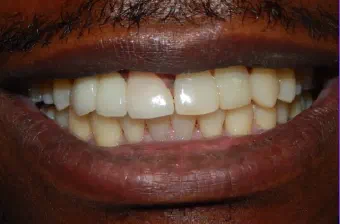
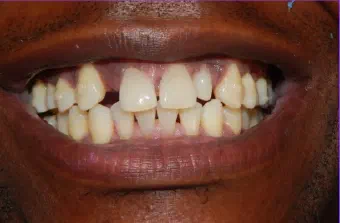
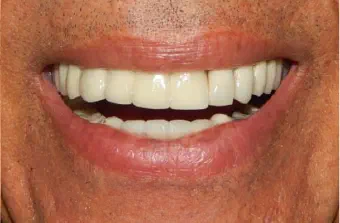
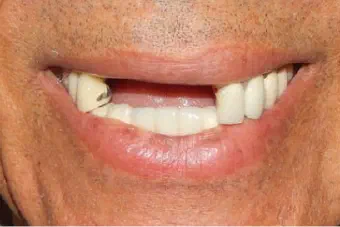
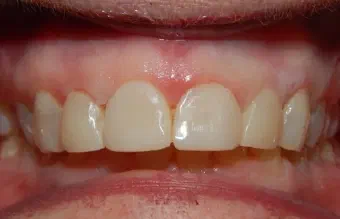
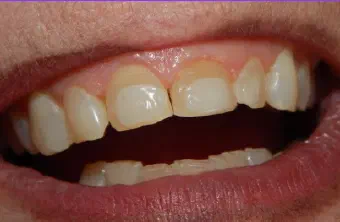
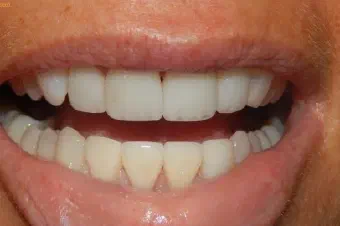
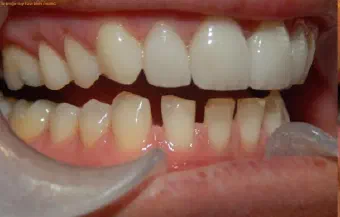
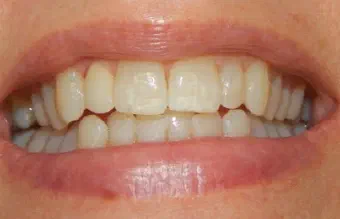
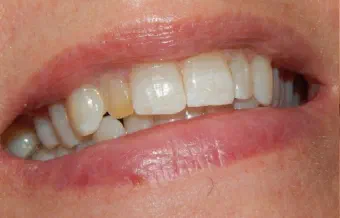
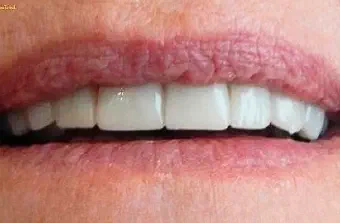
Drag the centre line to compare each real case treated by our dental team. Every smile begins with a personal assessment and a plan shaped around the patient.

Areas We Serve

Neighbourhood dental care, close to home.

Located in Cookstown, Innisfil, our dental team welcomes patients from communities across South Simcoe, Barrie, and northern York Region.

Get directions
  • Cookstown
  • Innisfil
  • Simcoe
  • Lake Simcoe
  • Alcona
  • Stroud
  • Lefroy–Belle Ewart
  • Gilford
  • Churchill
  • Sandy Cove
  • Innisfil Heights
  • Fennell’s Corners
  • Bradford
  • Bradford West Gwillimbury
  • Bond Head
  • Newton Robinson
  • New Tecumseth
  • Alliston
  • Beeton
  • Tottenham
  • Adjala–Tosorontio
  • Everett
  • Loretto
  • Barrie
  • Essa
  • Thornton
  • Baxter
  • Angus
  • Egbert
  • Ivy
  • Utopia
  • York Region
  • East Gwillimbury
  • Queensville
  • Holland Landing
  • Sharon
  • Schomberg
  • Nobleton

Don’t see your community listed? Contact us—we regularly welcome patients from throughout the surrounding region.

Google reviews

Kind words from our patients.

Read what patients have shared about their visits to Cookstown Dental Centre.

A dentist having a friendly consultation with a patient in a bright dental clinic

Your next step

Ready to feel good about your next dental visit?

Whether you are new to the clinic or returning for care, our team is here to make booking simple and answer your questions.

Call Book Now WhatsApp

How can we help?

The Cookstown Dental team is here for you.

Need an appointment, have a question, or want to talk through your options? Choose the next step that works best for you.

Send us a note

We’ll get back to you as soon as we can.