Cookstown Dental Centre
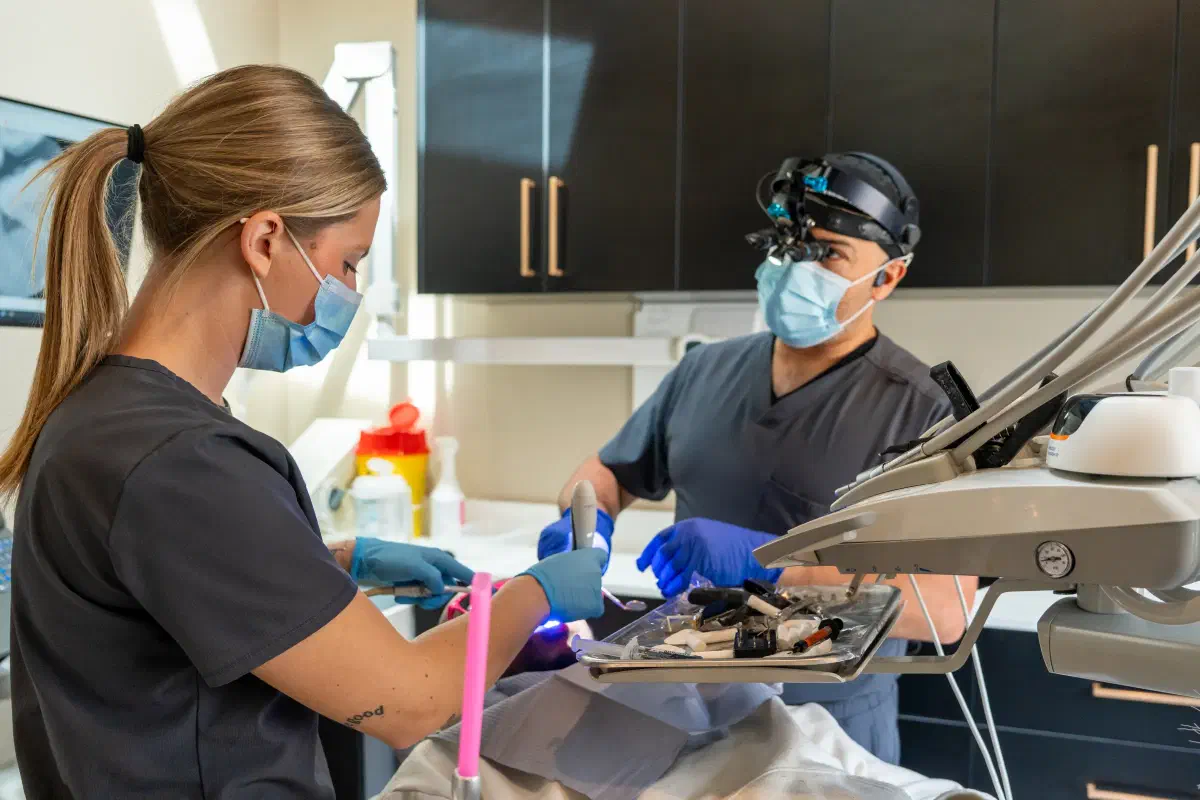
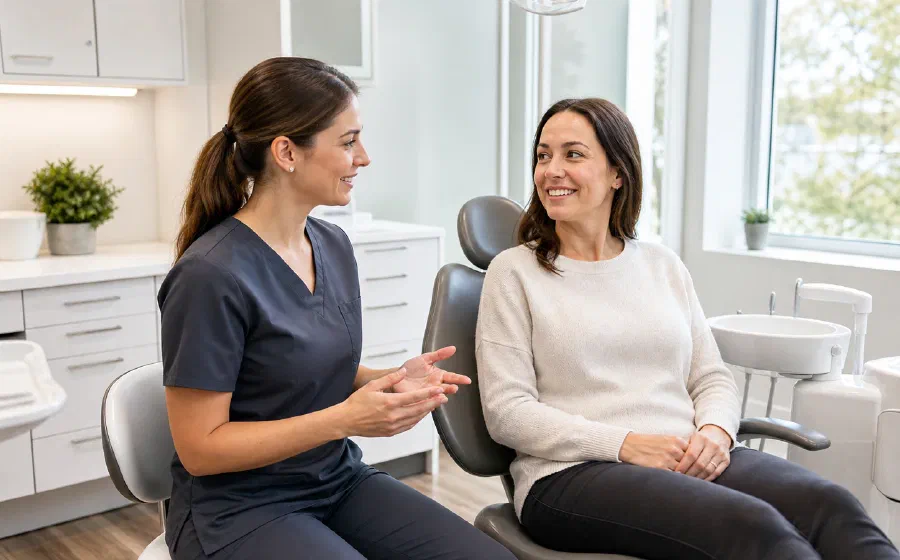
The Cookstown Dental Centre team caring for a patient in a treatment room

Restorative Dentistry · Cookstown

Renew a denture base when the existing teeth and arrangement remain suitable.

Denture rebasing replaces base material while retaining suitable denture teeth. Compare rebasing, relining, and replacement, including fit records and review.

Request an appointment

Let’s find a time that works.

Need urgent dental help? Call (705) 291-2222.

Denture Rebasing in Cookstown

Rebasing changes the supporting base, not automatically the whole denture design.

Denture rebasing involves replacing the base material while retaining a suitable existing tooth arrangement. It may be considered when the base needs renewal but the artificial teeth, appearance, and bite remain appropriate. It differs from a reline, which resurfaces the fitting side, and from making a completely new denture.

At Cookstown Dental Centre, we assess whether preserving the existing teeth and arrangement is clinically sensible before discussing a rebase. A familiar smile can be worth retaining, but severely worn teeth or an unsuitable bite may make another plan more useful. The procedure usually requires appropriate records and laboratory coordination. Its purpose and expected limits should be clear so renewing the base is not mistaken for correcting every problem with an older appliance.
A dentist explaining the base of a removable denture to an older patient

Understanding the options

Separate rebasing from the other fit procedures.

The right choice depends on which parts of the appliance remain serviceable.

A rebase for a suitable tooth arrangement

The base is renewed while selected existing elements are retained according to the plan. The clinician assesses whether the artificial teeth and their relationship remain useful. Rebasing should not preserve worn or poorly positioned teeth simply to avoid discussing a new appliance when that would provide a more appropriate result.

A reline or a new denture

A reline adds or replaces material at the fitting surface to improve adaptation in suitable cases. A new denture allows broader changes to teeth, base, and arrangement. The dentist explains why one approach fits the actual problem rather than using the procedures interchangeably because all can affect fit.

What we consider

Check whether the parts being retained deserve to be kept.

A successful base renewal depends on the condition of the rest of the denture.

Artificial teeth and their wear

The clinician examines tooth condition, chewing surfaces, and appearance. Excessive wear or damage can limit the value of preserving them. The rebase decision should consider the expected useful service of those teeth, not only the possibility of attaching a new base around an old arrangement.

Bite and overall position

The relationship with opposing teeth or another denture needs assessment. If the bite or tooth position is unsuitable, renewing the base may leave the main problem unchanged. Ask what will remain the same and whether that is an acceptable clinical and practical compromise.

Tissues and current adaptation

The mouth is examined for inflammation, pressure areas, and the shape of the supporting ridge. Unhealthy tissues may need care before records are finalized. A new base should be fitted to an appropriately assessed foundation rather than reproduce a distorted fit around an unresolved tissue problem.

Planning together

Discuss the practical implications of laboratory work.

The appliance may need to be away from the mouth while the base is renewed.

Records and the intended result

The dentist explains what impressions or other records are required and which features of the current denture will be retained. Identify concerns about appearance or speech before the work begins. A rebase is not an opportunity to assume unlimited changes to the tooth arrangement without revising the overall plan.

Time without the appliance

Ask about the expected turnaround and whether any interim option is suitable. A spare denture should be assessed rather than used automatically. Laboratory timing and the complexity of the work can vary, so the schedule should be confirmed after examination instead of promised from the procedure name alone.

Step by step

Renew the base and verify it in the mouth.

The clinical checks before and after laboratory work are part of the procedure.

  1. Prepare the case and communicate the design

    Appropriate records guide the laboratory in renewing the base while preserving the agreed elements. The clinician coordinates the intended fit and relationship. If the assessment reveals that rebasing will not address the problem adequately, the alternative should be discussed before the appliance is committed to that process.

  2. Fit and adjust the rebased denture

    The returned appliance is checked for seating, tissue contact, bite, and comfort. Report pressure or a change in function. A base that looks new still needs clinical review, and follow-up adjustments may be required as the tissues respond to the revised fitting surface.

Practical guidance

Care for the renewed appliance and reassess later changes.

Rebasing extends the care of an existing denture; it does not reset every component to new condition.

Confirm cleaning and wear instructions

Ask whether the new base material changes the recommended products, storage, or care routine. Keep the mouth and retained teeth clean as advised. A familiar tooth arrangement can make the appliance feel recognizable, but the revised base may need a period of review and targeted adjustment.

Monitor the retained teeth and fit

Continue examinations for tooth wear, fractures, tissue changes, and adaptation. Rebasing does not stop ridge change or make the old artificial teeth last indefinitely. If another significant problem develops, the dentist may recommend replacement rather than repeatedly renewing only the base.

Frequently asked questions

Questions about denture rebasing

What is replaced during a denture rebase?

The base material is renewed while suitable existing teeth and their arrangement are retained according to the plan. The clinician should explain exactly what will remain. Rebasing is not the same as making an entirely new appliance.

How is rebasing different from relining?

Relining resurfaces the fitting side to improve adaptation in an otherwise suitable denture. Rebasing replaces the base more extensively. The choice depends on the appliance and mouth, so the terms should not be treated as interchangeable.

Can rebasing fix badly worn denture teeth?

It does not automatically replace or correct the artificial teeth. If they are substantially worn or the bite is unsuitable, a new denture may be more appropriate. The parts being retained need assessment before the procedure is chosen.

Will my smile look exactly the same afterward?

The intention may be to preserve a suitable tooth arrangement, but fit and other clinical factors still need review. Discuss the appearance you want retained before treatment. An identical experience or appearance in every detail should not be guaranteed.

Will I be without my denture during the procedure?

Often the appliance needs laboratory work, but the timing depends on the case and arrangements. Ask about the expected interval and any suitable interim option. Do not assume a spare denture is safe to wear without checking its fit.

Does the denture need adjustment after rebasing?

It may. The clinician checks fit and contacts at delivery and arranges review as needed. Report pressure, rocking, or an altered bite rather than assuming a new base cannot need further adjustment.

When is a new denture a better choice?

If the teeth, arrangement, bite, or overall design are no longer suitable, replacement may offer a more useful result. The dentist should explain which problems rebasing would leave unchanged and compare the expected benefit and maintenance of both approaches.

Real patient results

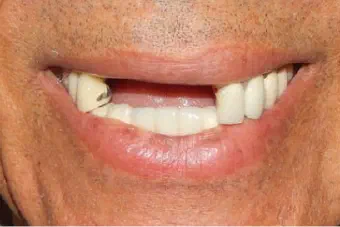
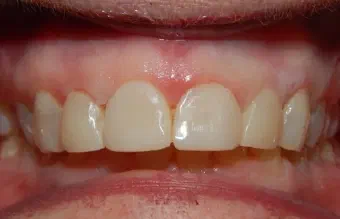
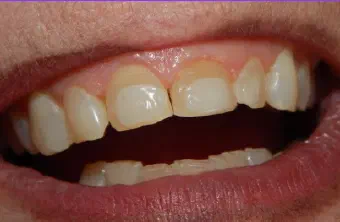
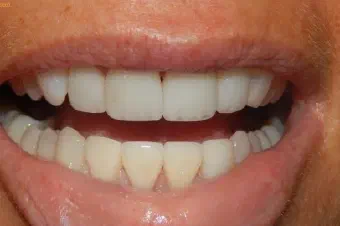
Before & after smile gallery.

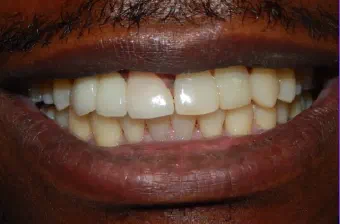
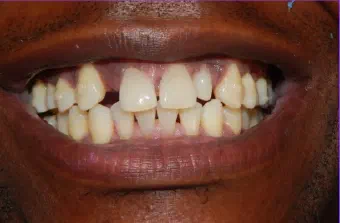
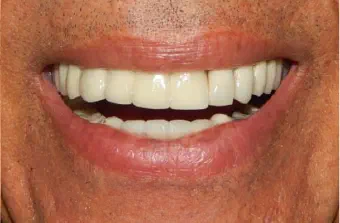
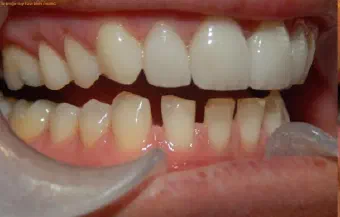
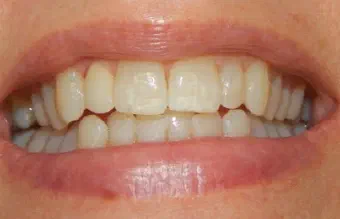
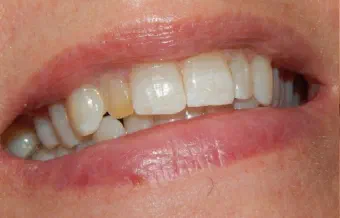
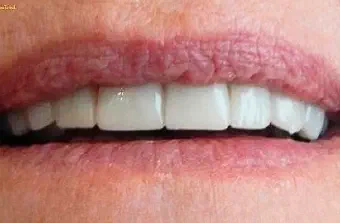
Drag the centre line to compare each real case treated by our dental team. Every smile begins with a personal assessment and a plan shaped around the patient.

Areas We Serve

Neighbourhood dental care, close to home.

Located in Cookstown, Innisfil, our dental team welcomes patients from communities across South Simcoe, Barrie, and northern York Region.

Get directions
  • Cookstown
  • Innisfil
  • Simcoe
  • Lake Simcoe
  • Alcona
  • Stroud
  • Lefroy–Belle Ewart
  • Gilford
  • Churchill
  • Sandy Cove
  • Innisfil Heights
  • Fennell’s Corners
  • Bradford
  • Bradford West Gwillimbury
  • Bond Head
  • Newton Robinson
  • New Tecumseth
  • Alliston
  • Beeton
  • Tottenham
  • Adjala–Tosorontio
  • Everett
  • Loretto
  • Barrie
  • Essa
  • Thornton
  • Baxter
  • Angus
  • Egbert
  • Ivy
  • Utopia
  • York Region
  • East Gwillimbury
  • Queensville
  • Holland Landing
  • Sharon
  • Schomberg
  • Nobleton

Don’t see your community listed? Contact us—we regularly welcome patients from throughout the surrounding region.

Google reviews

Kind words from our patients.

Read what patients have shared about their visits to Cookstown Dental Centre.

A dentist having a friendly consultation with a patient in a bright dental clinic

Your next step

Ready to feel good about your next dental visit?

Whether you are new to the clinic or returning for care, our team is here to make booking simple and answer your questions.

Call Book Now WhatsApp

How can we help?

The Cookstown Dental team is here for you.

Need an appointment, have a question, or want to talk through your options? Choose the next step that works best for you.

Send us a note

We’ll get back to you as soon as we can.