Cookstown Dental Centre
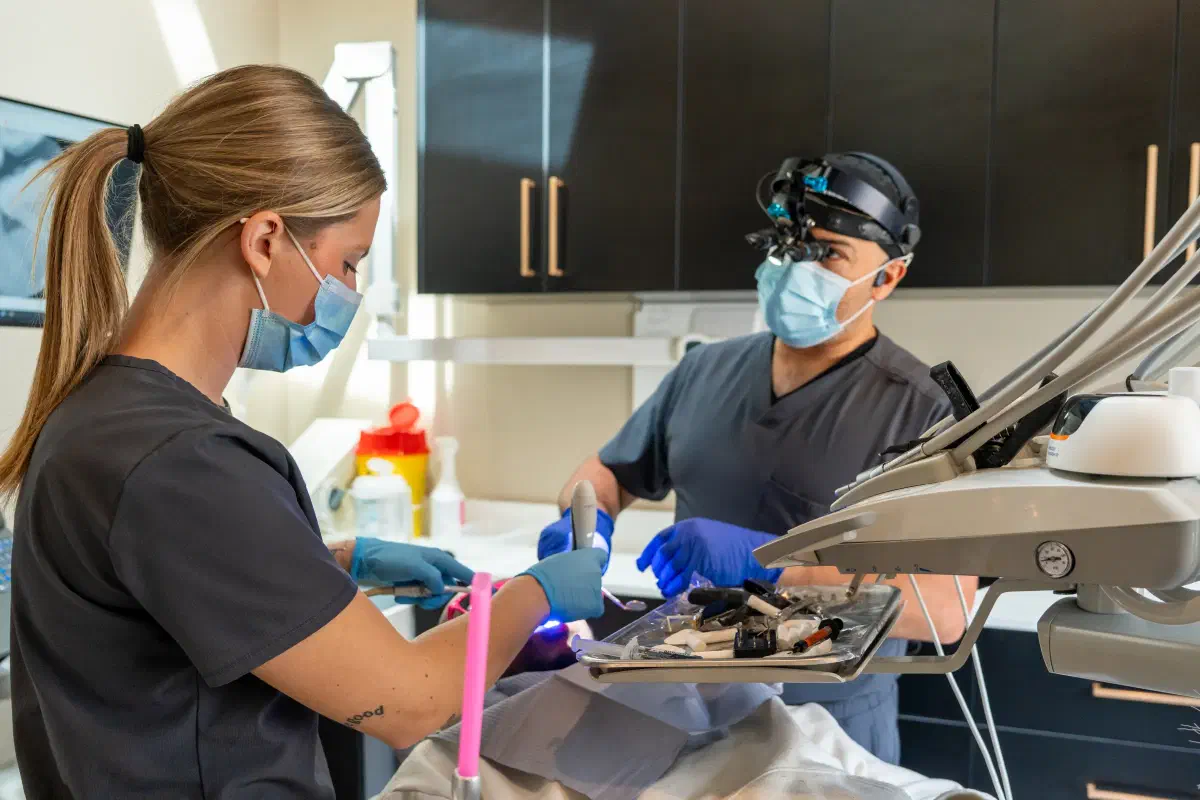
The Cookstown Dental Centre team caring for a patient in a treatment room

Restorative Dentistry · Cookstown

Choose the repair that matches the damaged part of your denture.

Denture repairs can address selected base, tooth, or component damage. Compare repair scope, fit checks, laboratory needs, and when replacement is more sensible.

Request an appointment

Let’s find a time that works.

Need urgent dental help? Call (705) 291-2222.

Denture Repairs in Cookstown

Repairing an appliance begins by identifying which part has failed.

A denture repair may involve a fractured base, a detached artificial tooth, or a damaged component of a partial appliance. Those problems require different techniques and have different limits. The condition of the remaining denture and the way it fits the mouth determine whether repairing the damaged part will provide a useful result.

At Cookstown Dental Centre, we examine the appliance and its support before recommending a procedure. This page covers the range of repair decisions; the Broken Denture Repair page focuses more specifically on handling and assessing an acute fracture. A repair should have a clear purpose, expected service, and fit review. It is not automatically the best choice when the teeth are extensively worn or the overall design no longer suits the mouth.

A patient showing a damaged removable denture to a clinician

What we consider

Identify the damaged component and the condition around it.

A repair should be chosen for the specific material and function involved.

Acrylic base damage

A crack or missing area may be repairable when the rest of the base and fit remain suitable. The clinician checks whether the damage followed a drop or developed during use. Repeated fracture can indicate a support or loading problem that should be addressed alongside the material repair.

An artificial tooth or facing

A detached or damaged denture tooth may sometimes be replaced in an otherwise serviceable appliance. The position, available material, and bite need assessment. Adding a new tooth should not leave an unsuitable contact or ignore the reason the original one fractured or came away.

Framework or retention components

A partial denture may have metal or other parts with different repair requirements. The dentist assesses the framework, supporting teeth, and design before discussing options. A broken clasp should not be bent, glued, or replaced with an improvised part at home.

Planning together

Bring the appliance in a condition that can be assessed.

Avoid alterations that hide the original failure or make a suitable repair harder.

Keep pieces and describe previous work

Bring available fragments and mention earlier repairs, relines, or recurring problems. Do not discard a detached tooth because it appears small. The history helps the clinician judge whether the new damage is isolated or part of a pattern that makes another repair less worthwhile.

Avoid home gluing or reshaping

Household adhesives, heat, and filing can change the fit or contaminate surfaces. Keep the appliance safely and contact the clinic for advice about use while waiting. A repair kit is not a substitute for checking tissue support and contacts in the mouth.

Explain your interim needs

Tell the clinic how the damage affects eating, work, and daily life and whether a spare exists. Turnaround depends on the actual repair and laboratory arrangements. Any temporary solution should be assessed for suitability rather than promised solely because the appliance is urgently needed.

Understanding the options

Decide whether a repair is a durable option or a limited bridge to replacement.

The purpose should be explicit before work is authorized.

Keeping a serviceable denture in use

A localized repair can be appropriate when the remaining materials, teeth, fit, and design are suitable. The clinician explains the expected limitations and any further care needed. Preserving useful work can be sensible, but the repair should still be checked in function rather than judged only by appearance.

Replacing an appliance with broader problems

Extensive wear, repeated failure, poor adaptation, or an unsuitable bite may make replacement more reasonable. A temporary repair may sometimes help during planning, but it should be identified as such. Compare the total benefit and likely upkeep rather than choosing repeated repairs only because each costs less initially.

Step by step

Coordinate the laboratory work with clinical checks.

Some repairs need records or additional procedures to address the mouth and the appliance together.

  1. Define the repair and obtain records

    The dentist assesses the damage and any fit or bite concerns, then provides the information needed for the selected process. An impression or other record may be necessary. The treatment scope should distinguish repair of broken material from a reline, adjustment, or other work that may be separately indicated.

  2. Check the repaired denture at return

    The appliance is evaluated for seating, contacts, comfort, and the repaired area. Report a new pressure point or change in bite. Laboratory completion is not the same as clinical completion; a material repair can require adjustment before the denture is ready for appropriate use.

Practical guidance

Review the cause and protect the repaired area.

The follow-up plan should reduce avoidable repeat damage without promising an unbreakable appliance.

Handle and clean the denture carefully

Follow the recommended routine and protect it from drops during cleaning. Avoid heat and products unsuitable for the material or new repair. If the procedure changed a liner or component, confirm whether the care instructions have changed rather than automatically continuing the old method.

Reassess recurring instability or damage

A denture that rocks, fractures repeatedly, or needs increasing adhesive should be reviewed. Another material repair may not address the underlying fit. The clinician can explain whether a different procedure, new design, or replacement offers a more maintainable result.

Frequently asked questions

Questions about denture repairs

What kinds of denture damage can be repaired?

Selected base fractures, detached teeth, and some component defects may be repairable. The material, extent, fit, and remaining appliance determine suitability. An examination is needed before promising that a particular break can be restored reliably.

Can a metal partial denture be repaired?

Sometimes, but framework and clasp repairs have specific limits and may need laboratory assessment. The supporting teeth and overall design also matter. Do not bend or glue the damaged part yourself while waiting for advice.

Is a repair the same as a reline?

No. Repair addresses damaged material or components, while a reline changes the fitting surface. Both may be considered in one plan if needed, but one does not automatically provide the function of the other.

Can a new tooth be added to my existing denture?

Possibly, depending on the design, available space, and condition of the appliance and mouth. Replacing a detached artificial tooth differs from adding a tooth after a new extraction. The dentist assesses which situation applies and what records are required.

Will the repaired area be as strong as a new denture?

That should not be guaranteed. The material, damage, repair method, and loading influence durability. The clinician explains whether the repair is intended for ongoing use or as an interim measure while a broader plan is arranged.

How long will I be without the appliance?

The interval depends on the repair, records, laboratory work, and fit checks. Ask for a case-specific estimate after assessment. Same-day completion is not appropriate to promise for every type of damage.

Why might replacement be recommended instead?

If the denture is extensively worn, repeatedly damaged, or no longer fits appropriately, a repair may leave the main problems unresolved. The dentist should explain those findings and compare expected function and maintenance, not rely on age alone.

Real patient results

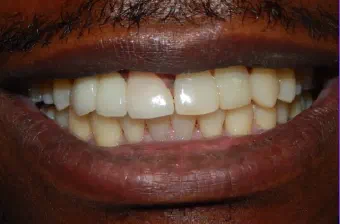
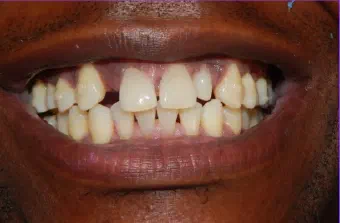
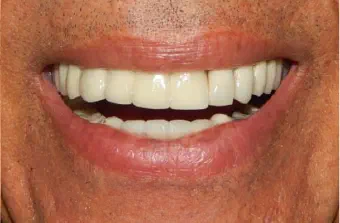
Before & after smile gallery.

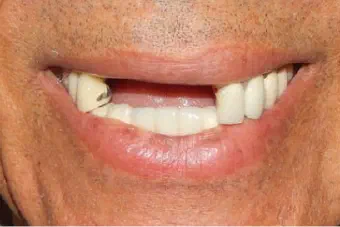
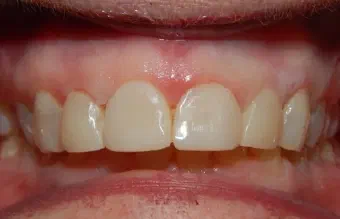
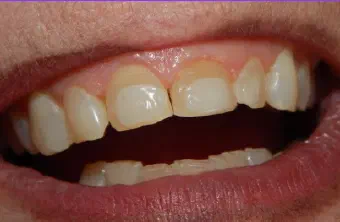
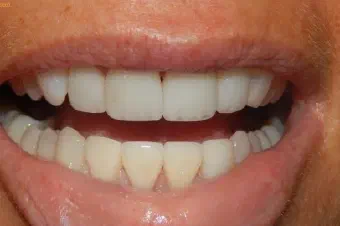
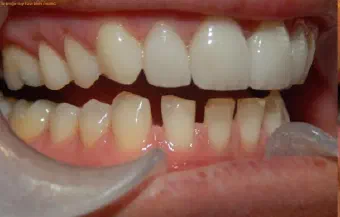
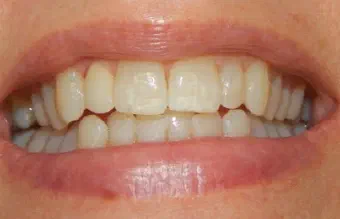
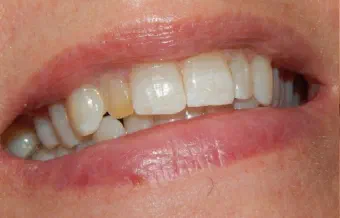
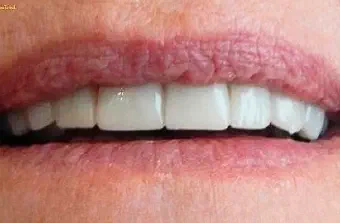
Drag the centre line to compare each real case treated by our dental team. Every smile begins with a personal assessment and a plan shaped around the patient.

Areas We Serve

Neighbourhood dental care, close to home.

Located in Cookstown, Innisfil, our dental team welcomes patients from communities across South Simcoe, Barrie, and northern York Region.

Get directions
  • Cookstown
  • Innisfil
  • Simcoe
  • Lake Simcoe
  • Alcona
  • Stroud
  • Lefroy–Belle Ewart
  • Gilford
  • Churchill
  • Sandy Cove
  • Innisfil Heights
  • Fennell’s Corners
  • Bradford
  • Bradford West Gwillimbury
  • Bond Head
  • Newton Robinson
  • New Tecumseth
  • Alliston
  • Beeton
  • Tottenham
  • Adjala–Tosorontio
  • Everett
  • Loretto
  • Barrie
  • Essa
  • Thornton
  • Baxter
  • Angus
  • Egbert
  • Ivy
  • Utopia
  • York Region
  • East Gwillimbury
  • Queensville
  • Holland Landing
  • Sharon
  • Schomberg
  • Nobleton

Don’t see your community listed? Contact us—we regularly welcome patients from throughout the surrounding region.

Google reviews

Kind words from our patients.

Read what patients have shared about their visits to Cookstown Dental Centre.

A dentist having a friendly consultation with a patient in a bright dental clinic

Your next step

Ready to feel good about your next dental visit?

Whether you are new to the clinic or returning for care, our team is here to make booking simple and answer your questions.

Call Book Now WhatsApp

How can we help?

The Cookstown Dental team is here for you.

Need an appointment, have a question, or want to talk through your options? Choose the next step that works best for you.

Send us a note

We’ll get back to you as soon as we can.