Cookstown Dental Centre
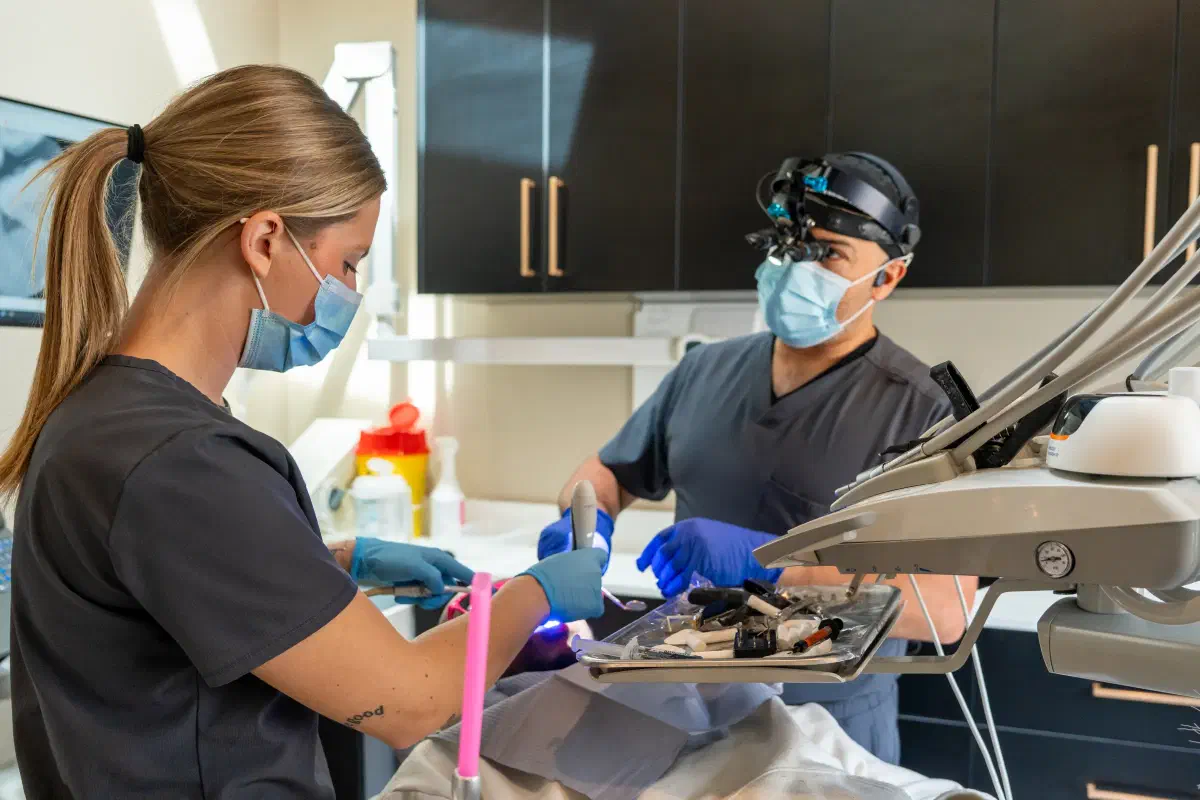
The Cookstown Dental Centre team caring for a patient in a treatment room

Restorative Dentistry · Cookstown

Assess a denture sore before assuming the appliance only needs trimming.

Denture sore spots may involve pressure, movement, or tissue inflammation. Review examination, targeted adjustment, healing, and persistent lesions that need follow-up.

Request an appointment

Let’s find a time that works.

Need urgent dental help? Call (705) 291-2222.

Denture Sore-Spot Treatment in Cookstown

Comfort improves when the cause of the sore area is identified.

A denture can rub or press on a small area of tissue, especially after delivery, a reline, or changes in the mouth. The sore may make eating or wearing the appliance difficult. Pressure is one possible cause, but inflammation and other oral conditions can produce similar symptoms. A persistent lesion should not be repeatedly treated as a simple fit problem without examination.

At Cookstown Dental Centre, we assess the tissue and how the denture contacts it, then discuss a targeted response. That may include an adjustment, a review of fit or cleaning, or further assessment of the lesion. The plan should explain how to use the appliance while the area recovers and when to return. Home filing or prolonged use through severe pain can make the problem harder to manage.

An older patient describing a sore area beneath a denture to a dentist

Practical guidance

Describe the sore and its relationship to denture use.

The timing and pattern help the clinician decide what needs checking.

When the discomfort started

Mention a new denture, recent adjustment, extraction, or a period of changed wear. Explain whether the sore appears immediately or after hours of use. The history can help identify pressure or movement patterns, but it does not replace examination of the tissue itself.

Where it hurts and what it looks like

Point out the area and describe bleeding, an ulcer, swelling, or another visible change. Tell the dentist if the same spot keeps returning. A lesion should be assessed directly rather than located only by trimming the part of the denture that seems closest to the pain.

How the appliance moves

Rocking, lifting, or a changed bite can create repeated friction. Describe whether the discomfort occurs with chewing or speaking. A local pressure adjustment may help some cases, while broader instability can require a different fit procedure or a revised appliance.

What we consider

Examine the tissue and the denture together.

The treatment should address the actual cause rather than only make the surface feel smoother.

Pressure points and borders

The clinician assesses the fitting surface, extension, and specific contact areas. A targeted modification may be appropriate when a pressure source is identified. Removing material indiscriminately can reduce support or create instability, so the denture should not be filed at home in search of the painful spot.

Inflammation and hygiene-related concerns

The mouth and appliance are reviewed for deposits, wear routines, and other factors that may contribute to inflammation. Cleaning support can be part of care, but it is not a universal treatment for every lesion. Any medication or additional therapy should follow an assessment of the condition.

Lesions needing further investigation

A persistent, unusual, or worsening area may need review beyond denture adjustment. The dentist explains whether observation, further examination, or referral is appropriate. The presence of a denture does not establish that it is the only cause of every sore beneath it.

Understanding the options

Choose a response that matches the findings.

A small pressure problem and a broader tissue condition require different plans.

Targeted adjustment and recovery

If a specific appliance contact is responsible, the clinician may modify it and review the tissue response. Instructions should cover wear and follow-up. A sore can take time to settle, but the expected course should be explained so continuing pain is not ignored indefinitely.

A different fit or tissue treatment

A reline, replacement, or other care may be needed when the denture no longer adapts appropriately or another condition is present. Repeated spot relief may leave the cause unchanged. The dentist should explain why a broader approach is more suitable instead of continuing adjustments without a clear endpoint.

Planning together

Protect the area while following the individual plan.

Advice can differ after surgery or during healing, so clarify the instructions for your situation.

Wear according to the clinician’s advice

Ask whether and when to remove the appliance and how to manage meals or sleep while the sore heals. Do not force use through severe discomfort. If the denture was placed immediately after extractions, follow the specific postoperative plan rather than general long-term wear advice.

Avoid improvised padding and modification

Do not file, heat, glue, or add household materials to the denture. Products used to numb or cushion the area can also obscure a continuing problem if relied on without review. Tell the clinician what you have tried so the assessment accounts for changes in fit or tissue appearance.

The appointment

Review healing and reassess a sore that returns.

Follow-up is part of confirming that the selected treatment addressed the cause.

  1. Check the response after treatment

    Attend the recommended review and explain whether the area is improving, unchanged, or worsening. The dentist assesses the tissue and appliance again if necessary. Improvement should be based on the actual response rather than assumed because material was removed at the previous appointment.

  2. Plan prevention or further investigation

    If the sore recurs, review stability, contacts, cleaning, and the diagnosis. A persistent lesion may need a different evaluation. The long-term plan should reduce repeated irritation where possible while ensuring that an unrelated tissue concern is not missed under the label of a denture sore spot.

Frequently asked questions

Questions about denture sore-spot treatment

Are sore spots normal with new dentures?

They can occur, but they should be assessed and managed rather than simply endured. The clinician checks pressure, contacts, and tissues. Persistent or severe pain is not a necessary part of learning to wear a denture.

Can I trim the denture where it hurts?

Do not trim it yourself. The apparent location of pain may not identify the correct surface to change, and removing material can reduce support. A targeted professional adjustment follows examination of the appliance and tissue together.

Should I leave the denture out until the appointment?

Ask the clinic for advice suited to the sore and treatment stage. Instructions can differ after extractions or other procedures. Do not force wear through severe pain, and clarify how the clinician wants to assess the appliance’s effect at the visit.

Will more adhesive stop a sore spot?

Not necessarily. Adhesive does not correct every pressure or fit problem and may complicate some situations. The cause needs assessment. Increasing the amount should not replace a review of an unstable or painful appliance.

How quickly should a sore improve after adjustment?

The response depends on the tissue injury and cause. The clinician can explain the expected course and review timing. If it persists, worsens, or repeatedly returns, arrange reassessment rather than assuming another adjustment is automatically the answer.

Can a sore under a denture have another cause?

Yes. Inflammation and other oral conditions can affect the same tissues. A persistent or unusual lesion needs examination. The presence of a denture should not lead every sore to be diagnosed as pressure without checking.

What changes need prompt review?

Report worsening pain, swelling, bleeding, a lump, or an area that does not heal as expected. The clinic can assess urgency and the appropriate investigation. Do not keep masking the symptom with home products while the tissue change continues.

Real patient results

Before & after smile gallery.

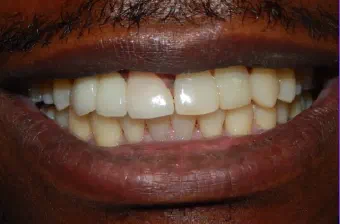
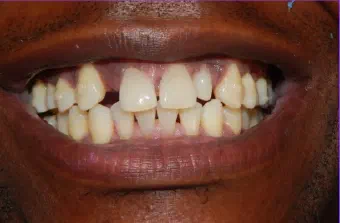
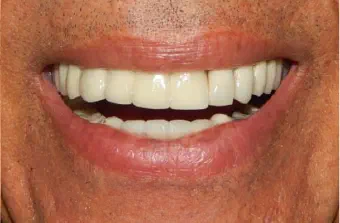
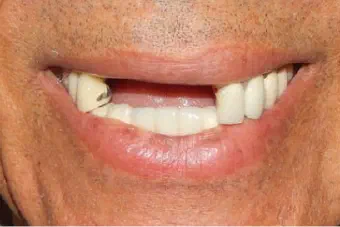
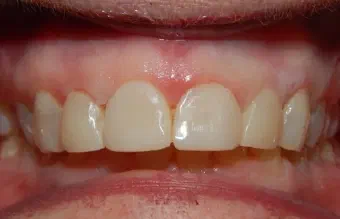
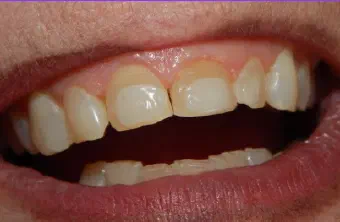
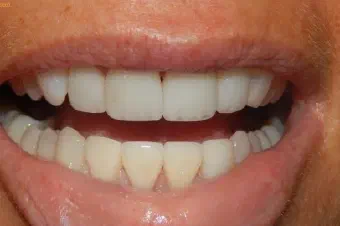
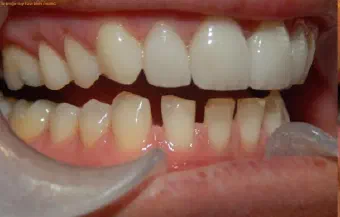
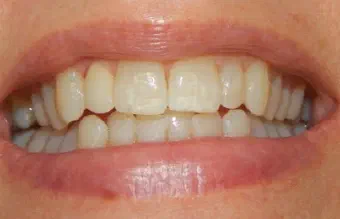
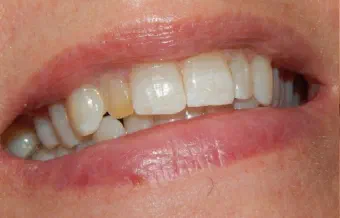
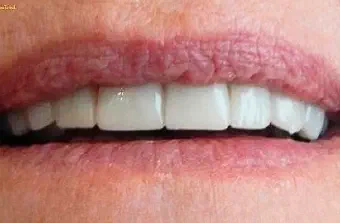
Drag the centre line to compare each real case treated by our dental team. Every smile begins with a personal assessment and a plan shaped around the patient.

Areas We Serve

Neighbourhood dental care, close to home.

Located in Cookstown, Innisfil, our dental team welcomes patients from communities across South Simcoe, Barrie, and northern York Region.

Get directions
  • Cookstown
  • Innisfil
  • Simcoe
  • Lake Simcoe
  • Alcona
  • Stroud
  • Lefroy–Belle Ewart
  • Gilford
  • Churchill
  • Sandy Cove
  • Innisfil Heights
  • Fennell’s Corners
  • Bradford
  • Bradford West Gwillimbury
  • Bond Head
  • Newton Robinson
  • New Tecumseth
  • Alliston
  • Beeton
  • Tottenham
  • Adjala–Tosorontio
  • Everett
  • Loretto
  • Barrie
  • Essa
  • Thornton
  • Baxter
  • Angus
  • Egbert
  • Ivy
  • Utopia
  • York Region
  • East Gwillimbury
  • Queensville
  • Holland Landing
  • Sharon
  • Schomberg
  • Nobleton

Don’t see your community listed? Contact us—we regularly welcome patients from throughout the surrounding region.

Google reviews

Kind words from our patients.

Read what patients have shared about their visits to Cookstown Dental Centre.

A dentist having a friendly consultation with a patient in a bright dental clinic

Your next step

Ready to feel good about your next dental visit?

Whether you are new to the clinic or returning for care, our team is here to make booking simple and answer your questions.

Call Book Now WhatsApp

How can we help?

The Cookstown Dental team is here for you.

Need an appointment, have a question, or want to talk through your options? Choose the next step that works best for you.

Send us a note

We’ll get back to you as soon as we can.