Cookstown Dental Centre
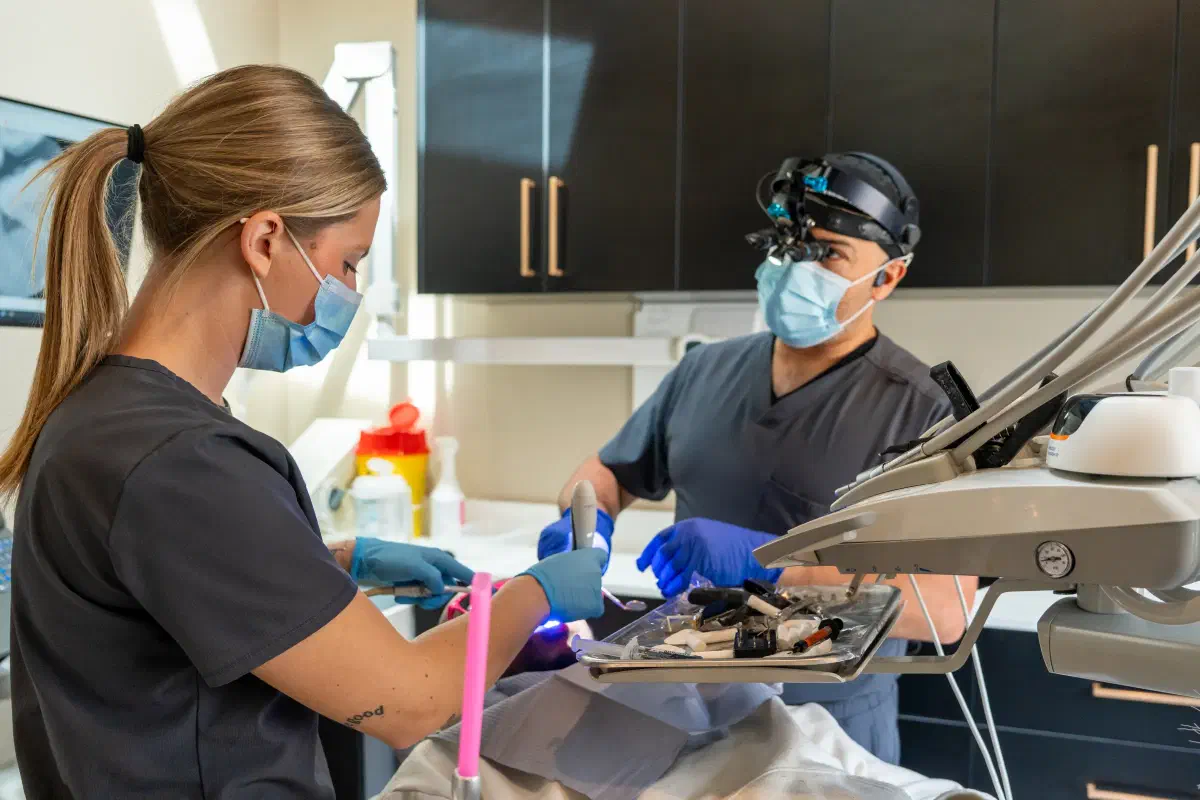
The Cookstown Dental Centre team caring for a patient in a treatment room

Restorative Dentistry · Cookstown

Find the reason a denture moves before choosing added support.

Denture stabilization starts with fit, bite, tissues, and design. Compare adjustment, relining, replacement, adhesives, and implant-assisted options where suitable.

Request an appointment

Let’s find a time that works.

Need urgent dental help? Call (705) 291-2222.

Denture Stabilization in Cookstown

Stability depends on the appliance, the mouth, and the way they work together.

A denture can move because the supporting ridge has changed, the base no longer adapts, contacts are uneven, or the design has reached its limits. Stabilization describes the goal of reducing unwanted movement; it is not one procedure that fits every loose appliance. The right response may be a conventional fit correction, a new denture, or an implant-assisted option after assessment.

At Cookstown Dental Centre, we begin with how and when the denture moves and what you want to improve. We assess the tissues, appliance, bite, and practical use before comparing choices. A promise of complete immobility can be unrealistic for some removable designs. The plan should explain the expected improvement and the maintenance responsibilities that come with the chosen level of support.
A dentist demonstrating denture support and seating on a lower jaw model

What we consider

Identify which part of stability is missing.

The same complaint of looseness can arise from different clinical and practical factors.

Adaptation to the supporting tissues

The denture may no longer match the ridge and soft tissues as closely as it once did. The clinician checks whether a suitable reline or another fit procedure could help. An appliance with worn teeth or a poor overall design may need more than renewed adaptation to the gums.

Contacts and movement during function

The way teeth meet can tip or displace a denture during chewing. Describe when it lifts and whether one side feels different. The dentist assesses the opposing arch and relevant contacts rather than assuming stronger adhesive is the answer to a mechanical imbalance.

Anatomy, saliva, and muscle control

Ridge shape, dryness, tongue movement, and coordination can affect retention and support. These factors can limit what a conventional design achieves. The clinician explains those limits without blaming the wearer and considers whether practical coaching, another design, or additional support is relevant.

Practical guidance

Describe the movement in everyday terms.

Your experience helps define a goal that can be evaluated after treatment.

Meals and conversation

Explain whether the appliance moves when biting into food, chewing on one side, speaking, or laughing. Mention foods you have stopped eating because of it. A focused description helps the clinician distinguish a particular contact problem from a broader lack of support that needs a different approach.

Handling and seating

Tell the dentist if the denture is difficult to insert, needs force, or seems to seat differently each time. Partial and attachment-retained designs have specific paths and handling requirements. A demonstration can reveal whether technique, a damaged component, or a fit change is contributing.

Previous attempts to improve it

Describe adhesives, repairs, relines, and adjustments and whether they helped temporarily or not at all. That history can prevent repeating an intervention that left the main cause unchanged. Bring older appliances if requested so the clinician can compare designs and your experience with them.

Understanding the options

Consider conventional fit improvements first where appropriate.

A smaller intervention may be useful when the existing appliance remains serviceable.

Adjustment or relining for an identified problem

A targeted contact change or renewed fitting surface may improve selected situations. The clinician explains what is being corrected and what will remain unchanged. These procedures cannot compensate for every anatomical limitation or restore extensively worn teeth merely by making the base feel tighter.

A new conventional denture

Replacement may help when the design, artificial teeth, or base no longer provides appropriate function. Discuss the realistic benefit and adaptation period. A new appliance still depends on the supporting mouth, so it should not be promised to behave like a fixed restoration solely because it is newly made.

Care that fits

Evaluate implant assistance as a separate treatment decision.

Added support can be useful in selected cases but brings surgical and maintenance requirements.

Suitability and restoration design

The clinician assesses bone, tissues, health, and the intended denture before discussing implants. Removable attachment-retained and fixed designs have different roles. The proposed number and arrangement of implants should follow the restoration plan rather than a standard package offered without examining the mouth.

Daily care and future servicing

Attachments can wear, and implants and tissues need ongoing cleaning and review. A more stable denture is not maintenance-free. Discuss handling, dexterity, replacement components, and costs so the improvement in retention is weighed alongside the responsibilities introduced by the new support system.

Planning together

Review the result against the original problem.

The plan should define what improvement is expected and how it will be checked.

Set a practical endpoint

Agree on the specific function to improve, such as reduced lifting during chewing or easier use without excessive adhesive. The clinician should explain remaining limitations. A clear goal helps assess whether an adjustment or larger procedure has addressed your main concern rather than merely changed how the appliance feels.

Keep maintenance and reassessment in place

Report renewed movement, pressure, or a change in bite after treatment. Tissues, materials, and attachments can continue to change. Ongoing reviews help distinguish a routine service need from a new fit or support problem that calls for a revised plan.

Frequently asked questions

Questions about denture stabilization

Does denture stabilization always mean implants?

No. Stabilization is the goal, and the appropriate method depends on the cause of movement. Adjustment, relining, replacement, or practical changes may be relevant. Implants are considered separately when the assessment and your preferences support that option.

Can adhesive stabilize a poorly fitting denture permanently?

Adhesive does not correct every fit or design problem. It may have a role when used appropriately, but increasing reliance should prompt a review. The clinician assesses why the appliance moves before recommending more product as the main solution.

Why does my lower denture move more than the upper one?

The anatomy and muscle environment differ, and the fit and bite also matter. The dentist assesses your particular mouth and appliance. A common difficulty does not mean the problem should be ignored or that one treatment will suit every lower denture.

Will a reline improve stability?

It may when loss of adaptation is the main issue and the rest of the denture is suitable. Worn teeth, uneven contacts, or other design problems can remain. The clinician should explain which part of the instability a reline is expected to address.

Are implant-retained dentures completely fixed?

Many are designed to be removed by the wearer and use attachments for retention. Fixed implant restorations are a different design. Ask exactly which option is proposed and how it is cleaned, removed, and maintained.

Can I choose a modest improvement without surgery?

Yes, you can discuss that preference. The clinician compares suitable conventional options and their limits. A plan should respect your priorities while making clear what improvement can reasonably be expected from a non-surgical approach.

What if the denture becomes loose again after treatment?

Arrange reassessment. Tissue change, wear, attachments, or contacts may be involved. The response should follow the cause rather than automatically repeat the same procedure or assume the original treatment has completely failed.

Real patient results

Before & after smile gallery.

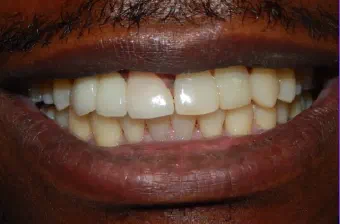
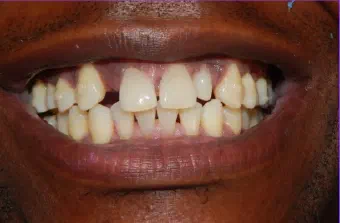
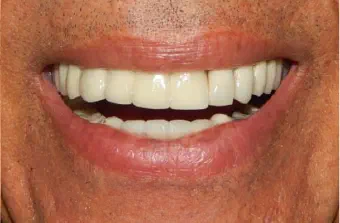
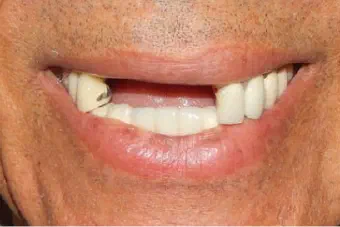
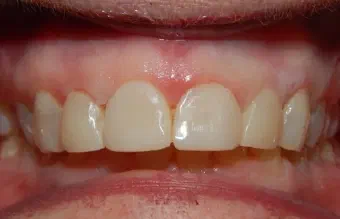
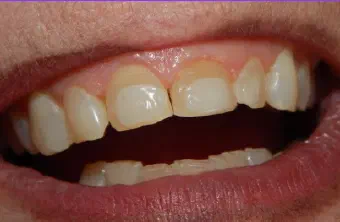
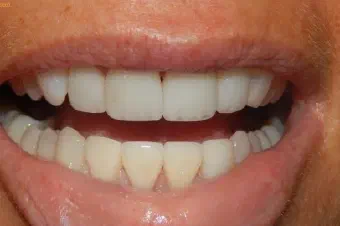
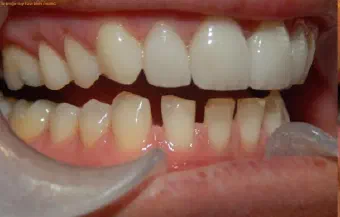
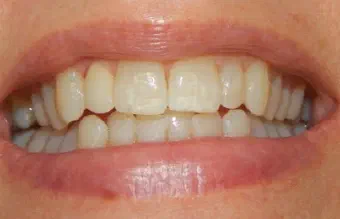
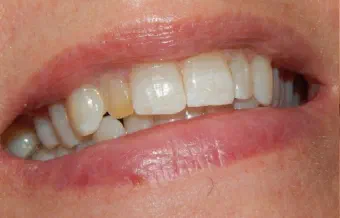
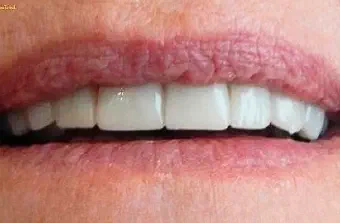
Drag the centre line to compare each real case treated by our dental team. Every smile begins with a personal assessment and a plan shaped around the patient.

Areas We Serve

Neighbourhood dental care, close to home.

Located in Cookstown, Innisfil, our dental team welcomes patients from communities across South Simcoe, Barrie, and northern York Region.

Get directions
  • Cookstown
  • Innisfil
  • Simcoe
  • Lake Simcoe
  • Alcona
  • Stroud
  • Lefroy–Belle Ewart
  • Gilford
  • Churchill
  • Sandy Cove
  • Innisfil Heights
  • Fennell’s Corners
  • Bradford
  • Bradford West Gwillimbury
  • Bond Head
  • Newton Robinson
  • New Tecumseth
  • Alliston
  • Beeton
  • Tottenham
  • Adjala–Tosorontio
  • Everett
  • Loretto
  • Barrie
  • Essa
  • Thornton
  • Baxter
  • Angus
  • Egbert
  • Ivy
  • Utopia
  • York Region
  • East Gwillimbury
  • Queensville
  • Holland Landing
  • Sharon
  • Schomberg
  • Nobleton

Don’t see your community listed? Contact us—we regularly welcome patients from throughout the surrounding region.

Google reviews

Kind words from our patients.

Read what patients have shared about their visits to Cookstown Dental Centre.

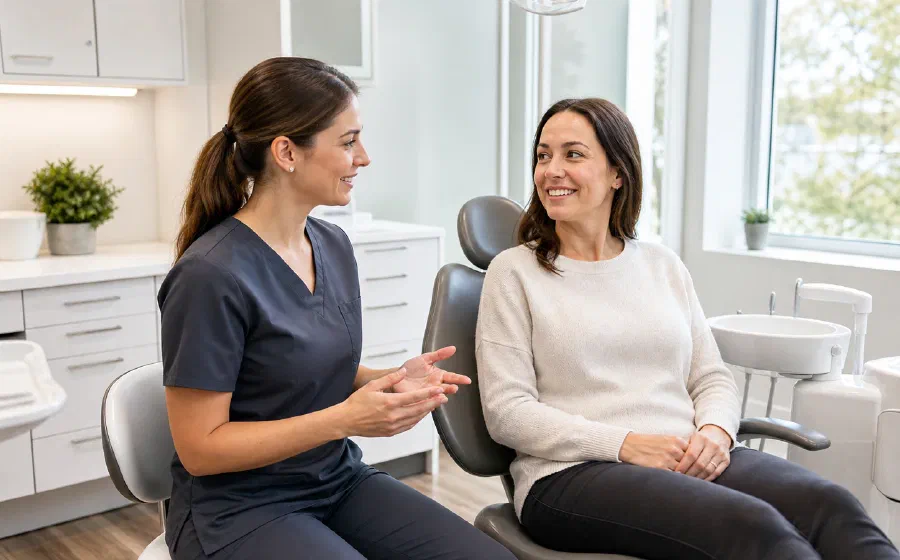
A dentist having a friendly consultation with a patient in a bright dental clinic

Your next step

Ready to feel good about your next dental visit?

Whether you are new to the clinic or returning for care, our team is here to make booking simple and answer your questions.

Call Book Now WhatsApp

How can we help?

The Cookstown Dental team is here for you.

Need an appointment, have a question, or want to talk through your options? Choose the next step that works best for you.

Send us a note

We’ll get back to you as soon as we can.