Cookstown Dental Centre
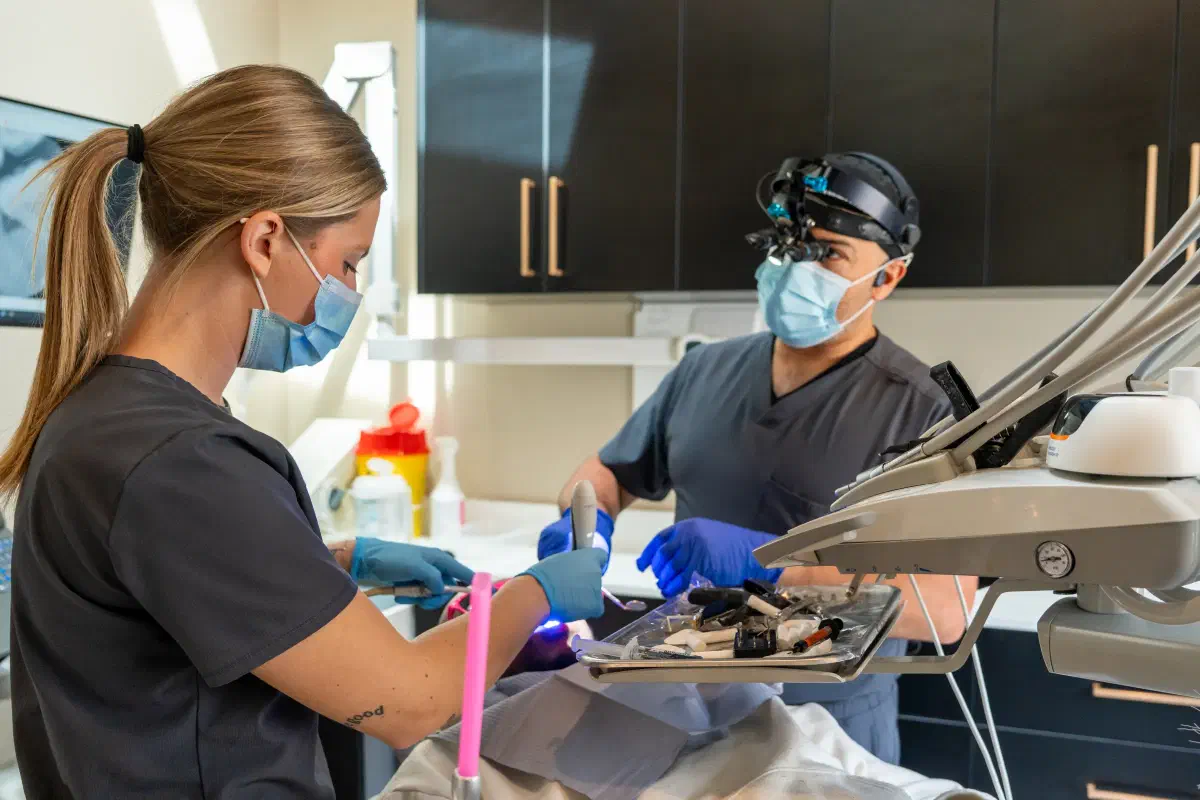
The Cookstown Dental Centre team caring for a patient in a treatment room

General & Family Dentistry · Cookstown

Digital X-rays. A clearer view of your care.

See beyond the visible surfaces of your teeth, understand the findings, and make informed decisions with your dental team.

Request an appointment

Let’s find a time that works.

Need urgent dental help? Call (705) 291-2222.

Digital dental X-rays in Cookstown

Useful answers start with the right information.

A visual examination tells us a great deal about your mouth, but it cannot show every surface between teeth or what is happening around their roots. Dental X-rays provide information that can help answer specific questions about your oral health.

At Cookstown Dental Centre, digital imaging supports the examination and treatment-planning process. Images can be displayed on a screen, discussed during your visit, and compared with previous records. Your dentist recommends the type and number needed for your situation, rather than taking every possible image.

A dentist explaining a dental radiograph displayed on a monitor to an adult patient

Looking beyond the surface

What can an X-ray help us assess?

An image is one part of the assessment. Your symptoms, dental history, and clinical examination provide the context for interpreting it.

Areas between teeth

Some cavities develop where neighbouring teeth meet and cannot be seen clearly from the outside. An appropriate image can help your dentist assess these areas and the margins of existing restorations, alongside a careful examination.

Roots and supporting bone

Images can reveal changes around tooth roots and the bone supporting teeth. This information may help investigate discomfort, assess signs of gum disease, or review a tooth that has already received treatment. Findings still need clinical interpretation.

Development and treatment planning

Your dentist may need to assess tooth development, an unerupted tooth, or the area being considered for treatment. The question being investigated determines which view is useful; a wider image is not automatically a better choice.

Different views, different questions

The image is chosen for its purpose.

Images taken inside the mouth

Focused views of individual areas

A small digital sensor or receptor is positioned inside the mouth. Bitewing views show the crowns of neighbouring upper and lower teeth; periapical views show a tooth and the area around its root. Your dentist chooses the view needed to investigate a concern.

  • Bitewings can help assess decay between teeth.
  • Periapical views provide information about roots and surrounding structures.

Broader views when indicated

A different perspective on the jaws

A panoramic image provides a broad two-dimensional view. A CBCT scan produces three-dimensional information for selected clinical situations. These are different examinations with different uses and radiation exposure; they are not automatic additions to a routine visit.

  • The proposed examination should answer a clinical question.
  • Ask why a particular type of image is recommended for you.

What to expect

From a question to an explanation.

Tell us about a strong gag reflex, a sore area, or difficulty opening your mouth before positioning begins.

  1. Review what is needed

    We review your history, symptoms, examination findings, and any usable previous images. Your dentist explains the reason for the proposed imaging. This is a good time to ask about the benefits, limitations, fees, or alternatives before proceeding.

  2. Position and capture

    For an image taken inside the mouth, a receptor is positioned with a holder and you may be asked to bite gently and remain still. The team guides you through each view. Let us know if positioning is uncomfortable so we can discuss adjustments.

  3. Discuss the findings

    The dentist interprets the images alongside your examination and explains what they mean for your care. The next step may be monitoring, preventive care, treatment, or another assessment. An image alone does not mean that treatment is automatically required.

A considered approach

Digital does not mean radiation-free.

Dental X-rays use ionizing radiation. Digital systems can reduce exposure compared with conventional film, but dose depends on the equipment, settings, and examination. The aim is to obtain useful diagnostic information while avoiding unnecessary images and repeat exposures.

Tell the team if you are pregnant or may be pregnant, and mention recent imaging. Your dentist will explain whether the proposed examination is needed and how applicable safety measures are followed. Ask about anything you do not understand before imaging begins.

Before your appointment

Help us see the full picture.

If you have recently visited another dental office, ask about transferring your existing images. Having the date and clinic details available can help us request the right records and assess whether they remain useful.

705-291-2222

Helpful details to share

  • When and where your most recent dental X-rays were taken.
  • New pain, swelling, sensitivity, or an area you are concerned about.
  • A gag reflex, limited opening, or positioning needs.
  • Pregnancy, relevant health changes, and questions about radiation or cost.

The need for imaging is based on your oral health and the diagnostic question, rather than insurance coverage alone.

Frequently asked questions

Your questions about digital X-rays.

Do I need X-rays at every checkup?

Not necessarily. Timing depends on your current oral health, disease risk, symptoms, development, and earlier findings. A stable mouth may need imaging less often than one being monitored for active problems. Ask your dentist what they are checking and why the timing is appropriate.

Can you use X-rays from my previous dentist?

Often, existing images can provide useful information. With the appropriate consent, we can discuss requesting them. Whether new views are needed depends on image quality, age, coverage, and any changes in your mouth since they were taken.

Does the X-ray itself hurt?

You do not feel the X-ray exposure. The receptor or holder inside your mouth can feel bulky or uncomfortable, especially in a sensitive area. Tell the team if you need a pause or have had difficulty with positioning at earlier appointments.

Are digital X-rays suitable for children?

They may be recommended when they will provide information needed for a child’s care. The decision considers development, oral health, symptoms, and risk of disease. Images are selected for a clinical reason, rather than simply because a child has reached a particular birthday.

Will an X-ray show every dental problem?

No. Imaging has limitations and does not replace a clinical examination. Some problems are best assessed through symptoms, visual checks, or other tests. Your dentist combines the information available and may recommend further assessment when an answer remains uncertain.

How long does digital dental imaging take?

Capturing an individual image is brief, but positioning and the number of views affect the total time. We can discuss the expected appointment length when booking. An examination or other care planned for the same visit will also affect how long you are here.

Is a digital X-ray the same as a 3D scan?

No. Many digital dental X-rays are two-dimensional. CBCT is a separate three-dimensional examination used for selected needs. Your dentist will explain which type is proposed and why that information is needed for the assessment or treatment being considered.

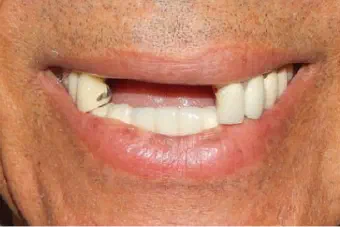
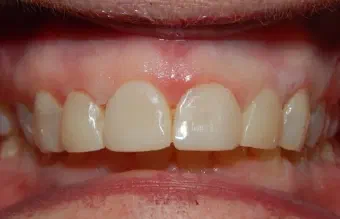
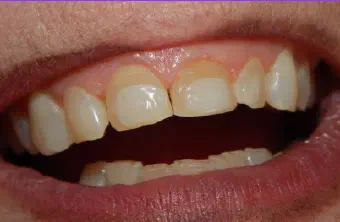
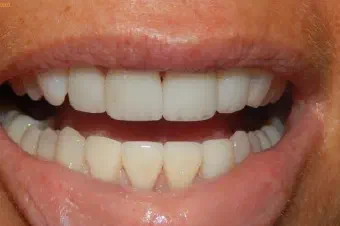
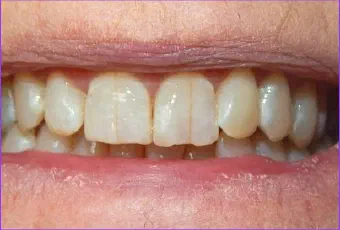
Real patient results

Before & after smile gallery.

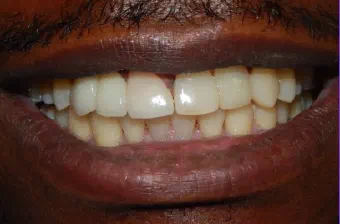
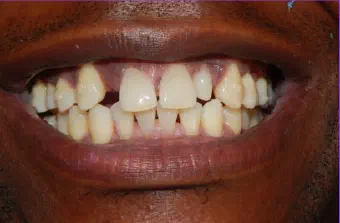
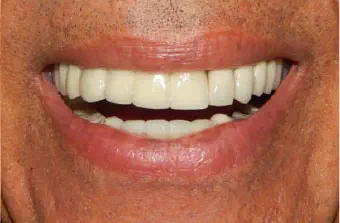
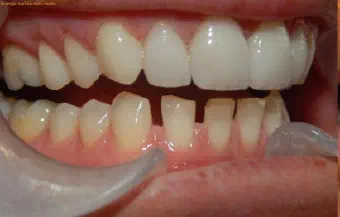
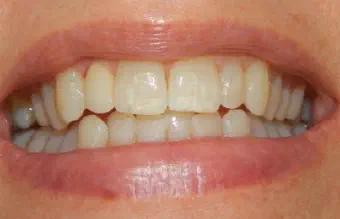
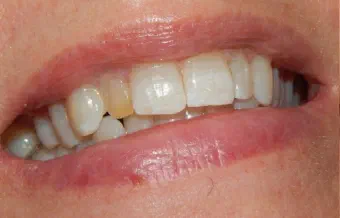
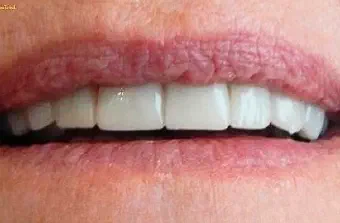
Drag the centre line to compare each real case treated by our dental team. Every smile begins with a personal assessment and a plan shaped around the patient.

Areas We Serve

Neighbourhood dental care, close to home.

Located in Cookstown, Innisfil, our dental team welcomes patients from communities across South Simcoe, Barrie, and northern York Region.

Get directions
  • Cookstown
  • Innisfil
  • Simcoe
  • Lake Simcoe
  • Alcona
  • Stroud
  • Lefroy–Belle Ewart
  • Gilford
  • Churchill
  • Sandy Cove
  • Innisfil Heights
  • Fennell’s Corners
  • Bradford
  • Bradford West Gwillimbury
  • Bond Head
  • Newton Robinson
  • New Tecumseth
  • Alliston
  • Beeton
  • Tottenham
  • Adjala–Tosorontio
  • Everett
  • Loretto
  • Barrie
  • Essa
  • Thornton
  • Baxter
  • Angus
  • Egbert
  • Ivy
  • Utopia
  • York Region
  • East Gwillimbury
  • Queensville
  • Holland Landing
  • Sharon
  • Schomberg
  • Nobleton

Don’t see your community listed? Contact us—we regularly welcome patients from throughout the surrounding region.

Google reviews

Kind words from our patients.

Read what patients have shared about their visits to Cookstown Dental Centre.

A dentist having a friendly consultation with a patient in a bright dental clinic

Your next step

Ready to feel good about your next dental visit?

Whether you are new to the clinic or returning for care, our team is here to make booking simple and answer your questions.

Call Book Now WhatsApp

How can we help?

The Cookstown Dental team is here for you.

Need an appointment, have a question, or want to talk through your options? Choose the next step that works best for you.

Send us a note

We’ll get back to you as soon as we can.