
Changes in speaking or eating
You may need frequent sips to speak comfortably or find dry foods harder to chew and swallow. Tell us whether symptoms are constant, appear mainly at night, or started after a change in your health or medicines.
Clinic hours
Plan your visit
General & Family Dentistry · Cookstown
Understand what may be contributing to dryness, protect your teeth, and find practical ways to make everyday eating and speaking more comfortable.
Request an appointment
Dry mouth management in Cookstown
A dry mouth can make a long conversation, a favourite meal, or wearing dentures feel less comfortable. Occasional dryness may pass, but persistent symptoms deserve attention. Saliva helps lubricate tissues, clear food, and protect teeth, so managing dryness involves both comfort and prevention.
At Cookstown Dental Centre, we start by asking what you are noticing and when it happens. A review of your mouth, health history, medicines, and daily habits helps guide the next step. Depending on the likely cause, care may involve dental measures, your physician, or another healthcare professional.

Signs to mention
Dry mouth, also called xerostomia, is a symptom rather than a diagnosis of its cause. These details can help us understand your experience.
You may need frequent sips to speak comfortably or find dry foods harder to chew and swallow. Tell us whether symptoms are constant, appear mainly at night, or started after a change in your health or medicines.
Dryness can be accompanied by sticky saliva, a rough tongue, cracked lips, burning, or sore areas. Dentures may feel less comfortable. An examination helps distinguish irritation related to dryness from problems that need a different approach.
Reduced saliva can increase the risk of cavities and oral infections. A mouth that feels more comfortable is not necessarily protected against decay, so your plan may include closer monitoring and preventive care as well as symptom relief.
Looking for the reason
Several factors can overlap. Bring an accurate medication list and tell us about symptoms beyond your mouth as well.
Many prescription and non-prescription medicines can contribute to oral dryness. Starting a medicine, changing a dose, or taking several products may be relevant. Your dentist can discuss possible contributors with you, but any medication change needs to be reviewed with the prescribing clinician. Do not stop a prescribed medicine yourself.
Conditions affecting the salivary glands, including Sjögren’s disease, and some cancer treatments can reduce saliva. Persistent dryness may therefore need a medical assessment as well as dental care. Mention dry eyes, recent treatment, or a known health condition so the team can consider whether coordination or referral would help.
Dehydration, tobacco, alcohol, and mouth breathing can contribute to a dry feeling. A short record of when symptoms occur and what brings relief can be useful. Dryness is not an inevitable result of age, and drinking more water alone will not address every possible cause.
Two goals for your plan
Depending on your needs, the team may discuss saliva substitutes, moisturizing gels or sprays, and suitable sugar-free gum or lozenges. These products have different uses and may offer temporary relief. We can help you consider options that suit your swallowing ability, dental work, and preferences.
A preventive plan may include fluoride, cleaning advice, and an individualized examination schedule. Your dentist will assess whether additional fluoride protection is appropriate. Comfort products do not replace brushing, cleaning between teeth, or checking areas where decay or irritation may be developing.
At your appointment
You do not need to know the cause before you contact us. Bring your questions and a description of what has changed.
We discuss when dryness began, how often it happens, and its effect on eating, speaking, sleep, or dentures. Your medicine list and medical history help put those symptoms into context. Mention the products you have already tried and whether they helped.
The dentist assesses your teeth and tissues for concerns that may need attention. Further investigation or medical input may be appropriate. We will explain what the examination can tell us and what remains uncertain before discussing a management plan.
The first approach may need refinement. We can discuss how to track comfort, which preventive measures to use, and when to review your progress. Contact the team if symptoms change or the suggested products are difficult to use.
Between appointments
Tell us what is realistic for you. The best routine should take account of your medical advice, swallowing needs, and daily life rather than adding a long list of products.
705-291-2222Arrange an assessment for persistent symptoms. Seek prompt medical advice if you cannot swallow fluids or maintain hydration.
Frequently asked questions
No. Dryness can become more common when people take medicines or develop conditions that affect saliva, but it should not simply be dismissed as age-related. An assessment can look for contributors and help protect your teeth while symptoms are being managed.
Water may improve comfort and address dehydration, but it does not replace all the protective functions of saliva or treat every cause of dryness. Follow any fluid restriction from your medical team and ask about a broader plan if symptoms persist.
Do not stop or adjust prescribed medicines without speaking to the prescriber. Bring the names and doses to your appointment. Your dental and medical teams may be able to discuss alternatives or symptom-management options that fit your overall care.
No. Some products can be drying or uncomfortable. The appropriate choice depends on whether you need symptom relief, fluoride protection, or another treatment. Ask the team about an alcohol-free product suited to your needs, and follow its instructions rather than combining several rinses.
Yes. Saliva helps lubricate the tissues under a denture, so dryness can contribute to rubbing or discomfort. A sore area may also have another cause, including fit. Bring your dentures to the examination so the dentist can assess the tissues and discuss suitable care.
That depends on its cause. Some contributing factors can be addressed; others require ongoing management. The aims are to investigate appropriate causes, improve comfort where possible, and reduce complications. We will discuss realistic goals and whether another clinician should be involved.
Bring a current list of medicines and supplements, relevant medical information, and the names of products you use for relief. Notes about timing, triggers, and associated symptoms can be helpful. Include any questions about costs or the proposed next steps.
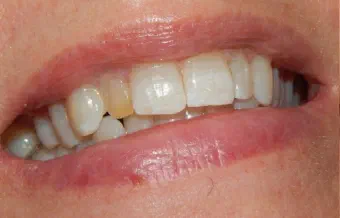
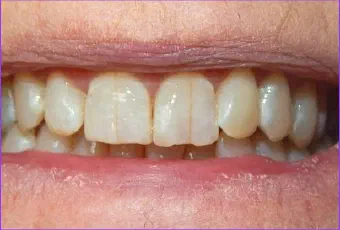
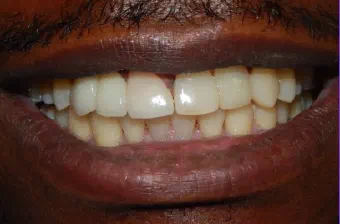
Real patient results
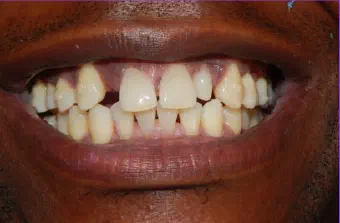
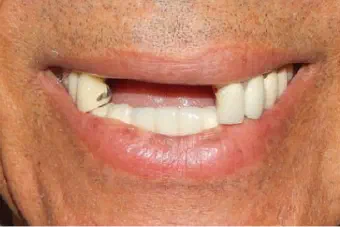
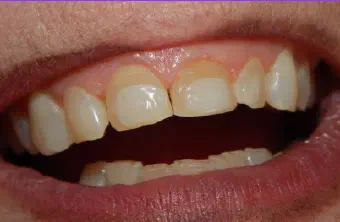
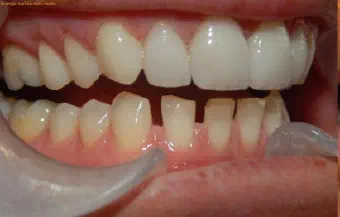
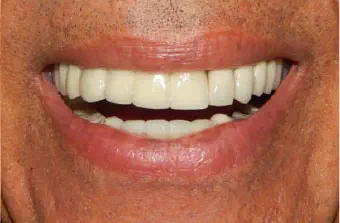
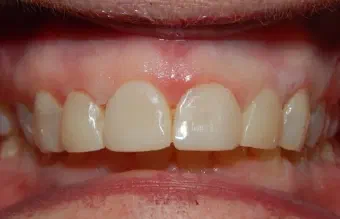
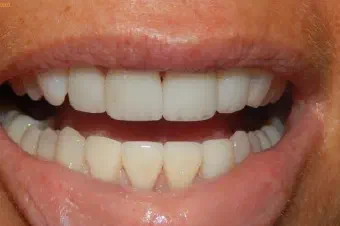
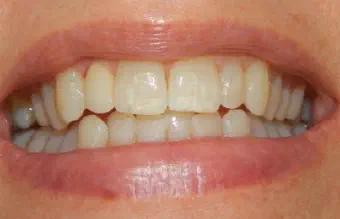
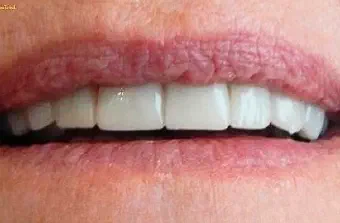
Drag the centre line to compare each real case treated by our dental team. Every smile begins with a personal assessment and a plan shaped around the patient.
Areas We Serve
Located in Cookstown, Innisfil, our dental team welcomes patients from communities across South Simcoe, Barrie, and northern York Region.
Don’t see your community listed? Contact us—we regularly welcome patients from throughout the surrounding region.
Google reviews
Read what patients have shared about their visits to Cookstown Dental Centre.

Your next step
Whether you are new to the clinic or returning for care, our team is here to make booking simple and answer your questions.