Cookstown Dental Centre
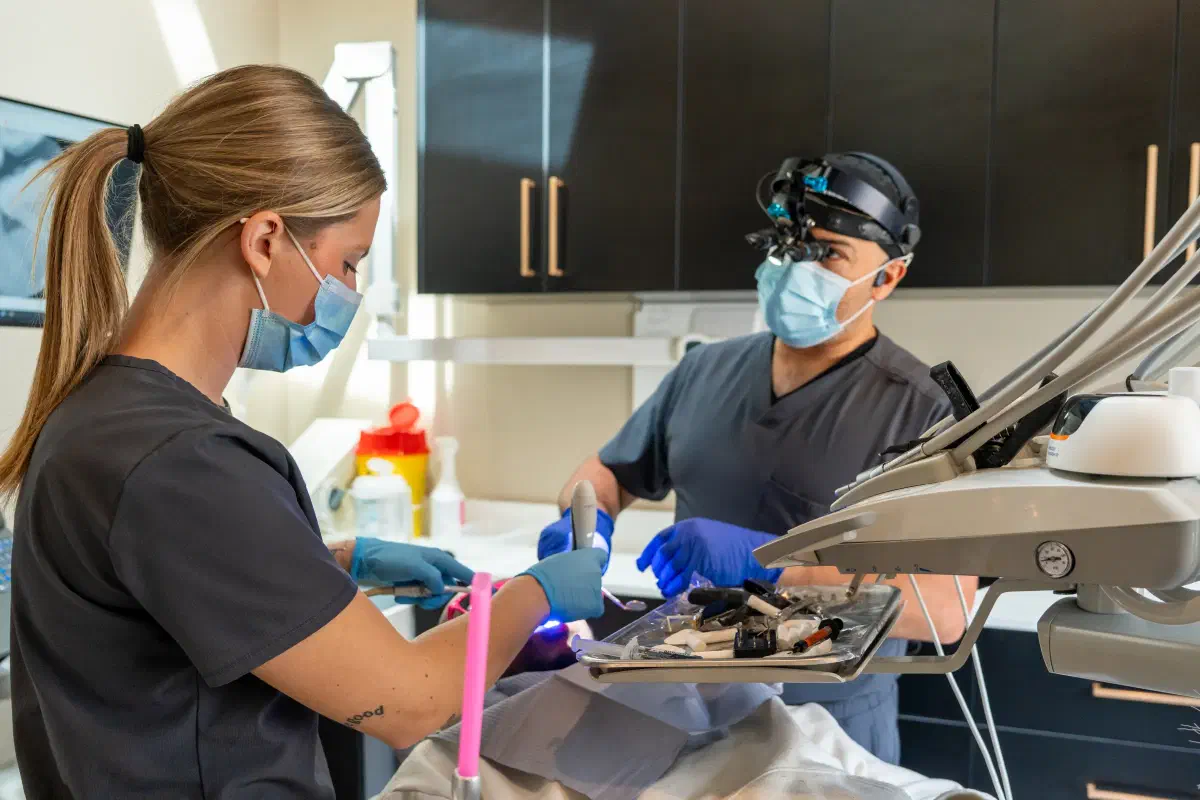
The Cookstown Dental Centre team caring for a patient in a treatment room

Specialized Care · Cookstown

Have increasing pain after an extraction checked for the cause.

Dry socket can cause significant pain after tooth removal. Assessment distinguishes it from other healing problems and guides local care, pain relief, and review.

Request an appointment

Let’s find a time that works.

Need urgent dental help? Call (705) 291-2222.

Dry Socket Treatment in Cookstown

Post-extraction pain needs interpretation, especially when it starts worsening.

Dry socket is a painful healing complication associated with loss or disruption of the protective clot in an extraction socket. Pain may become more noticeable several days after removal and can be accompanied by an unpleasant taste or smell. These features need examination because infection, local irritation, or another postoperative concern can also produce pain.

Contact the treating clinic or Cookstown Dental Centre if pain is increasing rather than following the recovery pattern you were given. Dry socket is not diagnosed from a photograph or the colour of the socket alone, and it should not be treated by placing home remedies into the wound. Professional care aims to assess the site, relieve symptoms with appropriate local measures, and provide a follow-up plan while healing continues.

A patient returning to discuss pain after an extraction with a dentist

Good to know

Describe the timing and the change in symptoms.

The course since extraction helps direct the assessment.

Pain that becomes more intense after initial recovery

Tell the clinician when the tooth was removed, whether pain first improved, and when it began increasing. Mention pain spreading toward the ear or nearby areas without assuming its cause. The history helps distinguish a possible dry socket from other problems that require different care.

Swelling, fever, bleeding, or difficulty functioning

Report symptoms beyond pain, including increasing swelling, fever, drainage, uncontrolled bleeding, or marked difficulty opening. These may change the urgency or suggest another complication. Breathing or swallowing difficulty and rapidly spreading swelling require emergency assessment rather than routine dry-socket care.

What we consider

Examine the extraction site and surrounding area.

Not every painful socket has the same explanation.

Local healing and socket findings

The clinician assesses the tissues, socket, and any local debris or other relevant finding. Appearance is interpreted with symptoms and the extraction history. A pale surface or an open-looking space alone does not establish dry socket, and patients should not probe the wound to check for a clot.

Signs of infection or another complication

The examination considers whether swelling, systemic symptoms, retained material, or another issue needs investigation. Imaging may be appropriate for a specific question. The plan should distinguish symptom-focused dry-socket care from treatment of a diagnosed infection rather than prescribe the same response to every postoperative pain complaint.

Medical history and current pain medicines

Bring the postoperative instructions and details of what you have taken, including timing and any other medications. The clinician can review suitable pain-relief advice and interactions. Do not add borrowed antibiotics or extra medication doses because the pain has not followed your expectations.

Understanding the options

Understand the purpose of local treatment and medication.

Pain relief and management of an infection are not interchangeable.

Professional local care for the painful socket

The provider may use gentle local measures and a dressing when indicated to help manage symptoms. The choice follows examination and the treatment setting. Such care is not a guarantee of immediate complete relief, and any dressing may need specific review or removal instructions.

Medication according to the diagnosis and health history

Pain-relief recommendations should account for your health, allergies, and other medicines. Antibiotics are not automatically needed for dry socket in the absence of an indication. If an infection or another condition is diagnosed, its management is explained separately rather than treating antibiotics as a substitute for assessing the site.

Practical guidance

Avoid disturbing the wound while following the revised instructions.

Aftercare should match the actual postoperative stage and treatment provided.

Do not pack the socket with home remedies

Avoid probing, scraping, forceful irrigation, or placing aspirin, oils, or other substances into the extraction site without the treating provider’s instruction. These actions can irritate tissues and complicate assessment. Contact the clinic for appropriate care instead of repeatedly attempting to recreate a clot at home.

Follow cleaning, smoking, and eating advice

Use the postoperative routine provided for your stage of healing, including any updated instructions after the review. Smoking can interfere with recovery, so discuss support and precautions with the team. If eating or drinking is difficult, say so rather than trying to manage significant symptoms without further guidance.

The appointment

Keep the follow-up focused on improvement and reassessment.

Persistent symptoms should lead to another look, not an assumption that all pain is expected.

  1. Agree on what should happen after local care

    Ask about the expected response, the role of any dressing, and when to contact the provider. Recovery varies, so the plan should identify concerning changes rather than promise an exact hour when discomfort will stop. Keep the contact instructions available after leaving the appointment.

  2. Attend any required review

    A dressing or persistent symptoms may require follow-up. The clinician checks the site and decides whether further local care or another investigation is needed. Do not remove or replace material yourself unless specifically instructed as part of the plan.

  3. Report worsening or new symptoms promptly

    Increasing swelling, fever, uncontrolled bleeding, or a change in function needs contact even if dry socket was previously diagnosed. A new finding may represent a different issue. Emergency warning signs such as breathing or swallowing difficulty should not wait for a scheduled postoperative review.

Frequently asked questions

Questions about dry socket treatment

How do I know whether the pain is dry socket?

Timing and symptoms can suggest it, but an examination is needed to distinguish dry socket from infection or other healing concerns. Contact the clinic if pain is increasing or differs from the expected recovery instructions. Do not diagnose it only from the socket’s appearance.

Does a white-looking socket mean it is infected?

Not necessarily. Healing tissue can have different appearances, and colour alone does not establish infection or dry socket. Avoid probing the site. The clinician interprets the appearance together with pain, swelling, timing, and other findings.

Will antibiotics treat dry socket?

Antibiotics are not automatically indicated for dry socket without another reason, such as a diagnosed infection. Local assessment and symptom management are important. Do not take leftover antibiotics or assume a prescription replaces review of a painful extraction site.

Can I place clove oil or aspirin in the socket?

Do not put home remedies or medication directly into the wound without professional instructions. They can irritate tissues and do not establish the diagnosis. Arrange assessment and ask about pain relief appropriate to your health and the actual postoperative problem.

Will treatment make the pain disappear immediately?

Local care may help relieve symptoms, but the response varies and complete immediate relief should not be guaranteed. The provider explains what to expect, any dressing care, and when review is needed if pain remains significant or worsens.

Can dry socket happen even if I followed instructions?

It can occur despite efforts to follow aftercare. The focus should be assessment and appropriate management rather than blame. Tell the clinician about the recovery course and relevant factors so the next instructions fit the situation.

When is this more urgent than a routine review?

Seek urgent advice for significant swelling, fever, uncontrolled bleeding, or worsening function. Breathing or swallowing difficulty and rapidly spreading swelling require emergency care. Those symptoms should not be attributed to dry socket without further assessment.

Real patient results

Before & after smile gallery.

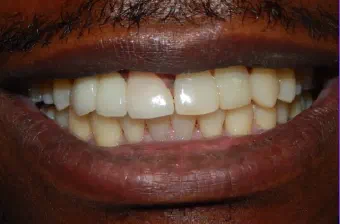
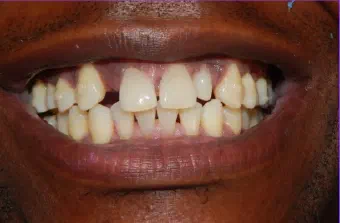
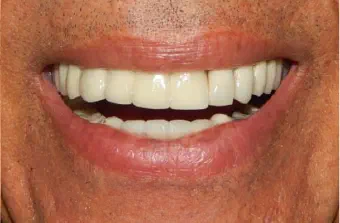
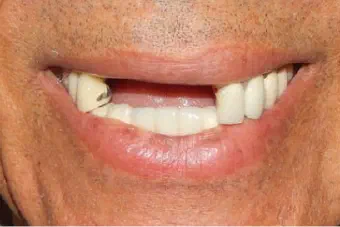
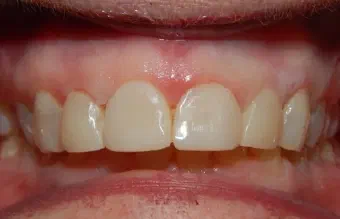
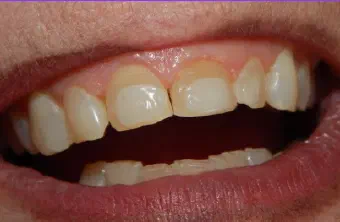
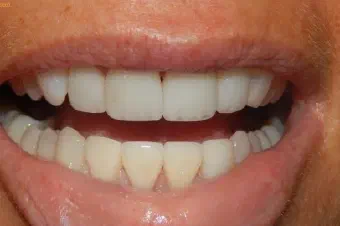
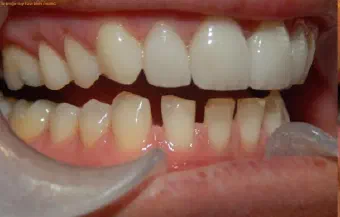
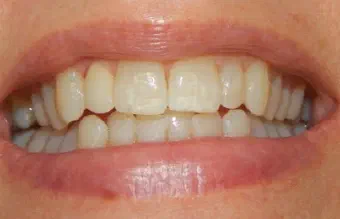
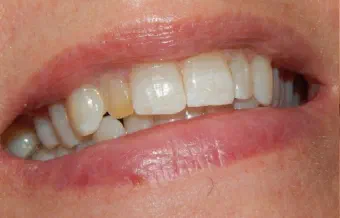
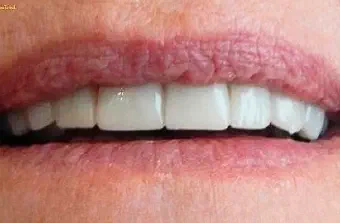
Drag the centre line to compare each real case treated by our dental team. Every smile begins with a personal assessment and a plan shaped around the patient.

Areas We Serve

Neighbourhood dental care, close to home.

Located in Cookstown, Innisfil, our dental team welcomes patients from communities across South Simcoe, Barrie, and northern York Region.

Get directions
  • Cookstown
  • Innisfil
  • Simcoe
  • Lake Simcoe
  • Alcona
  • Stroud
  • Lefroy–Belle Ewart
  • Gilford
  • Churchill
  • Sandy Cove
  • Innisfil Heights
  • Fennell’s Corners
  • Bradford
  • Bradford West Gwillimbury
  • Bond Head
  • Newton Robinson
  • New Tecumseth
  • Alliston
  • Beeton
  • Tottenham
  • Adjala–Tosorontio
  • Everett
  • Loretto
  • Barrie
  • Essa
  • Thornton
  • Baxter
  • Angus
  • Egbert
  • Ivy
  • Utopia
  • York Region
  • East Gwillimbury
  • Queensville
  • Holland Landing
  • Sharon
  • Schomberg
  • Nobleton

Don’t see your community listed? Contact us—we regularly welcome patients from throughout the surrounding region.

Google reviews

Kind words from our patients.

Read what patients have shared about their visits to Cookstown Dental Centre.

A dentist having a friendly consultation with a patient in a bright dental clinic

Your next step

Ready to feel good about your next dental visit?

Whether you are new to the clinic or returning for care, our team is here to make booking simple and answer your questions.

Call Book Now WhatsApp

How can we help?

The Cookstown Dental team is here for you.

Need an appointment, have a question, or want to talk through your options? Choose the next step that works best for you.

Send us a note

We’ll get back to you as soon as we can.