Cookstown Dental Centre
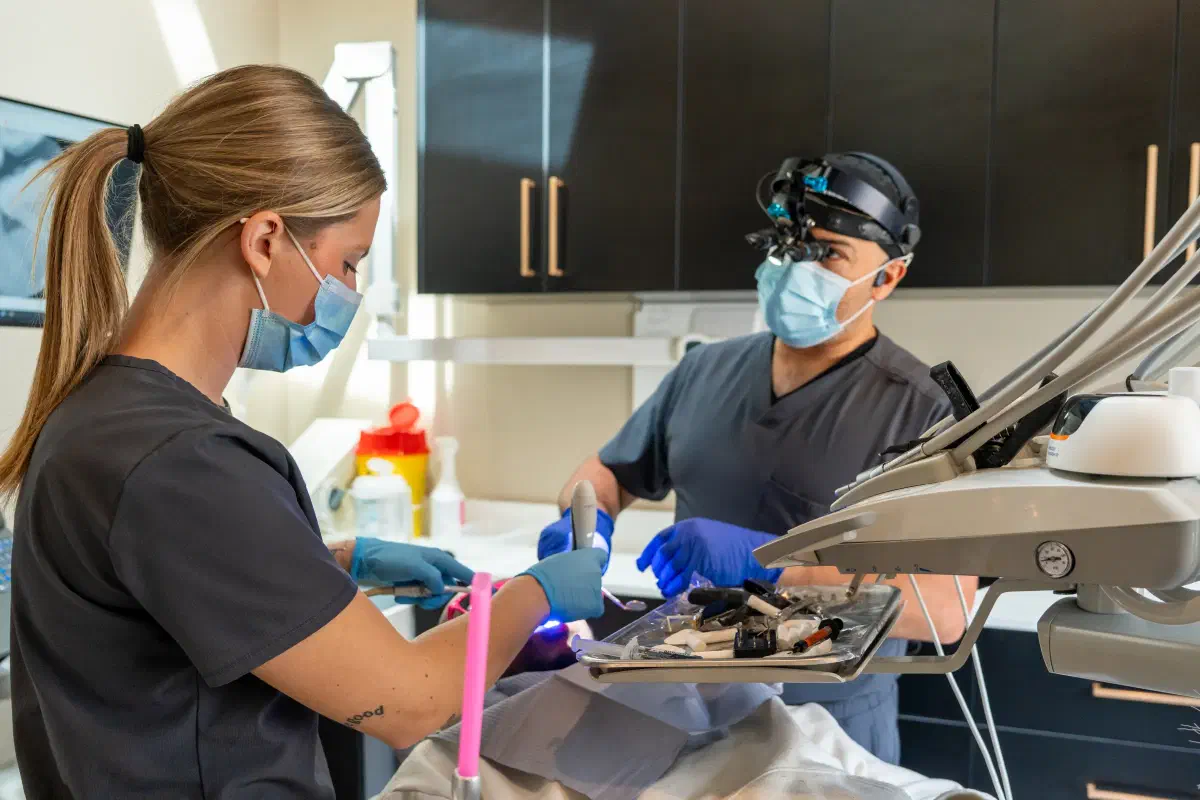
The Cookstown Dental Centre team caring for a patient in a treatment room

Specialized Care · Cookstown

Treat an urgent pulp problem while planning how the tooth will be kept.

Emergency root canal care starts with diagnosis and restorability. Learn about pain-relieving first stages, completion of treatment, and the final tooth restoration.

Request an appointment

Let’s find a time that works.

Need urgent dental help? Call (705) 291-2222.

Emergency Root Canal Treatment in Cookstown

The urgent appointment may begin tooth preservation rather than complete every stage.

Severe toothache or a tooth-related infection can sometimes require urgent endodontic care. Root canal treatment is considered according to the condition of the pulp and tissues around the root, along with whether the tooth can be restored. Pain alone does not establish that a root canal is the correct procedure, and the treatment cannot repair every structural crack.

At Cookstown Dental Centre, the assessment identifies the likely cause and the immediate treatment needs. Depending on the case, the visit may complete the internal treatment or provide an appropriate first stage followed by further appointments or referral. You should understand how the tooth will be sealed and protected between visits, what remains to be done, and which final restoration is needed after the emergency symptoms have been addressed.
A dentist explaining urgent root canal care with a tooth-interior model

What we consider

Confirm the diagnosis and the tooth’s restorative outlook.

The canals and the remaining tooth need assessment together.

Pulp and root-related findings

Symptoms, clinical tests, and indicated imaging help assess inflammation or infection associated with the tooth. The dentist considers other possible causes of pain as well. The explanation should identify why endodontic care is recommended rather than assume that every severe toothache or deep filling requires it.

Cracks, decay, and remaining structure

A tooth may need internal treatment yet have a structural problem that limits preservation. The clinician assesses whether a useful final restoration can be supported. A suspected severe crack or very limited remaining tooth may change the options before canal treatment is started.

Support, anatomy, and treatment complexity

Periodontal support, root form, previous treatment, and access can influence the plan. Complex cases may benefit from an endodontist. The urgent visit should establish how immediate care and any referral fit together rather than begin a procedure without a clear pathway for completion.

Understanding the options

Understand what can be achieved at the urgent visit.

The scope depends on the diagnosis, anatomy, and available clinical conditions.

A complete endodontic procedure when appropriate

Some cases may allow definitive canal treatment within the planned visit. The clinician still needs to assess and arrange the final restoration. Completion of the internal procedure does not automatically mean a weakened tooth is ready for unrestricted chewing without the protection discussed in the plan.

An initial stage with planned completion

The first visit may address the urgent pulp problem and provide a temporary seal while further treatment is arranged. The provider explains the stage performed, expected response, and follow-up. Relief after the initial step is not a reason to leave the temporary indefinitely or cancel the remaining treatment.

Good to know

Keep pain control and antibiotic decisions separate.

The medication plan should support, not replace, the indicated dental procedure.

Local anaesthesia and appropriate symptom management

The dentist discusses anaesthesia and responds if you remain uncomfortable during treatment. Aftercare advice accounts for your health and current medicines. Tell the team what you have already taken, and avoid combining products or increasing doses beyond professional instructions because the pain feels urgent.

Antibiotics only for the relevant indication

Antibiotics do not treat every inflamed pulp or replace management of the dental source. Spreading infection, systemic symptoms, and medical circumstances may change the need. The clinician explains whether they are indicated and what dental treatment still remains even if medication is prescribed.

Step by step

Coordinate the urgent procedure with the final restoration.

Preserving the tooth requires a suitable seal and structural plan.

  1. Agree on treatment, alternatives, and provider roles

    The dentist explains the diagnosis, expected scope, and reasonable alternatives, including extraction when relevant. If referral is needed, clarify who completes the canals and who restores the tooth afterward. This helps avoid a gap in care once the immediate discomfort has settled.

  2. Protect the tooth between appointments

    A temporary or other restoration is placed according to the stage and defect. Follow the specific chewing and cleaning instructions, especially when cusps or walls are missing. Contact the clinic about a lost seal, fracture, swelling, or increasing pain rather than waiting for the scheduled next visit.

  3. Complete and review the definitive care

    The final restoration is selected from the remaining structure and functional demands. A crown or onlay may be appropriate for some teeth, while others need a different design. Healing and restorative follow-up should be planned, even when the tooth becomes comfortable quickly.

Practical guidance

Know which changes need attention after the urgent visit.

Recovery instructions should make the next action clear.

A high bite or persistent tooth pain

Contact the provider if the tooth feels unusually high, biting remains uncomfortable, or symptoms worsen. Some tenderness can occur, but the cause of persistent discomfort needs review. Do not repeatedly test the tooth by chewing hard foods to see whether the treatment has worked.

Swelling or systemic warning signs

Report new or increasing swelling, fever, or feeling significantly unwell. Seek emergency medical care for breathing or swallowing difficulty, rapidly spreading facial or neck swelling, or eye involvement. These signs should not wait for a routine completion appointment simply because endodontic care has already begun.

Frequently asked questions

Questions about emergency root canal treatment

Does severe toothache always need an emergency root canal?

No. Pain can come from several conditions. The dentist uses the history, examination, and indicated tests to establish the diagnosis and assess restorability. Root canal treatment is selected for the tooth’s condition rather than pain intensity alone.

Will the root canal be finished during the emergency visit?

It may be, but some cases need an initial stage followed by completion or specialist care. Anatomy, diagnosis, and clinical circumstances affect the sequence. The provider should explain exactly what was done and what remains before you leave.

Why do I need to return if the pain stops?

The first stage may relieve symptoms while the canals or final restoration still need completion. A temporary seal is not intended as an indefinite endpoint. Keep the agreed appointments so the tooth receives the planned treatment and protection.

Will antibiotics remove the need for root canal treatment?

They do not replace treatment of the dental source when endodontic care is indicated. Many pulp-related pain conditions do not routinely require antibiotics. The clinician decides on medication according to infection findings and medical factors while explaining the necessary procedure.

Can a badly cracked tooth still be saved?

Some cracks may be compatible with treatment and restoration, while others make preservation unsuitable. Root canal treatment does not heal the crack. The dentist assesses the extent, support, and remaining structure before recommending an attempt to keep the tooth.

Will I need a crown afterward?

The final restoration depends on tooth position, remaining walls and cusps, and the bite. Many weakened teeth need coverage, but a crown is not automatic for every case. The restorative plan should be discussed as part of the emergency preservation decision.

What if swelling increases after treatment starts?

Contact the treating provider promptly. Emergency medical care is needed for breathing or swallowing difficulty, rapidly spreading swelling, or eye involvement. Do not wait for the next canal appointment or assume worsening swelling is an expected effect of starting treatment.

Real patient results

Before & after smile gallery.

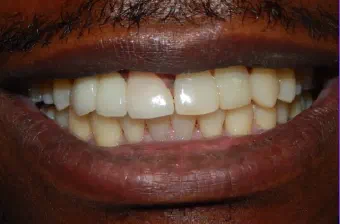
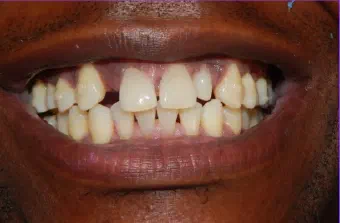
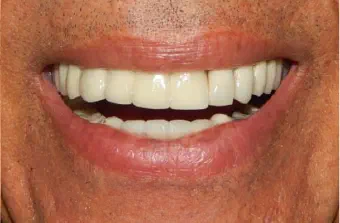
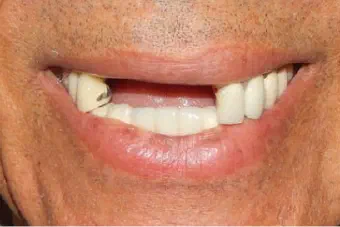
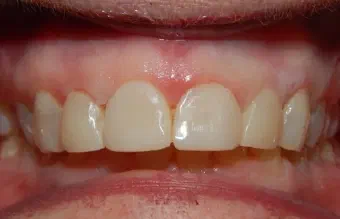
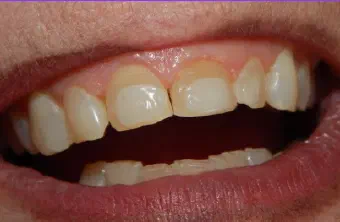
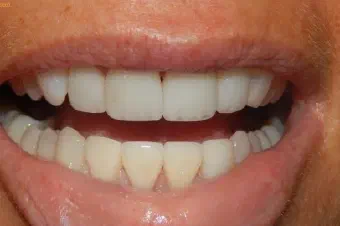
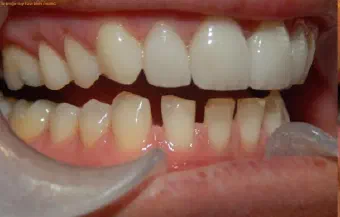
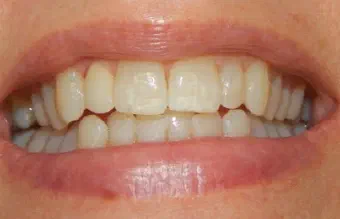
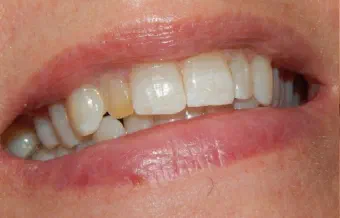
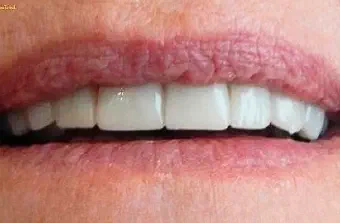
Drag the centre line to compare each real case treated by our dental team. Every smile begins with a personal assessment and a plan shaped around the patient.

Areas We Serve

Neighbourhood dental care, close to home.

Located in Cookstown, Innisfil, our dental team welcomes patients from communities across South Simcoe, Barrie, and northern York Region.

Get directions
  • Cookstown
  • Innisfil
  • Simcoe
  • Lake Simcoe
  • Alcona
  • Stroud
  • Lefroy–Belle Ewart
  • Gilford
  • Churchill
  • Sandy Cove
  • Innisfil Heights
  • Fennell’s Corners
  • Bradford
  • Bradford West Gwillimbury
  • Bond Head
  • Newton Robinson
  • New Tecumseth
  • Alliston
  • Beeton
  • Tottenham
  • Adjala–Tosorontio
  • Everett
  • Loretto
  • Barrie
  • Essa
  • Thornton
  • Baxter
  • Angus
  • Egbert
  • Ivy
  • Utopia
  • York Region
  • East Gwillimbury
  • Queensville
  • Holland Landing
  • Sharon
  • Schomberg
  • Nobleton

Don’t see your community listed? Contact us—we regularly welcome patients from throughout the surrounding region.

Google reviews

Kind words from our patients.

Read what patients have shared about their visits to Cookstown Dental Centre.

A dentist having a friendly consultation with a patient in a bright dental clinic

Your next step

Ready to feel good about your next dental visit?

Whether you are new to the clinic or returning for care, our team is here to make booking simple and answer your questions.

Call Book Now WhatsApp

How can we help?

The Cookstown Dental team is here for you.

Need an appointment, have a question, or want to talk through your options? Choose the next step that works best for you.

Send us a note

We’ll get back to you as soon as we can.