Cookstown Dental Centre
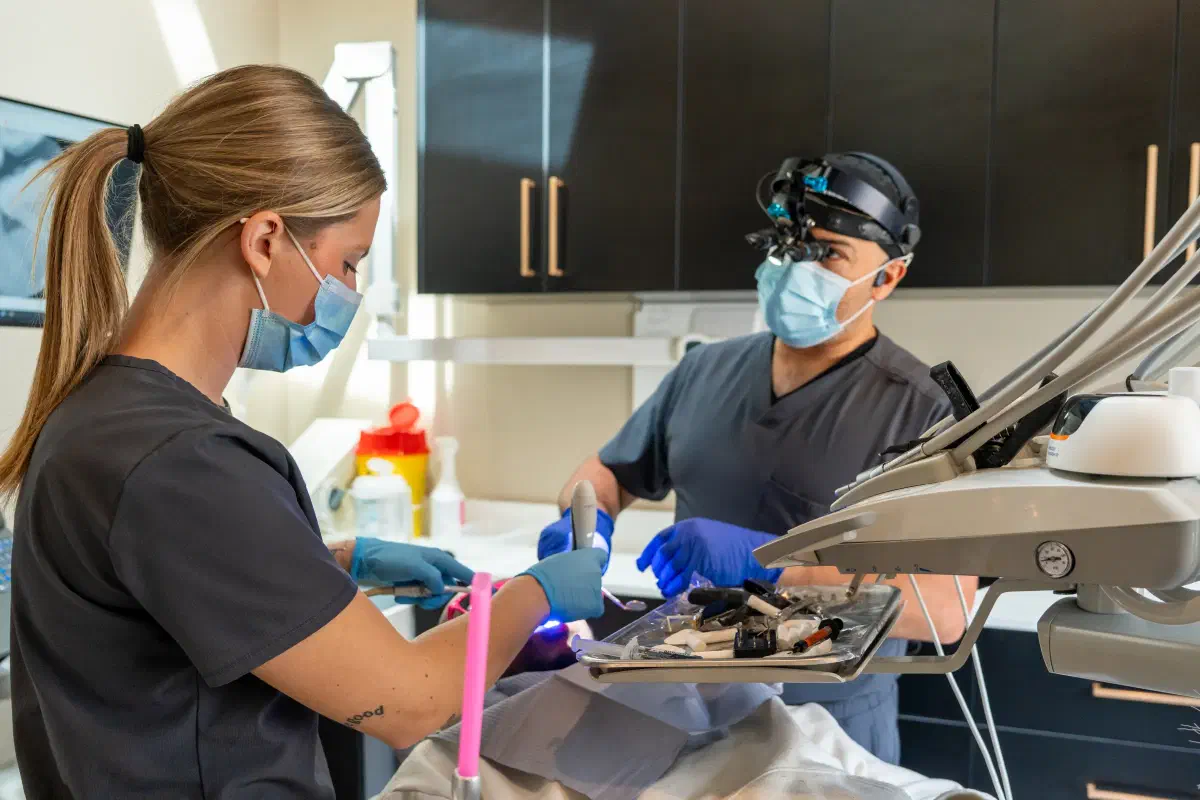
The Cookstown Dental Centre team caring for a patient in a treatment room

Cosmetic Dentistry · Cookstown

Refine a small edge without overlooking the enamel.

Enamel recontouring can smooth selected minor irregularities. Review suitable edge changes, irreversible enamel removal, and alternatives before treatment.

Request an appointment

Let’s find a time that works.

Need urgent dental help? Call (705) 291-2222.

Enamel Recontouring in Cookstown

A modest change needs a defined stopping point.

Enamel recontouring adjusts a small amount of the outer tooth surface to refine a suitable minor irregularity. It may be discussed for a slightly uneven edge or small shape concern, but it is not a way to correct every crowded tooth or restore lost length. Because removed enamel does not grow back, the assessment and the amount of change matter even when the procedure sounds simple.

At Cookstown Dental Centre, we discuss the exact edge you want changed and how it relates to neighbouring teeth and the bite. Recontouring is also called enamel reshaping or enameloplasty; this page focuses on planning a limited visible edge refinement. The decision includes whether leaving the tooth alone or adding material would be more appropriate than removing sound structure.

A dental cast showing front-tooth edges beside professional polishing instruments

Care that fits

Keep the proposed refinement small and specific.

The starting shape and available enamel set the limits. A photograph of a preferred smile cannot establish how much of your tooth can safely be altered.

A minor edge irregularity

A small uneven area may be suitable for controlled smoothing after examination. The dentist checks whether it is simply a surface feature or part of a chip, crack, or wear pattern. A rough feeling should be explained before it is assumed to need only a cosmetic polish.

A subtle difference in outline

A modest contour adjustment may affect how neighbouring edges look together. We discuss the intended outline and what must remain to preserve tooth structure and function. Shortening one tooth is not automatically preferable to rebuilding a shorter neighbour or addressing a positional difference.

A realistic endpoint

The aim should be a clearly defined refinement rather than repeated reduction until every tooth looks identical. Ask what amount of change is reasonable and which differences will remain. Natural tooth proportions and the bite can limit how closely the result can resemble a reference image.

What we consider

Check the tooth before altering the edge.

Small changes still rely on clinical information. We consider health, thickness, and function rather than making a decision from appearance alone.

Enamel and existing wear

The dentist assesses whether enough suitable enamel is present and whether wear has already reduced the edge. Thin, damaged, or exposed areas may make further reduction inappropriate. Tell us about sensitivity or previous reshaping so the proposal accounts for what the tooth has already experienced.

Biting contacts

Front teeth help guide and cut during function, and their contacts matter. We review how the proposed edge meets opposing teeth. A shape that looks appealing at rest may need reconsideration if shortening it would affect function or leave another area carrying an unsuitable load.

The cause of the concern

An edge that recently changed, keeps chipping, or feels painful may need investigation before cosmetic work. Mention grinding, injury, or habits involving hard objects. Understanding the cause helps distinguish a stable minor irregularity from a problem that would continue after the surface was refined.

Understanding the options

Consider removing, adding, or leaving the tooth alone.

Different approaches can sometimes produce a similar visual change with different consequences. The comparison should include maintenance and the amount of natural structure altered.

Recontouring and bonding

Recontouring removes a small amount of suitable surface; bonding adds tooth-coloured material. The desired length and shape determine which direction makes sense. A missing corner cannot be rebuilt by polishing adjacent enamel indefinitely, and an addition must also fit the bite and remain maintainable.

Observation or another assessment

A harmless irregularity may be left alone if the likely benefit does not justify altering the tooth. Position concerns may need orthodontic assessment instead. Choosing not to treat is a reasonable option when the proposed cosmetic change offers little advantage or requires more reduction than is appropriate.

Step by step

Agree on the edge, then check the result.

The clinician explains the planned area and technique before treatment. A limited procedure should still include an opportunity to ask about risks and alternatives.

  1. Confirm the outline

    We identify the exact surface and discuss the degree of refinement. Photographs or a mirror may help you understand the proposal. Ask what will remain unchanged and whether another option would preserve more structure before giving consent to an irreversible adjustment.

  2. Refine and polish

    For a suitable tooth, the dentist makes controlled adjustments and finishes the surface with appropriate instruments. The extent depends on the clinical findings and agreed plan. Do not attempt to copy the procedure with a household file or abrasive product; the amount and location of removal require professional assessment.

  3. Review comfort and function

    We check the finished outline and biting contacts and explain what to monitor. Report new or persistent sensitivity, discomfort, or an edge that still irritates the tongue. Continue routine care and discuss any further change before assuming that repeated recontouring is an unlimited option.

Frequently asked questions

Questions about enamel recontouring

Is recontouring different from enamel reshaping?

The terms commonly describe the same type of controlled enamel adjustment. This page focuses on minor edge refinement. The important distinction is what is proposed for your tooth, how much structure would be altered, and whether that change is appropriate.

Can it make a tooth longer?

No. Removing enamel cannot rebuild missing length. Bonding or another restoration may be considered where addition is needed. Sometimes changing neighbouring outlines affects appearance, but that should not be used to justify unnecessary reduction of healthy teeth.

Does enamel grow back afterward?

No. Enamel removed during recontouring is permanently lost. That is why suitability, available structure, and a clear endpoint need discussion before treatment. A small procedure still requires an informed decision about an irreversible change.

Can recontouring straighten crowded teeth?

It does not move tooth roots or provide orthodontic correction. A minor outline change may affect appearance, but crowding and bite concerns require their own assessment. Ask whether orthodontic treatment or leaving the teeth alone would better fit the concern.

Will it cause sensitivity?

Suitability and the amount of adjustment influence risk. Tell the dentist about existing sensitivity and previous enamel changes. New or persistent symptoms after treatment should be reviewed; no procedure should be presented as having zero risk for every tooth.

Can I file a rough edge myself?

No. A rough edge may be a fracture or another problem, and home filing can remove too much structure or alter the bite. Contact the clinic for assessment rather than using nail files, sandpaper, or other household abrasives.

What if I want more reshaping later?

A new assessment is needed. Previous reduction changes what enamel remains, and further adjustment may not be appropriate. Discuss the reason for the additional change and alternatives instead of assuming repeated reshaping can continue without limits.

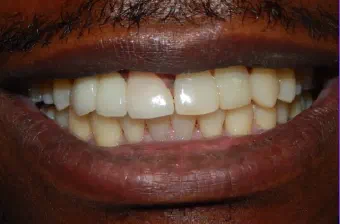
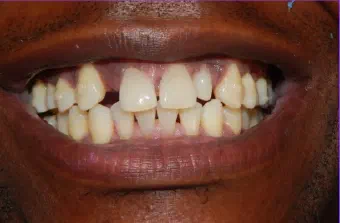
Real patient results

Before & after smile gallery.

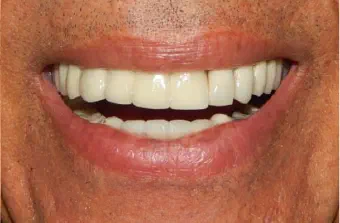
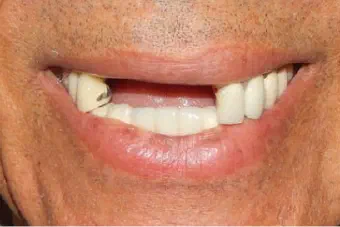
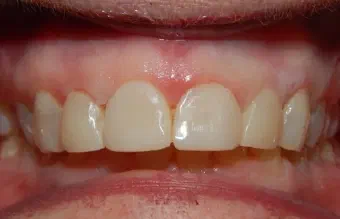
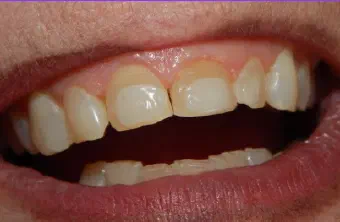
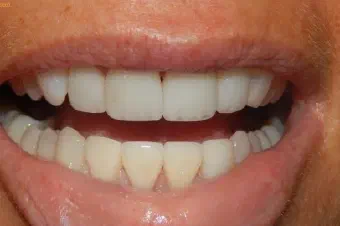
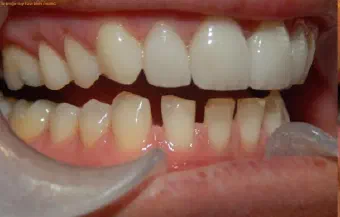
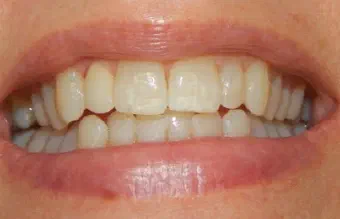
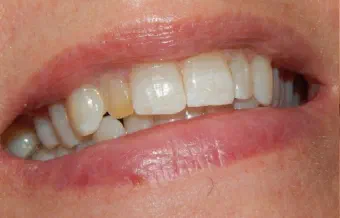
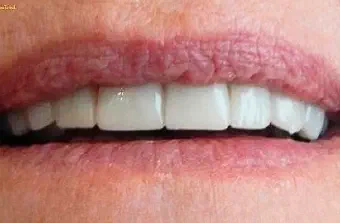
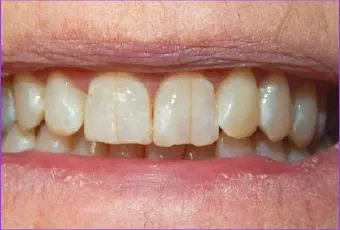
Drag the centre line to compare each real case treated by our dental team. Every smile begins with a personal assessment and a plan shaped around the patient.

Areas We Serve

Neighbourhood dental care, close to home.

Located in Cookstown, Innisfil, our dental team welcomes patients from communities across South Simcoe, Barrie, and northern York Region.

Get directions
  • Cookstown
  • Innisfil
  • Simcoe
  • Lake Simcoe
  • Alcona
  • Stroud
  • Lefroy–Belle Ewart
  • Gilford
  • Churchill
  • Sandy Cove
  • Innisfil Heights
  • Fennell’s Corners
  • Bradford
  • Bradford West Gwillimbury
  • Bond Head
  • Newton Robinson
  • New Tecumseth
  • Alliston
  • Beeton
  • Tottenham
  • Adjala–Tosorontio
  • Everett
  • Loretto
  • Barrie
  • Essa
  • Thornton
  • Baxter
  • Angus
  • Egbert
  • Ivy
  • Utopia
  • York Region
  • East Gwillimbury
  • Queensville
  • Holland Landing
  • Sharon
  • Schomberg
  • Nobleton

Don’t see your community listed? Contact us—we regularly welcome patients from throughout the surrounding region.

Google reviews

Kind words from our patients.

Read what patients have shared about their visits to Cookstown Dental Centre.

A dentist having a friendly consultation with a patient in a bright dental clinic

Your next step

Ready to feel good about your next dental visit?

Whether you are new to the clinic or returning for care, our team is here to make booking simple and answer your questions.

Call Book Now WhatsApp

How can we help?

The Cookstown Dental team is here for you.

Need an appointment, have a question, or want to talk through your options? Choose the next step that works best for you.

Send us a note

We’ll get back to you as soon as we can.