Cookstown Dental Centre
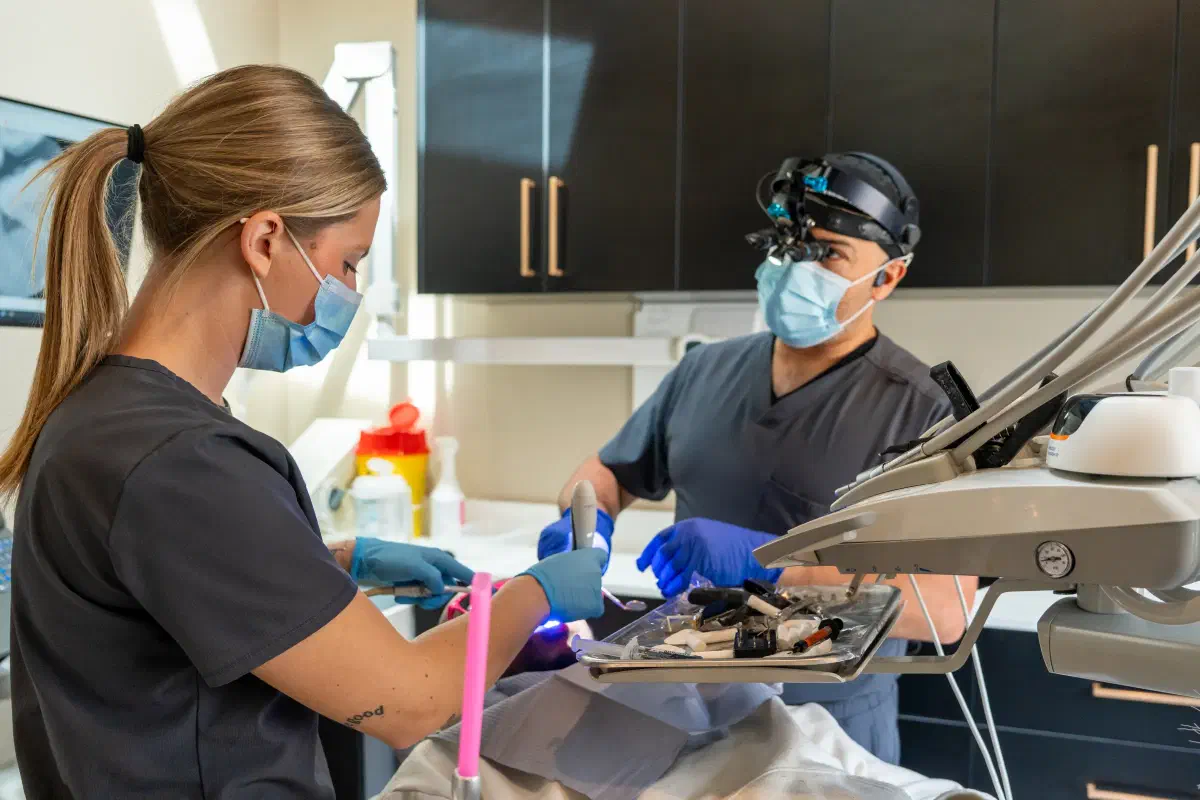
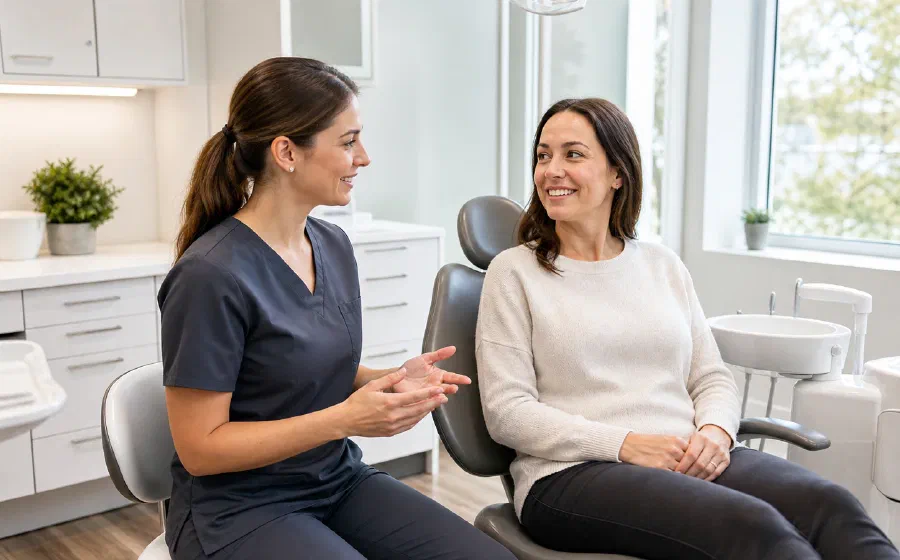
The Cookstown Dental Centre team caring for a patient in a treatment room

Specialized Care · Cookstown

Assess facial muscle pain without assuming every ache comes from the bite.

Facial muscle pain assessment reviews symptoms, jaw function, and dental causes. Clarify conservative options and when medical or specialist input is needed.

Request an appointment

Let’s find a time that works.

Need urgent dental help? Call (705) 291-2222.

Facial Muscle Pain Assessment in Cookstown

Pain felt near the chewing muscles still needs a careful differential assessment.

Aching in the cheeks, temples, or jaw muscles can affect eating, speaking, and comfort during the day. It may relate to muscle overuse or a temporomandibular disorder, but dental, neurological, headache, and other conditions can also cause pain in the face. The location alone does not establish which tissue is responsible.

At Cookstown Dental Centre, we ask about the pattern, triggers, duration, and associated symptoms, then examine relevant teeth, tissues, and jaw function. The aim is to identify findings that support a working diagnosis and avoid unnecessary dental treatment when the source may lie elsewhere. Conservative guidance, monitoring, or referral may be appropriate. Permanent changes to the teeth or bite should not be offered as a routine cure for unexplained facial muscle pain.
A patient indicating facial muscle discomfort while a dentist listens

Planning together

Describe the pain in a way that helps distinguish possible causes.

The timing and quality often matter as much as where you feel it.

Aching, fatigue, or pain during jaw use

Explain whether symptoms build during chewing, follow long conversations, or appear after sustained concentration. Mention morning stiffness and any awareness of clenching. These details can suggest a muscle-related pattern, but they do not replace examination of teeth and other possible sources.

Sharp episodes or symptoms beyond the muscles

Describe electric-shock-like pain, numbness, headaches, ear symptoms, or pain triggered by light touch. These features may point toward another assessment pathway. Do not assume a painful area needs a filling or bite adjustment simply because it is close to the teeth.

What we consider

Examine the muscles within the wider facial-pain picture.

A dental assessment should identify both relevant findings and limits.

Tenderness and jaw movement

The clinician assesses comfortable opening, movement, and muscle or joint tenderness as appropriate. Findings are interpreted with your history rather than used as proof from one tender spot. Forceful attempts to reproduce pain are not something you should practise at home to identify the source.

Teeth, gums, and restorations

Cracks, pulp conditions, infection, or an unsuitable restoration can cause pain that feels broader than one tooth. Relevant tests and images help evaluate these possibilities. A muscle complaint should not automatically exclude a dental cause, but normal dental findings should also discourage unsupported irreversible treatment.

Medical history and associated conditions

Headaches, widespread pain, sleep concerns, medications, and previous injuries can influence the assessment. The dentist may recommend medical or specialist input where the pattern warrants it. Coordination is useful when several conditions overlap rather than trying to explain every symptom through one dental label.

Good to know

Understand what should not be promised from a dental intervention.

A clear limit is part of an informed treatment discussion.

A guard is not a universal facial-pain cure

An appliance may be considered for a defined protective or conservative purpose in selected cases, but evidence for TMD pain improvement is limited. It needs a review plan. Pain or a persistent bite change during use should prompt reassessment rather than increasingly forceful adjustment or indefinite continuation.

Permanent bite changes need their own indication

Grinding teeth, placing crowns, or moving teeth is not a general treatment for TMD or unexplained muscle pain. A separate restorative problem can still need care, but the purpose must be explicit. Ask for the evidence, alternatives, and risks before an irreversible proposal aimed mainly at facial symptoms.

Step by step

Use follow-up to test the working explanation.

The response and any new features can change the next step.

  1. Agree on the goals and review point

    The provider explains what the findings suggest, what remains uncertain, and which change would count as useful progress. Goals may include more comfortable function rather than a promise of immediate complete pain relief. A review date helps prevent conservative care from becoming an unexamined long-term instruction.

  2. Track relevant changes without constant checking

    A brief record of triggers, function, and response to the agreed measures may be useful. Avoid repeatedly pressing on muscles or forcing movements to test them. Bring observations to review so the plan can be refined using ordinary experience rather than self-provoked pain.

  3. Escalate new or concerning symptoms

    Sudden severe headache, new facial weakness or other neurological symptoms, significant swelling, fever, or symptoms after major injury need urgent medical assessment. Persistent pain without those signs still deserves follow-up. A previous muscle-pain explanation should not be used to dismiss a new pattern.

Frequently asked questions

Questions about facial muscle pain assessment

Does cheek or temple pain always come from jaw muscles?

No. Teeth, joints, headaches, nerve conditions, and other sources can produce pain in those areas. The history and examination help distinguish possibilities. The location alone should not lead to a diagnosis or an irreversible dental procedure.

Can clenching contribute to the discomfort?

It can be relevant in some cases, particularly when symptoms relate to sustained jaw activity. Other causes still need assessment. A clenching history should inform the plan without being used to explain every sharp pain, numb area, or headache automatically.

Will I need scans of the jaw?

Not always. Imaging is selected according to the clinical question and findings. Some muscle-related concerns can be assessed initially through history and examination, while other patterns need additional investigation. The provider should explain what a proposed image is expected to clarify.

Should my teeth be adjusted to relieve facial pain?

Permanent bite adjustment is not a routine treatment for unexplained facial muscle pain or TMD. A specific restoration issue may need focused care, but broad irreversible changes require a separate justification. Ask about conservative options and diagnostic uncertainty first.

Can a nightguard help?

It may be considered for a defined purpose in selected cases, especially when tooth protection is also relevant. It is not a guaranteed pain cure. Fit, symptoms, and any unwanted bite changes need review, and a device causing pain should be reassessed.

Why might the dentist suggest medical assessment?

The pattern may suggest a headache disorder, neuralgic pain, sleep issue, or another condition outside a purely dental explanation. Referral helps avoid treating healthy teeth for a non-dental source. It can also support coordinated care when more than one problem is present.

What should make me seek urgent help?

New neurological symptoms, sudden severe headache, significant swelling or fever, or symptoms after major head or facial injury need urgent medical evaluation. Do not assume they are part of an existing muscle-pain condition. For persistent less acute symptoms, arrange the recommended follow-up.

Real patient results

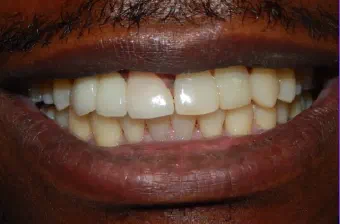
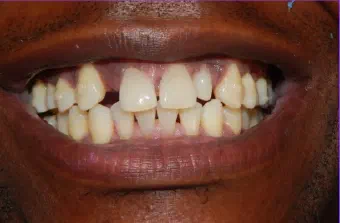
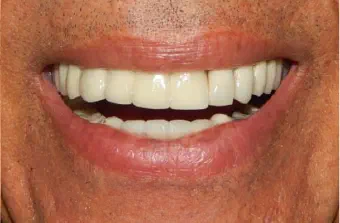
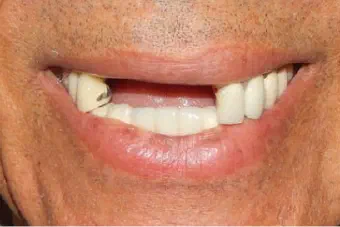
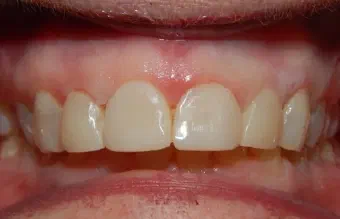
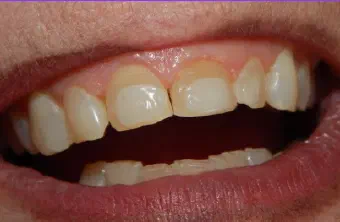
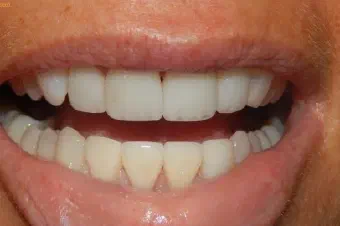
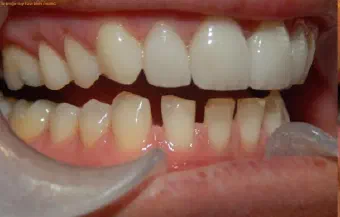
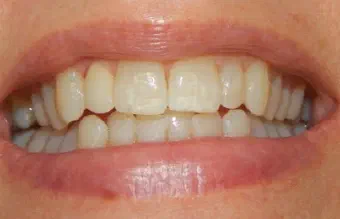
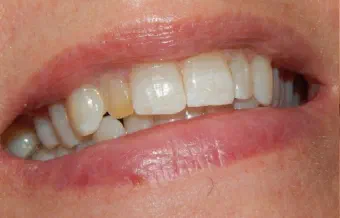
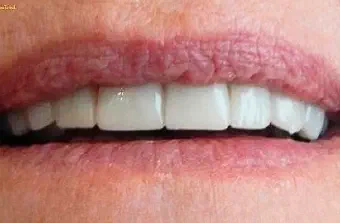
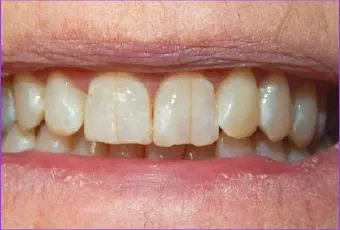
Before & after smile gallery.

Drag the centre line to compare each real case treated by our dental team. Every smile begins with a personal assessment and a plan shaped around the patient.

Areas We Serve

Neighbourhood dental care, close to home.

Located in Cookstown, Innisfil, our dental team welcomes patients from communities across South Simcoe, Barrie, and northern York Region.

Get directions
  • Cookstown
  • Innisfil
  • Simcoe
  • Lake Simcoe
  • Alcona
  • Stroud
  • Lefroy–Belle Ewart
  • Gilford
  • Churchill
  • Sandy Cove
  • Innisfil Heights
  • Fennell’s Corners
  • Bradford
  • Bradford West Gwillimbury
  • Bond Head
  • Newton Robinson
  • New Tecumseth
  • Alliston
  • Beeton
  • Tottenham
  • Adjala–Tosorontio
  • Everett
  • Loretto
  • Barrie
  • Essa
  • Thornton
  • Baxter
  • Angus
  • Egbert
  • Ivy
  • Utopia
  • York Region
  • East Gwillimbury
  • Queensville
  • Holland Landing
  • Sharon
  • Schomberg
  • Nobleton

Don’t see your community listed? Contact us—we regularly welcome patients from throughout the surrounding region.

Google reviews

Kind words from our patients.

Read what patients have shared about their visits to Cookstown Dental Centre.

A dentist having a friendly consultation with a patient in a bright dental clinic

Your next step

Ready to feel good about your next dental visit?

Whether you are new to the clinic or returning for care, our team is here to make booking simple and answer your questions.

Call Book Now WhatsApp

How can we help?

The Cookstown Dental team is here for you.

Need an appointment, have a question, or want to talk through your options? Choose the next step that works best for you.

Send us a note

We’ll get back to you as soon as we can.