Cookstown Dental Centre
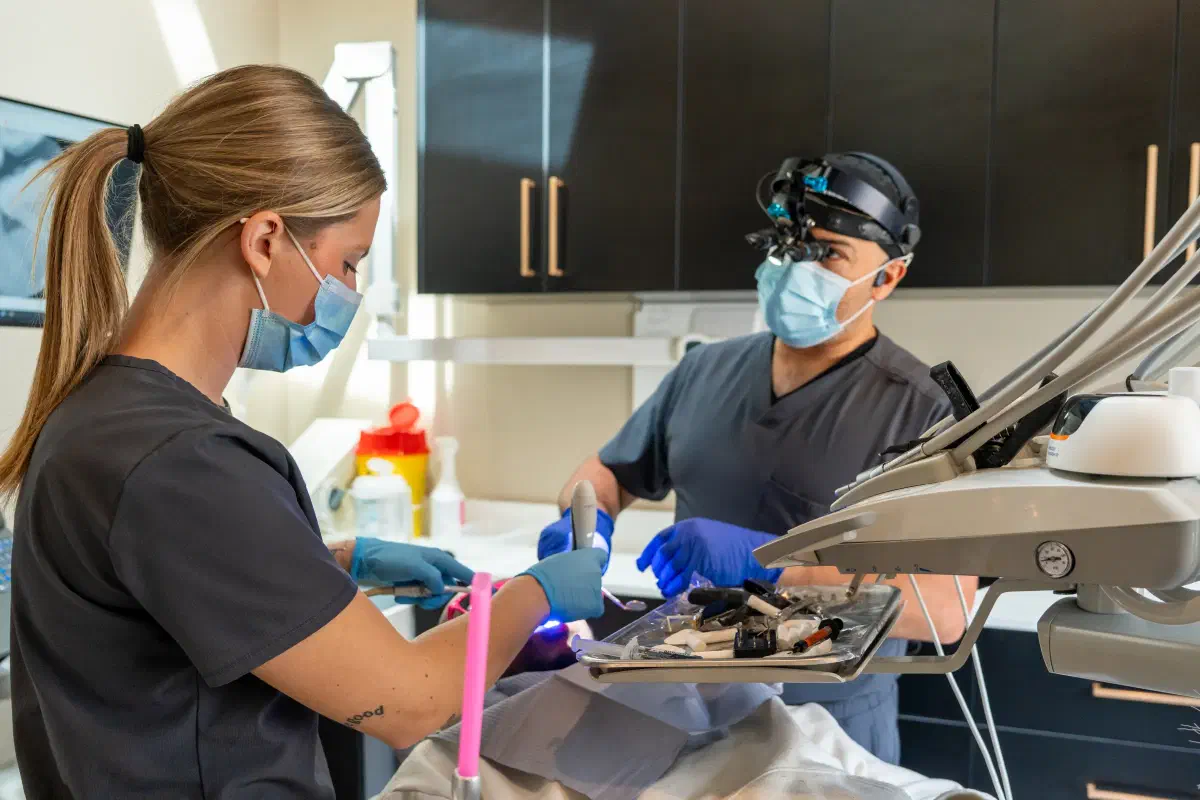
The Cookstown Dental Centre team caring for a patient in a treatment room

Cosmetic Dentistry · Cookstown

Close a gap without losing sight of tooth proportions.

Gap closure with dental bonding adds resin to suitable tooth edges. Consider space size, symmetry, bite, cleaning, and alternatives before changing the smile.

Request an appointment

Let’s find a time that works.

Need urgent dental help? Call (705) 291-2222.

Gap Closure with Dental Bonding in Cookstown

Adding width can reduce a space, but the cause still matters.

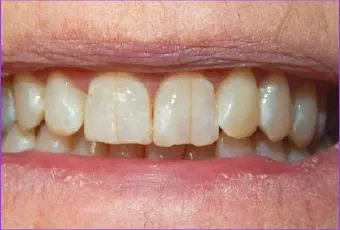
A space between front teeth may be a natural feature, a longstanding concern, or a recent change. Composite bonding can reduce selected gaps by adding tooth-coloured material to neighbouring surfaces. The available space, shape of the teeth, bite, and gum health determine whether that addition would produce a proportionate, maintainable result.

At Cookstown Dental Centre, we discuss whether you want complete closure or a smaller reduction that preserves the character of your smile. We also assess why the gap exists and whether it is stable. Tooth movement, missing teeth, or gum changes can require a different approach. Bonding should be compared with orthodontic and other options before added width becomes the default answer.
A dentist demonstrating a front-tooth space on a dental model to a patient

What we consider

Assess the gap as part of the whole smile.

The measurement between two teeth is only one part of the decision. We consider what closing the space would do to the teeth and their surroundings.

Space size and distribution

A single small gap differs from several spaces or a wider opening related to a missing or undersized tooth. Adding material changes the width of the treated teeth. The dentist assesses whether the new proportions would fit the smile and whether several coordinated changes would be needed to avoid an oversized appearance.

Bite and tooth position

Tilted or rotated teeth can create a space that bonding may only disguise. Biting contacts also affect the shape and durability of added material. We explain whether a position change or orthodontic opinion should be considered before deciding that direct additions alone can address the concern.

Stability and tissue health

A gap that recently opened or is getting larger needs investigation. Gum inflammation, tooth movement, or other changes may affect the plan. Tell us when you first noticed the space and whether food trapping or bleeding accompanies it, rather than assuming a cosmetic closure is the only issue.

Care that fits

Plan the shape you would actually wear.

The proposed result should look balanced and allow normal function. A smaller improvement may sometimes fit better than eliminating every visible space.

Width and symmetry

We consider how the added width would be shared between teeth and whether the outlines should remain naturally different. A mirror, photograph, or trial shape may help the discussion. Ask what the proposal would look like across the smile rather than judging only the disappearance of the gap.

Contacts and cleaning access

The new contact needs a shape that supports hygiene and does not create an avoidable food trap. We discuss how floss or another suitable tool would pass through the area. A closed-looking space is not a successful endpoint if the surfaces become difficult or uncomfortable to clean.

Shade and surface character

Composite is selected to blend with the surrounding teeth, including their natural colour variation. Mention whitening or other restoration plans beforehand. A larger addition can make shade and translucency more noticeable, so the expected match and future polishing needs deserve discussion before treatment.

The appointment

From a proposed outline to bonded contacts.

The exact appointment depends on the number of teeth and the condition of the surfaces. We explain each stage and any preparation required.

  1. Review the options

    The dentist assesses the gap and discusses bonding alongside reasonable alternatives. You can ask about duration, preparation, maintenance, and the possibility of a partial reduction. The plan should identify which teeth would be altered and whether another concern needs attention before cosmetic work begins.

  2. Place and shape the material

    For suitable surfaces, the clinician prepares the teeth as needed and builds the agreed contours with composite. Moisture control and the placement technique matter to the repair. We explain comfort measures and appointment demands without promising that every gap can be closed in an identical way.

  3. Check the finished contacts

    The surfaces are finished and polished, and the bite and cleaning access are reviewed. Practise the cleaning technique if helpful. Tell us if the area catches floss, feels bulky, or changes the way you bite so those concerns can be assessed rather than accepted because the gap looks smaller.

Understanding the options

Keep movement and restoration as separate choices.

Bonding adds shape; orthodontic treatment changes position. Comparing them helps clarify which parts of your concern each option can address.

When addition may be appropriate

Selected stable gaps with suitable tooth proportions and bite may be addressed with bonding. The expected benefit should be balanced with staining, wear, and repair needs over time. The clinician explains the limits rather than describing the material as a permanent closure that can never change.

When alignment deserves consideration

A larger distribution or position problem may benefit from orthodontic assessment, sometimes followed by small restorative additions. Movement also requires time, supervision, and retention. Ask what each approach would leave unresolved and whether a coordinated plan would create a more manageable result for your mouth.

Frequently asked questions

Questions about gap closure with dental bonding

Can bonding close a large gap?

Not every gap suits an additive approach. A large space may make the teeth look too wide if filled entirely with resin. The dentist considers proportions, position, bite, and alternatives before recommending complete or partial closure.

Will both teeth need bonding?

Sometimes the shape is shared between neighbouring teeth, but the plan depends on their existing proportions and the space. Ask which surfaces would be changed and why. Treating both teeth should have a clear purpose rather than be an automatic rule.

Is bonding better than aligners for a gap?

Neither is universally better. Bonding changes tooth shape, while aligners move teeth within an orthodontic plan. The cause of the space and the condition of the bite determine which approach, combination, or alternative is reasonable.

What if the gap has only recently appeared?

Arrange an assessment before treating it as a cosmetic issue. New spacing can reflect changes in tooth position or supporting tissues. Tell the dentist when it began and whether there is bleeding, looseness, pain, or food trapping.

Can I keep a small gap instead of closing it fully?

Yes, that preference can be part of planning if treatment is otherwise appropriate. A partial reduction may also suit the proportions better in some cases. Discuss the intended endpoint before material is placed.

Will I still be able to floss?

A planned contact should allow an appropriate cleaning method. Ask for a demonstration after treatment. If floss repeatedly catches, shreds, or cannot be used as instructed, contact the clinic for review instead of abandoning between-teeth cleaning.

Can the gap return later?

Tooth position, gums, and composite can change over time. Regular reviews help identify the cause of a new space or worn edge. Bonding does not eliminate the possibility of future tooth movement or the need for maintenance.

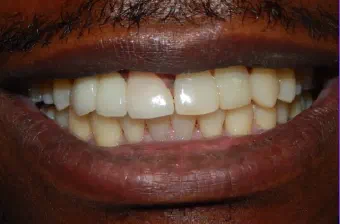
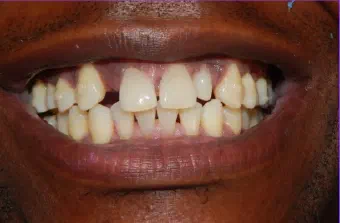
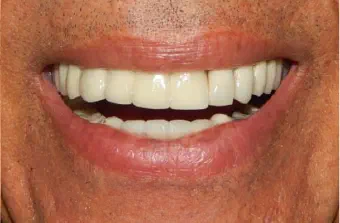
Real patient results

Before & after smile gallery.

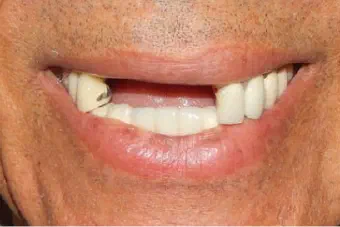
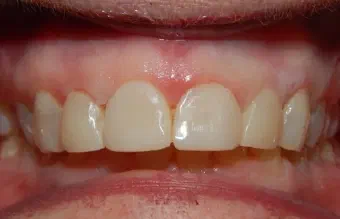
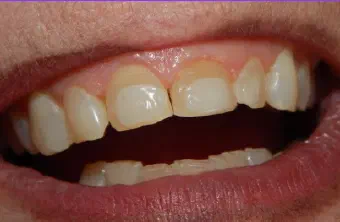
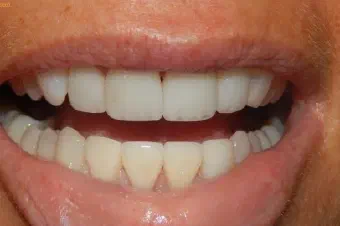
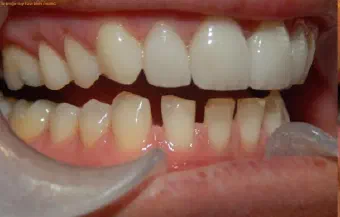
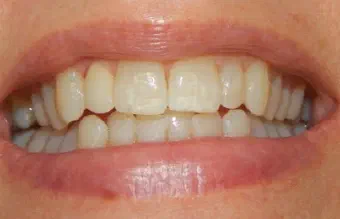
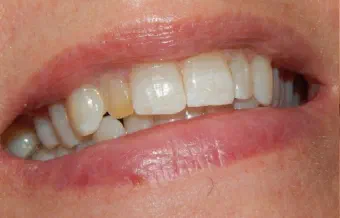
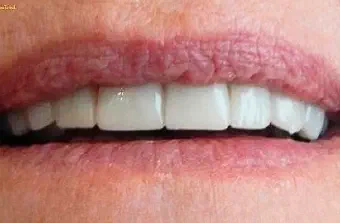
Drag the centre line to compare each real case treated by our dental team. Every smile begins with a personal assessment and a plan shaped around the patient.

Areas We Serve

Neighbourhood dental care, close to home.

Located in Cookstown, Innisfil, our dental team welcomes patients from communities across South Simcoe, Barrie, and northern York Region.

Get directions
  • Cookstown
  • Innisfil
  • Simcoe
  • Lake Simcoe
  • Alcona
  • Stroud
  • Lefroy–Belle Ewart
  • Gilford
  • Churchill
  • Sandy Cove
  • Innisfil Heights
  • Fennell’s Corners
  • Bradford
  • Bradford West Gwillimbury
  • Bond Head
  • Newton Robinson
  • New Tecumseth
  • Alliston
  • Beeton
  • Tottenham
  • Adjala–Tosorontio
  • Everett
  • Loretto
  • Barrie
  • Essa
  • Thornton
  • Baxter
  • Angus
  • Egbert
  • Ivy
  • Utopia
  • York Region
  • East Gwillimbury
  • Queensville
  • Holland Landing
  • Sharon
  • Schomberg
  • Nobleton

Don’t see your community listed? Contact us—we regularly welcome patients from throughout the surrounding region.

Google reviews

Kind words from our patients.

Read what patients have shared about their visits to Cookstown Dental Centre.

A dentist having a friendly consultation with a patient in a bright dental clinic

Your next step

Ready to feel good about your next dental visit?

Whether you are new to the clinic or returning for care, our team is here to make booking simple and answer your questions.

Call Book Now WhatsApp

How can we help?

The Cookstown Dental team is here for you.

Need an appointment, have a question, or want to talk through your options? Choose the next step that works best for you.

Send us a note

We’ll get back to you as soon as we can.