Cookstown Dental Centre
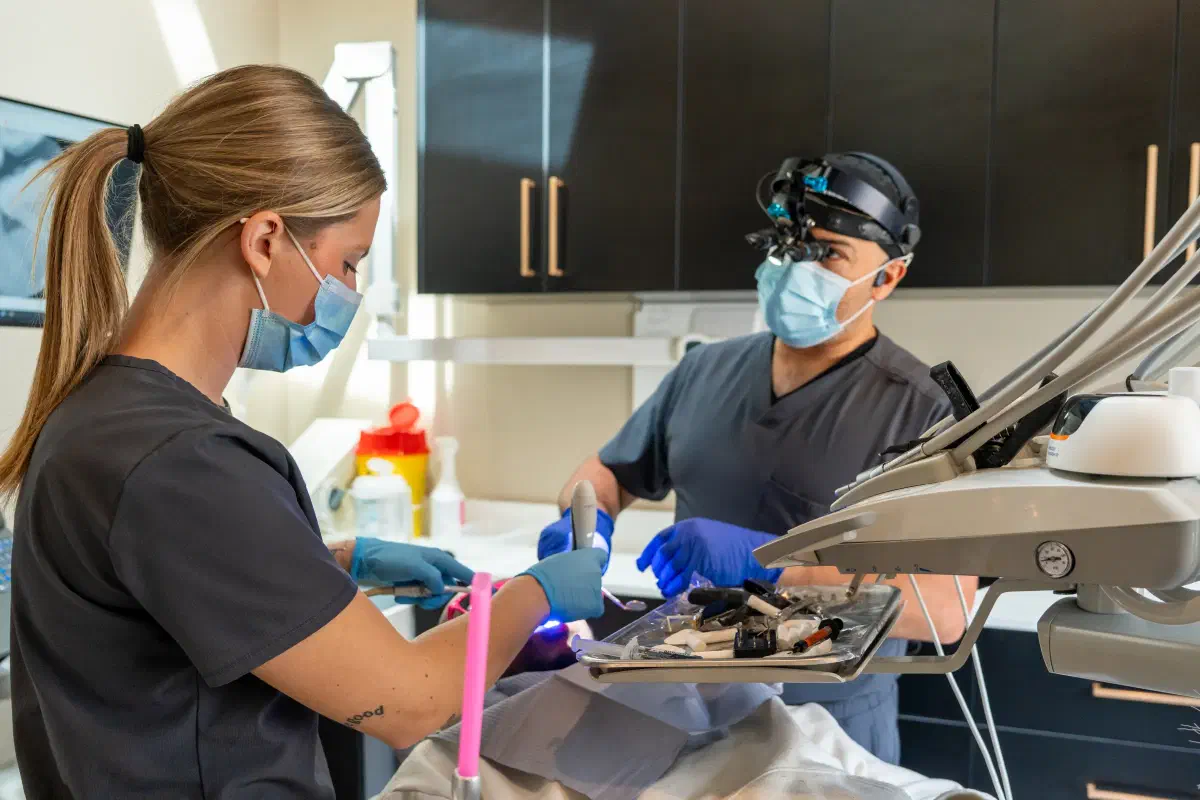
The Cookstown Dental Centre team caring for a patient in a treatment room

Specialized Care · Cookstown

Treat gum inflammation before assuming it is just normal bleeding.

Gingivitis care focuses on inflammation, deposits, and practical daily cleaning. Learn how it differs from periodontitis and why the response needs review.

Request an appointment

Let’s find a time that works.

Need urgent dental help? Call (705) 291-2222.

Gingivitis Treatment in Cookstown

Healthy-looking teeth can still be surrounded by inflamed gums.

Gingivitis is inflammation of the gums, commonly associated with plaque buildup. It can cause redness, swelling, or bleeding during cleaning, and may occur without significant pain. A diagnosis of gingivitis is different from periodontitis, which involves loss of supporting attachment and bone. The distinction needs examination rather than being made from how red the gums look.

At Cookstown Dental Centre, we assess the gum condition, deposits, cleaning access, and relevant health or medication factors. Treatment often centres on professional removal of deposits where needed and a home routine that reaches the affected surfaces effectively. The plan should include review of the response. Improvement is possible, but ongoing care matters because inflammation can recur when the conditions that contributed to it return.

A hygienist demonstrating gentle gumline brushing with a model to a patient

What we consider

Confirm that the findings fit gingivitis.

The assessment looks for both inflammation and evidence of deeper support problems.

Bleeding, swelling, and plaque-retaining areas

The clinician examines where inflammation occurs and whether deposits, crowded contacts, or restoration contours make cleaning difficult. A specific area may need a different method or a local correction. The diagnosis should not become a general criticism of brushing effort without identifying the actual access problem.

Attachment and bone support

Periodontal measurements and images when indicated help distinguish gingivitis from disease affecting support. Previous records may also be relevant. A patient can have a history of periodontitis and current gum inflammation, so treatment planning should take the wider history into account rather than rely only on today’s surface appearance.

Medication, hormonal, and health context

Changes in health or medicines can influence gum findings and management. Tell the team about relevant changes without stopping prescribed treatment yourself. If the pattern is unusual or persists despite appropriate care, the clinician may need to reconsider the cause or coordinate further assessment.

Care that fits

Make professional care and home cleaning work together.

Removing deposits and changing access address different parts of the same problem.

Remove material that home brushing cannot manage

Professional cleaning can remove calculus and address deposits according to the clinical findings. The scope should fit the diagnosis. Gingivitis does not automatically mean the same below-gum treatment used for established periodontal support loss, and the provider should explain what care is indicated.

Demonstrate a routine for the actual gumline

The dental team can show brushing and interdental methods matched to your teeth, restorations, and dexterity. Technique matters as well as frequency. If a tool is painful or cannot reach a space, ask for another approach rather than abandon the area or use increasing force.

Practical guidance

Keep daily care gentle, consistent, and specific.

A manageable routine is more useful than an intensive effort that cannot be maintained.

Clean through minor inflammatory bleeding with guidance

Avoiding an inflamed area can allow plaque to remain, but aggressive scrubbing can cause injury. Ask how to clean gently and effectively and which bleeding pattern needs reassessment. Significant spontaneous bleeding or other unusual symptoms should not be treated as an expected part of starting a new routine.

Use adjunctive products only for a clear role

A rinse or other product may be recommended in selected situations, with instructions about purpose and duration. It does not replace mechanical cleaning or professional assessment. A fresh taste or temporary reduction in bleeding should not be used alone to judge whether inflammation is resolved.

Understanding the options

Distinguish resolving inflammation from a need for further investigation.

The response should guide the next step.

A suitable response to initial care

Reduced inflammatory findings and improved cleaning access can support a preventive follow-up plan. The clinician still considers risk and previous periodontal history. The goal is to maintain health rather than assume that a single successful cleaning permanently removes the possibility of gum inflammation.

Persistent or unexpected findings

Continued bleeding, swelling, ulcers, or a localized area that does not respond needs reassessment. The cause may involve remaining deposits, an access problem, another diagnosis, or a health-related factor. Repeating the same product recommendation without examining the reason for persistence is not enough.

The appointment

Review the improvement and plan prevention around your needs.

Follow-up provides an opportunity to make the routine sustainable.

  1. Document the starting condition

    The team records the distribution and relevant findings so change can be assessed. Ask what improvement is expected and when review is recommended. This helps distinguish a monitored treatment plan from an instruction to return only when the gums become painful.

  2. Check technique and tissue response

    At review, discuss which parts of the routine are manageable and which remain difficult. The clinician reassesses inflammation and other findings. Adjustments to tools, professional care, or the diagnosis may be needed if the expected response has not occurred.

  3. Maintain a risk-based recall plan

    The interval reflects the gum history, health factors, deposits, and ability to clean effectively. New symptoms should be reported sooner than the routine date. Prevention can be revised as medications, restorations, or dexterity change rather than assume one set of instructions suits the mouth permanently.

Frequently asked questions

Questions about gingivitis treatment

Is gingivitis the same as periodontitis?

No. Gingivitis involves gum inflammation, while periodontitis includes loss of supporting attachment and bone. Examination and appropriate records help distinguish them. Redness or bleeding alone does not show the extent of disease or the treatment required.

Can gingivitis improve with treatment?

Plaque-related gingivitis can improve when deposits and effective daily cleaning are addressed. The response should be reviewed, and ongoing care helps prevent recurrence. A promise of permanent cure after one cleaning would overlook the conditions that can cause inflammation to return.

Why do my gums bleed if they do not hurt?

Inflammation can be present without noticeable pain. Bleeding is a reason for assessment and cleaning guidance rather than reassurance that nothing is wrong because the area feels comfortable. Other causes may also need consideration according to the pattern and history.

Do I need deep cleaning for gingivitis?

The scope follows the diagnosis and deposit findings. Not every case requires the same treatment as periodontitis. The clinician should explain what professional cleaning is recommended and whether any evidence of deeper support loss changes the plan.

Can mouthwash replace floss or interdental cleaning?

A rinse may be an adjunct for a specific purpose, but it does not replace reaching plaque-retaining surfaces appropriately. Ask which interdental method suits your spaces and ability. A product should support a workable routine rather than substitute for access.

What if one area stays swollen after cleaning?

Arrange reassessment. A local deposit, restoration problem, injury, or another condition may contribute, and the diagnosis may need review. Persistent swelling should not be managed indefinitely by simply changing products or brushing harder without examining the area.

How often should I return for care?

The interval depends on your gum history, risk factors, deposits, and home-care needs. The provider recommends a schedule and any earlier reassessment after treatment. Contact the clinic sooner for new or worsening symptoms rather than wait automatically for a routine date.

Real patient results

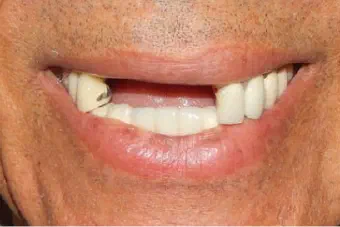
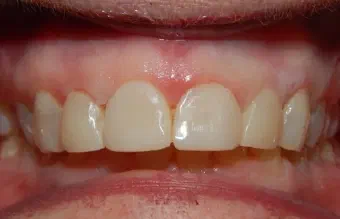
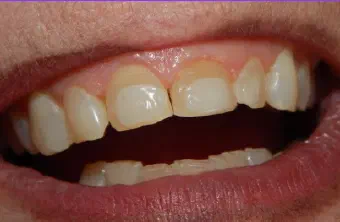
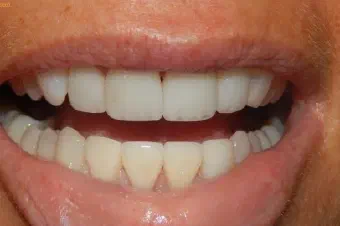
Before & after smile gallery.

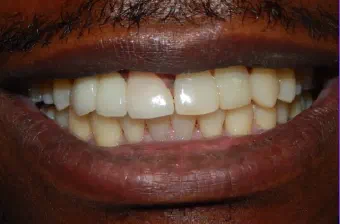
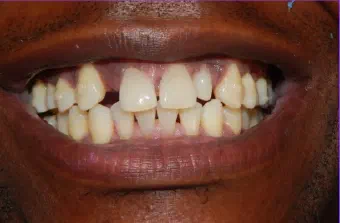
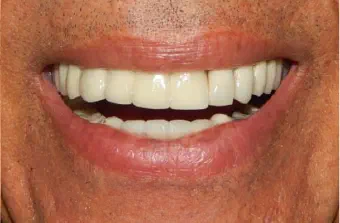
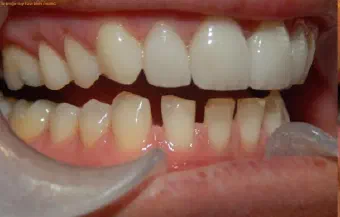
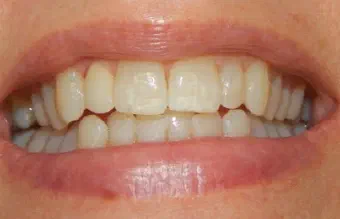
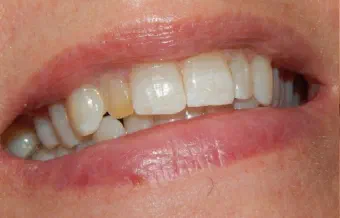
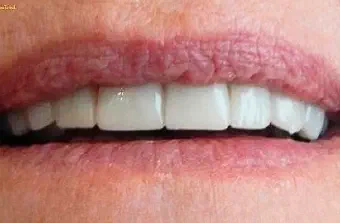
Drag the centre line to compare each real case treated by our dental team. Every smile begins with a personal assessment and a plan shaped around the patient.

Areas We Serve

Neighbourhood dental care, close to home.

Located in Cookstown, Innisfil, our dental team welcomes patients from communities across South Simcoe, Barrie, and northern York Region.

Get directions
  • Cookstown
  • Innisfil
  • Simcoe
  • Lake Simcoe
  • Alcona
  • Stroud
  • Lefroy–Belle Ewart
  • Gilford
  • Churchill
  • Sandy Cove
  • Innisfil Heights
  • Fennell’s Corners
  • Bradford
  • Bradford West Gwillimbury
  • Bond Head
  • Newton Robinson
  • New Tecumseth
  • Alliston
  • Beeton
  • Tottenham
  • Adjala–Tosorontio
  • Everett
  • Loretto
  • Barrie
  • Essa
  • Thornton
  • Baxter
  • Angus
  • Egbert
  • Ivy
  • Utopia
  • York Region
  • East Gwillimbury
  • Queensville
  • Holland Landing
  • Sharon
  • Schomberg
  • Nobleton

Don’t see your community listed? Contact us—we regularly welcome patients from throughout the surrounding region.

Google reviews

Kind words from our patients.

Read what patients have shared about their visits to Cookstown Dental Centre.

A dentist having a friendly consultation with a patient in a bright dental clinic

Your next step

Ready to feel good about your next dental visit?

Whether you are new to the clinic or returning for care, our team is here to make booking simple and answer your questions.

Call Book Now WhatsApp

How can we help?

The Cookstown Dental team is here for you.

Need an appointment, have a question, or want to talk through your options? Choose the next step that works best for you.

Send us a note

We’ll get back to you as soon as we can.