Cookstown Dental Centre
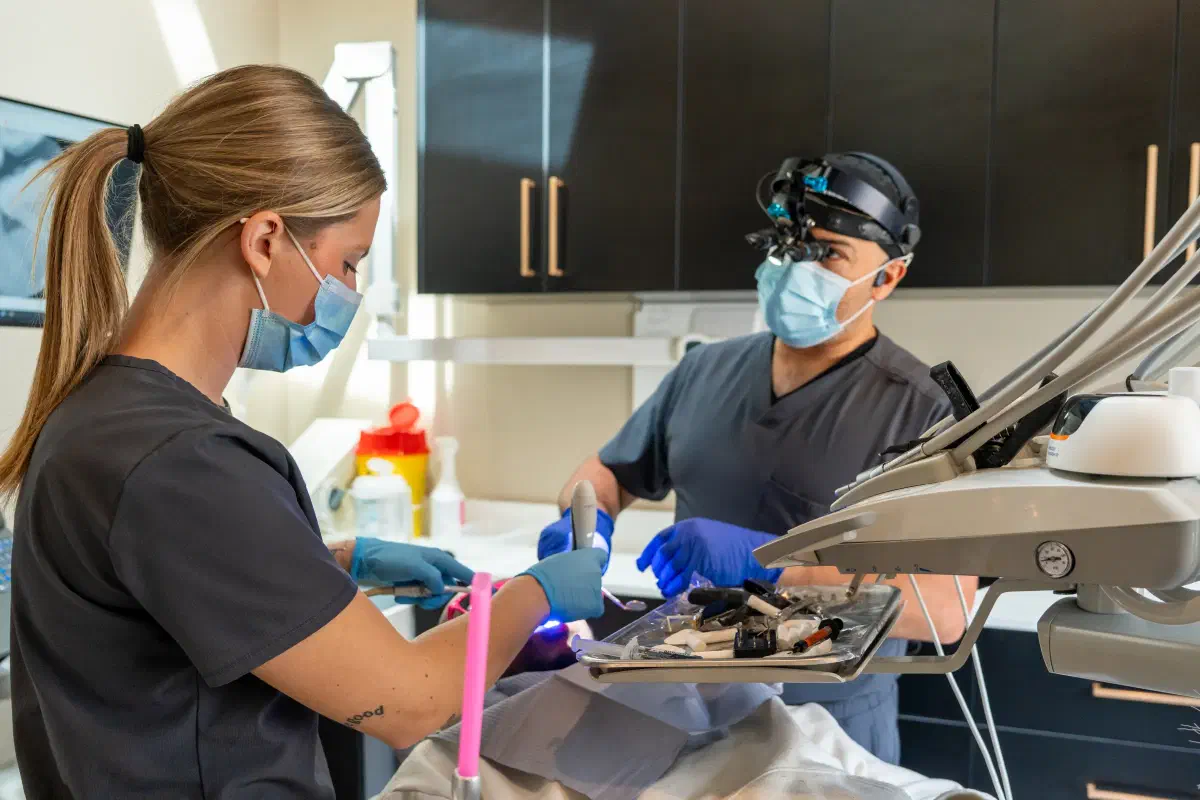
The Cookstown Dental Centre team caring for a patient in a treatment room

Restorative Dentistry · Cookstown

Understand how a surgical guide supports an implant plan.

Guided implant surgery uses a planned guide in suitable cases. Explore records, guide fit, surgical judgment, limitations, and the stages after placement.

Request an appointment

Let’s find a time that works.

Need urgent dental help? Call (705) 291-2222.

Guided Implant Surgery in Cookstown

A guide transfers selected planning information; it does not replace the surgeon’s judgment.

Guided implant surgery uses a device designed from appropriate planning records to assist selected aspects of implant placement. The guide may rest on teeth, tissues, or another planned support depending on the case. Its accuracy and usefulness depend on the records, design, fit, access, and clinical technique. It is not a robot and does not make implant surgery risk-free.

At Cookstown Dental Centre, we discuss whether a guided approach is relevant to the proposed treatment and coordinate specialist care where appropriate. Computer planning and guide use are related but distinct steps. The clinician still assesses suitability, verifies the device, and responds to actual surgical findings. The treatment plan should explain the guide’s role without using the technology as a substitute for a full discussion of alternatives and limitations.

A dentist demonstrating a transparent surgical guide on a jaw model

A closer look

Follow the information from the planned tooth to the guide.

The device is useful only when it reflects a clinically appropriate restorative and surgical plan.

  1. A restoration-led implant proposal

    The desired crown, bridge, or denture helps determine the proposed implant position and support. Bone and relevant anatomy are assessed alongside that goal. A guide should transfer a suitable plan, not make an unsuitable position acceptable simply because software can display it precisely.

  2. Records that can be related accurately

    Imaging and surface or other records are selected and checked for the case. Their quality and alignment affect the planning process. The clinician evaluates whether the information represents the current mouth rather than assuming every scan can be combined without verification.

  3. A guide designed for the chosen procedure

    The support and extent of guidance depend on the design and clinical approach. Ask what the guide is intended to control and which steps remain dependent on the provider’s technique. The term guided does not describe one identical level of assistance in every operation.

What we consider

Assess the conditions that can limit guide use.

Clinical access and device fit matter as much as the digital proposal.

Seating and stability of the guide

The clinician checks whether the guide fits its intended support appropriately. Changes in the mouth or an inaccurate record can affect seating. A device that does not fit as expected should not be forced into use simply because it was fabricated for the planned appointment.

Access and anatomical constraints

Mouth opening, available space, site position, and the required instruments can influence suitability. The provider evaluates these conditions before and during treatment. A guided approach may not be the most appropriate method for every site, and another technique can be clinically reasonable.

Actual findings at surgery

Bone, tissue, or extraction-site conditions may require a change in the plan. The clinician must be able to adapt or defer treatment when indicated. A guide should support judgment, not create pressure to complete a proposed position despite findings that make it unsuitable.

Understanding the options

Compare guided and other appropriate placement approaches.

Technology is one part of the method, not the sole measure of a sound treatment plan.

A guided approach where useful

The device may help transfer planned information in a suitable case. Its benefit should be explained in relation to the site and restoration. It does not eliminate the need for clinical skill, verification, healing review, or maintenance after the implant is restored.

Another surgical approach

A clinician may recommend a different method because of access, site conditions, or the treatment design. That decision should be explained on clinical grounds. The absence of a guide does not by itself establish poor care, just as the presence of one does not guarantee a complication-free result.

Planning together

Clarify the scope before surgery.

A reviewable proposal includes the procedure, contingencies, and the later restoration.

What the guided stage includes

Ask about records, guide fabrication, implant placement, grafting if relevant, and any temporary tooth. The estimate and consent should identify these separately where needed. A guide fee or a digital preview should not be mistaken for a complete implant treatment agreement.

What happens if the guide cannot be used

Discuss the appropriate alternatives and who makes that decision. The provider may modify the method or postpone a stage depending on the findings and consent. A backup plan should preserve clinical judgment rather than guarantee completion solely because the procedure was booked as guided surgery.

The appointment

Continue assessment after the implant is placed.

A planned position is only one element of the overall course of care.

  1. Protect healing and attend reviews

    Follow the instructions for the actual surgery and any temporary restoration. Report concerning symptoms or movement as advised. The use of a guide does not shorten every biological healing requirement or establish that the implant can immediately carry unrestricted chewing forces.

  2. Complete the restoration and maintenance handover

    The clinician reassesses readiness and plans the final tooth or prosthesis around the healed site. Fit, contacts, and cleaning access need clinical checks. Ongoing tissue and component care remains necessary regardless of whether the placement was guided or performed through another appropriate approach.

Frequently asked questions

Questions about guided implant surgery

Is guided implant surgery performed by a robot?

A surgical guide is a device that assists selected steps according to its design. The clinician performs and oversees the procedure and must verify fit and respond to findings. The term guided should not imply automatic surgery without professional judgment.

Does a guide make implant placement risk-free?

No. Record quality, fit, anatomy, technique, healing, and other factors still matter. The provider should explain the expected role and limitations of the guide. Precision claims should not replace a balanced discussion of the procedure.

Is computer planning always followed by a surgical guide?

Not necessarily. Digital planning can be used without the same guide approach in every case. Ask which methods are proposed and why they suit the site and restoration. Planning and guide use are related but distinct decisions.

What if the guide does not fit correctly?

The clinician should reassess rather than force it into use. Depending on the findings, another method or a delayed procedure may be appropriate. The possibility and relevant alternatives should be discussed as part of planning.

Can guided surgery avoid all grafting?

No. The need for grafting depends on bone, tissues, and the intended restoration. A guide does not create missing support. Planning may clarify the requirement rather than eliminate it.

Will I receive a final tooth immediately afterward?

That is a separate restorative and loading decision. A guided placement does not automatically make immediate function suitable. The provider should explain any temporary tooth, restrictions, and the timing of the final restoration.

Does guided placement change my maintenance needs?

The implant and restoration still need appropriate cleaning, tissue monitoring, and component review. The surgical method does not remove those responsibilities. Ask for the same clear long-term care plan that would be needed after any implant treatment.

Real patient results

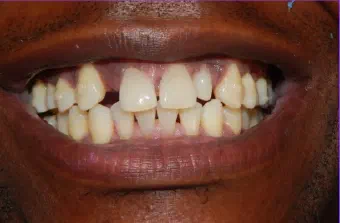
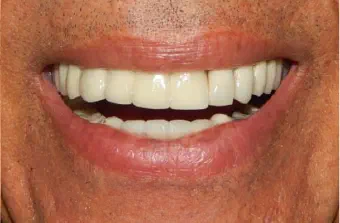
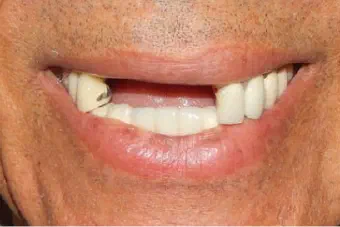
Before & after smile gallery.

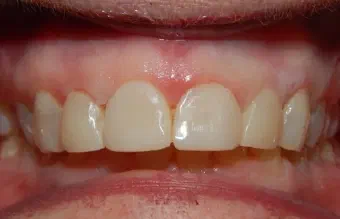
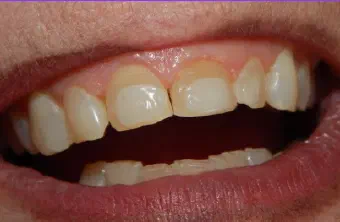
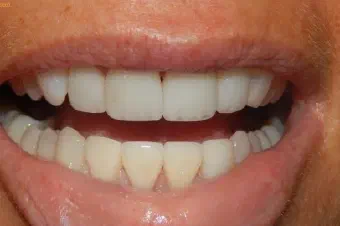
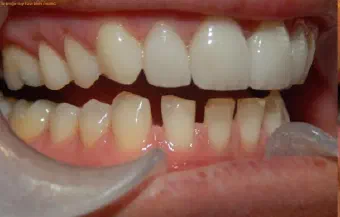
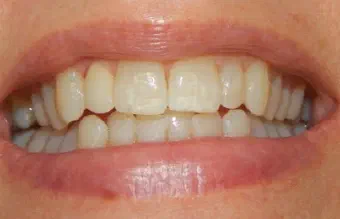
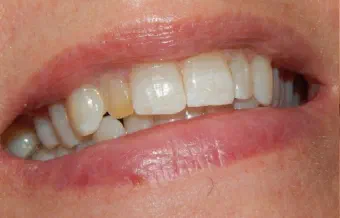
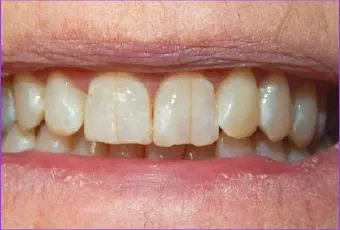
Drag the centre line to compare each real case treated by our dental team. Every smile begins with a personal assessment and a plan shaped around the patient.

Areas We Serve

Neighbourhood dental care, close to home.

Located in Cookstown, Innisfil, our dental team welcomes patients from communities across South Simcoe, Barrie, and northern York Region.

Get directions
  • Cookstown
  • Innisfil
  • Simcoe
  • Lake Simcoe
  • Alcona
  • Stroud
  • Lefroy–Belle Ewart
  • Gilford
  • Churchill
  • Sandy Cove
  • Innisfil Heights
  • Fennell’s Corners
  • Bradford
  • Bradford West Gwillimbury
  • Bond Head
  • Newton Robinson
  • New Tecumseth
  • Alliston
  • Beeton
  • Tottenham
  • Adjala–Tosorontio
  • Everett
  • Loretto
  • Barrie
  • Essa
  • Thornton
  • Baxter
  • Angus
  • Egbert
  • Ivy
  • Utopia
  • York Region
  • East Gwillimbury
  • Queensville
  • Holland Landing
  • Sharon
  • Schomberg
  • Nobleton

Don’t see your community listed? Contact us—we regularly welcome patients from throughout the surrounding region.

Google reviews

Kind words from our patients.

Read what patients have shared about their visits to Cookstown Dental Centre.

A dentist having a friendly consultation with a patient in a bright dental clinic

Your next step

Ready to feel good about your next dental visit?

Whether you are new to the clinic or returning for care, our team is here to make booking simple and answer your questions.

Call Book Now WhatsApp

How can we help?

The Cookstown Dental team is here for you.

Need an appointment, have a question, or want to talk through your options? Choose the next step that works best for you.

Send us a note

We’ll get back to you as soon as we can.