Cookstown Dental Centre
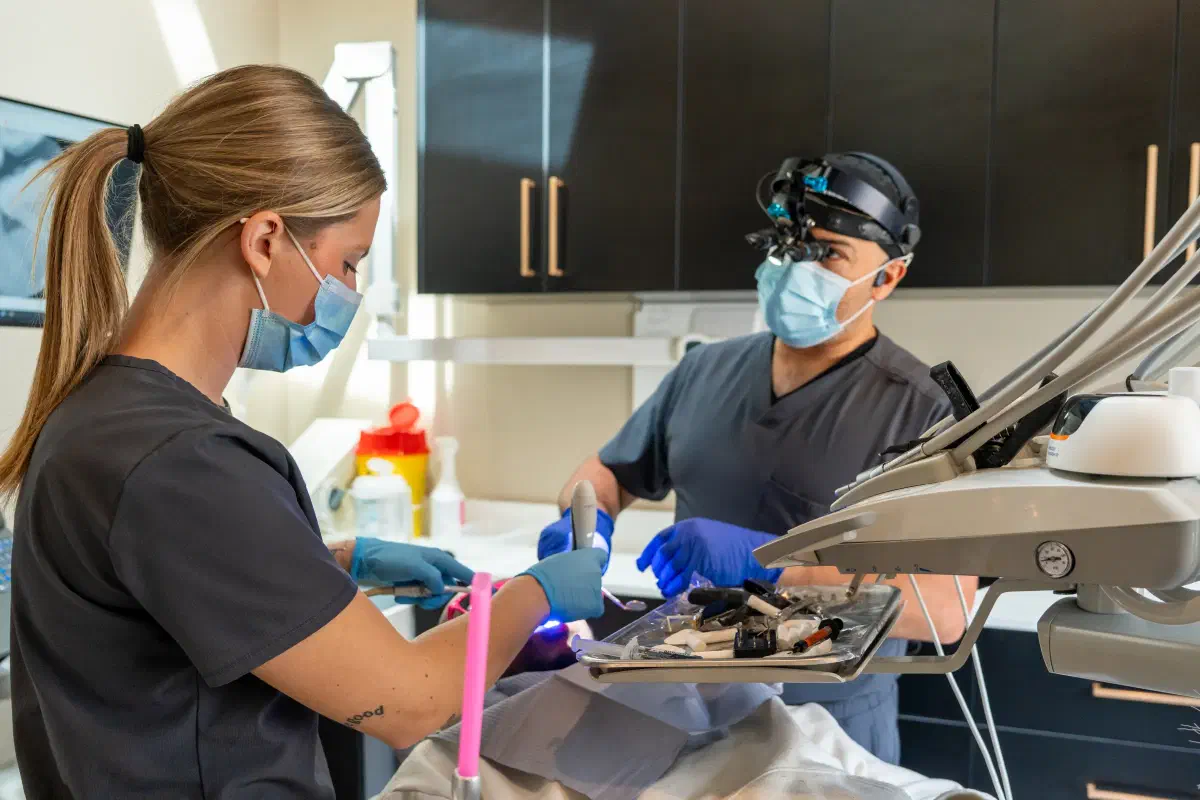
The Cookstown Dental Centre team caring for a patient in a treatment room

Cosmetic Dentistry · Cookstown

Assess the gumline before changing the frame of your smile.

Gum contouring changes selected tissue outlines. Learn how gum health, bone levels, tooth proportions, and healing influence cosmetic planning and referral.

Request an appointment

Let’s find a time that works.

Need urgent dental help? Call (705) 291-2222.

Gum Contouring in Cookstown

A visible gumline has more than one possible explanation.

A smile that shows more gum or an uneven tissue outline can have several contributing factors. The visible tooth length, lip movement, tooth position, inflammation, and underlying bone all influence the appearance. Removing gum tissue is therefore not a universal solution, and an examination is needed before deciding whether contouring would be appropriate.

At Cookstown Dental Centre, we discuss your concern and assess whether it calls for routine care, a cosmetic tissue procedure, or a periodontal or other specialist opinion. The plan should explain how much change is realistic, what structures are involved, and how healing affects timing. Gum contouring is considered alongside the health and maintenance of the teeth rather than as an isolated way to create a new smile line.
A dentist showing the gumline of a dental model during a patient consultation

What we consider

Find out what shapes the visible gumline.

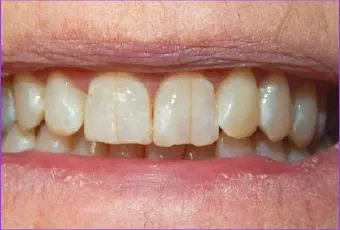
A photograph records the appearance, but it does not establish the treatment required. Several clinical relationships need consideration before tissue is altered.

Tissue health and inflammation

Swelling or bleeding can make the gum outline look different from its healthy state. An active problem should be assessed and managed before final cosmetic decisions. Tell us about recent changes, cleaning difficulties, and previous gum treatment so the proposed design is based on stable findings where possible.

Tooth and bone relationships

The amount of tooth visible above the gum and the position of supporting bone affect what change can be made. Some cases involve more than a surface tissue adjustment. The dentist explains whether further records or a periodontist’s assessment are needed to understand those relationships before recommending a procedure.

Smile display and proportions

Lip position, tooth length, wear, and alignment contribute to how much gum shows. A tissue-only change may not address the main cause. We consider the smile in context and discuss when another approach, a combined plan, or leaving the appearance unchanged would be more reasonable.

Understanding the options

Distinguish cosmetic contouring from other care.

Similar descriptions can refer to procedures with different purposes and recovery needs. Ask exactly what is proposed for your mouth.

A selected tissue refinement

For an appropriate case, contouring may adjust a limited gum outline to reveal a more balanced visible tooth shape. The amount and technique depend on anatomy and health. It should not be described as a standard amount of tissue removal that suits every gummy or uneven smile.

Crown lengthening or specialist planning

Some situations involve changing tissue and bone relationships or creating access for a restoration. Those decisions have different implications from a small cosmetic refinement. We explain why a specialist opinion or another treatment sequence may be relevant rather than assuming all gumline changes can be handled the same way.

Planning together

Ask about the plan beneath the cosmetic goal.

Understanding the procedure and recovery is part of choosing it. Bring up existing restorations or upcoming treatment that might be affected by a tissue change.

The area and intended change

Confirm which teeth and tissues are involved and why. Ask how the proposed outline was chosen and whether a more limited change is possible. A reference image can describe your preference, but the amount of safe alteration depends on your own tooth, gum, and bone relationships.

The provider and setting

Clarify who would perform the procedure and whether referral is recommended. Discuss health information, medicines, and comfort measures with the treating clinician. A consultation page explains a possible care pathway; suitability and the appropriate setting must be established for the actual procedure.

The healing and restorative sequence

Ask when appearance will be reviewed, what restrictions may apply, and whether crowns or veneers should wait for tissue stability. Healing differs between procedures and people. A planned event or restorative deadline should be discussed before treatment rather than used to assume that tissues will settle on a fixed date.

The appointment

Assessment, recovery, and a stable review point.

The timing of each stage depends on the procedure selected. Follow the treating provider’s specific instructions rather than a general cosmetic timetable.

  1. Establish a suitable starting point

    The dentist assesses the concern and any tissue disease, records, or specialist input needed. We discuss alternatives and the limits of the proposed change. If preliminary gum care is recommended, the cosmetic outline can be reconsidered after the response is assessed.

  2. Carry out the agreed procedure

    Consent includes the treatment area, technique, risks, comfort arrangements, and aftercare. The clinician explains what to expect from the selected approach. Tissue procedures may involve different instruments and depths of care, so a label such as laser treatment does not by itself describe the whole clinical plan.

  3. Review healing before further decisions

    Attend follow-up as directed and report increasing pain, swelling, persistent bleeding, or another concern promptly. The final tissue outline should be assessed at an appropriate healing stage. If further restoration is planned, its timing is coordinated with tissue recovery rather than judged only from the first day’s appearance.

Frequently asked questions

Questions about gum contouring

Does showing more gum mean I need contouring?

No. Lip movement, tooth position, tooth length, inflammation, and bone relationships can all contribute. An examination helps identify the cause. Contouring is only one possible option, and some situations need a different approach or no treatment.

Is gum contouring the same as crown lengthening?

The terms can overlap in everyday use, but the procedure and purpose may differ. Crown lengthening can involve tissue and bone changes for restorative or cosmetic reasons. Ask the clinician exactly which structures would be treated and why.

Will a laser always be used?

The technique depends on the clinical plan and provider. An instrument choice should not replace a discussion of suitability, tissue depth, risks, and healing. Ask what method is proposed for your case rather than assuming all contouring uses the same equipment.

Can I plan veneers immediately afterward?

The sequence depends on the procedure and how tissues settle. Final restorative decisions may need to wait for an appropriate review point. Discuss both treatments together so the timing and gumline expectations are coordinated from the start.

Will the gumline stay exactly as it looks on the first day?

Healing can change the early appearance, and long-term tissue levels can also change. The clinician explains when to assess the result and what is realistic. No immediate postoperative photograph should be treated as a guaranteed permanent outline.

Can inflamed gums be treated cosmetically first?

Inflammation needs assessment and appropriate care before a reliable cosmetic plan can be made. Healthy tissue may look different once swelling settles. Treating the appearance without addressing disease can leave the main problem unresolved.

Do I need a periodontist?

Possibly. The tissue and bone relationships, health concerns, and complexity determine whether specialist care is appropriate. The initial assessment can explain the reason for referral and how the specialist’s findings would shape the overall plan.

Real patient results

Before & after smile gallery.

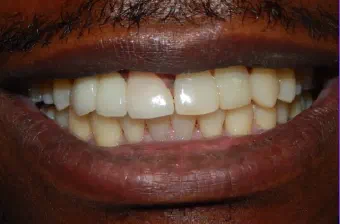
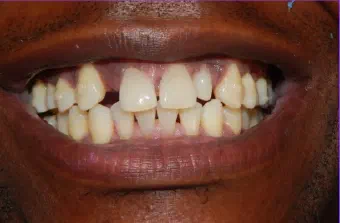
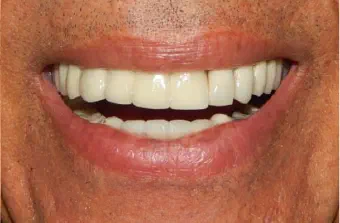
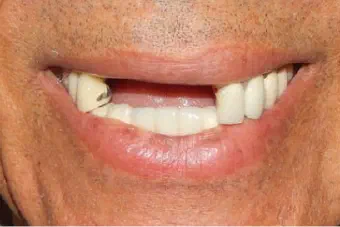
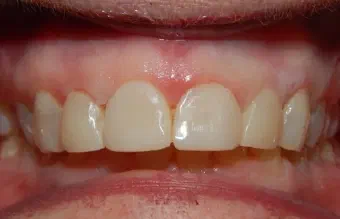
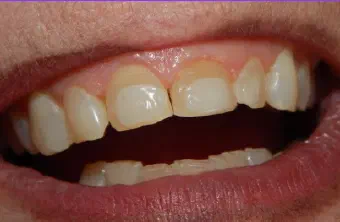
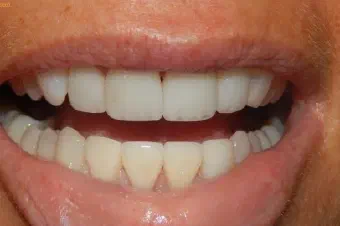
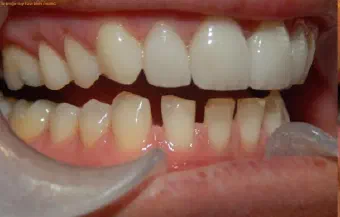
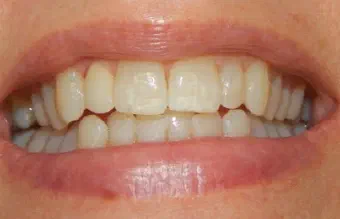
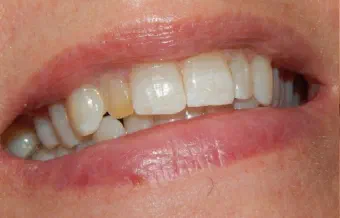
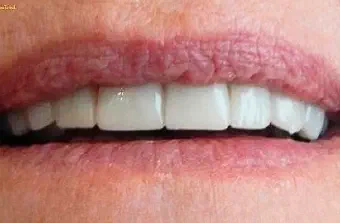
Drag the centre line to compare each real case treated by our dental team. Every smile begins with a personal assessment and a plan shaped around the patient.

Areas We Serve

Neighbourhood dental care, close to home.

Located in Cookstown, Innisfil, our dental team welcomes patients from communities across South Simcoe, Barrie, and northern York Region.

Get directions
  • Cookstown
  • Innisfil
  • Simcoe
  • Lake Simcoe
  • Alcona
  • Stroud
  • Lefroy–Belle Ewart
  • Gilford
  • Churchill
  • Sandy Cove
  • Innisfil Heights
  • Fennell’s Corners
  • Bradford
  • Bradford West Gwillimbury
  • Bond Head
  • Newton Robinson
  • New Tecumseth
  • Alliston
  • Beeton
  • Tottenham
  • Adjala–Tosorontio
  • Everett
  • Loretto
  • Barrie
  • Essa
  • Thornton
  • Baxter
  • Angus
  • Egbert
  • Ivy
  • Utopia
  • York Region
  • East Gwillimbury
  • Queensville
  • Holland Landing
  • Sharon
  • Schomberg
  • Nobleton

Don’t see your community listed? Contact us—we regularly welcome patients from throughout the surrounding region.

Google reviews

Kind words from our patients.

Read what patients have shared about their visits to Cookstown Dental Centre.

A dentist having a friendly consultation with a patient in a bright dental clinic

Your next step

Ready to feel good about your next dental visit?

Whether you are new to the clinic or returning for care, our team is here to make booking simple and answer your questions.

Call Book Now WhatsApp

How can we help?

The Cookstown Dental team is here for you.

Need an appointment, have a question, or want to talk through your options? Choose the next step that works best for you.

Send us a note

We’ll get back to you as soon as we can.