Cookstown Dental Centre
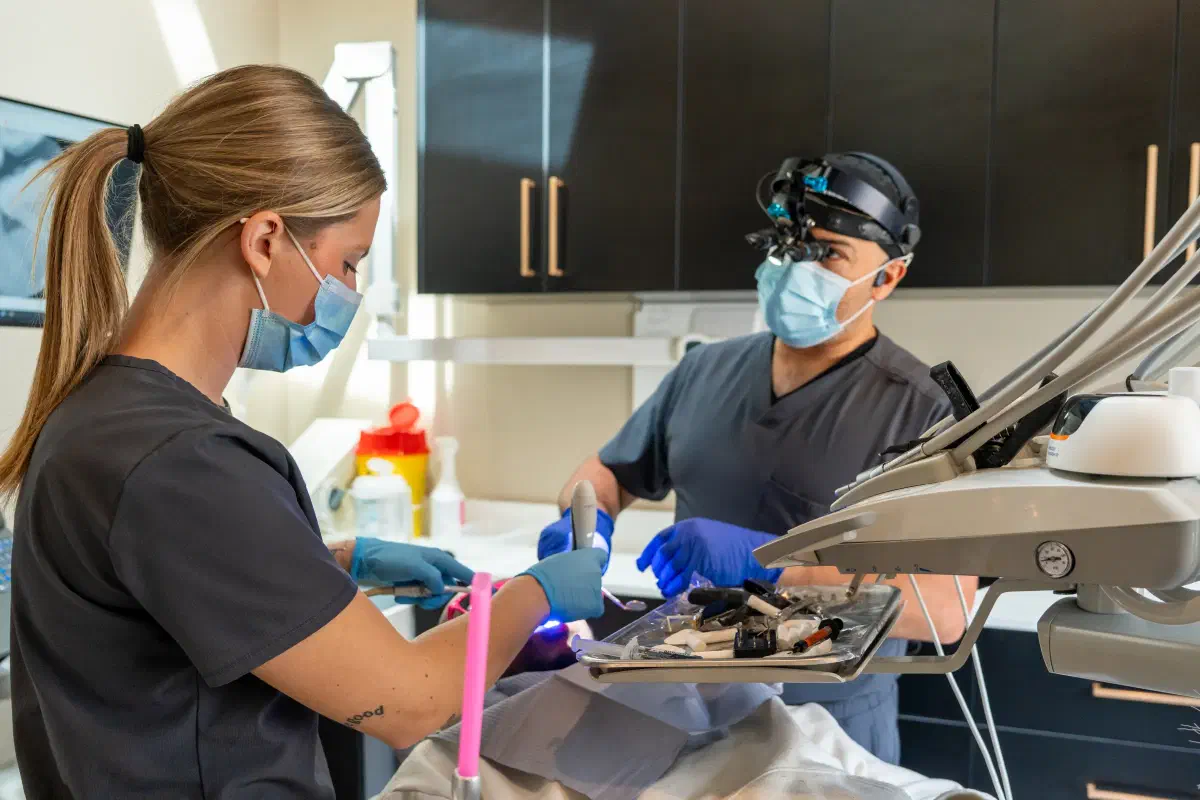
The Cookstown Dental Centre team caring for a patient in a treatment room

Specialized Care · Cookstown

Consider gum grafting for a specific tissue need and realistic outcome.

Gum grafting may address selected recession or tissue concerns. Explore root coverage limits, graft sources, preparation, healing, and the role of specialist care.

Request an appointment

Let’s find a time that works.

Need urgent dental help? Call (705) 291-2222.

Gum Grafting in Cookstown

More gum tissue is not automatically the answer to every exposed root.

Gum grafting involves placing tissue at a selected site to address an identified periodontal need. It may be considered for certain recession patterns, tissue deficiencies, sensitivity concerns, or situations requiring improved tissue stability. The potential benefit depends on the root and bone relationships, tissue condition, cause of recession, and the technique planned.

At Cookstown Dental Centre, the first step is assessment and discussion of whether periodontal or surgical referral is appropriate. A graft should not be promised to cover every exposed root completely or restore all support lost to periodontitis. The plan should distinguish the intended goal, such as coverage or tissue thickness, from outcomes that cannot be guaranteed. Existing inflammation and contributing habits may need attention before surgery is considered.
A dentist discussing exposed root coverage and gum tissue options using a model

What we consider

Assess the recession and the tissue environment.

The visible root length does not alone determine the grafting option.

Recession pattern and supporting tissues

The clinician examines gum position, tissue dimensions, and support around the tooth, including between neighbouring teeth. These relationships influence the possibility and extent of root coverage. A realistic discussion should explain why one site may have different expectations from another even when both look recessed.

Inflammation, brushing, and local contributors

Plaque, tissue trauma, tooth position, and other factors may contribute to the concern. The cause should be addressed where possible rather than place a graft into an unchanged problem. Active periodontal disease or unsuitable cleaning habits can affect preparation and the sequence of care.

Symptoms and the reason for treatment

Sensitivity, appearance, cleaning difficulty, progression, or another clinical concern can shape the goal. Some recession may be monitored or managed without surgery. The provider should explain what a graft is expected to improve for the particular site rather than recommend it simply because a root is visible.

Understanding the options

Compare grafting with other appropriate ways to manage the concern.

The least extensive useful option depends on the diagnosis and priorities.

Monitoring and nonsurgical management

A stable area may be suitable for observation, technique changes, sensitivity management, or another targeted measure. These options have limits but belong in the discussion. Monitoring should include a baseline and review plan so changes in recession, comfort, or support can be assessed meaningfully.

Surgery for a defined tissue objective

When a graft is appropriate, the plan identifies whether the main aim is root coverage, tissue thickness, or another periodontal benefit. The expected outcome and limitations should be explicit. A procedure that improves one feature may not produce perfect colour blending, complete coverage, or permanent freedom from future recession.

Good to know

Understand the proposed graft source and procedure.

Different approaches have different donor-site and healing considerations.

Tissue from the patient or another planned source

Some procedures use tissue from another area of the patient’s mouth, while selected approaches may use an alternative graft material. The provider explains the source, reason for the choice, and relevant alternatives. Raise preferences and questions before consent rather than assume every gum graft requires the same donor site.

The recipient site and surrounding anatomy

The technique depends on the tissue defect, tooth position, and intended result. Sutures and postoperative protection may be involved. The clinician should explain the anticipated procedure in understandable terms without claiming that a particular tool or material eliminates every risk or guarantees a uniform recovery.

The appointment

Prepare the tissues, protect the graft, and reassess healing.

The surgical appointment is one stage in a coordinated periodontal plan.

  1. Address preparation and provider coordination

    The dentist or periodontist confirms the diagnosis, manages inflammation as needed, and reviews health and medications. Do not stop prescribed medication independently. If other restorative or orthodontic work is relevant, clarify its timing so it supports rather than conflicts with the tissue plan.

  2. Follow procedure-specific postoperative instructions

    The treating provider explains eating, cleaning, activity, medicines when indicated, and protection of donor and recipient areas. Avoid pulling on the lip or probing the graft to inspect it. Instructions should reflect the actual procedure, not a generic routine borrowed from a different surgery.

  3. Attend healing and outcome reviews

    Follow-up checks the tissue response, comfort, and progress toward the original goal. The result is assessed over an appropriate period, and further care may be discussed if needed. Early appearance alone should not be used to decide whether the graft has succeeded or whether another procedure is required.

Practical guidance

Maintain the site without recreating the contributing problem.

Long-term care remains important after the surgical phase.

Use the recommended cleaning technique

Once cleared for the relevant stage of care, clean with a method that protects the tissue while controlling plaque. Ask for a demonstration around the treated area. Returning to aggressive brushing or avoiding the site indefinitely can undermine the purpose of the plan in different ways.

Report persistent sensitivity, inflammation, or renewed recession

Changes should be examined in the context of the graft and remaining tooth support. A graft does not prevent every future tissue problem. Keep the recommended periodontal reviews and discuss new restorative work or health changes that may affect care of the site.

Frequently asked questions

Questions about gum grafting

Will a gum graft cover the entire exposed root?

Not always. The recession pattern, support between teeth, tissue condition, and technique affect the possible coverage. The provider should explain realistic expectations for each site rather than guarantee that every root will become completely covered.

Does every receding gum need surgery?

No. Some areas can be monitored or managed with changes in cleaning, sensitivity care, or other measures. Surgery is considered for a defined clinical goal. The decision depends on symptoms, progression, tissue relationships, and your priorities.

Will tissue have to come from my palate?

Some techniques use tissue from the patient’s mouth, while other selected approaches may use alternative material. The choice depends on the case. Ask about the proposed source, donor-site care if relevant, and the reasons for that approach.

Does grafting replace bone lost to gum disease?

A soft-tissue graft has a different purpose from procedures aimed at selected bone or attachment defects. It should not be described as replacing all lost periodontal support. The clinician explains which tissues and outcomes the proposed treatment is intended to address.

Can a graft help root sensitivity?

It may help selected cases when the tissue objective is suitable, but sensitivity has several possible management options and complete relief is not guaranteed. The assessment should clarify the cause and compare nonsurgical measures with grafting where appropriate.

When can I brush the treated area again?

Follow the treating provider’s instructions for the specific procedure and stage of healing. Do not apply a general timetable from another surgery. Ask for a demonstration when cleaning is resumed so plaque control and tissue protection are balanced appropriately.

Will I need a periodontist?

Many grafting questions benefit from periodontal assessment, depending on the site and complexity. The consultation can clarify the provider and referral arrangements. Ask who manages surgery, healing reviews, and ongoing maintenance so the care remains coordinated.

Real patient results

Before & after smile gallery.

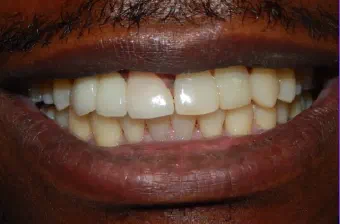
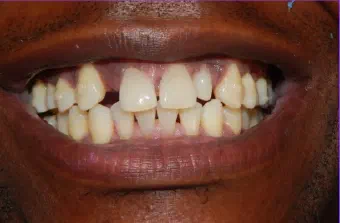
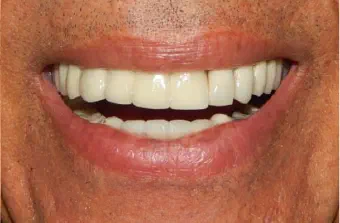
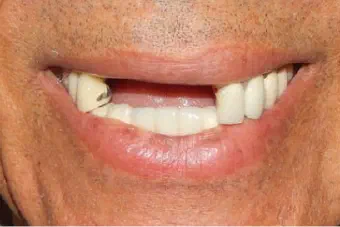
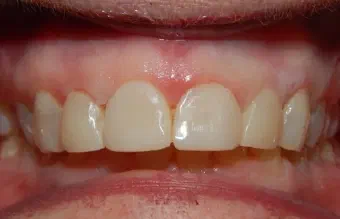
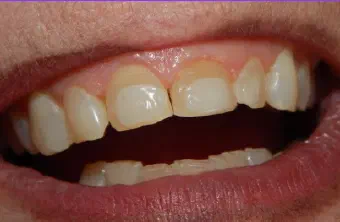
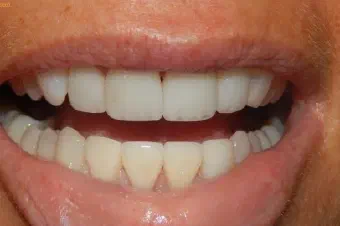
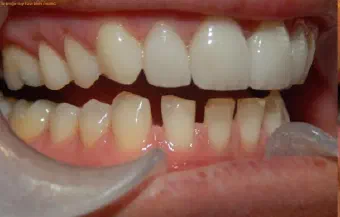
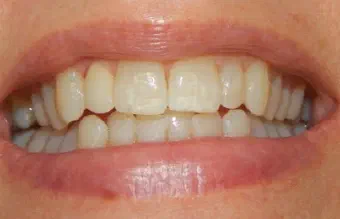
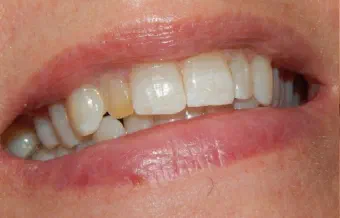
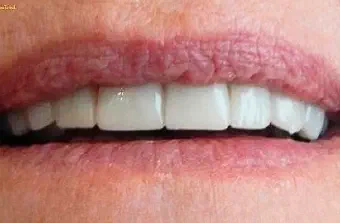
Drag the centre line to compare each real case treated by our dental team. Every smile begins with a personal assessment and a plan shaped around the patient.

Areas We Serve

Neighbourhood dental care, close to home.

Located in Cookstown, Innisfil, our dental team welcomes patients from communities across South Simcoe, Barrie, and northern York Region.

Get directions
  • Cookstown
  • Innisfil
  • Simcoe
  • Lake Simcoe
  • Alcona
  • Stroud
  • Lefroy–Belle Ewart
  • Gilford
  • Churchill
  • Sandy Cove
  • Innisfil Heights
  • Fennell’s Corners
  • Bradford
  • Bradford West Gwillimbury
  • Bond Head
  • Newton Robinson
  • New Tecumseth
  • Alliston
  • Beeton
  • Tottenham
  • Adjala–Tosorontio
  • Everett
  • Loretto
  • Barrie
  • Essa
  • Thornton
  • Baxter
  • Angus
  • Egbert
  • Ivy
  • Utopia
  • York Region
  • East Gwillimbury
  • Queensville
  • Holland Landing
  • Sharon
  • Schomberg
  • Nobleton

Don’t see your community listed? Contact us—we regularly welcome patients from throughout the surrounding region.

Google reviews

Kind words from our patients.

Read what patients have shared about their visits to Cookstown Dental Centre.

A dentist having a friendly consultation with a patient in a bright dental clinic

Your next step

Ready to feel good about your next dental visit?

Whether you are new to the clinic or returning for care, our team is here to make booking simple and answer your questions.

Call Book Now WhatsApp

How can we help?

The Cookstown Dental team is here for you.

Need an appointment, have a question, or want to talk through your options? Choose the next step that works best for you.

Send us a note

We’ll get back to you as soon as we can.