Cookstown Dental Centre
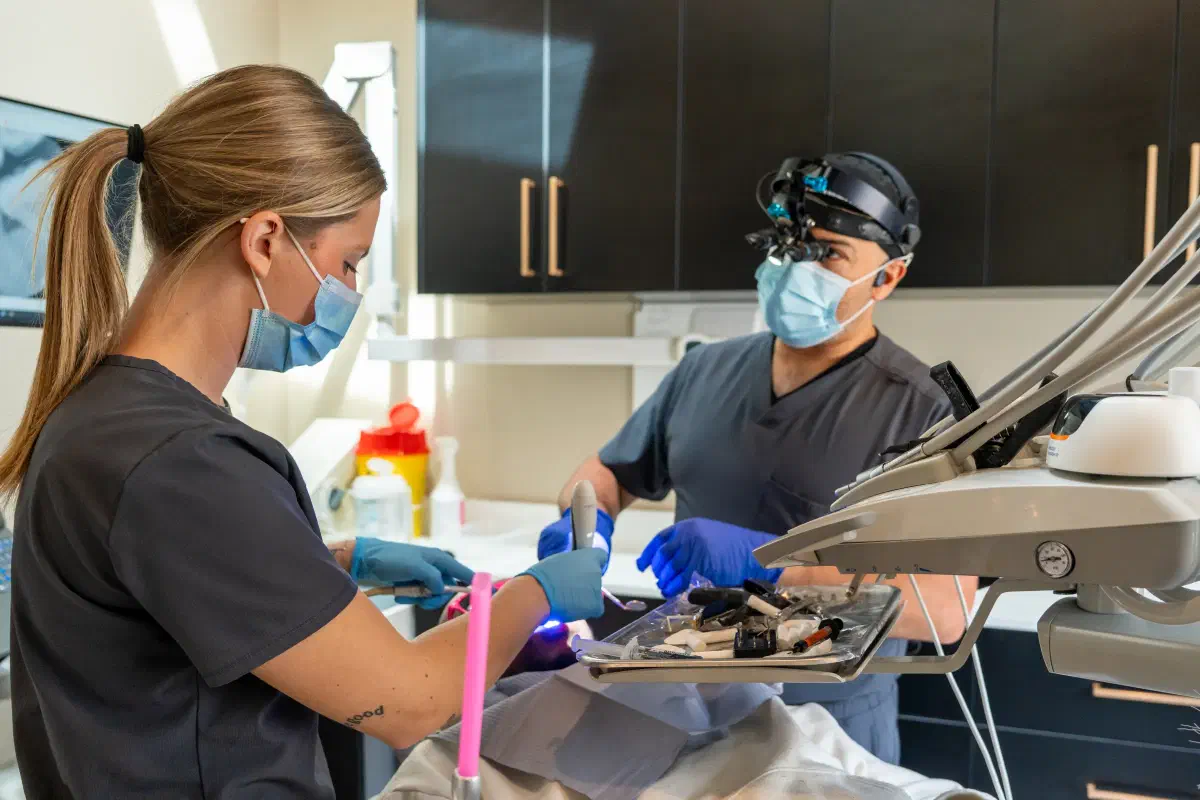
The Cookstown Dental Centre team caring for a patient in a treatment room

Children’s Dentistry · Cookstown

Supportive help with habits that affect growing smiles.

Habit counselling helps families understand thumb sucking, pacifier use, and other oral habits, with practical changes that avoid blame or pressure.

Request an appointment

Let’s find a time that works.

Need urgent dental help? Call (705) 291-2222.

Habit Counselling for Children in Cookstown

Start by understanding when the habit helps your child.

A thumb, finger, or pacifier can be part of a child’s comfort routine. Changing that habit may be much easier to discuss than to do, particularly around sleep, tiredness, or a stressful transition. Dental counselling starts with understanding the pattern and whether it is affecting the teeth or bite, not labelling a child as uncooperative.

At Cookstown Dental Centre, we discuss what you have noticed, what you have already tried, and what your child is ready to participate in. The plan may involve reassurance, a practical routine change, monitoring, or another professional opinion. We aim for clear, supportive steps that parents can use consistently without turning a habit into a daily argument.

A dentist having a supportive habits conversation with a child and parent

Practical guidance

Describe the habit before choosing a strategy.

Frequency, duration, and context make a difference. A specific description is more useful than deciding that a habit is simply good or bad.

When it happens

Notice whether the habit occurs mainly at bedtime, while watching a screen, during concentration, or when your child is upset. You do not need to monitor every moment. A few observations help identify where a small change could fit and when your child may need a different form of comfort.

How your child feels about it

Ask gently whether your child notices the habit and whether they want help changing it. Their readiness affects the kind of support likely to be workable. Avoid public reminders or comparisons with siblings; a private, cooperative conversation gives the child more room to participate.

What you have tried already

Tell us about reminders, reward charts, replacement comfort items, or advice from another professional. Explain what happened, including anything that increased distress. This helps us avoid repeating an unsuccessful approach and focus on a realistic next step for your child’s age and circumstances.

What we consider

Connect the habit with the dental findings.

Not every habit has the same effect, and not every bite concern comes from a habit. The examination helps put your observations in context.

Teeth and bite development

We look at tooth position and how the upper and lower teeth meet. The duration and intensity of a sucking habit can matter, but appearance alone does not explain the whole picture. We discuss what is present now and which changes should be watched as the child grows.

Soft tissues and comfort

Some habits can irritate lips, cheeks, skin, or fingers. Tell us about soreness, broken skin, or a child who seems unable to stop an action despite discomfort. Depending on the concern, dental advice may need to be supported by another health professional rather than handled through reminders alone.

Other health questions

Persistent mouth breathing, snoring, or sleep concerns should be discussed with the appropriate medical professional. Habit counselling does not diagnose airway or sleep disorders. We can explain dental observations while helping you understand when another assessment is more relevant to the symptoms you are describing.

Step by step

Build a small plan your child can join.

A supportive approach makes the goal understandable and keeps expectations proportionate. We can adjust the plan if the first attempt does not fit everyday life.

  1. Choose one manageable goal

    Start with a specific situation rather than demanding immediate change everywhere. For example, a child may choose to keep hands occupied during a particular quiet activity. The goal should be clear enough to recognize and achievable enough to practise without constant correction from adults.

  2. Agree on a kind reminder

    If the child wants reminders, choose a private word or gesture together. Praise effort and participation rather than using shame, threats, or punishment. Caregivers should use the same approach so the child is not navigating conflicting rules or a different response in every setting.

  3. Review what happened

    At a later visit, discuss when the plan helped and when it was difficult. A setback can point to tiredness, stress, or a goal that was too large. We can review dental changes and adjust the strategy instead of treating one unsuccessful week as proof that the child cannot change.

Understanding the options

Know when further support may be useful.

Counselling is one part of care. The next step depends on the dental findings, your child’s readiness, and whether another issue needs attention.

Time and monitoring

Some families need guidance and a planned review rather than a device. Monitoring allows us to reassess the bite and the habit together. Ask what change would prompt a different recommendation and when to return, so a gradual approach still has a clear purpose.

An appliance or referral

An appliance may be considered for selected children after assessment, but it is not a punishment or a universal solution. We discuss cooperation, cleaning, risks, and alternatives. Significant bite concerns or needs beyond routine counselling may be better addressed with an orthodontic or other appropriate professional opinion.

Frequently asked questions

Questions about habit counselling for children

At what age should thumb sucking be discussed?

Bring it up at early dental visits, especially if it is frequent or you notice bite changes. Guidance depends on age, duration, and the child’s development. An early conversation can help families plan a supportive transition before the habit becomes harder to change.

Should I punish my child for sucking their thumb?

No. A supportive, age-appropriate approach is preferable to shame or punishment. Try to understand when the habit occurs and involve the child in a manageable goal. Tell us if previous approaches have increased distress or conflict.

Will the teeth straighten when the habit stops?

Some changes may improve, but this cannot be guaranteed. The outcome depends on development and the existing bite. Monitoring or an orthodontic opinion may be needed to understand what is likely to change and what may require treatment.

Are pacifiers always harmful?

The effect depends on the child’s age and the pattern and duration of use. Discuss your child’s routine rather than relying on a blanket rule. We can explain relevant dental findings and help plan an appropriate transition when needed.

Does my child need a habit appliance?

Not automatically. An appliance is considered only for selected situations after assessing the bite, habit, readiness, and alternatives. It also requires cleaning and follow-up. The recommendation should have a clear clinical purpose that you and your child understand.

Can counselling address mouth breathing?

We can discuss dental observations, but persistent mouth breathing or snoring can have medical causes that need assessment. Do not assume it is simply a habit to correct. Raise these symptoms with your child’s appropriate medical professional as well.

What if the habit returns during stress?

A return can happen during changes in routine or emotional demands. Avoid framing it as failure. Revisit what helped, make the goal manageable, and tell us at follow-up so advice reflects your child’s current circumstances.

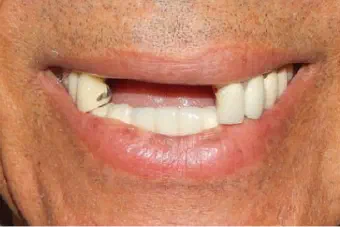
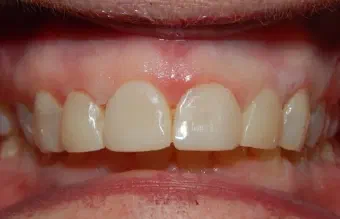
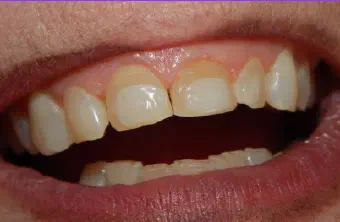
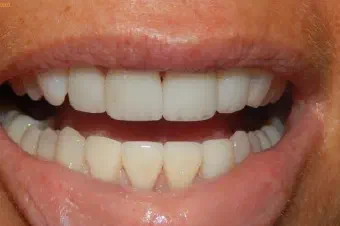
Real patient results

Before & after smile gallery.

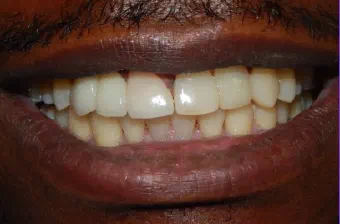
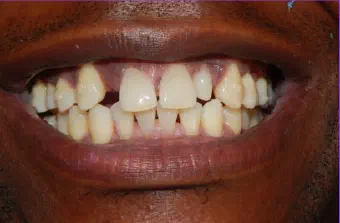
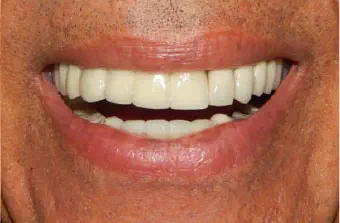
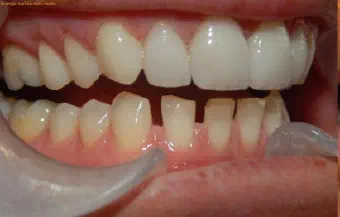
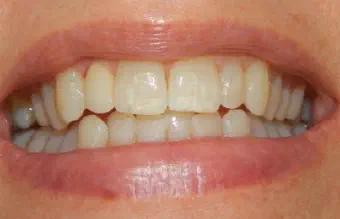
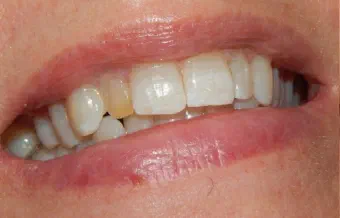
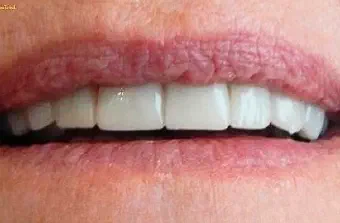
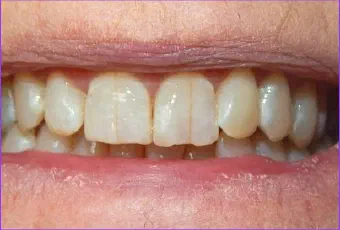
Drag the centre line to compare each real case treated by our dental team. Every smile begins with a personal assessment and a plan shaped around the patient.

Areas We Serve

Neighbourhood dental care, close to home.

Located in Cookstown, Innisfil, our dental team welcomes patients from communities across South Simcoe, Barrie, and northern York Region.

Get directions
  • Cookstown
  • Innisfil
  • Simcoe
  • Lake Simcoe
  • Alcona
  • Stroud
  • Lefroy–Belle Ewart
  • Gilford
  • Churchill
  • Sandy Cove
  • Innisfil Heights
  • Fennell’s Corners
  • Bradford
  • Bradford West Gwillimbury
  • Bond Head
  • Newton Robinson
  • New Tecumseth
  • Alliston
  • Beeton
  • Tottenham
  • Adjala–Tosorontio
  • Everett
  • Loretto
  • Barrie
  • Essa
  • Thornton
  • Baxter
  • Angus
  • Egbert
  • Ivy
  • Utopia
  • York Region
  • East Gwillimbury
  • Queensville
  • Holland Landing
  • Sharon
  • Schomberg
  • Nobleton

Don’t see your community listed? Contact us—we regularly welcome patients from throughout the surrounding region.

Google reviews

Kind words from our patients.

Read what patients have shared about their visits to Cookstown Dental Centre.

A dentist having a friendly consultation with a patient in a bright dental clinic

Your next step

Ready to feel good about your next dental visit?

Whether you are new to the clinic or returning for care, our team is here to make booking simple and answer your questions.

Call Book Now WhatsApp

How can we help?

The Cookstown Dental team is here for you.

Need an appointment, have a question, or want to talk through your options? Choose the next step that works best for you.

Send us a note

We’ll get back to you as soon as we can.